DATE

3/11/25

TIME

5:03AM

LOCATION

Oakland, CA

汉堡黄:《乌鸦》

Burger Pop: Crow
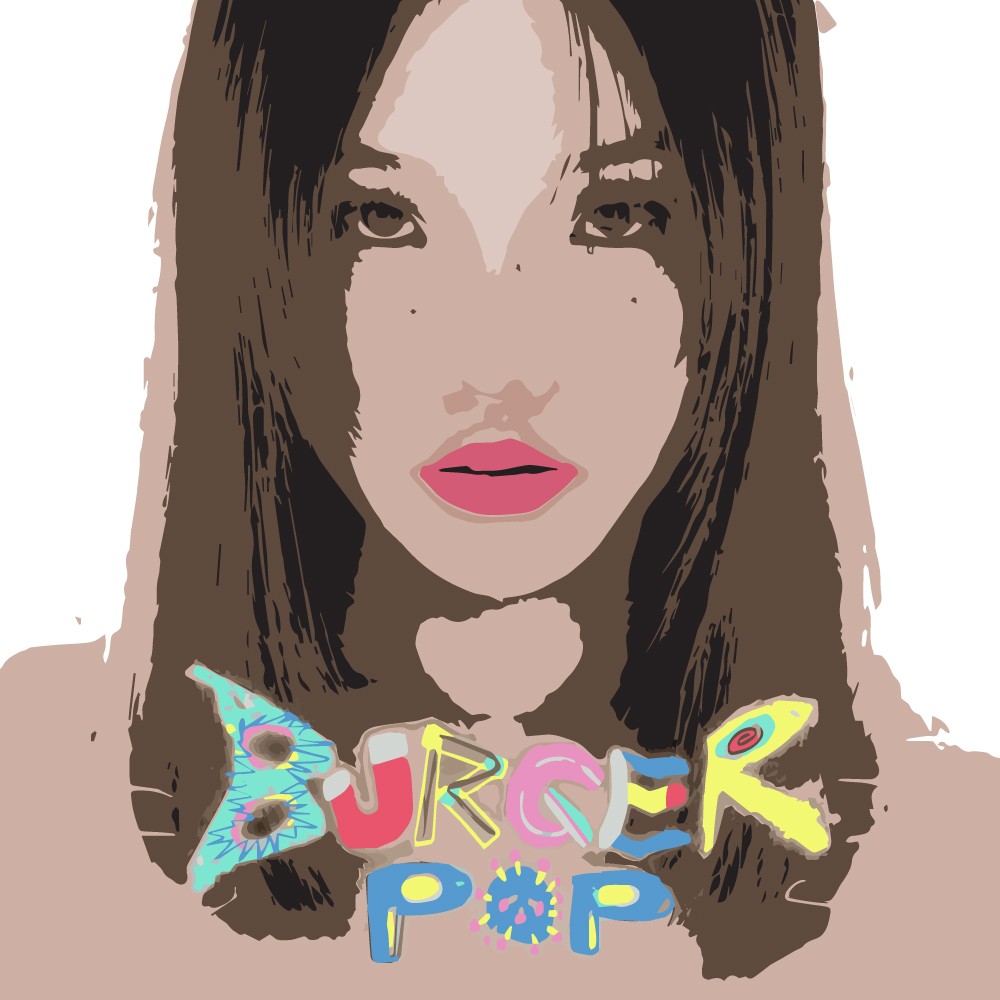
burger pop
burger pop
burger pop

Part One

我好喜欢这首歌。它是汉堡黄的《乌鸦》,确实有在一个小的livehouse里面听现场的感觉,现在的乐队真不错,可以到处演出,感觉很好玩。她这首歌既很很现代,又有些欧美。女生的声音很南方,却又有些嘶哑,很有故事感。按照这个成熟的编曲,我本以为词也会很成熟性感,好像女生的声音。

看到歌词我有点失望,没有任何的逻辑,过于白话,不能被称为词。宋词到周杰伦隔了这么多年代,也没退化这么多,十年之内文字的退化,让我明白了之前某唐人街大纪元之流日报、周报上说的文字狱不是危言耸听。

有趣的是,曲和词是同一个人作的,汉堡黄。我找了找这个女生的信息,在网易2024年10月19日发布的文章《万字长文,专访汉堡黄:00后少女的天真迷恋与纵情燃烧》中,里面谈到她的封面选择、mv拍摄(还没找到该mv,无法评论)、对目标群众的看法,对坚持对自己的封面、编曲、造型、唱腔等其他创意方面的决定权的坚持、对整个专辑整体性的考虑,贯穿全碟的主题的一致性,但同时类型genre的多样性,非常展现了该年轻女歌手的多才多艺。我不知道该怎么形容找到她的欣喜,我已经太久没有听到这种组合的中国声音了,居然是湖南人。这是我喜欢的音乐吗?这叫什么?土帅土帅的。我喜欢这个电子吉他,电子吉他都这么好听吗?感觉是好有趣的女生。

啊,我刚看了,原来她是00后,比我小诶。原来我喜欢年纪小的女生吗,原来如此。


Part Two

我有点喜欢这首歌,说实话,我从没留意过多少中文歌手,只是最近好像确实有些优秀的歌手,spotify一直推送中文歌手给我,我就发现了这首歌,汉堡黄的《乌鸦》。我去找了下这里面这些风格都是哪些人,我一首都没听过,感觉有点奇怪,有点现代,但又有点千禧年的那种网络歌手的感觉(这是千禧年吗?我不太确定,就是很复古,但不知道是哪里复古),有点新旧结合的感觉,感觉很有意思。在中国,好像最近很流行新旧结合,确实结合的很好。

虽然我真的不喜欢她的歌词,但是也瑕不掩瑜。她的封面我也很喜欢,也是汉堡黄自己选的,都非常的体现她的个性、风格和喜好。我很喜欢她所有的选择,很风格化,很强烈的个人性格,真的让我耳目一新,我觉得这些女歌手真的未来可期。太厉害了。拍手。

说起湖南人, 最近居然莫名其妙在亚洲艺术博物馆看到齐白石的画,我真的觉得有点奇怪,我真的从来不去那个博物馆,这是我爸来了,我就上那个网站去看了一下,发现居然有齐白石?我真的觉得很奇怪,齐白石来这里做什么?但是因为那个周六居然不要门票,我们刚搜到就立刻去了。赚翻。我真的觉得齐白石的画就是很基础的山水画,但是为了装逼,还是猛发一顿ig,因为有的人总觉得我们没文化,我要炫耀。

说实话,我对这篇中文博客有点忐忑。我不知道对这门语言的掌握是不是还如我之前理解的那样,还是现在大家换了方式说话了?这听上去像是我说的话吗?你们知道我为什么把我的博客现发给你们吗?我想让你们监督我,我不能在这个博客上说假话,我要诚实。


original image by 汉堡黄, via Instagram


Part One

I really like this song. It’s “Crow” by Hamburger Huang. It really gives the feeling of listening live in a small livehouse. Today’s bands are truly great—they can perform all over the place, it seems really fun. This song of hers is both very modern and a bit Western. The girl’s voice sounds very southern, but also somewhat raspy, full of storytelling. Based on the mature arrangement, I thought the lyrics would also be mature and sexy, like the girl’s voice.

I was a bit disappointed when I saw the lyrics. They had no logic at all, too much in plain vernacular, not worthy of being called “lyrics.” From Song poetry to Jay Chou, so many generations apart, and even then lyrics didn’t degenerate this much. The regression of language in just ten years made me realize that what those Chinatown Epoch Times-style dailies and weeklies said about “literary persecution” wasn’t alarmist.

Interestingly, both the music and lyrics were done by the same person—Hamburger Huang. I looked up some information about this girl. In an article published on NetEase on October 19, 2024 titled “Ten-Thousand-Word Exclusive Interview with Hamburger Huang: The Naive Fascination and Wild Burn of a Post-00s Girl”, she talked about her choices of cover art, MV filming (I haven’t found the MV yet so can’t comment), her views on target audiences, her insistence on having creative control over her cover design, arrangement, styling, vocal tone, and other artistic decisions, her consideration for the album’s cohesiveness, the consistent themes running throughout the album, and at the same time the genre diversity. It really showcased the versatility of this young female singer. I don’t know how to describe the joy of discovering her. I haven’t heard this kind of combination in a Chinese voice for so long—and she’s from Hunan. Is this the kind of music I like? What is this called? Roughly cool in a “rustic” way. I like this electric guitar. Are electric guitars always this good? She seems like such an interesting girl.

Ah, I just checked—turns out she’s a post-00s kid, younger than me. So I like younger girls? I see.


Part Two

I kind of like this song. To be honest, I’ve never really paid much attention to Chinese singers, but recently it does seem like there are some excellent ones. Spotify keeps recommending Chinese artists to me, and I came across this song—Hamburger Huang’s “Crow.” I tried to look into what styles these are, and I hadn’t heard a single one of them. It feels kind of strange, a bit modern, but also a bit like those millennial-era internet singers (is this what people call millennial-era? I’m not quite sure, just very retro, though I can’t pinpoint what exactly feels retro), a sense of blending old and new, which feels really interesting. In China, this kind of old-meets-new fusion seems to be quite popular lately, and it’s done really well.

Even though I really don’t like her lyrics, it doesn’t overshadow the rest. I also really like her cover art, which was also chosen by Hamburger Huang herself. It really shows her personality, style, and preferences. I really like all her choices—they’re so stylized, with such a strong personal character. It’s truly refreshing. I feel like these female singers have a promising future. So impressive. Applause.

Speaking of Hunan people—recently, and quite randomly, I saw some of Qi Baishi’s paintings at the Asian Art Museum. I honestly found it a bit strange. I never go to that museum. It’s just that my dad was visiting, so I went on their website to check it out, and saw—Qi Baishi? I really found it strange—what’s Qi Baishi doing here? But because that Saturday just happened to be free admission, we saw it just in time and went immediately. Jackpot. Honestly, I think Qi Baishi’s paintings are just basic landscape art, but in order to show off, I still went all out posting on IG, because some people always think we’re uncultured—so I wanted to show off.

To be honest, I feel a little uneasy about this Chinese blog post. I’m not sure if my grasp of the language is still the same as I once thought, or if people now just speak differently? Does this sound like something I’d say? Do you know why I’m now sending my blog posts to you in real time? I want you to hold me accountable. I can’t lie in this blog. I have to be honest.

Artist Statement

My work is not about explaining the world; it’s about dismantling the emotional structures that everyday life tries to conceal. What I focus on is not “story,” but the dynamics between people—the pull and tension of intimacy, the quiet control embedded in family, the fractures that come with migration, and how an individual maintains their boundaries within these systems.

I grew up between shifting cultures and languages, often in environments where I was expected—needed—claimed by others. I was asked to understand, to accommodate, to take care, to adjust. Even the gentlest relationships carried an undercurrent of consumption. That tension became the foundation of my creative work.

The characters in my stories are not moral types. They each carry a kind of private conflict: they want closeness but fear being swallowed; they long to be seen but can’t fully expose themselves; they are asked again and again to give—to family, to love, to work—without knowing how to keep space for themselves. These aren’t inventions; they’re reflections of lived experience. Writing, for me, is a way to unearth the emotions that have been suppressed, ignored, or normalized—and let them speak again.

I gravitate toward rhythmic narrative structures: compressed scenes, quick shifts, intentional gaps, silences between characters. These spaces reveal more truth than dialogue ever could. The themes I explore—migration, family, identity, trauma, intimacy, female autonomy—ultimately point to a single question: how does a person protect their boundaries in a world that constantly pulls at them, demands from them, watches them?

Creating is neither escape nor self-soothing. It is a way of reclaiming authorship over my own narrative. When I write a character’s silence, resistance, hesitation, or departure, I’m answering one essential question:

When the world insists on defining me, how do I choose to define myself?

艺术家陈述

我的创作不是为了解释世界,是为了拆开被日常掩盖的情绪结构。我关注的核心不是“故事”,而是人与人之间的力量关系——亲密带来的拉扯、家庭带来的隐性控制、身份在迁徙中的断裂,以及一个人在这些结构里如何保持自己的边界。

出生在不断变化的文化与语言之间,长期处在“被期待—被需要—被占用”的环境里。很多时候,我被要求理解别人、照顾别人、顺着环境。那些看似温和的关系里,也潜藏着吞噬性的需求。这种张力成了我创作的源头。

在我的故事里,人物不是善恶分明的类型。他们都带着某种困境:他们想靠近别人,但又害怕被吞没;他们渴望被看见,却无法完全暴露自己;他们在家庭、爱情、工作里不断被要求付出,却不知道怎样为自己保留空间。这并不是虚构,是现实经验的折射。我写作,把那些长期被压抑、被忽略、被习惯化的情感重新挖出来,让它们重新发声。

我倾向于使用节奏性的叙事结构:压缩的篇幅、快速切换的场景、留白的空间、人物之间的静默。这些“空隙”比对白本身更能暴露一个人的真实状态。我处理的主题是移民、家庭、身份、创伤、亲密、女性的自主性,但它们都指向同一件事:一个人如何在被拉扯、被要求、被凝视的世界里,维护自己的边界。

创作不是逃避,也不是自我疗愈,是重新夺回叙事权的方式。当我写下一个人物的沉默、反抗、犹豫或离开,我其实是在回答一个核心问题:
当世界不断定义我时,我选择如何定义自己?

Artist Statement

My work is not about explaining the world; it’s about dismantling the emotional structures that everyday life tries to conceal. What I focus on is not “story,” but the dynamics between people—the pull and tension of intimacy, the quiet control embedded in family, the fractures that come with migration, and how an individual maintains their boundaries within these systems.

I grew up between shifting cultures and languages, often in environments where I was expected—needed—claimed by others. I was asked to understand, to accommodate, to take care, to adjust. Even the gentlest relationships carried an undercurrent of consumption. That tension became the foundation of my creative work.

The characters in my stories are not moral types. They each carry a kind of private conflict: they want closeness but fear being swallowed; they long to be seen but can’t fully expose themselves; they are asked again and again to give—to family, to love, to work—without knowing how to keep space for themselves. These aren’t inventions; they’re reflections of lived experience. Writing, for me, is a way to unearth the emotions that have been suppressed, ignored, or normalized—and let them speak again.

I gravitate toward rhythmic narrative structures: compressed scenes, quick shifts, intentional gaps, silences between characters. These spaces reveal more truth than dialogue ever could. The themes I explore—migration, family, identity, trauma, intimacy, female autonomy—ultimately point to a single question: how does a person protect their boundaries in a world that constantly pulls at them, demands from them, watches them?

Creating is neither escape nor self-soothing. It is a way of reclaiming authorship over my own narrative. When I write a character’s silence, resistance, hesitation, or departure, I’m answering one essential question:

When the world insists on defining me, how do I choose to define myself?

艺术家陈述

我的创作不是为了解释世界,是为了拆开被日常掩盖的情绪结构。我关注的核心不是“故事”,而是人与人之间的力量关系——亲密带来的拉扯、家庭带来的隐性控制、身份在迁徙中的断裂,以及一个人在这些结构里如何保持自己的边界。

出生在不断变化的文化与语言之间,长期处在“被期待—被需要—被占用”的环境里。很多时候,我被要求理解别人、照顾别人、顺着环境。那些看似温和的关系里,也潜藏着吞噬性的需求。这种张力成了我创作的源头。

在我的故事里,人物不是善恶分明的类型。他们都带着某种困境:他们想靠近别人,但又害怕被吞没;他们渴望被看见,却无法完全暴露自己;他们在家庭、爱情、工作里不断被要求付出,却不知道怎样为自己保留空间。这并不是虚构,是现实经验的折射。我写作,把那些长期被压抑、被忽略、被习惯化的情感重新挖出来,让它们重新发声。

我倾向于使用节奏性的叙事结构:压缩的篇幅、快速切换的场景、留白的空间、人物之间的静默。这些“空隙”比对白本身更能暴露一个人的真实状态。我处理的主题是移民、家庭、身份、创伤、亲密、女性的自主性,但它们都指向同一件事:一个人如何在被拉扯、被要求、被凝视的世界里,维护自己的边界。

创作不是逃避,也不是自我疗愈,是重新夺回叙事权的方式。当我写下一个人物的沉默、反抗、犹豫或离开,我其实是在回答一个核心问题:
当世界不断定义我时,我选择如何定义自己?

Artist Statement

My work is not about explaining the world; it’s about dismantling the emotional structures that everyday life tries to conceal. What I focus on is not “story,” but the dynamics between people—the pull and tension of intimacy, the quiet control embedded in family, the fractures that come with migration, and how an individual maintains their boundaries within these systems.

I grew up between shifting cultures and languages, often in environments where I was expected—needed—claimed by others. I was asked to understand, to accommodate, to take care, to adjust. Even the gentlest relationships carried an undercurrent of consumption. That tension became the foundation of my creative work.

The characters in my stories are not moral types. They each carry a kind of private conflict: they want closeness but fear being swallowed; they long to be seen but can’t fully expose themselves; they are asked again and again to give—to family, to love, to work—without knowing how to keep space for themselves. These aren’t inventions; they’re reflections of lived experience. Writing, for me, is a way to unearth the emotions that have been suppressed, ignored, or normalized—and let them speak again.

I gravitate toward rhythmic narrative structures: compressed scenes, quick shifts, intentional gaps, silences between characters. These spaces reveal more truth than dialogue ever could. The themes I explore—migration, family, identity, trauma, intimacy, female autonomy—ultimately point to a single question: how does a person protect their boundaries in a world that constantly pulls at them, demands from them, watches them?

Creating is neither escape nor self-soothing. It is a way of reclaiming authorship over my own narrative. When I write a character’s silence, resistance, hesitation, or departure, I’m answering one essential question:

When the world insists on defining me, how do I choose to define myself?

艺术家陈述

我的创作不是为了解释世界,是为了拆开被日常掩盖的情绪结构。我关注的核心不是“故事”,而是人与人之间的力量关系——亲密带来的拉扯、家庭带来的隐性控制、身份在迁徙中的断裂,以及一个人在这些结构里如何保持自己的边界。

出生在不断变化的文化与语言之间,长期处在“被期待—被需要—被占用”的环境里。很多时候,我被要求理解别人、照顾别人、顺着环境。那些看似温和的关系里,也潜藏着吞噬性的需求。这种张力成了我创作的源头。

在我的故事里,人物不是善恶分明的类型。他们都带着某种困境:他们想靠近别人,但又害怕被吞没;他们渴望被看见,却无法完全暴露自己;他们在家庭、爱情、工作里不断被要求付出,却不知道怎样为自己保留空间。这并不是虚构,是现实经验的折射。我写作,把那些长期被压抑、被忽略、被习惯化的情感重新挖出来,让它们重新发声。

我倾向于使用节奏性的叙事结构:压缩的篇幅、快速切换的场景、留白的空间、人物之间的静默。这些“空隙”比对白本身更能暴露一个人的真实状态。我处理的主题是移民、家庭、身份、创伤、亲密、女性的自主性,但它们都指向同一件事:一个人如何在被拉扯、被要求、被凝视的世界里,维护自己的边界。

创作不是逃避,也不是自我疗愈,是重新夺回叙事权的方式。当我写下一个人物的沉默、反抗、犹豫或离开,我其实是在回答一个核心问题:
当世界不断定义我时,我选择如何定义自己?

sunny.xiaoxin.sun@doubletakefilmllc.com

Sunny Xiaoxin Sun's IMDb


©2025 Double Take Film, All rights reserved

I’m an independent creator born in 1993 in Changsha, now based in California. My writing started from an urgent need to express. Back in school, I often felt overwhelmed by the chaos and complexity of the world—by the emotions and stories left unsaid. Writing became my way of organizing my thoughts, finding clarity, and gradually, connecting with the outside world.


Right now, I’m focused on writing and filmmaking. My blog is a “real writing experiment,” where I try to update daily, documenting my thoughts, emotional shifts, observations on relationships, and my creative process. It’s also a record of my journey to becoming a director. After returning to China in 2016, I entered the film industry and worked in the visual effects production department on projects like Creation of the Gods I, Creation of the Gods II, and Wakanda Forever, with experience in both China and Hollywood. Since 2023, I’ve shifted my focus to original storytelling.


I’m currently revising my first script. It’s not grand in scale, but it’s deeply personal—centered on memory, my father, and the city. I want to make films that belong to me, and to our generation: grounded yet profound, sensitive but resolute. I believe film is not only a form of artistic expression—it’s a way to intervene in reality.

我是93年出生于长沙的自由创作者。我的写作起点来自一种“必须表达”的冲动。学生时代,我常感受到世界的混乱与复杂,那些没有被说出来的情绪和故事让我感到不安。写作是我自我整理、自我清晰的方式,也逐渐成为我与外界建立连接的路径。


我目前专注于写作和电影。我的博客是一个“真实写作实验”,尽量每天更新,记录我的思考、情绪流动、人际观察和创作过程。我16年回国之后开始进入电影行业,曾在视效部门以制片的身份参与制作《封神1》《封神2》《Wankanda Forever》等,在中国和好莱坞都工作过,23年之后开始转入创作。


我正在重新回去修改我第一个剧本——它并不宏大,却非常个人,围绕记忆、父亲与城市展开。我想拍属于我、也属于我们这一代人的电影:贴地而深刻,敏感又笃定。我相信电影不只是艺术表达,它也是一种现实干预。

sunny.xiaoxin.sun@doubletakefilmllc.com

Sunny Xiaoxin Sun's IMDb


©2025 Double Take Film, All rights reserved

I’m an independent creator born in 1993 in Changsha, now based in California. My writing started from an urgent need to express. Back in school, I often felt overwhelmed by the chaos and complexity of the world—by the emotions and stories left unsaid. Writing became my way of organizing my thoughts, finding clarity, and gradually, connecting with the outside world.


Right now, I’m focused on writing and filmmaking. My blog is a “real writing experiment,” where I try to update daily, documenting my thoughts, emotional shifts, observations on relationships, and my creative process. It’s also a record of my journey to becoming a director. After returning to China in 2016, I entered the film industry and worked in the visual effects production department on projects like Creation of the Gods I, Creation of the Gods II, and Wakanda Forever, with experience in both China and Hollywood. Since 2023, I’ve shifted my focus to original storytelling.


I’m currently revising my first script. It’s not grand in scale, but it’s deeply personal—centered on memory, my father, and the city. I want to make films that belong to me, and to our generation: grounded yet profound, sensitive but resolute. I believe film is not only a form of artistic expression—it’s a way to intervene in reality.

我是93年出生于长沙的自由创作者。我的写作起点来自一种“必须表达”的冲动。学生时代,我常感受到世界的混乱与复杂,那些没有被说出来的情绪和故事让我感到不安。写作是我自我整理、自我清晰的方式,也逐渐成为我与外界建立连接的路径。


我目前专注于写作和电影。我的博客是一个“真实写作实验”,尽量每天更新,记录我的思考、情绪流动、人际观察和创作过程。我16年回国之后开始进入电影行业,曾在视效部门以制片的身份参与制作《封神1》《封神2》《Wankanda Forever》等,在中国和好莱坞都工作过,23年之后开始转入创作。


我正在重新回去修改我第一个剧本——它并不宏大,却非常个人,围绕记忆、父亲与城市展开。我想拍属于我、也属于我们这一代人的电影:贴地而深刻,敏感又笃定。我相信电影不只是艺术表达,它也是一种现实干预。

sunny.xiaoxin.sun@doubletakefilmllc.com

Sunny Xiaoxin Sun's IMDb


©2025 Double Take Film, All rights reserved

I’m an independent creator born in 1993 in Changsha, now based in California. My writing started from an urgent need to express. Back in school, I often felt overwhelmed by the chaos and complexity of the world—by the emotions and stories left unsaid. Writing became my way of organizing my thoughts, finding clarity, and gradually, connecting with the outside world.


Right now, I’m focused on writing and filmmaking. My blog is a “real writing experiment,” where I try to update daily, documenting my thoughts, emotional shifts, observations on relationships, and my creative process. It’s also a record of my journey to becoming a director. After returning to China in 2016, I entered the film industry and worked in the visual effects production department on projects like Creation of the Gods I, Creation of the Gods II, and Wakanda Forever, with experience in both China and Hollywood. Since 2023, I’ve shifted my focus to original storytelling.


I’m currently revising my first script. It’s not grand in scale, but it’s deeply personal—centered on memory, my father, and the city. I want to make films that belong to me, and to our generation: grounded yet profound, sensitive but resolute. I believe film is not only a form of artistic expression—it’s a way to intervene in reality.

我是93年出生于长沙的自由创作者。我的写作起点来自一种“必须表达”的冲动。学生时代,我常感受到世界的混乱与复杂,那些没有被说出来的情绪和故事让我感到不安。写作是我自我整理、自我清晰的方式,也逐渐成为我与外界建立连接的路径。


我目前专注于写作和电影。我的博客是一个“真实写作实验”,尽量每天更新,记录我的思考、情绪流动、人际观察和创作过程。我16年回国之后开始进入电影行业,曾在视效部门以制片的身份参与制作《封神1》《封神2》《Wankanda Forever》等,在中国和好莱坞都工作过,23年之后开始转入创作。


我正在重新回去修改我第一个剧本——它并不宏大,却非常个人,围绕记忆、父亲与城市展开。我想拍属于我、也属于我们这一代人的电影:贴地而深刻,敏感又笃定。我相信电影不只是艺术表达,它也是一种现实干预。