Created on
1
/
8
/
2026
,
22
:
1
Updated on
1
/
15
/
2026
,
0
:
31
Location
Oakland, CA
Puritans (xi): How Did They End Up in the New World?
清教徒(xi):怎么跑去了新大陆?
前言:接上篇,和chatgpt合作完成。
在中世纪天主教框架下,行为具有明确的交换意义:通过善功、忏悔与圣礼,人可以在制度上累积得救的可能性。而在加尔文体系中,行为被彻底剥离了这种交易功能。善行不再“产生”救赎,只承担一种新的角色——作为证据,用以显示一个人“可能”属于被拣选者。行为的意义由此发生根本转向:它不再指向上帝,而是指向主体自身及其所处的社会环境,成为一种持续的身份确认机制。
这种转向带来的直接后果,是一种高度内化的自我审计心理。既然行为无法改变结局,却又是唯一可见的判断线索,那么个体便无法允许自己放纵、沉溺享乐或情绪失控。自律、克制与延迟满足不再只是道德美德,而成为对抗不确定命运的必要姿态。人在这种结构中学会对自身进行持续监控,良心本身转化为一套全天候运行的纪律系统,而不再需要外在的强制力量。
在这一心理结构下,工作与世俗成就获得了新的解释路径。逻辑并非“成功带来拣选”,而是相反:被拣选者被假定拥有更强的秩序感、自控力与持续投入能力,而这些特质在现实社会中更容易转化为稳定的职业表现与物质成果。随着时间推移,这种结果被反向理解为拣选的外在迹象。尽管在理论上成功只是事后标记,但在实际社会运作中,这一区分迅速被模糊,成功本身逐渐被视为道德与灵性状态的象征。
正是在这一背景下,后来被概括为“新教伦理”的心理—行为结构得以成形。正如马克斯·韦伯所指出的,劳动在这里不再只是谋生手段,而被赋予终极意义:它既是道德义务,也是自我证明的方式,更是个体面对不可知命运时唯一可持续投入的行动领域。当救赎无法通过制度性交易获得,人便只能将全部能量投向可见、可累积、可比较的成果之中。
更关键的是,这一结构并不会随着宗教信仰的淡化而自动失效。由于它不存在“完成状态”或最终确认的时刻,这种自我证明的逻辑能够脱离神学语境,继续在世俗社会中运行,并转化为绩效压力、职业身份焦虑与社会评价体系。预定论所塑造的,并不只是宗教主体,而是一种可以被现代制度持续调用的心理模型。
在法国,加尔文主义以胡格诺派的形式出现。胡格诺派并非社会边缘群体,而是集中于城市中产、工商业者与部分贵族阶层。这一社会结构使其在组织力与纪律性上极强,但也直接触发王权与天主教会的高度警惕。结果是持续数十年的宗教战争,最终以国家暴力强行压制告终。法国案例显示:当加尔文主义进入一个高度中央集权、以天主教为合法性基础的国家时,它会被视为结构性威胁,而非可被整合的宗教分支。
在尼德兰地区(后来的荷兰),加尔文主义则与反西班牙统治的政治斗争深度结合。这里的关键并非单纯的信仰差异,而是西班牙王权、天主教与重税体制形成的压迫结构。加尔文主义所提供的纪律、自治与道德正当性,为城市与行会提供了组织反抗的工具。最终,这一宗教—政治联盟促成了共和国的诞生,使改革宗信仰成为新国家认同的一部分。荷兰的例子证明,加尔文主义在合适条件下,可以成为共和国制度的意识形态支撑。
在苏格兰,加尔文主义通过长老会制度完成制度化落地。这里的关键创新在于:教会不再由主教自上而下统治,而是由地方长老与会议系统横向治理。这种结构天然削弱王权对宗教的控制,也为地方社会提供高度纪律化但非君主化的治理模式。苏格兰的改革宗传统由此成为一种既反对罗马教廷、又持续制衡世俗王权的长期制度力量。
在英格兰,加尔文主义并未完全主导国教,但以清教徒传统的形式持续存在。清教徒并不满足于教义改革,而要求对生活方式、社会风气与个人道德进行彻底“净化”。当这种诉求在英格兰政治结构中受阻时,一部分清教徒选择移民北美。在新英格兰,他们得以在几乎空白的制度环境中,将加尔文主义的纪律逻辑完整落地,塑造出高度自律、以社区监督为核心的殖民社会。这一传统后来深刻影响了美国社会的政治文化与道德想象。
综合来看,加尔文主义的外溢并未产生一个统一的新教世界。相反,它形成的是一个横跨欧洲与大西洋的纪律化网络:各地教义相通,但制度形态因地制宜;彼此承认,却不服从单一中心。这一网络长期与天主教世界处于结构性对峙之中,不只是神学分歧,更是关于权力来源、社会治理与主体塑造方式的根本冲突。
在天主教王权国家中,加尔文主义被视为一种不可谈判的敌对结构。以法国和西班牙势力范围为代表,这类国家的政治合法性建立在王权、天主教会与统一信仰秩序的紧密捆绑之上。宗教并非私人信念,而是国家统一的象征性基础。加尔文主义拒绝罗马教廷的终极权威,否认教会作为救赎中介的地位,并且能够在城市与贵族阶层中迅速形成纪律严明、横向联结的社群网络。这种特性使其不仅挑战教义,更直接削弱王权合法性的结构支点。因此,在法国,胡格诺派不被视为单纯的宗教异端,而被等同为政治不忠,其结果是宗教冲突迅速升级为内战与系统性镇压,直至这一平行结构被国家暴力所压制。
在已确立国教的新教国家中,加尔文主义则成为体制内部的持续不稳定因素。以英格兰为例,其宗教改革属于国家主导型改革:教义可以调整,但教会必须服从王权,宗教改革的目的在于巩固国家权力,而非削弱它。清教徒所代表的加尔文主义立场却认为改革不能止步于教义,而必须深入教会结构、礼仪形式乃至整个社会生活方式。这一诉求否定了主教制与君主对教会的最终裁决权,使清教徒既无法被视为异端而彻底清除,又难以被整合为稳定的体制力量。他们由此被长期视为体制内合法却不合时宜的麻烦制造者,其存在本身持续侵蚀国教秩序的稳定性。
在那些亟需高度统一合法性的王权国家中,加尔文主义则被视为对主权结构的长期威胁。早期近代欧洲的王权国家普遍致力于将地方权威、贵族势力与宗教权威整合为单一的主权中心,对任何自治性强、忠诚对象不明确的组织都高度警惕。加尔文主义所倡导的教会自治与长老制强调横向治理与社群内部裁决,其权威来源并非君主授权,而是共同信仰本身。这种制度安排使服从不再垂直指向国家,而是在国家内部形成一个能够自我规训、自我裁决、并跨地区联结的网络。从王权视角看,这并非单纯的宗教分歧,而是主权被分流、被稀释的结构性风险,即便不发生公开反叛,其存在本身已足以构成威胁。
在英格兰,加尔文主义并未以公开对抗国教的形式存在,而是以内嵌于体制内部的**清教徒(Puritans)**形态持续发酵。这一点决定了冲突的性质:它不是外部宗教战争,而是一场长期的、制度内部的合法性拉扯。清教徒并不否认英格兰已经完成宗教改革,但他们坚持认为改革被“过早冻结”,只停留在教义层面,而没有贯彻到教会结构与社会生活本身。
清教徒最根本的挑战,首先是否定主教制。他们拒绝承认由主教构成的等级化教会体系,认为这种结构既缺乏《圣经》依据,也为王权干预宗教事务提供了制度入口。进一步而言,他们不接受君主作为教会的最高裁决者,否认王权对教义、礼仪与教会组织的终极裁量权。这一点直接触碰了英格兰国教制度的核心——英格兰宗教改革的前提,正是以王权取代罗马教廷,成为宗教秩序的最终源头。
更具颠覆性的是,清教徒并不满足于教会内部改革,而是要求将整个社会按照“圣徒标准”重塑。信仰在他们那里不是私人事务,而是一套应当全面外化的生活规范:家庭秩序、公共道德、节庆娱乐、工作节奏,乃至穿着与言行,都应符合被拣选者的可见标准。这意味着宗教不再只是为国家秩序背书的工具,而成为一个对国家本身提出道德审判的力量。
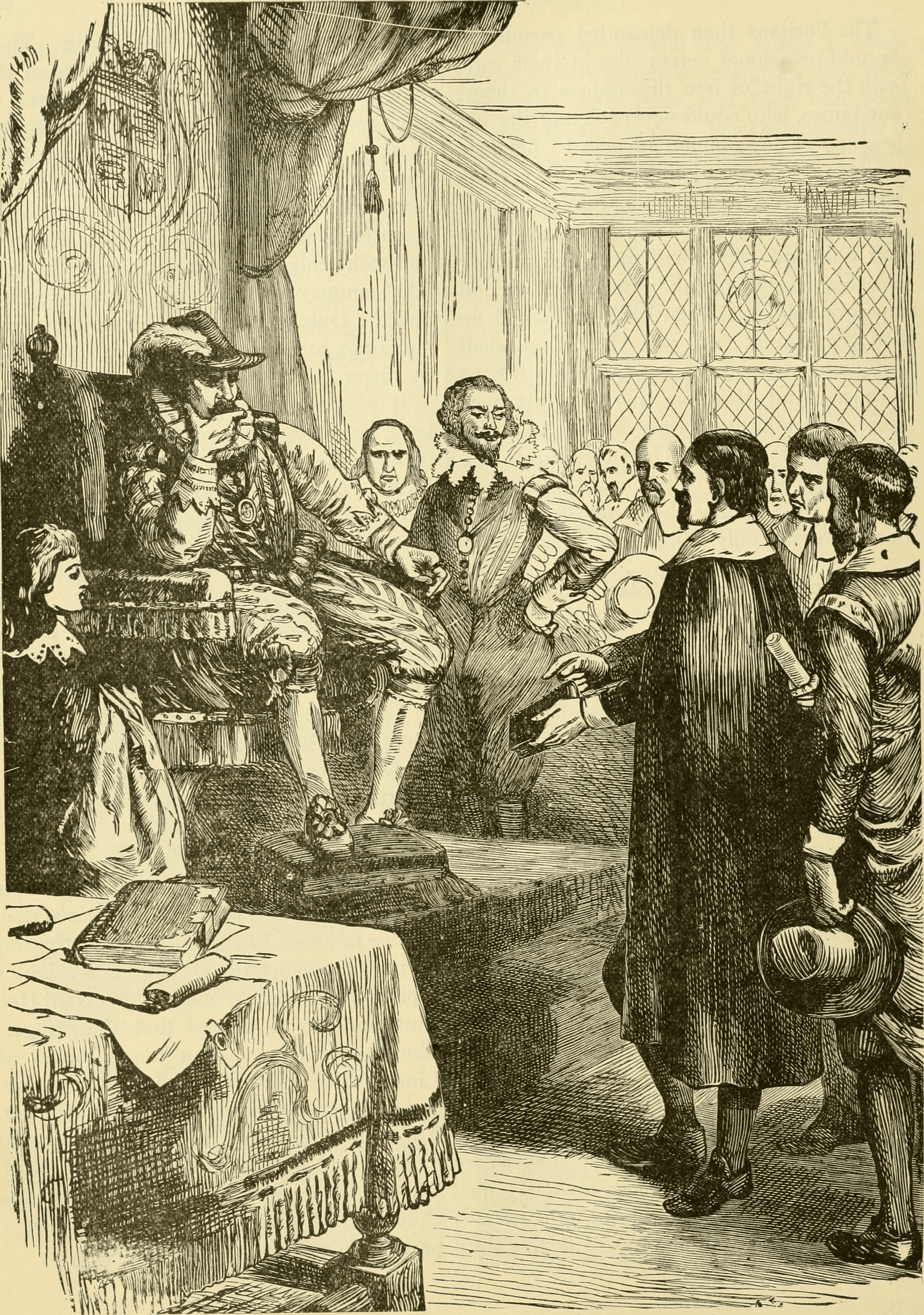
正是在这一背景下,清教徒被英格兰王权视为结构性威胁。在 詹姆斯一世 统治时期,王权已明确表态:可以容忍不同虔诚程度,但不能容忍挑战主教制与王权宗教裁决权的组织形态。进入 查理一世 时代,这种紧张关系进一步升级。清教徒牧师被罢免、罚款、禁职,非国教聚会受到严格限制,出版与讲道空间被持续压缩。迫害并不总是血腥的,但却是系统性的,其目标是让这一群体在社会中无法正常繁衍与扩展。
由此,清教徒逐渐意识到一个现实问题:他们并非可以通过妥协赢得空间的改革派,而是被锁定为永远“不够忠诚”的内部异质力量。在这样的结构中,继续留在英格兰,意味着无休止地与王权和国教进行消耗性的博弈,却几乎不可能取得制度性胜利。
于是,一个理性判断开始成形:与其在一个注定无法容纳自身治理逻辑的国家内部持续对抗,不如直接离开这个博弈场,寻找一个能够从零搭建教会、社会与道德秩序的空间。正是这一判断,而非单纯的信仰冲动,最终推动清教徒将目光投向大西洋彼岸。
Preface: A continuation of the previous essay, completed in collaboration with ChatGPT.
Within the medieval Catholic framework, human action possessed a clear transactional meaning: through good works, confession, and the sacraments, one could institutionally accumulate the possibility of salvation. In the Calvinist system, however, action was completely stripped of this transactional function. Good works no longer produce salvation; instead, they assume a new role—as evidence, indicating that a person may belong to the elect. The meaning of action thus undergoes a fundamental shift: it no longer points toward God, but toward the subject themself and the social environment in which they are situated, becoming a mechanism of continuous identity verification.
The immediate consequence of this shift is a highly internalized psychology of self-auditing. Since behavior cannot alter the final outcome, yet remains the only visible indicator available, the individual can no longer permit indulgence, immersion in pleasure, or emotional loss of control. Self-discipline, restraint, and delayed gratification cease to be merely moral virtues and instead become necessary postures for confronting an uncertain fate. Within this structure, individuals learn to monitor themselves continuously; conscience itself is transformed into a discipline system operating around the clock, no longer requiring constant external coercion.
Under this psychological configuration, work and worldly success acquire a new interpretive logic. The logic is not that success brings election, but rather the reverse: the elect are presumed to possess a stronger sense of order, self-control, and capacity for sustained commitment, traits that are more likely to translate into stable professional performance and material outcomes in social reality. Over time, these outcomes are retroactively interpreted as outward signs of election. Although, in theory, success is merely an ex post marker, in actual social practice this distinction is rapidly blurred, and success itself increasingly comes to be seen as a symbol of moral and spiritual condition.
It is within this context that the psychological–behavioral structure later summarized as the “Protestant ethic” takes shape. As Max Weber famously observed, labor here is no longer merely a means of making a living, but is endowed with ultimate significance: it becomes a moral obligation, a mode of self-proof, and the only sphere of action in which the individual can continuously invest when faced with an unknowable destiny. When salvation can no longer be obtained through institutional exchange, all available energy is redirected toward outcomes that are visible, accumulable, and comparable.
More crucially, this structure does not automatically dissolve with the decline of religious belief. Because it contains no notion of completion or final confirmation, this logic of self-proof can detach from its theological origins and continue operating in secular society, transforming into performance pressure, occupational identity anxiety, and systems of social evaluation. What predestination produces, therefore, is not merely a religious subject, but a psychological model that modern institutions can continue to mobilize.
In France, Calvinism emerged in the form of the Huguenots. Far from being a marginal group, the Huguenots were concentrated among the urban middle classes, commercial elites, and segments of the nobility. This social composition endowed them with exceptional organizational capacity and discipline, while simultaneously provoking intense suspicion from both royal authority and the Catholic Church. The result was decades of religious warfare, ultimately ending in forcible suppression through state violence. The French case demonstrates that when Calvinism entered a highly centralized state whose legitimacy rested on Catholicism, it was perceived not as a religious faction to be integrated, but as a structural threat.
In the Low Countries (later the Netherlands), Calvinism became deeply intertwined with political resistance against Spanish rule. The central issue here was not doctrinal difference alone, but a structure of oppression formed by Spanish royal authority, Catholicism, and heavy taxation. The discipline, autonomy, and moral legitimacy provided by Calvinism supplied cities and guilds with tools for organized resistance. This religious–political alliance ultimately facilitated the birth of a republic, with Reformed Christianity becoming part of the new national identity. The Dutch example demonstrates that, under favorable conditions, Calvinism could function as the ideological foundation of a republican system.
In Scotland, Calvinism achieved institutional consolidation through the Presbyterian system. The key innovation lay in rejecting top-down episcopal rule in favor of horizontal governance by local elders and assemblies. This structure naturally weakened royal control over religion while providing local society with a highly disciplined yet non-monarchical mode of governance. As a result, the Scottish Reformed tradition became a long-term institutional force that both opposed the Roman Church and consistently checked secular royal power.
In England, Calvinism never fully dominated the established church, but persisted in the form of the Puritan tradition. The Puritans were dissatisfied with doctrinal reform alone and demanded a thorough “purification” of daily life, social customs, and personal morality. When these demands met resistance within England’s political structure, a portion of Puritans chose to migrate to North America. In New England, they encountered an almost blank institutional landscape, enabling them to fully implement Calvinist disciplinary logic and construct a colonial society characterized by high self-discipline and community-based surveillance. This tradition later exerted a profound influence on American political culture and moral imagination.
Taken together, the outward diffusion of Calvinism did not produce a unified Protestant world. Instead, it generated a discipline-based network spanning Europe and the Atlantic: doctrine was shared, but institutional forms were adapted locally; mutual recognition existed, yet there was no single center of authority. This network remained in long-term structural opposition to the Catholic world—not merely over theology, but over fundamental questions of the source of power, social governance, and the formation of the modern subject.
In Catholic monarchies, Calvinism was regarded as a non-negotiable hostile structure. In countries such as France and within the Spanish sphere of influence, political legitimacy rested on the tight coupling of monarchy, Catholicism, and a unified confessional order. Religion was not a private belief but a symbolic foundation of national unity. Calvinism rejected papal supremacy, denied the church’s role as an intermediary of salvation, and rapidly formed disciplined, horizontally connected communities among urban and noble classes. These characteristics undermined not only doctrine but the structural foundations of royal legitimacy itself. Consequently, in France, the Huguenots were not treated as mere religious dissenters but equated with political disloyalty, leading religious conflict to escalate into civil war and systematic repression until this parallel structure was crushed by state violence.
In Protestant states with an established national church, Calvinism instead became a persistent source of internal instability. England provides a clear example. Its Reformation was state-led: doctrine could change, but the church had to remain subordinate to royal authority. The purpose of reform was to consolidate state power, not weaken it. The Calvinist position represented by the Puritans insisted that reform could not stop at doctrine but must extend into church structure, ritual forms, and the entirety of social life. This stance denied both episcopal authority and the monarch’s ultimate right to adjudicate religious matters, rendering Puritans neither heretical enough to eradicate nor conformist enough to integrate. They thus became legally legitimate yet perpetually inconvenient troublemakers, whose very presence eroded the stability of the established church.
In monarchies that urgently required highly unified legitimacy, Calvinism was viewed as a long-term threat to sovereignty itself. Early modern European states sought to integrate local authority, noble power, and religious legitimacy into a single sovereign center and were deeply suspicious of any organization with strong autonomy and ambiguous loyalty. Calvinism’s emphasis on church autonomy and Presbyterian governance promoted horizontal authority and internal adjudication, with legitimacy derived from shared faith rather than royal delegation. Obedience no longer flowed vertically toward the state, but circulated within an internal network capable of self-discipline, self-judgment, and transregional connection. From the royal perspective, this was not merely religious disagreement, but a structural risk in which sovereignty was diluted and dispersed—even in the absence of open rebellion.
In England, Calvinism did not manifest as overt opposition to the established church, but fermented internally in the form of Puritanism. This determined the nature of the conflict: not an external religious war, but a prolonged internal struggle over legitimacy. Puritans did not deny that England had undergone reform; rather, they argued that reform had been prematurely frozen at the level of doctrine and had failed to penetrate church structure and social life.
Their most fundamental challenge was the rejection of episcopacy. Puritans refused to recognize a hierarchical church system governed by bishops, viewing it as lacking biblical foundation and as a structural conduit for royal interference in religious affairs. More radically, they denied the monarch’s role as the supreme arbiter of church matters, rejecting royal authority over doctrine, ritual, and organization. This directly struck at the core of the Anglican settlement, whose premise was that royal authority replaced papal authority as the ultimate source of religious order.
Even more subversively, Puritans were not content with internal church reform; they sought to reshape the entire society according to “saintly standards.” Faith was not a private affair but a comprehensive code of life: family order, public morality, festivals, entertainment, work rhythms, dress, and speech were all expected to conform to visible signs of election. Religion thus ceased to function merely as a legitimizing tool of the state and instead became a force that morally judged the state itself.
Against this backdrop, Puritans came to be seen by the English monarchy as a structural threat. Under James I, the crown made its position clear: differences in piety might be tolerated, but organizational forms that challenged episcopacy and royal supremacy could not. Under Charles I, tensions intensified further. Puritan ministers were dismissed, fined, or barred from office; nonconformist gatherings were restricted; publishing and preaching spaces were steadily constricted. Persecution was not always bloody, but it was systematic, designed to prevent the group from reproducing or expanding within society.
Gradually, Puritans recognized a hard reality: they were not reformers who could secure space through compromise, but an internal heterogeneity permanently marked as “insufficiently loyal.” Remaining in England meant endless, attritional struggle with crown and church, with little chance of institutional victory.
From this recognition emerged a rational conclusion: rather than continue fighting within a state structurally incapable of accommodating their model of governance, it was preferable to leave the field entirely and seek a space in which church, society, and moral order could be constructed from the ground up. It was this judgment—rather than simple religious zeal—that ultimately led Puritans to turn their gaze across the Atlantic.