"Box Opening"
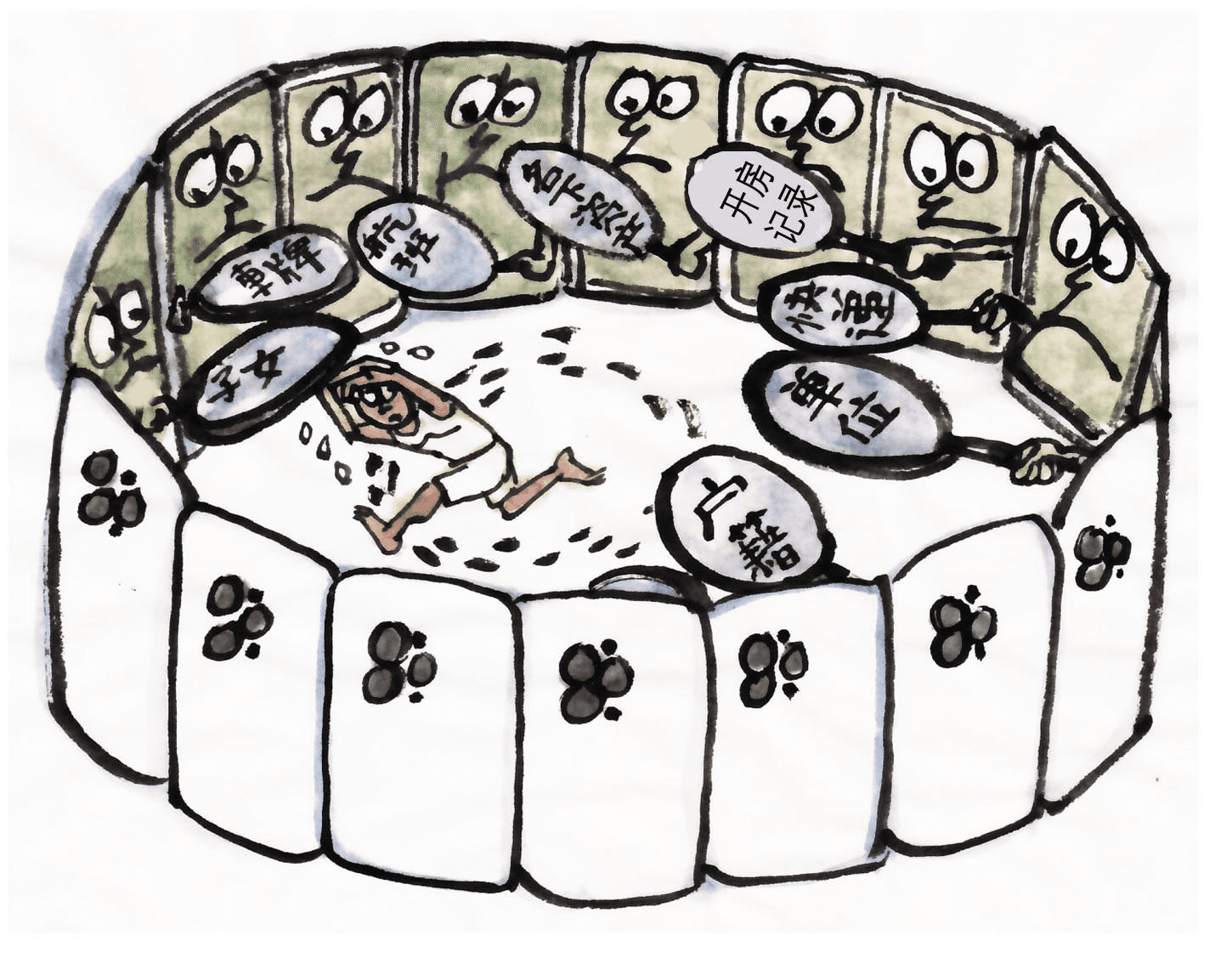
Preface: Internet surfing in 2026.
I first heard the term 开盒 (kāihé, “doxxing”) a few years ago, when Threads was just taking off. If you posted in Chinese, your Threads feed would fill up with Chinese-language content. The vibe was fascinating at first — people said it felt like early Weibo, or Douban. Chinese-language social media had long been tightly censored, and Threads seemed like a new oasis, a gathering place for LGBTQ voices and the “non-mainstream,” with native Chinese speakers from Taiwan, Singapore, Malaysia, Thailand, and the mainland all talking to each other. After scrolling for a while, I noticed the Chinese-speaking KOLs all followed one another, and gradually the usual online chaos crept in — personal attacks, arguments over everything. Then I heard that even on Threads, some people felt unsafe. That’s when I came across the word “doxxing.” I asked around: what does it mean? I learned it means exposing someone’s identity without their consent. In China, having your identity exposed and linked to what you’ve said online is dangerous — unlike the self-uploading, self-sharing culture of American social networks, a lot of information there is sensitive.
“Doxxing” is internet slang for collecting someone’s real identity, home address, phone number, national ID number, family relationships, and other private information through illegal or improper means, then publishing and spreading it online — often alongside incitement to abuse, harassment, or offline intimidation. It’s also called “human-flesh doxxing” or “doxx-and-shame.” This isn’t ordinary “looking someone up” or public debate. The key difference is the goal: to identify, expose, or disseminate the sensitive personal information of a specific, real person, putting them at risk of cyberbullying, phone bombing, threats, and stalking. Even public information, stitched together and cross-referenced to harass someone, can cause real harm. Since the forum era, the Chinese internet has had a tradition of the “human flesh search” (人肉搜索), powered by crowds of volunteers.
In the early days it even had a whiff of playfulness. In 2001, someone posted a photo claiming the woman in it was his girlfriend; netizens quickly identified her as a model who did image campaigns for Microsoft. That episode is usually counted as the first. What really revealed its power was the kitten-crushing video of February 28, 2006 — a woman in stilettos stomping a kitten to death. Netizens spent six days tracing the filming location to Heilongjiang and identified the three people involved; the forums’ own description at the time was that their efficiency rivaled the police. Two months later came the “Tongxu Gate” scandal (铜须门), sparked by a leaked chat log: within days, the accused young man’s real name, school, home address, photos, girlfriend, and phone number were all online — some of it later proven false. In December 2008, the same methods were turned on a housing bureau chief: within seven days, investigators found he smoked 1,500-yuan-a-carton cigarettes and wore a 10,000-yuan watch; this time public opinion called it oversight. The same set of moves can be justice or a manhunt — it depends on the target.
The human flesh search gradually became normalized — until late February 2006. A set of photos began circulating online: a woman in high heels crushing a kitten to death, her face clearly visible. Netizens responded with a post calling itself a “civilian wanted notice,” using the language of an arrest warrant. Within six days, people traced the location to Heilongjiang from the vegetation, buildings, and a sliver of road sign in the background, narrowed it to Luobei County, and identified the woman as a nurse at the local hospital and the cameraman as an employee of the county TV station. On March 10, the Luobei County government issued a statement. Both lost their jobs. The human flesh search had acquired a fixed vocabulary and a clear self-image: it did what the law couldn’t. That framing would be invoked again and again — and occasionally, it actually worked.
At the end of 2007, China saw what came to be called the “first case of cyber violence”: on December 29, a woman named Jiang Yan died by suicide, leaving behind a blog documenting her husband’s affair. Starting in January 2008, her former classmates compiled the contents and posted them online; netizens dug up her husband Wang Fei’s name, home address, workplace, ID information, and his family’s details. Wang received threatening emails, lost his job after his workplace was harassed, and notes were repeatedly pasted on his parents’ door. In February he sued three websites. That December, the Chaoyang District Court in Beijing ruled that Zhang Leyi, administrator of the site “Beifei de Houniao” (北飞的候鸟, “Northbound Migratory Bird”), had violated privacy and reputation rights — ordering posts deleted, a public apology, and 5,000 yuan in damages. Daqi.com was ordered to pay 3,000 yuan for running a special feature page; Tianya, which had deleted the posts before being sued, was deemed to have fulfilled its duty of care and bore no liability. Zhang appealed; the appeal was rejected.
If the human flesh search was still the spontaneous collaboration of strangers, doxxing was born smelling of organization and business. The term itself entered common usage relatively late, around 2021, supposedly emerging from Baidu Tieba. It began as a long-running war between Genshin Impact players and Tieba users, which the participants themselves called the “Box Wars” (盒战争). Cyberbullying is one person surrounded by a mob — the roles are clear. In the Box Wars, both sides had targets and both sides had dossiers: you post my data, I dig up yours and post it back; your friends, your forum’s moderators, anyone who ever spoke up for you — all on the list. Escalation didn’t mean nastier insults; it meant widening the blast radius to families. That’s why the records are full of “so-and-so’s parents” and “so-and-so’s school” — not because the parents joined the argument, but because by the late stages, family was the only chip left to raise. On the surface it was a fight over a video game; underneath it was a fight over moderator power — who became a bar moderator (吧主), who got removed, which faction controlled pinned posts and deletions. Doxxing here was a means of seizing power, not venting anger. A moderator’s resignation could trigger a round; so could losing an argument, or backing the wrong side.
For an adult doxxed by strangers, exposure is basically the end of it: a wave of harassing calls, a wave of account spam, and life goes on. For a minor, exposure is only the delivery — the execution happens the next day in the classroom, on the family’s landline, with the homeroom teacher. In 2019, in Mianyang, Sichuan, Wu Jie was in her second year of high school. She touched up a few photos of her idol at an offline event on her phone and posted them to Weibo. During a single PE class that day, the post passed 20,000 views and over a hundred likes. In the comments, someone accused her of malicious retouching, of deliberately erasing her idol’s blemishes. Wu Jie’s own account was that she’d only done normal touch-ups, nothing that changed how her idol actually looked. She deleted the comment. The other person switched to DMs: “My brother’s a hacker — want me to have him dig up everything about your family?” She didn’t back down. They argued in DMs, and mid-argument she clicked into the other person’s profile, decided this looked like a middle schooler, and pretended to be an adult, urging them to focus on school. Minutes later, an Alipay notification popped up. A stranger’s account with an anime avatar had sent 0.01 yuan, with a note: “Wu Jie, watch yourself.” Between classes, Wu Jie hid in a bathroom stall scrolling her phone; after trying several stalls she found the innermost one had the best signal. Her phone stayed on silent the whole time; she kept checking for new threats, and every sound in the hallway, every notification, set her on edge. She later said she developed tinnitus during that period. Fourteen days later, she deleted her account and left the fandom.
Worse than Wu Jie’s case is Gao Fei’s. Gao Fei is a pseudonym. He was first doxxed at eleven, for piling onto an insult aimed at a big name in the “penzi” (喷系) flame-war scene in a group chat. The second time came during a conflict in which more than thirty people in the whole group were doxxed together — including his father’s household registration info. The third time, in his first year of middle school, it was the entire family: his parents, his paternal grandparents, his father’s elder brother and sister-in-law, his elder cousin, his great-aunt, and his maternal grandparents — names, photos, ID numbers, phone numbers, home addresses, all laid out on a single template like an internet wanted poster. After that came hundreds of harassing calls and texts a day; his family blamed him, and they fought constantly. “The mental pressure was huge — I’d dragged my family into being harassed too.” He didn’t quit. “You want to argue with me? Then I’ll see it through to the end. Piss me off and I’ll hit back,” he said. His schooling had already fallen behind; after this, he dropped out.
After dropping out, he started learning how to dox. Online tutorials only skim the surface of social engineering; the real channels are insiders — the scene recruits industry practitioners long-term, negotiates the split, and shares the payout once a dox lands. The other channel is offshore “social engineering databases” (社工库), vast troves of illegally aggregated leaked data, cheap to query. Hard targets get the brute-force treatment: enumerate every possible combination of a fixed string of digits, verify them one by one, and piece together an ID number — once you have that, the rest is easy. “The first time I doxxed someone’s info, I felt a real sense of accomplishment.” He described being possessed, doxxing people for no reason at all — even people who’d never insulted him; he’d go pick a fight first. Soon people were asking to apprentice under him. Phone numbers, ID numbers, and household registration addresses were just the basics for him; below that came spending records, marriage history, entry-exit records, property holdings, transit records, food-delivery and shopping addresses, criminal records, phone geolocation, chat logs. At his craziest, he doxxed over a hundred people in a month.
According to him, the scene’s organizational structure was remarkably complete. Members had to use unified usernames and faction identifiers across platforms, and keep everything secret from outsiders. The internal division of labor was “some people handle the flaming, some handle the doxxing, some handle the offline ambushes” — his exact words were that it ran like a company. The scene cared intensely about face: losing a flame war meant being mocked for a long time after. Each faction held shared dossiers they called the “arsenal” (军火库) — hundreds of people’s screen names, real identities, and faction affiliations — plus videos of offline beatings, concessions, apologies, and kowtows, kept as proof of victories. Harassment had scripts; he’d seen someone control more than three hundred QQ accounts, all hurling abuse at one person at the same time. It was also a business. Taking orders to dox people and taking on apprentices both paid; the scene’s big names had regular clients, and some made over 10,000 yuan a day. Pricing depended on difficulty; undercutting the price would bring trouble from rivals, and different crews could come to blows fighting over high-margin clients.
According to a counselor interviewed for the story, most of the students involved knew it was illegal, but believed their minor status would protect them. Before January 1, 2026, that judgment was basically correct: no administrative detention at all for ages fourteen to sixteen, and none for first-time offenders aged sixteen to eighteen. In the Bilibili case, of the two underage organizers, one was detained for ten days and the other only received a disciplinary talk — the difference probably came down to exactly this. The newly revised Public Security Administration Punishments Law, effective this January, changed that: detention can now be enforced for ages fourteen to sixteen with two or more offenses within a year, and for ages fourteen to eighteen even on a first offense if the circumstances are serious and the impact egregious; it also lists student bullying as a standalone category for the first time. In March 2025, the thirteen-year-old daughter of a Baidu vice president doxxed ordinary people during a fandom dispute — one of them a pregnant woman. The data was bought from an offshore database, which is to say it could have come from anywhere. Private doxxing is normally a public-security matter: up to ten days’ detention and a fine of up to 500 yuan — and for a thirteen-year-old, even that basically doesn’t apply; civil liability falls on the parents.
From a photo on MOP in 2001 to the offshore social-engineering database on a thirteen-year-old girl’s phone in 2025, doxxing has traveled a complete arc: from game, to weapon, to business. In the era of the human flesh search, participants at least believed they were serving justice; in the era of doxxing, even that justification is unnecessary — it serves factions, traffic, and profit, more efficient and more naked. The 2026 rules tightened the opening a notch, but technology always outruns the law, and this race is probably far from over. Note to self: the internet is dangerous — use with caution. 😳
Preface: 老年人尝试适应网上冲浪记录之一。
第一次听说”开盒”是在前几年threads刚开始流行的时候。只要发中文的post,threads的主页便会都是华语的内容。刚开始的时候氛围很有意思,很多人说像早期的微博、或者豆瓣。其实华语语境下的社交媒体很早就被严格审查了,threads好像是新的绿洲,成了各种lgbtq、”非主流”的声音的聚集地,也不乏台湾、新马泰、和大陆的华语母语者相互交流。刷了一阵子threads之后发现,华语的各个kol都是相互关注的,逐渐也出现了一些网络乱象。人身攻击、因为各种事情争吵,到后来我听说即便是在threads上也有人觉得不安全,然后听说了”开盒”这个词。我问网友,开盒是什么。这才知道开盒是把对方的身份在未经对方的允许下公开。中国的环境下,被公开身份和把本人在网上说的话连接起来是很危险的事情,不同于美国社交网络的自主上传、自主分享,很多信息都很敏感。
“开盒”是网络用语,通常指通过非法或不当手段搜集他人的真实身份、住址、手机号、身份证号、亲属关系等隐私信息,并在网上公开、传播,往往还伴随煽动辱骂、骚扰或线下滋扰。它也常被称为”人肉开盒””开盒挂人”。这不是普通的”查资料”或公开讨论。关键区别在于:目标是识别、曝光或扩散一个具体自然人的敏感个人信息,使其面临网暴、电话轰炸、威胁、跟踪等风险。公开信息被拼接、关联后用于骚扰他人,同样可能造成实质侵害。互联网从论坛时期开始就有人肉搜索的历史,靠一群人自愿出力。
早年它甚至带着点游戏气。2001 年有人贴出一张照片说是自己女朋友,网友很快把人认了出来,是一位给微软做形象代言的模特,这通常被算作第一次。真正让它显出力量的是 2006 年 2 月 28 日那段高跟鞋虐猫的视频——网友花六天认出拍摄地在黑龙江,锁定了涉事的三个人,当时论坛上的自我描述是效率堪比警方。两个月后的铜须门起于一份被公开的聊天记录,几天里,被指的那个年轻人的真名、学校、住址、照片、女友和电话号码全部上了网,事后证明其中还掺着假料。到 2008 年 12 月,同样的方法用在一位房管局长身上,七天里查出他抽的烟一千五一条、戴的表值一万,这一回舆论叫它监督。同一套动作,可以是正义,也可以是围猎,取决于对象是谁。
人肉搜索开始逐渐正常化,直到2006 年 2 月底。一组照片开始在网上流传,一个穿高跟鞋的女人把一只小猫踩死,脸拍得很清楚。网友随即发出一份自称”民间追缉令”的帖子,用的是通缉的措辞。六天之内,有人从照片背景里的植被、建筑和一小块路牌推出地点在黑龙江,最后落到萝北县,指认出踩猫的女人是当地医院的护士,拍摄者在县电视台工作。3 月 10 日,萝北县政府为此发表声明。两个人都丢了工作。人肉搜索开始有了一套固定的语言和一个明确的自我定位:它在做法律做不了的事。这个定位后来被反复使用,也确实偶尔做成过事。
后来人肉搜索逐渐发展成了网暴。2007 年底,中国出现了被称为”网络暴力第一案”的事件:12 月 29 日,一个叫姜岩的女人坠楼身亡,留下一个写了丈夫婚外情的博客。从 2008 年 1 月起,她的同学把内容整理上网,网友搜出她丈夫王菲的姓名、住址、单位、身份证信息和家人情况。王菲收到威胁邮件,单位被骚扰之后丢了工作,父母家门口被反复贴上字条。他在 2 月起诉了三家网站。当年 12 月,北京朝阳法院判”北飞的候鸟”的管理者张乐奕侵犯隐私权和名誉权,删帖、道歉、赔五千元;大旗网因为做了专题页面赔三千;天涯在起诉前已经删帖,尽到监管义务,不担责。张乐奕上诉,被驳回。
如果说人肉搜索还是一群陌生人的自发协作,开盒从诞生起就带着组织和生意的味道。而”开盒”真正成为常用词比较晚,大概在2021 年,通常的说法是从贴吧出来的。最开始是原神玩家和百度贴吧之间的一场长期混战,参与的人自己管它叫”盒战争”。网暴是一个人被一群人围住,角色分得很清楚。盒战争是双方都有目标,也都有档案:你把我的资料挂出来,我这边就去挖你的,挖到了再挂回去;你的朋友、你那边的吧务、替你说过话的人,一起进名单。升级的方式不是骂得更难听,是把范围往外扩,扩到家里人。所以那些记录里常出现”某某的父母””某某的学校”——不是因为父母参与了争论,是因为打到后期,能加码的只剩这些。表面上吵的是一款游戏,实际争的是吧务权——谁当吧主,谁被撤掉,哪一派控制置顶和删帖。开盒在这里是夺权的手段,不是泄愤的手段。吧主辞职会引发一轮,争论输了会引发一轮,站错队也会。
成年人被陌生人开盒,暴露基本就是结局:骚扰电话打一阵子,账号被刷一阵子,日子还能过。未成年人的暴露只是投递,执行发生在第二天的教室、家里的座机和班主任那里。2019 年,四川绵阳,吴婕读高二。她用手机修了几张偶像线下活动的照片发到微博。那天上体育课的一节课时间里,这条微博的浏览量过了两万,点赞一百多。评论区有人指责她恶意修图,说她故意把偶像脸上的瑕疵抹掉了。吴婕自己的说法是只做了正常的修饰,没有改掉偶像本来的样子。她把那条评论删了。对方转而发私信,说了一句”我哥哥是黑客,信不信我让他把你们家底都扒光”。她没有退。两人在私信里吵起来,吵的过程中她点进对方主页看了看,判断这像是个初中生,于是假装自己是成年人,劝对方好好读书。几分钟后,支付宝弹出一条通知。一个陌生账号,动漫头像,转来 0.01 元,附言是”吴婕,你给我小心点”。吴婕课间躲进厕所隔间刷手机,试过几个隔间之后发现最里面那个信号最好。手机全程静音,她反复点开看有没有新的威胁消息,走廊里的响动和任何一条通知都会让她紧张。她后来形容那段时间出现过耳鸣。十四天之后,账号注销,她退出了饭圈。
比吴婕的例子更严重的,还有高飞的例子。高飞是化名,他第一次被开盒是十一岁,起因是在群里跟风骂了一个”喷系”圈的大佬。第二次被开是一场冲突里全群三十多人一起,其中有他父亲的户籍信息。第三次在初一,被开的是全家:爸、妈、爷爷、奶奶、大伯、伯母、堂哥、大姑、姥姥、姥爷,姓名、照片、身份证号、手机号、家庭住址,集中排在一张模板上,像网络通缉令。之后每天几百个骚扰电话和短信,家里人怪他,天天吵。”内心压力挺大的,连累家人也受到骚扰。”他没有退出,他说,”你要跟我抬杠,那就扛到底,惹恼了我就还击。”学业本来就已经脱节,这件事之后他辍学了。
辍学之后,他开始学怎么开盒。网上的教程只讲社会工程学的皮毛,真正的门路是内鬼,圈子里长期招募各行业的从业者,谈好合作,开成之后分钱;另一条是境外的社工库,里面是大量非法整合的已泄露信息,体量庞大,查询成本不高。难查的用穷举法,把一串固定数字的所有可能组合列出来逐个验证,凑出身份证号,到手之后剩下的都好办。”第一次’开’出别人的信息,我很有成就感。”他形容自己像着魔一样毫无理由地去开别人,哪怕对方没骂过他,他主动去骂;开始有人来拜师。手机号、身份证号、户籍地址在他那里只算基础,再往下是消费记录、婚史、出入境记录、房产、交通出行记录、外卖和网购地址、犯罪记录、手机定位、聊天记录。最疯狂的时候,他一个月开过上百人。
据他说,圈子的组织形态相当完整。成员在各平台要用统一的用户名和派系标识,对外保密;内部分工是”哪些人负责喷人,哪些人负责开盒,还有人负责线下堵人”,他的原话是就像一家公司在运转。圈子极在乎面子,骂输了意味着以后长期被奚落。各派手里有共享的档案,他们叫它军火库,存着几百人的网名、真实身份和派系归属,另外还存线下殴打、认输、道歉、磕头的视频,当作赢过的证明。骚扰有脚本,他见过有人手里控制三百多个 QQ 号,同一时间不停地骂一个人。这同时是一门生意。接单帮人开盒、收徒教人开盒都能赚钱,圈里的大佬有固定客户,有人日入上万。定价看难度,压价会招来同行找麻烦,几拨人为了抢利润高的客户能打起来。
根据采访的心理咨询师说,多数参与的学生知道这是违法的,但相信未成年身份能保护自己。在 2026 年 1 月 1 日之前,这个判断基本是对的:十四到十六周岁一律不执行行政拘留,十六到十八周岁初犯也不执行。B 站那个案子里两个未成年组织者一个拘留十日、一个只是批评教育,差别大概就出在这里。新修订的《治安管理处罚法》从今年 1 月起改了:十四到十六周岁一年内两次以上可以执行拘留,十四到十八周岁初次违反但情节严重、影响恶劣的也可以,另外第一次把学生欺凌单列。 2025 年 3 月百度一位副总裁十三岁的女儿在饭圈争执中开了素人的盒,其中一位是孕妇。数据是从境外的库里买的,也就是说它可能来自任何地方。私人开盒在通常情况下是治安案件,十日以下拘留、五百元以下罚款,对一个十三岁的人连这个基本也用不上,民事责任落到父母身上。
从 2001 年猫扑上的一张照片,到 2025 年一个十三岁女孩手机里的境外社工库,开盒走完了一条完整的路:从游戏,到武器,到生意。人肉搜索的时代,参与者至少还相信自己在主持正义;开盒的时代,连这层理由都不需要了——它服务于派系、流量和利润,效率更高,也更赤裸。2026 年的新规把口子收紧了一点,但技术跑得总比法律快,这场竞赛恐怕还远没到终点。网络危险,使用需谨慎。😳
Preface: Internet surfing in 2026.
「開盒(かいほう、いわゆるドクシング)」という言葉を初めて聞いたのは、数年前、Threadsが流行り始めた頃のことだ。中国語で投稿すると、Threadsのホームは中国語のコンテンツ一色になる。最初は雰囲気がとても面白くて、初期の微博(Weibo)や豆瓣(Douban)みたいだと言う人も多かった。実際、中国語圏のソーシャルメディアはとっくに厳しく検閲されていて、Threadsは新しいオアシスのように見えた。LGBTQや「非主流」な声が集まり、台湾、シンガポール・マレーシア・タイ、そして大陸の中国語母語話者が交流していた。しばらくThreadsを見ているうちに、中国語圏のKOLたちはみんな互いにフォローし合っていることに気づき、やがてネット上のいざこざも目立つようになった。人身攻撃、些細なことで言い争い——そのうち、Threadsの上でも安全ではないと感じる人がいると聞き、そこで「開盒」という言葉を知った。ネットの人に聞いてみた。開盒って何? すると、相手の身元を本人の許可なく公開することだと教えてくれた。中国では、身元が公開されて、ネット上で発言したことと本人が結びつけられるのはとても危険なことだ。アメリカのソーシャルメディアのように自分でアップして自分でシェアするのとは違って、そこにある情報の多くはとてもセンシティブなのだ。
「開盒」はネットスラングで、通常、違法または不正な手段で他人の本名、住所、電話番号、身分証番号、親族関係などのプライバシー情報を集め、ネット上で公開・拡散することを指す。嫌がらせや罵倒を煽ったり、付きまといやオフラインでの嫌がらせを伴うことも多い。「人肉開盒」「開盒晒し」とも呼ばれる。これは普通の「調べもの」や公開の議論とは違う。決定的な違いは、狙いが具体的な個人のセンシティブな個人情報を特定・暴露・拡散することにあり、その人をネット暴力、電話爆撃、脅迫、ストーキングなどのリスクにさらす点だ。公開情報をつなぎ合わせて関連づけ、嫌がらせに使うことも、実質的な侵害になりうる。インターネットは掲示板の時代から人肉検索の歴史を持ち、大勢の人々の自発的な力によって支えられてきた。
初期のそれは、どこかゲームめいたところさえあった。2001年、誰かが「自分の彼女だ」と言って写真を一枚投稿すると、ネットユーザーはすぐにその人物を特定した。マイクロソフトのイメージキャラクターを務めていたモデルで、これが通例「最初の一件」と数えられている。本当にその力を見せつけたのは、2006年2月28日のハイヒールで猫を虐待する動画だった。ネットユーザーは6日かけて撮影地が黒竜江省だと突き止め、関係者3人を特定した。当時の掲示板での自称は「警察並みの効率」だった。2か月後の銅須門事件は、公開されたチャット記録が発端で、数日のうちに、名指しされた若者の本名、学校、住所、写真、彼女、電話番号のすべてがネットに上がった。後になって、その中にはデマも混じっていたことが判明した。2008年12月には、同じ手法が住宅管理局の局長に向けられ、7日間で、吸っているタバコは1カートン1500元、つけている時計は1万元だと暴かれた。この回、世論はそれを「監督」と呼んだ。同じ一連の動作が、正義にもなれば、集団リンチにもなる。対象が誰かによって決まるのだ。
人肉検索は次第に当たり前のものになっていき、2006年2月末を迎える。ネット上に一組の写真が出回り始めた。ハイヒールをはいた女が子猫を踏み殺すもので、顔ははっきり写っていた。ネットユーザーはすぐさま「民間手配書」と称する投稿を出し、指名手配の文言を使った。6日以内に、誰かが写真の背景にある植生や建物、小さな道路標識の一部から、場所が黒竜江省だと割り出し、最終的に蘿北県にたどり着いた。猫を踏んだ女は地元の病院の看護師、撮影者は県のテレビ局の職員だと特定された。3月10日、蘿北県政府はこの件について声明を出した。二人は職を失った。人肉検索はここで、定型の言葉づかいと明確な自己位置づけを手に入れた。「法律のできないことをやっている」という位置づけだ。この位置づけは後に繰り返し使われ、実際に時おり成果も上げた。
やがて人肉検索はネット暴力へと発展していった。2007年末、中国で「ネット暴力第一案」と呼ばれる事件が起きた。12月29日、姜岩という女性がビルの上から飛び降りて亡くなり、夫の不倫を綴ったブログを残した。2008年1月から、彼女の同級生たちが内容を整理してネットに上げ、ネットユーザーは夫の王菲の氏名、住所、勤務先、身分証情報、家族の状況を掘り出した。王菲は脅迫メールを受け取り、勤務先に嫌がらせが及んで職を失い、両親の家の玄関には繰り返し貼り紙をされた。彼は2月に3つのウェブサイトを訴えた。その年の12月、北京朝陽区法院は「北飞的候鸟」の管理人・張楽奕がプライバシー権と名誉権を侵害したとして、投稿の削除、謝罪、5000元の賠償を命じた。大旗網は特集ページを作ったことで3000元の賠償。天涯は提訴前にすでに投稿を削除し、監督義務を果たしていたとして責任を負わなかった。張楽奕は上訴したが、棄却された。
人肉検索がまだ見知らぬ人々の自発的な協力だったとすれば、開盒は生まれたときから組織とビジネスの匂いをまとっていた。一方、「開盒」が本当に日常語になったのはかなり遅く、2021年頃のことだ。通説では貼吧(Baidu Tieba)が出どころとされる。最初は原神のプレイヤーと百度貼吧のユーザーとの間で起きた長期の抗争で、参加者たちは自らそれを「盒戦争」と呼んだ。ネット暴力は、一人が大勢に囲まれるもので、役割分担ははっきりしている。盒戦争は、双方に標的があり、双方に「档案(ファイル)」があった。お前が俺の情報を晒せば、こっちはお前のを掘りにいく。掘り当てたら晒し返す。お前の友達、お前側の吧主、お前を擁護した奴らも、まとめてリスト入りだ。エスカレートの仕方は、罵倒がひどくなることではなく、範囲を外へ広げることだった。家族にまで広げる。だから記録には「○○の両親」「○○の学校」がやたら出てくる。両親が論争に参加したからではない。後半戦になると、賭け金を吊り上げられるのはそれしか残っていないからだ。表向きはゲームをめぐる喧嘩だが、実際に争われていたのは吧務権(掲示板の管理権)だった。誰が吧主になり、誰が引きずり降ろされ、どの派閥がスレッドの固定表示と削除権を握るか。開盒はここでは権力奪取の手段であり、鬱憤晴らしの手段ではなかった。吧主の辞任が一波を呼び、論争の敗北が一波を呼び、陣営を間違えることも一波を呼んだ。
大人が見知らぬ人に開盒された場合、暴露はほぼ結末そのものだ。嫌がらせ電話がしばらく続き、アカウントがしばらく荒らされ、それでも生活は続けられる。未成年の暴露は、ただの「投函」にすぎない。執行は翌日の教室、家の固定電話、担任教師のところで起きる。2019年、四川省綿陽市。呉婕は高校2年生だった。彼女はスマホでアイドルのイベント写真を数枚レタッチして微博に投稿した。その日の体育の授業1コマの間に、この投稿の閲覧数は2万を超え、いいねは100を超えた。コメント欄では、悪意のあるレタッチだと非難する声が上がった。アイドルの顔の欠点をわざと消したというのだ。呉婕自身の言い分は、普通の修正をしただけで、アイドル本来の姿は変えていないというものだった。彼女はそのコメントを削除した。相手はダイレクトメッセージに切り替え、こう言った。「お兄ちゃんはハッカーなんだよ。あんたんちの素性、全部暴いてやろうか」。彼女は引かなかった。二人はDMで言い争いになり、その過程で彼女は相手のプロフィールを開いてみた。中学生くらいの子だと判断し、大人のふりをして、ちゃんと勉強しなさいと諭した。数分後、支付宝(Alipay)に通知が届いた。見知らぬアカウント、アニメのアイコンから、0.01元が送金されてきた。備考欄には「呉婕、気をつけな」。呉婕は休み時間、トイレの個室に隠れてスマホをいじり、いくつか試した末に、一番奥の個室が電波が一番いいことを突き止めた。スマホは終始マナーモード。新しい脅迫メッセージが来ていないか何度も開いては確認し、廊下の物音やあらゆる通知に神経をとがらせた。後に彼女は、その時期に耳鳴りがしたと振り返っている。14日後、アカウントを削除し、彼女は飯圈(ファンサークル)を抜けた。
呉婕の例より深刻なのが、高飛の例だ。高飛は仮名で、初めて開盒されたのは11歳のとき。きっかけは、グループチャットで「噴系」サークルの大物に便乗して悪口を言ったことだった。2回目はある衝突の中で、グループ全員30人以上がまとめて開盒され、その中には彼の父親の戸籍情報もあった。3回目は中学1年のときで、開盒されたのは一家全員だった。父、母、父方の祖父母、父の兄夫婦、父方の年上のいとこ(男性)、父の姉、母方の祖父母——氏名、写真、身分証番号、電話番号、家庭の住所が、一枚のテンプレートにずらりと並べられ、まるでネット上の指名手配書のようだった。その後、毎日数百件の嫌がらせ電話とSMSが来るようになり、家族は彼を責め、毎日喧嘩になった。「精神的なプレッシャーはかなり大きかった。家族まで嫌がらせに巻き込んでしまった」。彼は抜けなかった。彼の言葉だ。「喧嘩を売るってんなら、とことん付き合ってやる。俺を怒らせたら、やり返してやる」。学業はもともとついていけなくなっていたが、この件の後、彼は学校を辞めた。
学校を辞めた後、彼は開盒のやり方を学び始めた。ネット上のチュートリアルが教えるのはソーシャルエンジニアリングのさわりの部分だけで、本当のルートは内通者だ。サークルは各業界の関係者を長期にわたって勧誘し、協力の条件をまとめて、開盒が成功したら分け前を渡す。もう一つのルートは海外の社工庫(流出した個人情報を違法に集めたデータベース)で、そこには大量の情報が集まり、検索コストは高くない。調べにくいものは総当たりで、固定された数字の並びのありうる組み合わせをすべて列挙して一つずつ検証し、身分証番号を割り出す。番号さえ手に入れば、後はどうとでもなる。「初めて他人の情報を『開』いたとき、すごく達成感があった」。彼は、魔が差したように理由もなく他人を開盒するようになったと振り返る。相手が自分を罵倒していなくても、自分から罵って仕掛けた。弟子入りを志願する者も現れ始めた。電話番号、身分証番号、戸籍の住所は彼にとって基礎にすぎず、その下には購買記録、婚姻歴、出入境記録、不動産、交通移動記録、出前やネット通販の住所、犯罪歴、携帯電話の位置情報、チャット記録が続く。一番すごかった時期には、1か月に100人以上を開盒した。
彼の話では、サークルの組織形態はかなり完成されていた。メンバーは各プラットフォームで統一のユーザー名と派閥の標識を使い、外部には秘密を守る。内部の分業は「罵倒を担当する者、開盒を担当する者、オフラインで待ち伏せする者」で、彼の言葉を借りれば「まるで一つの会社が回っているよう」だった。サークルは面子を極端に重んじ、罵り合いに負けることは、その後長く嘲笑されることを意味した。各派閥は共有の「档案」を持ち、それを軍火庫(武器庫)と呼んでいた。数百人分のネット上の名前、本名、派閥の所属が収められ、さらにオフラインでの殴打、敗北宣言、謝罪、土下座の動画も保存され、勝った証拠とされていた。嫌がらせには台本があり、300以上のQQアカウントを操って同時に一人の人間を罵り続ける者もいたという。これは同時にビジネスでもあった。請け負って他人の開盒をしたり、弟子を取って開盒を教えたりして金を稼げる。サークルの大物には固定客がいて、1日1万元以上稼ぐ者もいた。料金は難易度次第で、値切ると同業者の恨みを買い、利益の大きい客をめぐって何組もの連中が争うこともあった。
取材に応じた心理カウンセラーの話では、参加する学生の多くはこれが違法だと知りながら、未成年という身分が自分を守ってくれると信じていた。2026年1月1日以前は、この判断はおおむね正しかった。14歳から16歳は一律に行政拘留を執行されず、16歳から18歳も初犯は執行されなかった。Bilibiliの事件で2人の未成年の主催者のうち1人は10日間の拘留、もう1人は注意だけですんだのは、おそらくこの違いによるものだ。改正された『治安管理処罰法』は今年1月から変わった。14歳から16歳は1年以内に2回以上なら拘留を執行でき、14歳から18歳も初犯でも情状が重く影響が悪質な場合は執行できる。さらに、学校でのいじめを初めて単独の項目として盛り込んだ。2025年3月、百度のある副総裁の13歳の娘が、ファン同士の争いの中で一般人の開盒をした。その中には妊婦もいた。データは海外のデータベースから買ったもので、つまりそれはどこから来たものでもありうる。個人による開盒は通常、治安案件として扱われ、10日以下の拘留、500元以下の罰金だが、13歳の相手にはこの基本的な処分さえほぼ適用できず、民事責任は親が負うことになる。
2001年、猫扑の一枚の写真から、2025年、13歳の少女のスマホの中の海外の社工庫まで。開盒は一本の完全な道のりを歩みきった。遊びから、武器へ、そしてビジネスへ。人肉検索の時代、参加者は少なくとも自分が正義を行っていると信じていた。開盒の時代には、その言い訳さえいらなくなった。それは派閥とトラフィックと利益に仕え、効率は高く、よりむき出しだ。2026年の新規の規制は口を少しだけ締めたが、技術は法律よりいつも速く走る。この競争は、まだまだ終わりそうにない。ネットは危険、使うときは気をつけて。😳