台湾民主化
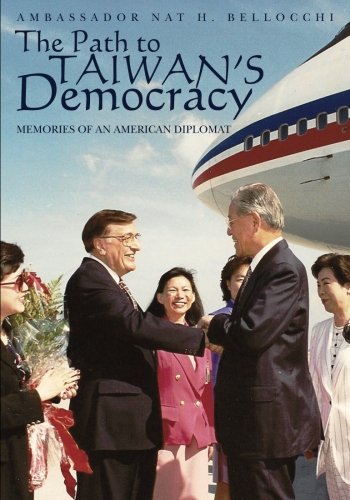
Preface: Taiwan's Path to Democracy.
1) After the War
When Japan surrendered in 1945, the Nationalist government took over everything Japan left behind in China: administrative offices, factories, machinery, weapons, granaries, businesses, bank assets, and railway equipment. In principle these were state assets. In practice the takeover (jieshou, 接收) became large-scale plunder by Nationalist officials and officers, so widespread that people punned on the word and called it jieshou (劫收), "robbery-takeover." Officials were mocked for "passing the five exams" (五子登科), acquiring gold, houses, cars, cash, and women.
The damage was worst in the Northeast. Manchuria had the most complete industrial base in China, and Japan left behind arsenals, steelworks, railways, and machinery on an enormous scale. The Nationalists had no roots there, and discipline was even harder to enforce. Soviet troops, who occupied the region from August 1945 into 1946, had already dismantled much of the heavy industry and shipped it to the Soviet Union, the Anshan steelworks above all. After the Nationalists arrived, much of what remained was misappropriated or sold off, and production collapsed. Japanese stockpiles in Shenyang and Changchun, including grain, cloth, medicine, industrial parts, military supplies, and everyday goods, were carted away, often unrecorded. Residents who expected the stores to be distributed found the warehouses empty. Prices soared and the black market boomed. Takeover officials moved into the best Japanese housing. Rail equipment, coal-mine machinery at places like Fushun and Benxi, and other strategic assets were stripped and sold, while wages went unpaid and workers were laid off.
The political cost was enormous. City residents saw corruption and disorder. Workers who lost wages and jobs became recruits for Communist labor organizing. Intellectuals, dismayed by the government's incompetence, began to look for change. In the countryside, the Communists built peasant associations and redistributed land. The land reform was violent, but it mobilized millions of peasants who now had something to fight for. The Nationalists, by contrast, relied on landlords and the baojia system of collective household surveillance, and their base kept shrinking.
The military collapse came in three campaigns. In the Liaoshen Campaign (September–November 1948), the Communists took Jinzhou and cut the Nationalist armies in the Northeast off from the south. The Nationalists lost about 470,000 men and all of Manchuria. In the Huaihai Campaign (November 1948–January 1949), they committed roughly 800,000 troops and lost about 550,000, including their best American-equipped units, and with them East and Central China. In the Pingjin Campaign, the Nationalist commander in the north, Fu Zuoyi, negotiated the surrender of Beiping in January 1949, and the city changed hands without a fight. Washington, which had first hoped for a Nationalist-Communist coalition, grew disillusioned with the Nationalists' corruption and ineffectiveness, and watched them lose despite American aid. In August 1949 the State Department's "China White Paper" effectively wrote them off.
Taiwan, 1945–1947
Taiwan had its own version of the takeover. After fifty years of Japanese rule, many Taiwanese greeted the arrival of the "motherland government" in 1945 with real hope. Within months it was gone. The administration of Chen Yi, the Chief Executive of Taiwan Province, was corrupt and unprofessional, the black market flourished, prices exploded, troops were undisciplined, and daily life deteriorated fast.
On the evening of February 27, 1947, near the Tianma Teahouse in Taipei, agents of the state Monopoly Bureau caught a widow named Lin Jiang-mai selling untaxed cigarettes. They beat her with a pistol butt. When a crowd surrounded them, one agent fired and killed a bystander, Chen Wen-xi. The next day, February 28, protesters marched on the Chief Executive's Office, where soldiers opened fire on the crowd. Demonstrators took over the Taiwan Broadcasting Station and broadcast the news across the island. Within days protests had spread to cities in the north, center, and south. Students, lawyers, doctors, and merchants joined. Local elites formed Settlement Committees and put forward demands for reform: provincial self-government, an end to military interference in civil administration, Taiwanese participation in government, investigations of corruption, and freedom of speech.
Chen Yi stalled. He appeared to negotiate while secretly cabling Nanjing for troops, and intelligence units compiled lists of "rebels," treating the Taiwanese elite as insurgents. Nanjing decided in early March to put down the unrest by force. From March 8, reinforcements, including the 21st Division, landed at Keelung and Kaohsiung. Troops searched street by street, arresting, executing, and disappearing suspects. The victims were not only protesters but doctors, teachers, lawyers, students, businessmen, local notables, journalists, and community organizers: anyone who might lead organized resistance. The effect, and plausibly the aim, was to remove Taiwan's local elite as a source of challenge. There is no official death toll. The Executive Yuan's 1992 research report estimated 18,000 to 28,000 dead; other estimates are lower.
The 228 Incident opened a rift between Taiwanese and mainlanders that entered collective memory as fear and resentment. With the local elite gone, mainland officials held all real power for decades, organized opposition disappeared, and a culture of fear took hold. In many families one rule was passed down: don't talk about politics.
The Retreat to Taiwan
The Nationalists' move to Taiwan was not sudden. It accelerated gradually from 1948 to 1950. Taiwan had railways, power plants, and schools built under Japanese rule, a working agricultural and industrial base, and the Taiwan Strait as a moat. As the war turned in late 1948, the government began shipping the Central Bank's gold reserves to Taiwan, along with treasures from the Palace Museum collection and national archives, in several batches from Nanjing and Shanghai. Parts of Academia Sinica and other research institutions moved as well. The government itself retreated in stages, from Nanjing to Guangzhou, Chongqing, and Chengdu, and in December 1949 it moved to Taipei. Remnant armies withdrew from Fujian, Guangdong, and Zhejiang to Penghu, Keelung, and Kaohsiung. Roughly a million or more soldiers, officials, teachers, police, technicians, scholars, and their families came to Taiwan between 1945 and the early 1950s. The intelligence services came with them.
Communist underground cells had also been spreading in Taiwan since 1947, through student clubs, labor groups, and underground propaganda. They were small, but enough to alarm the government. On May 19, 1949, the Taiwan Provincial Garrison Command declared martial law, effective the next day. It would last until July 15, 1987, thirty-eight years.
In June 1950 the Korean War broke out, and President Truman sent the U.S. Seventh Fleet into the Taiwan Strait. A Communist invasion was no longer feasible. The Nationalist government, a refugee regime months earlier, found itself a frontline Cold War ally. Without the Korean War, Taiwan might well have fallen, and martial law would not have lasted for decades.
2) Martial Law
Martial law was not a temporary emergency measure. It was a system of rule that reached into every part of life, giving the military, the intelligence services, and the government nearly unlimited power. Its surface was calm; underneath was repression. Constitutional rights were effectively suspended, military law took precedence, and national security became the highest law. Military courts tried civilians. Searches, arrests, and interrogations could happen without warrants. Every assembly, association, publication, and speech required permission, and anyone could be arrested for "endangering national security." Breaking the law was no longer an objective standard. It meant the state judging you dangerous.
At the center stood the Taiwan Garrison Command. It controlled censorship, household registration and travel, surveillance and interrogation, political control in schools and universities, the pursuit of underground organizations, and the prosecution of political cases. Household registration recorded each family's members, relations, occupations, and, according to memoirs and later research, political leanings. Universities and high schools had military instructors who monitored student clubs, vetted lectures and events, and reported "suspicious remarks." Factories, schools, and government offices had informants. Students and teachers learned not to trust one another.
Nothing public appeared freely. From 1951 no new newspaper licenses were issued and the number of pages was capped. Books, plays, films, songs, and even advertising copy could be banned, and publications from abroad were inspected at the border. Letters might be opened. Travel abroad was tightly restricted. People did not talk politics in public, and at home they lowered their voices. The Mandarin-only policy banned Taiwanese Hokkien, Hakka, and Indigenous languages in schools and public settings, and children were punished for speaking them. History teaching insisted that this was the Republic of China and that it would retake the mainland. Local memory, the experience of Japanese rule, and Taiwanese identity were systematically pushed aside.
Politically, martial law produced a party-state. Apart from the Kuomintang there were only two small "flower-vase" parties. Members of the national legislature, elected on the mainland in 1947–48, kept their seats for life because new national elections could not be held until the mainland was retaken. New parties were banned, elections were tightly managed, and the media answered to the party. Opponents were not debated. They were arrested.
Two cases show how the system worked. Lei Chen, co-founder of the magazine Free China (自由中國), was a moderate liberal who called for constitutional government, an end to corruption, and real democracy. In 1960, as he worked with Taiwanese local politicians to form an opposition party, he was arrested, charged with harboring a Communist spy and spreading sedition, and sentenced to ten years; the magazine was shut down. In the NTU Philosophy Department Incident (1972–1975), a campus forum on nationalism led to accusations that philosophy lecturers such as Chen Gu-ying and Wang Hsiao-po were spreading Communist ideas. Over three years, thirteen faculty members were dismissed or forced out. A 1993 investigation acknowledged the injustice. Some were reinstated around 1998. No one responsible was ever punished.
3) From Zhongli to Kaohsiung: The One-Party State Begins to Crack
On November 19, 1977, Taoyuan County held its election for county magistrate. Hsu Hsin-liang, expelled from the Kuomintang for running without its nomination, was popular locally, and the race drew national attention. That afternoon, voters at Polling Station 213 at Zhongli Elementary School accused the supervising official, the school's principal Fan-Chiang Hsin-lin, of spoiling ballots cast for Hsu. When a prosecutor arrived, he took away the people who had reported the fraud and left the principal in place. To the crowd, this was the courts and the administration protecting the ruling party.
The news spread fast through Zhongli. More residents came to the polling station, scuffles with police broke out, and by late afternoon stones were being thrown. The protest moved to the Zhongli police station, and by evening thousands of people surrounded it. For martial-law Taiwan, an election protest on this scale was almost unheard of. Some in the crowd stoned the station and wrecked police cars. Tear gas failed to disperse them. After seven that evening, police opened fire. Two people died: Chiang Wen-kuo, a student at National Central University, and Chang Chih-ping, a nineteen-year-old from Zhongli. Another young man was badly wounded. Who gave the order to fire, and who pulled the trigger, has never been settled and is now a subject of transitional justice investigations. Later that night the police withdrew, and the station was set on fire. The blaze destroyed the main building, the police dormitory, and nearby facilities.
Official reports called it a riot. Later scholarship sees the eruption of long-building grievances: unfair elections, failed legal process, a collapse of trust between government and citizens, and anger that authoritarian rule had kept down for years. The authorities let the result stand, and Hsu won decisively, with about 230,000 votes to his opponent's 140,000. Zhongli was the first large-scale postwar protest over election fraud, and it exposed how thin the legitimacy of Taiwan's "limited elections" had become. It is widely seen as the prelude to the Kaohsiung Incident and the street movements of the 1980s.
By the late 1970s, a loose opposition had formed outside the Kuomintang, known as the dangwai (黨外, "outside the party"): independent candidates, lawyers, journalists, and professors, along with local movements on the environment, labor, and language. Its central forum was Formosa (美麗島, Meilidao) magazine. On December 10, 1979, International Human Rights Day, the magazine organized a rally in Kaohsiung under the slogan of democracy and human rights. The authorities had refused a permit. Police sealed off the area, plainclothes agents mingled with the crowd, and the Garrison Command and intelligence units watched every dangwai leader. Thousands came from across the south. That evening, as leaders addressed the crowd, police moved in with tear gas and riot shields. Protesters fought back with sticks and stones, and dozens of people and police were injured.
The government called it a violent rebellion instigated by the Communists. Starting December 13, it raided the magazine's offices and arrested almost every dangwai leader. Eight were tried before a military court in the spring of 1980 on charges of sedition: Huang Hsin-chieh, Shih Ming-teh, Yao Chia-wen, Chang Chun-hung, Lin Yi-hsiung, Lin Hung-hsuan, Annette Lu, and Chen Chu. Dozens more were tried in civilian courts. American media, members of Congress, and human rights groups such as Amnesty International protested. The government, caught between keeping control and avoiding isolation, opened the military trial to the press, and newspapers printed the proceedings at length. Shih Ming-teh was sentenced to life, Huang Hsin-chieh to fourteen years, and the other six to twelve. The effect backfired. The public saw the democracy movement's leaders for the first time and heard their arguments in the newspapers. Several of the defense lawyers, including Chen Shui-bian, Frank Hsieh, and Su Tseng-chang, went on to lead the next generation of the movement. Repression had turned the defendants into symbols of democracy.
During the pretrial period, on February 28, 1980, the anniversary of the 228 Incident, Lin Yi-hsiung's mother and his seven-year-old twin daughters were stabbed to death in broad daylight at the family home in Taipei, which was under state surveillance at the time. His eldest daughter survived severe wounds. The killer has never been found, and many Taiwanese believe it was political intimidation. The following July, Chen Wen-chen, a Taiwanese assistant professor of statistics at Carnegie Mellon University who had supported the democracy movement from abroad, was taken in for questioning by the Garrison Command during a visit home. The next morning his body was found on the campus of National Taiwan University. The government called it suicide. The evidence never supported that.
The dangwai regrouped. Its members organized press conferences, legal teams, magazines, and campaign organizations. Formosa was banned, but its influence endured, and new magazines kept appearing, and being banned, as outlets for opposition thought. Then, on October 15, 1984, Henry Liu, a Chinese-American writer who had published a critical biography of Chiang Ching-kuo, was shot dead at his home in Daly City, California, by members of the Bamboo Union gang acting on orders from the director of Taiwan's Military Intelligence Bureau. The FBI traced the killing back to Taipei. It became one of the worst international scandals of the authoritarian era, provoking congressional hearings and heavy pressure from Washington. Chiang Ching-kuo had to rein in and reorganize the intelligence services, and the reformers inside the party gained ground.
4) Chiang Ching-kuo and the Road to Reform
Chiang Ching-kuo was born in 1910 in Xikou, Fenghua, the son of Chiang Kai-shek and his first wife, Mao Fumei. In 1925, at fifteen, he went to study at Sun Yat-sen University in Moscow, a school for training Chinese revolutionary cadres, where he received a Marxist-Leninist education. When his father broke with the Communists in 1927, he publicly denounced him, and Stalin kept him in the Soviet Union as a kind of hostage for twelve years. He did factory work, was sent to a collective farm and to Siberia, lived in poverty, and saw Soviet totalitarianism from the inside. The experience gave him a deep understanding of intelligence services, a belief in tight organization, acute sensitivity to power, and distrust of political idealism. In 1935 he married a Russian factory worker, Faina Vakhreva, who later went with him to Taiwan and lived a notably quiet life as Chiang Fang-liang.
He returned to China in 1937. From 1939 he ran the Gannan region of southern Jiangxi, where his "New Gannan" program of iron-handed reform made his reputation, both admiring and fearful. In 1948 he led a failed campaign in Shanghai against inflation and profiteering. In Taiwan in the 1950s and 1960s, he oversaw the intelligence and security apparatus. He was not solely responsible, but he was at the top of it, and the machinery of the White Terror, arrests without explanation, torture, and military trials, was closely tied to his security strategy.
He was also a driver of Taiwan's economic development. He brought his Soviet-style cadre management to industrialization, recruited technocrats, launched the Ten Major Construction Projects in highways, ports, power, and heavy industry, promoted export-led growth, and cracked down on corruption. The combination of political control and technocratic management helped Taiwan grow fast. But he also consolidated the party-state, controlled the media, refused to hold elections for the national legislature, suppressed the dangwai, and kept martial law in place. He became premier in 1972, was effectively in charge after his father's death in 1975, and became president in 1978.
The decisions of his last years changed Taiwan's history. The Kaohsiung Incident showed him that Taiwanese society had modernized and its urban middle class had awakened, and that more repression would only deepen the crisis. The Henry Liu killing brought American fury down on the security services. He also knew that he was ill and that no Chiang would follow him. To keep the regime alive after him, and to keep the Kuomintang from being swept away, he chose to release the pressure, control the pace of change, rebuild the party's legitimacy, bring Taiwanese and social forces into politics, and repair Taiwan's image abroad. These motives carried him toward an outcome he may never have intended: institutional democracy.
On September 28, 1986, dangwai leaders met at the Grand Hotel in Taipei. The meeting had been called to endorse candidates for the December legislative elections, and the ban on new parties was still in force. Instead, those present voted to found a party, the Democratic Progressive Party. About 130 people signed on. Reporters were there, security agents watched from nearby, and no one was arrested. Technically the act was illegal. The government chose to let it stand. On November 10, 1986, at its first party congress, the DPP adopted its charter and platform, built around democratic constitutional government, human rights, political reform, and local self-rule, and elected its first chairman, the human rights lawyer Chiang Peng-chien.
5) The End of Martial Law
The pressures that ended martial law had been building since the early 1970s.
On October 25, 1971, the UN General Assembly passed Resolution 2758, recognizing the People's Republic of China as "the only legitimate representative of China to the United Nations" and expelling "the representatives of Chiang Kai-shek." The resolution did not address Taiwan's legal status. It settled the question of representation, not sovereignty. But the Republic of China lost its seats in the UN system. This was the result of several shifts at once. Decolonization had brought dozens of new Asian and African states into the UN, changing it from a body centered on the wartime Allies into one with a Third World majority, and many of these states recognized Beijing. At the same time, the Cold War was shifting. Mired in Vietnam and seeing the Sino-Soviet split, the United States wanted Beijing as a counterweight to Moscow. In July 1971, during a visit to Pakistan, Henry Kissinger slipped away to Beijing in secret to meet Zhou Enlai, keeping the trip hidden from most of the State Department, from Taipei, and from most allies. The ROC government, for its part, refused compromises such as dual representation or a seat for "Taiwan" alone. In Chiang Kai-shek's logic, giving up the claim to represent China meant giving up the regime's legitimacy, so it was better to leave. The ROC withdrew before the final vote.
In February 1972, Richard Nixon visited China and met Mao Zedong. In the Shanghai Communiqué, the United States "acknowledges that all Chinese on either side of the Taiwan Strait maintain there is but one China and that Taiwan is a part of China," and stated that it "does not challenge that position." The careful wording left Washington room to maneuver. On January 1, 1979, the United States established diplomatic relations with the PRC and cut them with the ROC, replacing formal ties with the Taiwan Relations Act that April.
Together, these blows knocked out the three pillars of the regime's official story: that it represented China, that it had a historic mission to retake the mainland, and that the world would stand with it in the end. The state survived, but for the first time society had to face the question of whom the government represented, and on what basis. If it no longer represented China, what gave it the right to govern Taiwan? Legitimacy began to shift from being "the lawful government of China" to whether the government answered to the society it actually ruled.
American policy was changing too. In the 1950s and 1960s, Washington judged allies mainly by whether they were anti-Communist. Military dictatorship, decades of martial law, and systematic repression were overlooked in Taiwan, South Korea, the Philippines, and South Vietnam alike. In the 1970s, defeat in Vietnam, Watergate, and the civil rights movement changed American political culture. Suspicion of abuses of power rose, and human rights became a working language of foreign policy. Congress began requiring annual State Department human rights reports on countries receiving aid, and the Carter administration made human rights an explicit part of its diplomacy. This was less a moral awakening than a change in political culture and in how government worked. For Taiwan it meant American support was no longer unconditional. Repression now had diplomatic costs, and political prisoners came up in bilateral talks. The international outcry over the Kaohsiung trial would have been unthinkable in the 1950s. Chiang Ching-kuo's government came to understand that the United States would no longer underwrite harsh rule, and that continued repression would only shrink Taiwan's room in the world.
Taiwan's own society had also changed. From the 1960s it turned to export-led industrialization, drawing in foreign capital and building up manufacturing, with the Kaohsiung Export Processing Zone, opened in 1966, as the model. The state controlled land, credit, and labor, kept wages low, and kept unions weak, trading political stability for growth. The model worked in the short run but transformed society in the long run. Farming gave way to industry, young people moved to the cities, and the influence of clans and local notables faded. Factories, industrial parks, and office work replaced ties of blood and place with professional and social networks. People lived on wages and skills, not political loyalty or state patronage.
A middle class grew up: engineers, civil servants, teachers, technicians, office workers. They did not depend on backroom politics and did not want revolution, but they found total control harder and harder to accept. They wanted predictable rules, professional dignity, and room to speak. The expansion of education reinforced this. More universities opened, and large numbers of students went to the United States and Europe, where they saw elections, civil society, and free speech. Even those who never opposed the regime knew the world did not have to work this way.
Between 1980 and 1987, the loosening was already happening in practice. Political prisoners had sentences reduced or were released, the security services stopped sweeping arrests, and not every opposition magazine was banned. The DPP's founding in 1986, and the government's decision to tolerate it, showed that the boundaries had moved. In October 1986, Chiang Ching-kuo told Washington Post publisher Katharine Graham that martial law would be lifted. On July 15, 1987, it formally ended after thirty-eight years, at the time the longest period of martial law in the world. It was replaced by a National Security Law that kept some restrictions. On January 1, 1988, the ban on new newspapers was lifted, and within weeks new papers appeared and different political positions could be argued in public. Chiang Ching-kuo died on January 13, 1988. By then the government no longer held a monopoly on explaining reality, and authoritarian rule had lost its final hold over the story Taiwanese society told about itself. 🇹🇼
前言:台湾的民主之路。
1)战后
1945年日本投降时,国民政府接收了日本在中国留下的所有东西:行政机关、工厂、机械、武器、粮仓、企业、银行资产和铁路设备。原则上这些都是国有资产。实际上,这场"接收"演变成国民党官员和军官的大规模掠夺,猖獗到人们拿这个词开玩笑,称之为"劫收"。官员们被讥讽为"五子登科"——金子、房子、车子、票子、女子。
破坏最严重的是东北。满洲拥有中国最完整的工业基础,日本留下了规模惊人的兵工厂、钢铁厂、铁路和机械。国民党在那里没有根基,纪律更难执行。1945年8月至1946年占领该地区的苏军已经拆走了大部分重工业并运回苏联,鞍山钢铁厂首当其冲。国民党到来之后,剩下的大部分也被挪用或变卖,生产崩溃。沈阳和长春的日军囤积物资——粮食、布匹、药品、工业零件、军需品和日用品——被一车车拉走,往往没有记录。指望这些物资能分发给百姓的居民发现仓库空空如也。物价飞涨,黑市兴旺。接收官员住进了最好的日本人住宅。抚顺、本溪等地的铁路设备、煤矿机械等战略资产被拆走变卖,工资发不出来,工人被解雇。
政治代价是巨大的。城市居民看到了腐败和混乱。失去工资和工作的工人成为共产党劳工组织的招募对象。对政府无能失望的知识分子开始寻求改变。在农村,共产党建立农民协会,重新分配土地。土改是暴力的,但它动员了数百万如今有了奋斗目标的农民。国民党则依靠地主和保甲制度(集体连坐的户籍监视制度),其基础不断缩小。
军事崩溃发生在三大战役中。辽沈战役(1948年9月至11月),共产党攻克锦州,切断了东北国民党军队与南方的联系。国民党损失约47万人和整个满洲。淮海战役(1948年11月至1949年1月),国民党投入约80万兵力,损失约55万,包括他们最精锐的美械部队,以及华东和中原。平津战役中,北方国民党指挥官傅作义于1949年1月谈判投降北平,城市和平易手。华盛顿起初希望国共联合执政,对国民党的腐败和无能逐渐失望,眼看着他们在美国援助下仍然失败。1949年8月,国务院《中国白皮书》实际上宣布放弃他们。
台湾,1945–1947
台湾有自己的接收版本。经过五十年的日本统治,许多台湾人在1945年以真正的希望迎接"祖国政府"的到来。几个月内,希望荡然无存。台湾省行政长官陈仪的政府腐败无能,黑市猖獗,物价飞涨,军队纪律涣散,日常生活迅速恶化。
1947年2月27日晚,在台北天马茶房附近,专卖局查缉员抓到寡妇林江迈贩卖私烟,用枪托殴打她。当人群包围他们时,一名查缉员开枪打死旁观者陈文溪。次日,2月28日,抗议者游行到行政长官公署,士兵向人群开火。示威者占领台湾广播电台,向全岛广播消息。几天内,抗议蔓延到北部、中部和南部的城市。学生、律师、医生和商人加入。地方精英组成"处理委员会",提出改革要求:省自治、结束军队干预民政、台湾人参与政府、调查腐败、言论自由。
陈仪拖延。他表面谈判,暗中向南京发电报请求派兵,情报单位编制"叛乱分子"名单,把台湾精英当作叛乱者对待。南京在3月初决定武力镇压。从3月8日起,援军(包括第21师)在基隆和高雄登陆。军队逐街搜查,逮捕、处决、让嫌疑人"失踪"。受害者不仅是抗议者,还有医生、教师、律师、学生、商人、地方名流、记者和社区组织者:任何可能领导有组织抵抗的人。效果——很可能也是目的——是铲除台湾地方精英这一挑战来源。没有官方死亡数字。行政院1992年的研究报告估计死亡18,000至28,000人;其他估计较低。
二二八事件在台湾人与外省人之间撕开了一道裂痕,进入集体记忆,成为恐惧与怨恨。随着地方精英消失,大陆来的官员几十年来掌握一切实权,有组织的反对消失,恐惧文化扎根。许多家庭传下一条家规:不谈政治。
退守台湾
国民党迁往台湾并非一夜之间。从1948年到1950年逐渐加速。台湾有日本统治时期修建的铁路、发电厂和学校,有运转中的农业和工业基础,还有台湾海峡作为护城河。1948年末战局逆转时,政府开始把中央银行的黄金储备运往台湾,还有故宫博物院藏品和国家档案,分几批从南京和上海运出。中央研究院部分机构和其他研究机构也迁往台湾。政府本身分阶段撤退,从南京到广州、重庆、成都,1949年12月迁往台北。残军从福建、广东、浙江撤往澎湖、基隆和高雄。1945年至1950年代初,约一百万或更多的军人、官员、教师、警察、技术人员、学者及其家属来到台湾。情报机构也随之而来。
共产党地下组织自1947年起也在台湾蔓延,通过学生社团、劳工团体和地下宣传。规模很小,但足以让政府警觉。1949年5月19日,台湾省警备总司令部宣布戒严,次日生效。这场戒严持续到1987年7月15日,长达三十八年。
1950年6月朝鲜战争爆发,杜鲁门总统派美国第七舰队进入台湾海峡。共产党入侵不再可行。几个月前还是流亡政权的国民党政府,一转身成了冷战前线的盟友。没有朝鲜战争,台湾很可能已经陷落,戒严也不会持续几十年。
2)戒严
戒严不是临时紧急措施。它是一套统治体系,触及生活的每个角落,赋予军队、情报机构和政府近乎无限的权力。表面平静,底下是镇压。宪法权利实际上被中止,军法优先,国家安全成为最高法律。军事法庭审判平民。搜查、逮捕和审讯可以不经令状进行。一切集会、结社、出版和言论都需要许可,任何人都可能因"危害国家安全"被捕。违法不再是客观标准,而是国家判定你危险。
中心是台湾警备总司令部。它掌管审查、户籍和旅行管制、监视与审讯、学校和大学的政治控制、追查地下组织、审理政治案件。户籍登记每个家庭的成员、关系、职业,据回忆录和后来的研究,还包括政治倾向。大学和中学的军训教官监视学生社团,审查讲座和活动,汇报"可疑言论"。工厂、学校和政府机关都有线民。学生和老师学会了互不信任。
公开场合没有任何东西可以自由出现。从1951年起不再发放新的报纸执照,报纸版数受限。书籍、戏剧、电影、歌曲乃至广告文案都可能被禁,国外出版物在边境受检。信件可能被拆开。出国旅行受到严格限制。人们不在公共场合谈政治,在家里也压低声音。国语政策禁止台语、客家话和原住民语言在学校和公共场合使用,孩子说这些话会受罚。历史教学坚持这里是中华民国,终将反攻大陆。地方记忆、日本统治的经验和台湾认同被系统地边缘化。
政治上,戒严造就了一个党国。除了国民党,只有两个小小的"花瓶政党"。1947–48年在大陆选出的国会议员终身任职,因为在"光复大陆"之前无法举行新的全国选举。新政党被禁,选举被严密操控,媒体听命于党。反对者不被辩论,只被逮捕。
两个案例说明这套体系如何运作。雷震,《自由中国》杂志的共同创办人,是温和的自由主义者,主张宪政、反腐和真正的民主。1960年,当他与台湾地方政治人物合作筹组反对党时被捕,被控窝藏共谍和散布煽动言论,判刑十年;杂志被查封。在台大哲学系事件(1972–1975)中,一场关于民族主义的校园论坛引发指控,称陈鼓应、王晓波等哲学讲师散布共产主义思想。三年间,十三名教师被解聘或被迫离职。1993年的一项调查承认了这场不公。一些人在1998年前后复职。从未有人为此负责。
3)从中坜到高雄:一党国家开始松动
1977年11月19日,桃园县举行县长选举。许信良因未经国民党提名参选被开除党籍,在地方上很受欢迎,选情引起全国关注。当天下午,中坜国小第213号投票所的选民指控监选主任——该校校长范姜新林——弄坏投给许信良的选票。检察官到场后,带走了检举舞弊的人,却把校长留在原位。在围观群众看来,这是法院和行政机关在保护执政党。
消息在中坜迅速传开。更多居民来到投票所,与警察发生推挤,到傍晚已有人扔石头。抗议转移到中坜分局,入夜后数千人包围了警局。对戒严下的台湾来说,如此规模的选举抗议几乎闻所未闻。人群中有人向警局扔石头,砸毁警车。催泪瓦斯驱散不了他们。当晚七点后,警察开枪。两人死亡:中央大学学生江文国和十九岁的中坜青年张治平。另一名年轻人重伤。是谁下令开枪、谁扣动扳机,至今没有定论,如今是转型正义调查的对象。当晚稍后警察撤离,警局被纵火。火灾烧毁了主楼、警察宿舍和附近设施。
官方报告称之为暴动。后来的研究看到的是长期积怨的爆发:不公的选举、失效的法律程序、政府与民众之间信任的崩塌,以及威权统治多年压抑的愤怒。当局让选举结果维持有效,许信良以约23万票对14万票大胜。中坜是战后第一次因选举舞弊引发的大规模抗议,暴露了台湾"有限选举"合法性的脆弱。它被广泛视为高雄事件和1980年代街头运动的前奏。
到1970年代末,国民党之外形成了一个松散的反对派,称为"党外":独立候选人、律师、记者和教授,还有环保、劳工和语言等地方运动。其主要论坛是《美丽岛》杂志。1979年12月10日国际人权日,杂志以民主和人权为口号在高雄组织集会。当局拒绝发给许可。警察封锁现场,便衣混入人群,警备总部和情报单位监视每一位党外领袖。数千人从南部各地赶来。当晚,领袖们向群众演讲时,警察施放催泪瓦斯,持盾牌推进。抗议者以棍棒和石头还击,数十名民众和警察受伤。
政府称之为共产党煽动的暴力叛乱。从12月13日起,政府搜查杂志办公室,逮捕了几乎所有党外领袖。八人于1980年春被送上军事法庭,以煽动罪受审:黄信介、施明德、姚嘉文、张俊宏、林义雄、林弘宣、吕秀莲和陈菊。数十人另在普通法院受审。美国媒体、国会议员和国际特赦组织等人权团体提出抗议。政府在维持控制与避免孤立之间两难,开放军事审判让媒体采访,报纸长篇刊登审判过程。施明德被判无期徒刑,黄信介十四年,其余六人十二年。效果适得其反。公众第一次在报纸上看到民主运动的领袖,听到他们的论点。几位辩护律师,包括陈水扁、谢长廷和苏贞昌,后来领导了运动的下一代。镇压把被告变成了民主的象征。
审前羁押期间,1980年2月28日——二二八事件周年日——林义雄的母亲和他七岁的双胞胎女儿在台北家中光天化日之下被刺死,当时他家正处于国家监视之下。他的大女儿身受重伤幸存。凶手从未找到,许多台湾人相信这是政治恐吓。同年7月,在卡内基梅隆大学任统计学助理教授、从海外支持民主运动的台湾人陈文成,回国探亲期间被警备总部带走问话。次日清晨,他的尸体在台湾大学校园内被发现。政府称是自杀。证据从不支持这种说法。
党外重整旗鼓。其成员组织记者会、法律团队、杂志和竞选组织。《美丽岛》被禁,但其影响长存,新的杂志不断出现又不断被禁,成为反对思想的出口。接着,1984年10月15日,出版过批评蒋经国传记的美籍华裔作家刘宜良(江南)在加州戴利城家中被枪杀,凶手是竹联帮成员,受台湾军事情报局局长指使。FBI把这起谋杀追查到台北。这是威权时代最严重的国际丑闻之一,引发国会听证和华盛顿的巨大压力。蒋经国不得不整顿和改组情报机构,党内改革派得势。
4)蒋经国与改革之路
蒋经国1910年生于浙江奉化溪口,是蒋介石与原配毛福梅之子。1925年,十五岁的他赴莫斯科中山大学学习——一所培养中国革命干部的学校——接受马克思列宁主义教育。1927年父亲与共产党决裂后,他公开谴责父亲,斯大林把他留在苏联当了十二年人质。他做过工厂工人,被送到集体农庄和西伯利亚,生活贫困,从内部见识了苏联极权主义。这段经历让他深刻理解情报机构,相信严密组织,对权力极度敏感,不信任政治理想主义。1935年他与俄罗斯女工法伊娜·瓦赫列娃结婚,她后来随他到台湾,以蒋方良之名过着极为低调的生活。
他1937年回国。从1939年起主持江西南部赣南地区,"新赣南"的铁腕改革让他声名鹊起,既令人钦佩也令人畏惧。1948年他在上海领导打击通货膨胀和囤积居奇的行动失败。1950、60年代在台湾,他主管情报与安全机构。他并非唯一的责任人,但他站在顶端,白色恐怖的机器——无故逮捕、酷刑、军事审判——与他的安全战略密切相关。
他也是台湾经济发展的推手。他把苏联式的干部管理带进工业化,延揽技术官僚,推出十大建设——高速公路、港口、电力和重工业——推动出口导向增长,打击腐败。政治控制加技术官僚管理的组合帮助台湾高速增长。但他也巩固了党国,控制媒体,拒绝改选国会,压制党外,维持戒严。他1972年任行政院长,1975年父亲去世后实际掌权,1978年任总统。
他晚年的决定改变了台湾历史。高雄事件让他看到台湾社会已经现代化,城市中产阶级已经觉醒,更多镇压只会加深危机。江南案把美国的怒火引向安全机构。他也知道自己病重,不会再有蒋家人接班。为了让他身后政权延续,为了不让国民党被扫进历史,他选择松绑、控制变革节奏、重建党的合法性、把台湾人和社会力量带进政治、修复台湾的国际形象。这些动机把他推向一个他可能从未打算的结局:制度化的民主。
1986年9月28日,党外领袖在台北圆山饭店聚会。会议本是为12月立委选举背书候选人,新政党禁令仍然有效。但与会者投票决定组党——民主进步党。约130人签署。记者在场,安全人员在附近监视,无人被捕。技术上这是违法行为。政府选择默认。1986年11月10日,在第一次党代表大会上,民进党通过党章和党纲,以民主宪政、人权、政治改革和地方自治为核心,选出第一任主席——人权律师江鹏坚。
5)戒严的终结
终结戒严的压力自1970年代初就已累积。
1971年10月25日,联合国大会通过第2758号决议,承认中华人民共和国为"中国在联合国的唯一合法代表",驱逐"蒋介石的代表"。决议没有处理台湾的法律地位。它解决的是代表权问题,不是主权问题。但中华民国失去了在联合国体系中的席位。这是几股变化同时作用的结果。非殖民化让数十个新的亚非国家进入联合国,使其从以战时同盟为中心的机构变成第三世界占多数的机构,其中许多国家承认北京。同时,冷战格局在变。深陷越南、看到中苏分裂的美国,想把北京拉来制衡莫斯科。1971年7月,亨利·基辛格在访问巴基斯坦期间秘密溜往北京会见周恩来,对国务院多数人、对台北、对多数盟友都瞒着。中华民国政府则拒绝双重代表或单独"台湾"席位等妥协方案。在蒋介石的逻辑里,放弃代表中国的宣称就等于放弃政权的合法性,不如退出。中华民国在最后表决前主动退出。
1972年2月,理查德·尼克松访华,会见毛泽东。在《上海公报》中,美国"认知到海峡两岸的所有中国人都坚持只有一个中国,台湾是中国的一部分",并表示"美国不对这一立场提出异议"。谨慎的措辞为华盛顿留下回旋余地。1979年1月1日,美国与中华人民共和国建交,与中华民国断交,同年4月以《台湾关系法》取代正式关系。
这些打击一起敲掉了政权官方叙事的三大支柱:它代表中国,它有反攻大陆的历史使命,世界最终会站在它一边。国家机器还在,但社会第一次不得不面对这个问题:政府代表谁,凭什么。合法性开始从"是中国的合法政府"转向政府是否对它实际统治的社会负责。
美国的政策也在变。1950、60年代,华盛顿评判盟友主要看是否反共。军事独裁、几十年的戒严和系统性镇压,在台湾、韩国、菲律宾和南越都被忽视。1970年代,越南战败、水门事件和民权运动改变了美国的政治文化。对权力滥用的警惕上升,人权成为外交的工作语言。国会开始要求国务院对受援国提交年度人权报告,卡特政府把人权明确纳入外交。这与其说是道德觉醒,不如说是政治文化和政府运作方式的变化。对台湾而言,这意味着美国的支持不再无条件。镇压有了外交代价,政治犯成为双边会谈的议题。对高雄审判的国际抗议在1950年代是不可想象的。蒋经国政府逐渐明白,美国不会再为严酷统治背书,持续镇压只会压缩台湾在世界上的空间。
台湾社会本身也变了。从1960年代起转向出口导向工业化,引进外资,发展制造业,以1966年开辟的高雄加工出口区为样板。国家控制土地、信贷和劳工,压低工资,压制工会,用政治稳定换增长。这个模式短期有效,长期改变了社会。农业让位给工业,年轻人进城,宗族和地方头人的影响消退。工厂、工业区和办公室工作以职业和社会网络取代血缘和地缘。人们靠工资和技能生活,不靠政治忠诚或国家恩庇。
中产阶级成长起来:工程师、公务员、教师、技术员、职员。他们不依赖密室政治,不想要革命,但越来越难以接受全面控制。他们要可预期的规则、职业尊严和说话的空间。教育的扩张强化了这一点。更多大学开办,大批学生赴美欧留学,看到选举、公民社会和言论自由。即使从未反对政权的人也知道,世界不必如此运作。
1980至1987年间,松动在实践中已经发生。政治犯减刑或释放,安全机构不再大举逮捕,不是每本反对杂志都被禁。1986年民进党成立、政府决定容忍,显示边界已经移动。1986年10月,蒋经国告诉《华盛顿邮报》发行人凯瑟琳·格雷厄姆,戒严即将解除。1987年7月15日,戒严正式结束,长达三十八年,当时是世界上持续时间最长的戒严。取而代之的《国家安全法》保留了一些限制。1988年1月1日,报禁解除,几周内新报纸出现,不同的政治立场可以在公开场合辩论。蒋经国于1988年1月13日去世。到那时,政府不再垄断对现实的解释,威权统治对台湾社会讲述自身故事的最后掌控也已失去。🇹🇼
序文:台湾の民主化への道。
1)戦後
1945年に日本が降伏すると、国民政府は日本が中国に残したあらゆるものを接収した。行政機関、工場、機械、武器、穀物倉庫、企業、銀行資産、鉄道設備である。建前上はこれらは国有資産であった。しかし実際には、接収(jieshou、接收)は国民党の官僚や将校による大規模な略奪と化し、その横行ぶりは人々がその言葉をもじって劫収(jieshou、「強奪的接収」)と呼ぶほどであった。官僚たちは「五子登科」、すなわち金・家・車・現金・女を手に入れることをもじって嘲笑された。
被害が最も甚大だったのは東北地方である。満洲は中国で最も完備した工業基盤を有し、日本は兵器廠、製鉄所、鉄道、機械を膨大な規模で残していった。国民政府は当地に基盤を持たず、規律の維持はさらに困難であった。1945年8月から1946年にかけて同地域を占領したソ連軍は、すでに重工業の多くを解体し、とりわけ鞍山製鉄所をソ連へ運び去っていた。国民政府の到来後、残されたものの多くは横領あるいは売却され、生産は崩壊した。瀋陽や長春における日本の備蓄物資――穀物、布、医薬品、工業部品、軍需物資、日用品――は、しばしば記録も残されずに運び去られた。備蓄の分配を期待した住民が見たのは、空っぽの倉庫であった。物価は高騰し、闇市場は活況を呈した。接収官僚たちは日本人が残した最良の住宅に入り込んだ。撫順や本渓などの炭鉱機械をはじめ、鉄道設備やその他の戦略物資は剥ぎ取られて売却され、一方で賃金は未払いのまま労働者は解雇された。
政治的代償は甚大であった。都市住民は腐敗と混乱を目の当たりにした。賃金と職を失った労働者は、共産党の労働者組織化の格好の対象となった。政府の無能に失望した知識人は、変革を求め始めた。農村では、共産党が農民協会を組織し、土地を再分配した。土地改革は暴力的であったが、何百万もの農民を動員し、彼らに戦うべきものを与えた。これに対し国民党は地主と保甲制度(戸籍による相互監視制度)に依存し、その基盤は縮小し続けた。
軍事的崩壊は三つの戦役によってもたらされた。遼瀋戦役(1948年9月~11月)では、共産党が錦州を奪取し、東北の国民党軍を南方から切り離した。国民党は約47万人の兵力を失い、満洲全土を失った。淮海戦役(1948年11月~1949年1月)では、約80万の兵力を投入して約55万を失い、アメリカの装備を受けた精鋭部隊を含め、華東・華中を失った。平津戦役では、北方の国民党軍司令官傅作義が1949年1月に北平の降伏を交渉し、同市は戦火を交えることなく主を変えた。当初は国共連合を望んでいたワシントンも、国民党の腐敗と無能に失望し、アメリカの援助にもかかわらず敗北していく様を見守った。1949年8月、国務省の「中国白書」は事実上国民党を見限った。
台湾、1945~1947年
台湾にも独自の接収劇があった。50年にわたる日本統治の後、1945年に「祖国政府」が到来した際、多くの台湾人は真の希望をもって迎えた。それは数か月のうちに消え去った。台湾省行政長官陳儀の行政は腐敗して非専門的であり、闇市場は栄え、物価は爆発し、軍隊の規律は乱れ、日常生活は急速に悪化した。
1947年2月27日の夕刻、台北の天馬茶房付近で、専売局の取締官が無税タバコを売っていた未亡人林江邁を捕らえ、拳銃の柄で殴打した。群衆が取り囲むと、取締官の一人が発砲し、傍観者の陳文渓が死亡した。翌2月28日、抗議者が長官公署へ行進すると、兵士が群衆に発砲した。デモ隊は台湾放送局を占拠し、ニュースを全島に放送した。数日のうちに抗議は北・中・南の各都市へ広がった。学生、弁護士、医師、商人が加わった。地方の有力者たちは処理委員会を組織し、改革要求を掲げた。省自治、軍の民政への干渉の終結、台湾人の政治参加、腐敗の調査、言論の自由である。
陳儀は時間稼ぎをした。交渉に応じるふりをしながら、密かに南京へ増援を要請し、情報機関は「叛乱者」の名簿を作成して台湾のエリートを反乱分子扱いした。南京は3月初旬に武力鎮圧を決定した。3月8日から、第21師団を含む増援部隊が基隆と高雄に上陸した。軍隊は街路を一本ずつ捜索し、容疑者を逮捕・処刑・失踪させた。犠牲者は抗議者だけでなく、医師、教師、弁護士、学生、実業家、地方名士、記者、地域の組織者、すなわち組織的抵抗を率い得る者すべてであった。その効果は、そしておそらく狙いも、台湾の地方エリートを挑戦の芽として除去することにあった。公式の死者数は存在しない。行政院の1992年の調査報告は1万8000人から2万8000人と推計し、他の推計はより低い。
二二八事件は、台湾人と外省人の間に、恐怖と憤懣として集合的記憶に刻まれる亀裂を開いた。地方エリートを失い、本土出身の官僚が数十年にわたり実権を独占し、組織的反対は姿を消し、恐怖の文化が根づいた。多くの家庭では一つの掟が受け継がれた。政治の話はするな、と。
台湾への撤退
国民党の台湾への移動は突発的なものではなかった。1948年から1950年にかけて徐々に加速した。台湾には日本統治下に建設された鉄道、発電所、学校があり、機能する農業・工業基盤と、堀としての台湾海峡があった。1948年後半に戦局が傾くと、政府は中央銀行の金準備を台湾へ輸送し始め、故宮博物院の収蔵品や国家档案などの公文書も、南京と上海から数次に分けて運ばれた。中央研究院の一部や他の研究機関も移転した。政府自体は段階的に撤退し、南京から広州、重慶、成都へと移り、1949年12月に台北へ移った。残存部隊は福建、広東、浙江から澎湖、基隆、高雄へ撤退した。1945年から1950年代初頭にかけて、およそ100万人以上の兵士、官僚、教師、警察、技術者、学者とその家族が台湾へ渡った。情報機関も共に来た。
共産党の地下細胞も、1947年以降、学生クラブ、労働者グループ、地下宣伝を通じて台湾に広がっていた。小規模ではあったが、政府を警戒させるには十分であった。1949年5月19日、台湾省警備総司令部は戒厳令を布告し、翌日から施行した。それは1987年7月15日まで、38年間続くことになる。
1950年6月に朝鮮戦争が勃発すると、トルーマン大統領は米第7艦隊を台湾海峡に派遣した。共産党の侵攻はもはや不可能となった。数か月前には亡命政権であった国民政府は、一転して冷戦の最前線の同盟国となった。朝鮮戦争がなければ、台湾は陥落していたかもしれず、戒厳令が数十年続くこともなかったであろう。
2)戒厳令
戒厳令は一時的な緊急措置ではなかった。それは生活のあらゆる部分に及ぶ統治の体系であり、軍、情報機関、政府にほぼ無制限の権力を与えた。その表面は平穏であり、下には抑圧があった。憲法上の権利は事実上停止され、軍法が優先し、国家安全が最高の法となった。軍法会議が民間人を裁いた。令状なしの捜索、逮捕、尋問が行われ得た。あらゆる集会、結社、出版、言論は許可を要し、「国家安全を害する」として誰でも逮捕され得た。法を破るとは、もはや客観的な基準ではなかった。国家がお前を危険と判断することを意味した。
その中心に立ったのが台湾警備総司令部である。検閲、戸籍・渡航管理、監視・尋問、学校・大学における政治統制、地下組織の追及、政治事件の訴追を掌握した。戸籍は各家族の構成員、関係、職業を記録し、回顧録や後の研究によれば政治的傾向までも記録した。大学や高校には軍訓教官が置かれ、学生クラブを監視し、講演や行事を審査し、「不穏な発言」を報告した。工場、学校、官庁には密告者がいた。学生も教師も互いを信じないことを学んだ。
公の場に自由に現れるものは何もなかった。1951年以降、新規の新聞発行許可は出されず、ページ数も制限された。書籍、演劇、映画、歌謡、果ては広告文案まで発禁となり得、海外からの出版物は国境で検査された。手紙は開封されることもあった。海外渡航は厳しく制限された。人々は公の場で政治を語らず、家庭でも声を潜めた。国語(北京語)のみ政策は、学校や公の場で台湾語(閩南語)、客家語、先住民諸語を禁じ、子どもたちはそれらを話すと罰せられた。歴史教育は、ここが中華民国であり、いずれ大陸を奪回すると説いた。郷土の記憶、日本統治の経験、台湾人としてのアイデンティティは、組織的に周縁へ追いやられた。
政治的には、戒厳令は党国体制を生んだ。国民党のほかには二つの小さな「花瓶政党」しか存在しなかった。1947~48年に大陸で選出された国会議員は、大陸奪回まで新たな全国選挙が実施できないという理由で終身在職した。新党は禁じられ、選挙は厳密に管理され、メディアは党に従った。反対者は論争の相手ではなかった。逮捕される存在であった。
二つの事件がこの体制の仕組みを示している。雑誌『自由中国』の共同創刊者である雷震は、憲政、腐敗の撲滅、真の民主主義を訴えた穏健な自由主義者であった。1960年、台湾の地方政治家らと野党結成に動いていた彼は逮捕され、共産主義スパイの匿いと内乱扇動の罪で起訴され、懲役10年の判決を受けた。雑誌は廃刊となった。台湾大学哲学系事件(1972~1975年)では、ナショナリズムをめぐる学内討論会をきっかけに、陳鼓応や王暁波ら哲学系教員が共産主義思想を広めていると非難された。3年の間に13人の教員が解雇あるいは追放された。1993年の調査は不正を認めた。一部は1998年頃に復職した。責任を問われた者は一人もいなかった。
3)中壢から高雄へ:一党国家に亀裂が入り始める
1977年11月19日、桃園県で県長選挙が行われた。国民党の公認を得ずに出馬して除名された許信良は地元で人気があり、この選挙は全国の注目を集めた。その日の午後、中壢国民小学の第213投票所で、投票管理責任者である同校校長の范姜新林が許への投票を無効票扱いにしたと有権者が非難した。検察官が到着すると、彼は不正を告発した人々を連行し、校長はそのままに置いた。群衆にとって、これは司法と行政が与党を庇っていることを意味した。
この知らせは中壢に瞬く間に広がった。さらに多くの住民が投票所に集まり、警察との小競り合いが起こり、夕方までには石が投げられ始めた。抗議は中壢警察署へ移動し、夜には数千人が取り囲んだ。戒厳令下の台湾において、この規模の選挙抗議はほぼ前例がなかった。群衆の一部は警察署に投石し、パトカーを破壊した。催涙ガスでは解散させられなかった。19時を過ぎると、警察が発砲した。二人が死亡した。中央大学の学生江文国と、中壢出身の19歳張治平である。もう一人の若者も重傷を負った。発砲命令を誰が出し、引き金を誰が引いたかは解明されておらず、現在は移行期正義の調査対象となっている。その夜遅く、警察は撤収し、警察署は放火された。火災は本庁舎、警察官舎、周辺施設を焼き尽くした。
公式報告はこれを暴動と呼んだ。後の研究は、長年蓄積された不満の噴出と見る。不正選挙、機能しない法的手続き、政府と市民の間の信頼の崩壊、そして権威主義的統治が長年抑え込んできた怒りである。当局は選挙結果を有効とし、許は約23万票対14万票で圧勝した。中壢は戦後初の大規模な選挙不正抗議であり、台湾の「制限選挙」の正統性がいかに薄いかを露呈した。それは高雄事件と1980年代の街頭運動の前奏と広く見なされている。
1970年代後半までに、国民党の外側にゆるやかな野党勢力が形成されていた。党外(dangwai、「党の外」の意)である。無所属候補、弁護士、ジャーナリスト、教授、そして環境・労働・言語をめぐる地域運動が加わった。その中心的フォーラムが雑誌『美麗島』であった。1979年12月10日、国際人権デーに、同誌は民主と人権を掲げて高雄で集会を組織した。当局は許可を出さなかった。警察は一帯を封鎖し、私服警官が群衆に紛れ、警備総司令部と情報機関は党外の指導者一人ひとりを監視した。南部各地から数千人が集まった。その夜、指導者たちが群衆に演説していると、警察が催涙ガスと盾をもって突入した。抗議者は棍棒と石で応戦し、市民と警察の双方に数十人の負傷者が出た。
政府はこれを共産党に煽動された暴力反乱と呼んだ。12月13日から、政府は雑誌社を捜索し、ほぼすべての党外指導者を逮捕した。1980年春、8人が軍事法廷で内乱罪に問われた。黄信介、施明徳、姚嘉文、張俊宏、林義雄、林弘宣、呂秀蓮、陳菊である。さらに数十人が民事法廷で裁かれた。アメリカのメディア、連邦議員、アムネスティ・インターナショナルなどの人権団体が抗議した。統制の維持と孤立の回避の板挟みとなった政府は、軍事法廷を報道陣に公開し、新聞は審理の模様を詳しく報じた。施明徳は無期懲役、黄信介は懲役14年、他の6人は懲役12年の判決を受けた。その効果は裏目に出た。民衆は民主化運動の指導者たちを初めて目にし、その主張を新聞で読んだ。弁護団の中には、陳水扁、謝長廷、蘇貞昌ら、次世代の運動を率いることになる者もいた。弾圧は被告人たちを民主主義の象徴へと変えた。
公判前の勾留中の1980年2月28日、二二八事件の記念日に、林義雄の母と7歳の双子の娘たちが、当時国家の監視下にあった台北の自宅で白昼刺殺された。長女は重傷を負いながら生き延びた。犯人は見つかっておらず、多くの台湾人は政治的威嚇であったと信じている。その年の7月には、海外から民主化運動を支援していたカーネギーメロン大学の台湾人統計学助教授陳文成が、帰省中に警備総司令部に連行されて取り調べを受けた。翌朝、彼の遺体が台湾大学のキャンパスで発見された。政府は自殺と発表した。証拠はそれを裏づけなかった。
党外は再編した。その構成員は記者会見、弁護団、雑誌、選挙組織を立ち上げた。『美麗島』は発禁となったが、その影響は残り、新たな雑誌が反対派の言論の場として次々に現れては発禁となった。そして1984年10月15日、蒋経国の批判的評伝を出版した中国系アメリカ人作家劉宜良(筆名:江南)が、カリフォルニア州デイリーシティの自宅で、台湾の国防部軍事情報局長の命令を受けた竹聯幇の構成員に射殺された。FBIはこの殺人を台北まで追跡した。それは権威主義時代最悪の国際スキャンダルの一つとなり、連邦議会の公聴会とワシントンからの強い圧力を招いた。蒋経国は情報機関を統制・再編せざるを得なくなり、党内の改革派が勢いを得た。
4)蒋経国と改革への道
蒋経国は1910年、奉化渓口に生まれた。蒋介石と最初の妻毛福梅の子である。1925年、15歳でモスクワの中山大学――中国人革命幹部養成のための学校――に留学し、マルクス・レーニン主義教育を受けた。1927年に父が共産党と決別すると、彼は公然と父を非難し、スターリンは彼を12年間ソ連に人質として留め置いた。工場労働に従事し、集団農場やシベリアに送られ、貧困の中で暮らし、ソ連の全体主義を内側から見た。この経験は、情報機関への深い理解、緊密な組織への信念、権力への鋭い感覚、政治的理想主義への不信を彼に与えた。1935年にはロシア人女工ファイナ・ヴァフレヴァと結婚し、後に蒋方良として台湾に渡り、目立たぬ静かな生涯を送った。
1937年に中国へ帰国した。1939年からは江西省南部の贛南地区を統治し、鉄拳による改革「新贛南」で、畏怖と称賛の入り混じった名声を得た。1948年には上海でインフレと投機に対する取り締まりを率いたが失敗した。1950年代から60年代の台湾では、情報・治安機構を統括した。唯一の責任者ではないが、その頂点に立ち、白色テロの機構――理由なき逮捕、拷問、軍事裁判――は彼の治安戦略と密接に結びついていた。
彼はまた、台湾の経済発展の推進者でもあった。ソ連式の幹部管理を工業化に持ち込み、テクノクラートを登用し、高速道路・港湾・電力・重工業を対象とする十大建設を打ち出し、輸出主導の成長を推進し、腐敗を取り締まった。政治統制とテクノクラート経営の組み合わせは、台湾の急成長を助けた。しかし同時に党国体制を強化し、メディアを統制し、国会の選挙実施を拒み、党外を弾圧し、戒厳令を維持した。1972年に行政院長となり、1975年の父の死後は事実上の最高指導者となり、1978年に総統に就任した。
晩年の決断が台湾の歴史を変えた。高雄事件は、台湾社会が近代化し、都市中産階級が目覚めたこと、そしてさらなる弾圧は危機を深めるだけであることを彼に示した。江南事件(劉宜良殺害)は、アメリカの怒りを治安機関に向けさせた。彼自身も病身であり、蒋家に後継者はいないことを知っていた。自身の後の体制を存続させ、国民党が押し流されるのを防ぐため、彼は圧力を緩め、変化の速度を管理し、党の正統性を再建し、台湾人と社会勢力を政治に取り込み、海外における台湾のイメージを修復することを選んだ。これらの動機は、彼が意図しなかったかもしれない帰結へと彼を運んだ。制度としての民主主義である。
1986年9月28日、党外の指導者たちが台北の圓山大飯店(グランドホテル)に集まった。会合は12月の立法委員選挙の候補者推薦のために招集されたもので、新党結成の禁止はまだ有効であった。しかし出席者はそこで結党を議決した。民主進歩党である。約130人が署名した。記者が居合わせ、治安要員が近くで監視していたが、逮捕者は出なかった。法的には違法行為であった。政府はそれを黙認することを選んだ。1986年11月10日、第一回党大会で民進党は党綱領と政策綱領を採択した。民主憲政、人権、政治改革、地方自治を柱とし、初代主席に人権派弁護士の江鵬堅を選出した。
5)戒厳令の終焉
戒厳令を終わらせた圧力は、1970年代初頭から蓄積されていた。
1971年10月25日、国連総会は決議2758を可決し、中華人民共和国を「国連における中国の唯一の合法的代表」と認め、「蒋介石の代表」を追放した。この決議は台湾の法的地位には触れなかった。代表権の問題を解決したのであり、主権の問題ではなかった。しかし中華民国は国連システムにおける議席を失った。これは複数の変化が同時に起こった結果である。脱植民地化によりアジア・アフリカの数十の新興国が国連に加盟し、国連は戦時連合国を中心とする組織から第三世界が多数を占める組織へと変わり、これらの国の多くが北京を承認した。同時に冷戦も変化していた。ベトナムで泥沼にはまり、中ソ対立を目の当たりにしたアメリカは、モスクワへの対抗軸として北京を求めた。1971年7月、パキスタン訪問中のヘンリー・キッシンジャーは、国務省の大部分、台北、ほとんどの同盟国に隠して北京へ密かに赴き、周恩来と会談した。中華民国政府の側は、二重代表制や「台湾」単独の議席といった妥協を拒んだ。蒋介石の論理では、中国を代表するとの主張を捨てることは政権の正統性を捨てることを意味したため、去る方がましであった。中華民国は最終投票の前に退場した。
1972年2月、リチャード・ニクソンが中国を訪問し、毛沢東と会談した。上海コミュニケにおいて、アメリカは「台湾海峡の両側のすべての中国人は中国は一つであり、台湾は中国の一部であると主張していることを認識する」とし、「その立場に異議を唱えない」と述べた。この慎重な文言はワシントンに政策的余地を残した。1979年1月1日、アメリカは中華人民共和国と国交を樹立し、中華民国と断交し、その年の4月に台湾関係法がそれに代わった。
これらの打撃は、政権の公式の物語を支える三つの柱を打ち砕いた。すなわち、中国を代表していること、大陸奪回という歴史的使命を負っていること、そして世界が最後まで味方してくれることである。国家は生き延びたが、社会は初めて、政府が誰を代表し、何を根拠にしているのかという問いに直面しなければならなくなった。中国を代表しなくなったのなら、台湾を統治する権利は何に由来するのか。正統性は「中国の合法政府であること」から、実際に統治する社会に応答しているかどうかへと移り始めた。
アメリカの政策も変化していた。1950年代から60年代にかけて、ワシントンは同盟国を専ら反共かどうかで判断した。軍事独裁、数十年の戒厳令、組織的弾圧は、台湾、韓国、フィリピン、南ベトナムのいずれにおいても見過ごされた。1970年代、ベトナムでの敗北、ウォーターゲート、公民権運動がアメリカの政治文化を変えた。権力濫用への疑念が高まり、人権は外交政策の実務言語となった。連邦議会は援助受給国に関する国務省の年次人権報告を義務づけ始め、カーター政権は人権を外交の明確な一部とした。これは道徳的覚醒というより、政治文化と統治の仕組みの変化であった。台湾にとっては、アメリカの支持がもはや無条件ではないことを意味した。弾圧には外交的コストが伴うようになり、政治犯が二国間協議の議題に上った。高雄裁判に対する国際的な抗議の声は、1950年代には考えられなかったことであろう。蒋経国の政府は、アメリカがもはや強権統治を支えないこと、そして弾圧の継続は台湾の国際的空間を狭めるだけであることを理解するに至った。
台湾自身の社会も変化していた。1960年代以降、輸出主導の工業化へ転換し、外国資本を導入して製造業を育成した。1966年に開設された高雄輸出加工区がそのモデルであった。国家は土地、信用、労働を統制し、賃金を低く抑え、労働組合を弱体化させ、政治的安定と成長を取引した。このモデルは短期的には機能したが、長期的には社会を変容させた。農業は工業に道を譲り、若者は都市へ移り、宗族や地方名士の影響力は衰えた。工場、工業団地、オフィスワークが、血縁や地縁の絆を職業的・社会的ネットワークに置き換えた。人々は政治的忠誠や国家の庇護ではなく、賃金と技能に依拠して生きた。
中産階級が成長した。技術者、公務員、教師、技能者、事務職員である。彼らは裏政治に依存せず、革命も望まなかったが、全面的統制を受け入れることはますます困難になった。彼らは予測可能なルール、職業的尊厳、発言の余地を求めた。教育の拡大がこれを後押しした。大学が増設され、多数の学生がアメリカやヨーロッパへ留学し、選挙、市民社会、言論の自由を目の当たりにした。体制に反対しなかった者でさえ、世界がこのように機能する必要はないことを知っていた。
1980年から1987年にかけて、緩和はすでに現実に進行していた。政治犯は減刑あるいは釈放され、治安機関は大規模逮捕をやめ、すべての野党雑誌が発禁になるわけではなくなった。1986年の民進党結成と、政府がそれを容認した決定は、境界線が動いたことを示した。1986年10月、蒋経国はワシントン・ポストの発行人キャサリン・グラハムに対し、戒厳令を解除すると語った。1987年7月15日、戒厳令は38年の歳月を経て正式に終了した。当時世界最長の戒厳令であった。それに代わって国家安全法が制定され、一部の制限は残った。1988年1月1日、新規新聞の発行禁止が解除され、数週間のうちに新しい新聞が現れ、異なる政治的立場が公に論じられるようになった。蒋経国は1988年1月13日に死去した。その頃には、政府はもはや現実の解釈を独占しておらず、権威主義的統治は、台湾社会が自らについて語る物語に対する最後の支配力を失っていた。🇹🇼