Created on
1
/
15
/
2026
,
0
:
13
Updated on
1
/
15
/
2026
,
22
:
59
Location
Oakland, CA
New World (iii): Why Portugal?
新大陆(iii):葡萄牙被逼出海
前言:For the One Piece!!!! 本文和chatGPT合作完成。
先开启大航海时代的是葡萄牙。到15世纪初,葡萄牙已经完成了其他欧洲国家尚在进行的任务:收复失地运动结束,国界基本固定,国内没有长期内战,王权稳固。这种“提前完成国家建设”的状态,表面上是优势,实际上却意味着一个残酷现实——所有依靠内陆扩张、战争或吞并来解决问题的路径,已经被彻底耗尽。它不像法国还能向内扩张,也不像西班牙还能继续战争整合半岛。葡萄牙很早就进入一种状态:国家存在是稳定的,但增长路径是封死的。
葡萄牙的困境不在于绝对贫穷,而在于结构性无法变富。葡萄牙在15世纪初所面对的困境,并不是单纯意义上的“贫穷”,而是一种结构性被锁死的经济状态。首先体现在农业层面。伊比利亚半岛西部的自然条件决定了葡萄牙农业的先天上限:土壤贫瘠、降水不稳定、可耕地零散。这意味着农业难以长期形成稳定的粮食剩余,也无法支撑持续的人口增长与城市扩张。更重要的是,农业税基极其脆弱,一旦遇到战争、灾荒或贸易波动,国家财政便立刻承压。农业在这里不仅无法推动增长,反而限制了国家承受风险的能力。
在农业无法提供剩余的前提下,手工业本应成为突破口,但葡萄牙同样缺乏条件。中世纪手工业的竞争核心并不只是技术能力,而是规模、网络与标准化生产。葡萄牙城市体量普遍偏小,行会体系松散,生产高度分散,导致其手工业品主要服务于本地或近距离市场,难以形成跨区域的优势商品。在国际贸易中,这种结构意味着没有议价权,只能被动接受他人制定的价格体系。葡萄牙并非缺少工匠,而是缺乏任何一种足以进入欧洲核心市场的“不可替代型产品”。
更高利润的香料贸易,本可以改变这一局面,但葡萄牙同样被排除在外。中世纪香料并非奢侈调味品,而是医疗、防腐、储存体系的重要组成部分,具备高附加值、低体积、可远距运输的所有优点。然而,这一贸易通道长期被威尼斯与热那亚所控制,它们不仅掌握港口与船队,也控制金融与定价权。葡萄牙即使能够购入香料,也只能以高价进入市场,始终处在利润分配链条的最末端。这种“可以买到,却永远赚不到”的位置,使其无法通过现有贸易体系完成资本积累。
至于金属与羊毛等传统欧洲优势商品,葡萄牙面对的则是区域性结构碾压。中欧与北欧拥有更丰富的矿产资源,英格兰与佛兰德斯地区已经建立起成熟而高效的羊毛—纺织体系,同时依托汉萨同盟掌控波罗的海与北海航线。相比之下,葡萄牙既缺乏资源禀赋,也不占地理优势,运输成本高、市场距离远,几乎不可能在这一体系中获得一席之地。这里不是竞争失败,而是结构性无法进入。
在既有经济体系中被排除,并不必然导向航海扩张。关键在于,葡萄牙不仅被排除,而且几乎不存在任何内部替代方案。它无法像法国那样通过农业剩余与人口扩张建立内循环,也无法像意大利城邦那样依靠金融与转口贸易嵌入高价值网络,更无法像神圣罗马帝国那样依托庞大内陆结构进行缓慢调整。国家规模过小、腹地过浅,使所有“内部修复型路径”在现实中都不成立。换言之,葡萄牙的问题不是发展速度慢,而是增长函数本身在陆地上不存在解。
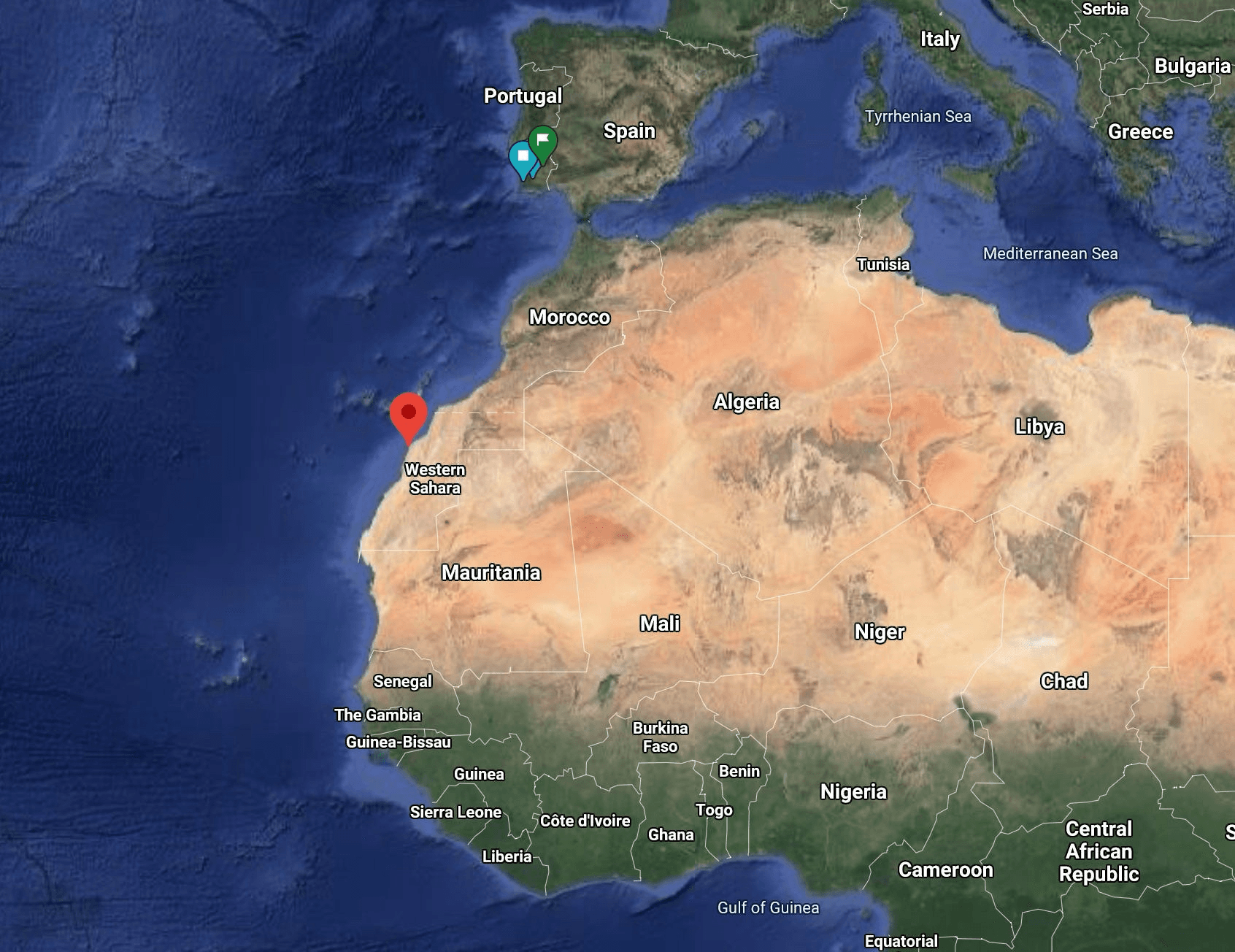
1415年对休达的占领,正是这一旧思路的最后一次尝试。休达位于直布罗陀海峡南岸,被视为连接地中海与撒哈拉贸易的关键节点。葡萄牙最初设想,通过控制这一陆上贸易枢纽,截获黄金与商路,从而切入既有贸易体系。然而事实迅速证明,贸易并不依附于城池,而依附于路线与网络。商人可以绕城而行,贸易线路可以被重构,休达反而成为需要长期财政补贴的负担。这次失败的意义不在于损失本身,而在于它迫使葡萄牙完成一次根本性的认知转向:节点可以被替代,路线才是不可替代的权力载体。
与葡萄牙不同,西班牙并不是在内陆路径耗尽后才转向海洋。15世纪末,卡斯蒂利亚与阿拉贡完成统一,收复失地运动在1492年以格拉纳达陷落告终。对西班牙而言,这是一次长期战争的胜利收官,而不是生存危机的开始。国家刚刚整合完成,贵族、军队和宗教力量都处在高度动员但尚未重新分配的位置上,扩张需求来自内部压力,而非结构性贫困。
这直接决定了西班牙航海的逻辑:它不是为了绕开旧贸易体系,而是为了寻找新的征服对象。哥伦布的航行,本质上是一种方向错误却结果惊人的尝试——他并未打通亚洲航线,却撞上了一个可以被整体征服的大陆。美洲的意义在于“整体可占有”:土地、矿产、人口、税收,都可以通过武力直接转化为帝国资源。
因此,西班牙帝国的核心不是航线控制,而是领土统治与资源抽取。白银矿的发现,使国家财政迅速膨胀,但也导致通货膨胀、产业空心化与长期依赖外部输入。与葡萄牙“控制通道、嵌入贸易”的路径相比,西班牙选择的是一条更直接、也更不可持续的模式:用征服换取财富,用财富维持征服。它的扩张速度更快,但结构更脆。
如果说葡萄牙的问题是“无路可走”,那么中国面对的恰恰相反:路太多了。以明代为代表的中国帝国,拥有庞大而连续的内陆腹地,成熟的农业体系,以及可以在内部完成资源循环的经济结构。国家财政的核心来源是土地、人口与赋税,而不是远距贸易。对这种体量的帝国而言,对外贸易从来不是生存前提,而只是附加收益。
郑和下西洋,常被后世理解为“错失的航海机会”,但从当时的制度逻辑看,它并非商业探索,而是一次高度政治化、仪式化的外交行动。舰队规模巨大,却并不追求长期驻点、航线控制或利润最大化,其目标是展示皇权、重建朝贡秩序、确认区域等级。航海在这里不是经济工具,而是政治象征。
更关键的是,中国并不存在一个能够将航海成果转化为国家竞争优势的压力机制。内陆体系稳定,农业能够持续供养人口,官僚系统更擅长管理土地而非经营风险。远洋贸易意味着不可控、不稳定、难以纳入行政体系的变量,这在一个高度依赖秩序与可预测性的帝国中,天然处于低优先级。当财政与安全压力转向北方边防与内陆治理时,航海被收缩,并非“短视”,而是制度理性的选择。
正是在这一背景下,沿非洲海岸的航海战略逐步成形。与其说这是一次冒险选择,不如说是一种高度克制的理性路径。15世纪的远洋航行条件极其有限:经度无法精确测量,船体结构脆弱,补给体系不稳定,任何一次远离陆地的航行都意味着极高的死亡率。在这种条件下,“贴着海岸走”并非保守,而是唯一能够积累经验、控制风险的方式。沿岸航行允许随时返航、补给与记录,使航海从一次性赌博转化为可重复、可学习的过程。
这一过程之所以能够持续数十年,关键并不在于技术突破,而在于国家结构的支持。葡萄牙王权相对集中,贵族势力有限,决策链条短,使国家能够长期投入高失败率、低短期回报的项目。航海因此不再是私人冒险,而成为一种由国家兜底的系统性试错。失败被吸收为经验,损失被视为成本,而非终结。这种制度性容错能力,在当时的欧洲极为罕见,却恰恰构成了葡萄牙最重要的隐性优势。
当航海逐渐被证明可以绕开旧有贸易体系时,其意义已经不再局限于经济层面。通过掌握航线而非依附节点,葡萄牙第一次获得了直接接触亚洲高价值商品源头的可能性。这意味着价格体系、利润分配和战略主动权的全面重构。航海在此刻完成了从“求生路径”向“位置跃迁工具”的转变,而葡萄牙,也正是在这一过程中,从欧洲边缘国家,转变为新全球体系中的关键中介者。
Preface: For the ONE PIECE!!! This essay was co-written with ChatGPT.
Portugal was the first country to initiate the Age of Exploration. By the early fifteenth century, Portugal had already completed tasks that many other European states were still struggling with: the Reconquista had ended, its borders were largely fixed, there were no prolonged internal civil wars, and royal authority was firmly consolidated. This condition of having “completed state formation early” appeared, on the surface, to be an advantage. In reality, it carried a harsh implication: all paths that relied on inland expansion, warfare, or territorial absorption as solutions had already been exhausted. Unlike France, Portugal could not continue expanding inward; unlike Spain, it could not prolong warfare to further integrate the Iberian Peninsula. Portugal entered an early equilibrium in which the state itself was stable, but its avenues for growth were effectively sealed.
Portugal’s predicament was not one of absolute poverty, but of a structural inability to become wealthy. The crisis it faced in the early fifteenth century was not merely “being poor” in a conventional sense, but being locked into an economic structure with no upward mobility. This was most evident in agriculture. The natural conditions of the western Iberian Peninsula imposed a hard ceiling on agricultural productivity: poor soils, unstable rainfall, and fragmented arable land. As a result, agriculture struggled to generate sustained grain surpluses and could not support continuous population growth or urban expansion. More critically, the agricultural tax base was extremely fragile. Any shock—war, famine, or trade disruption—immediately translated into fiscal stress for the state. Agriculture, rather than driving growth, limited the state’s capacity to absorb risk.
In the absence of agricultural surplus, handicrafts might have offered a breakthrough, but Portugal lacked the necessary conditions here as well. In the medieval world, the core of artisanal competition was not technical skill alone, but scale, networks, and standardized production. Portuguese cities were generally small, guild structures were weak, and production was highly dispersed. As a result, handicraft goods primarily served local or nearby markets and rarely developed into competitive products across regions. In international trade, this structure meant a lack of pricing power and dependence on prices set by others. Portugal did not lack craftsmen; what it lacked was any “irreplaceable” product capable of entering Europe’s core markets.
High-profit spice trade could, in theory, have changed this situation, yet Portugal was excluded from it as well. In the medieval world, spices were not luxury seasonings but essential components of medical practice, preservation, and storage systems. They combined high value, low bulk, and suitability for long-distance transport. However, these trade routes were long controlled by Venice and Genoa, which dominated not only ports and fleets but also finance and pricing power. Even when Portugal could purchase spices, it did so at high cost and remained permanently at the bottom of the profit-distribution chain. This position—“able to buy, but never to profit”—prevented capital accumulation within the existing trade system.
As for traditional European advantage goods such as metals and wool, Portugal faced overwhelming regional structural pressure. Central and Northern Europe possessed richer mineral resources; England and Flanders had already developed mature and highly efficient wool-to-textile systems, supported by the Hanseatic League’s control of Baltic and North Sea routes. Portugal, by contrast, lacked both resource endowments and geographic advantage. Transport costs were high, markets were distant, and entry into this system was nearly impossible. This was not a matter of competitive failure, but of structural exclusion.
Being excluded from the existing economic system does not automatically lead to maritime expansion. The critical factor was that Portugal was not only excluded, but also lacked almost any viable internal alternatives. It could not, like France, construct an internal growth cycle based on agricultural surplus and demographic expansion. It could not, like the Italian city-states, embed itself in high-value networks through finance and entrepôt trade. Nor could it, like the Holy Roman Empire, rely on a vast inland structure for gradual adjustment. Its small national scale and shallow hinterland rendered all “internal repair” strategies infeasible in practice. In other words, Portugal’s problem was not slow development, but the absence of any solution to growth on land itself.
The conquest of Ceuta in 1415 represented the final attempt under this old logic. Located on the southern shore of the Strait of Gibraltar, Ceuta was seen as a key node linking Mediterranean and Saharan trade. Portugal initially hoped that by controlling this overland hub, it could intercept gold flows and trade routes and thereby insert itself into the existing commercial system. Reality quickly proved otherwise. Trade did not depend on cities, but on routes and networks. Merchants could bypass the city; trade lines could be reconfigured. Ceuta instead became a fiscal burden requiring long-term subsidies. The significance of this failure lay not in the loss itself, but in the cognitive shift it forced: nodes are replaceable; routes are not. Routes, not cities, are the true carriers of power.
Unlike Portugal, Spain did not turn to the sea after exhausting inland options. By the late fifteenth century, Castile and Aragon had completed unification, and the Reconquista concluded in 1492 with the fall of Granada. For Spain, this marked the victorious end of a long war, not the beginning of a survival crisis. The state had just been consolidated; the nobility, military, and religious institutions were highly mobilized but not yet reallocated. Expansionary pressure came from internal dynamics, not from structural poverty.
This directly shaped the logic of Spanish maritime expansion. It was not designed to bypass the old trade system, but to locate new objects of conquest. Columbus’s voyage was, in essence, a misdirected attempt with extraordinary consequences: he failed to reach Asia but instead encountered a continent that could be conquered in its entirety. The significance of the Americas lay in their total appropriability. Land, minerals, populations, and taxation could all be converted into imperial resources through force.
Accordingly, the core of the Spanish Empire was not route control, but territorial domination and resource extraction. The discovery of silver mines rapidly inflated state finances, but also triggered inflation, industrial hollowing, and long-term dependence on external inputs. Compared with Portugal’s strategy of controlling corridors and embedding itself in trade, Spain chose a more direct but less sustainable path: exchanging conquest for wealth, and wealth for continued conquest. Its expansion was faster, but its structure far more fragile.
If Portugal’s problem was having no road forward, China faced precisely the opposite condition: too many roads. The Chinese empire, exemplified by the Ming dynasty, possessed a vast and continuous inland hinterland, a mature agricultural system, and an economy capable of completing resource circulation internally. State finance relied primarily on land, population, and taxation, not long-distance trade. For an empire of this scale, foreign trade was never a condition of survival, but merely an additional benefit.
Zheng He’s maritime expeditions are often portrayed in hindsight as a “missed opportunity,” yet within the institutional logic of the time they were not commercial ventures but highly political and ceremonial diplomatic actions. The fleets were enormous, but they did not seek permanent bases, route control, or profit maximization. Their objectives were to display imperial authority, reaffirm the tributary order, and confirm regional hierarchy. Maritime activity here functioned not as an economic instrument, but as a political symbol.
More importantly, China lacked any pressure mechanism capable of translating maritime achievements into sustained national competitive advantage. The inland system was stable; agriculture could reliably support the population; the bureaucratic apparatus was designed to manage land rather than risk. Overseas trade introduced volatility, uncertainty, and elements resistant to administrative incorporation—traits naturally deprioritized in an empire that depended on order and predictability. When fiscal and security pressures shifted toward northern defense and internal governance, the contraction of maritime activity was not short-sightedness, but a rational institutional choice.
Against this backdrop, Portugal’s gradual strategy of coastal navigation along Africa took shape. Rather than an adventurous gamble, it was a highly restrained and rational path. Fifteenth-century oceanic conditions were severely limited: longitude could not be accurately measured, ships were fragile, and supply systems unreliable. Any voyage far from land entailed extreme mortality risk. Under such constraints, “hugging the coast” was not conservative but the only way to accumulate experience and manage danger. Coastal sailing allowed for retreat, resupply, and record-keeping, transforming navigation from a one-time gamble into a repeatable, learnable process.
That this process persisted for decades owed less to technological breakthroughs than to state structure. Portuguese royal power was relatively centralized, noble resistance limited, and decision chains short, enabling sustained investment in projects with high failure rates and low short-term returns. Navigation ceased to be a private gamble and became a state-backed system of experimentation. Failures were absorbed as experience; losses were treated as costs rather than endpoints. This institutional tolerance for failure was rare in Europe at the time and constituted one of Portugal’s most important hidden advantages.
Once maritime exploration proved capable of bypassing the old trade system, its significance extended beyond economics. By controlling routes rather than relying on nodes, Portugal gained direct access to the sources of Asia’s high-value goods for the first time. This entailed a comprehensive restructuring of price systems, profit distribution, and strategic initiative. At this moment, navigation completed its transformation from a survival strategy into a tool of positional leapfrogging. Portugal, in turn, shifted from a peripheral European state into a key intermediary within the emerging global system.