Created on

1

/

8

/

2026

,

22

:

1

Updated on

1

/

14

/

2026

,

2

:

33

Location

Oakland, CA

Puritans(iii): A Horizontal Comparison in the Same Period

清教徒(iii):同一时期的横向对比
前言:本文和chatgpt合作写成。


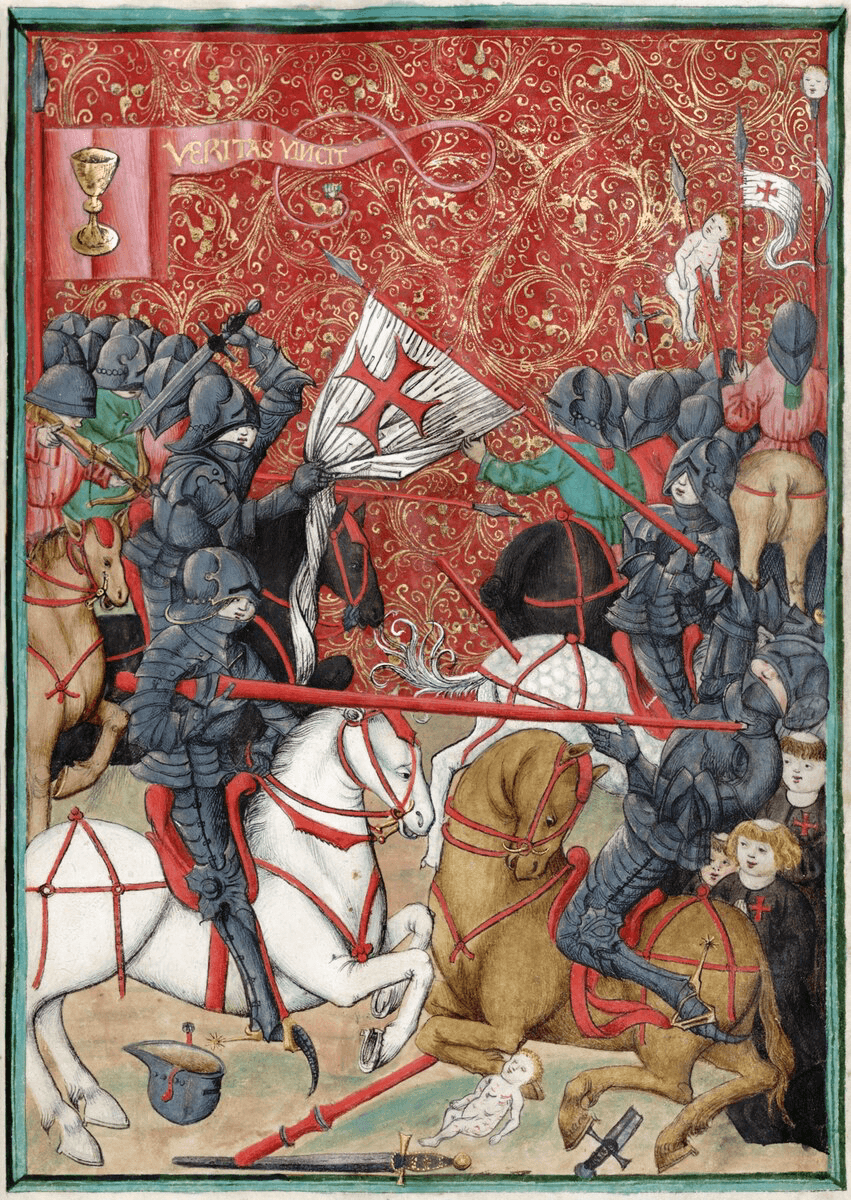
在新教正式出现之前,欧洲已经出现了重要的“前改革”运动,其中最关键的一支是胡斯派(Hussites)。胡斯派兴起于 15 世纪初的波希米亚,其思想核心来自神学家 扬·胡斯。胡斯主张《圣经》高于教会权威,反对教会腐败,要求用本地语言讲道,并批评赎罪券和神职特权。他并未试图建立一个新宗派,而是直接挑战罗马教会的权力结构。1415 年胡斯被处以火刑后,波希米亚爆发了长期的胡斯战争,使这场神学分歧迅速演变为一场宗教与民族高度交织的政治冲突。胡斯派并未系统化发展出完整的新教神学,但它在时间上和思想上都证明了一点:罗马教会的权威并非不可挑战,因此常被视为“新教之前的新教”。

最早成形的新教传统是路德宗(Lutheranism),直接源于马丁·路德在德意志地区的改革。路德宗的神学核心是“因信称义”,即人得救完全依靠信心,而非善功或教会制度。它坚决否认教皇的最高权威,却在教会结构和礼仪形式上相对保守,保留了大量中世纪教会的外在形态。在政治态度上,路德宗对世俗政权高度妥协,认为国家有责任维护教会秩序,因此在德意志和北欧往往成为国家支持的教会。这种选择使路德宗在社会层面相对稳定,也较少走向道德和政治上的激进化。

与路德宗相比,改革宗(Reformed tradition / Calvinism)在神学和纪律上都更加彻底。它形成于瑞士和法语区,其思想体系由约翰·加尔文系统化完成。改革宗强调上帝的绝对主权与预定论,认为人的得救与否并非由自身决定,而是上帝的旨意。正因如此,改革宗极度重视教会纪律和道德秩序,反对一切缺乏《圣经》明确依据的仪式和装饰。在日内瓦,加尔文推动建立了一种高度规范化的宗教共同体,教会不仅管理信仰,也深度介入日常生活。后来,清教徒、苏格兰长老会、荷兰改革宗以及北美新英格兰传统,几乎都直接继承了这一思想脉络。

英格兰的新教改革则走出了一条完全不同的道路,最终形成了英格兰国教会(Anglicanism)。这一体系并非由神学家推动,而是由国家直接主导建立。它在神学上承认《圣经》的权威并否认教皇至上权,因此属于新教阵营;但在组织结构和礼仪形式上,却大量保留了天主教传统,例如主教制、圣礼体系和宗教服饰。这种折中的安排在政治上极其稳定,却在宗教层面制造了长期不满,也正是在这种张力中,清教徒从国教会内部产生,并不断指责其改革不彻底。

宗教改革中最激进、也最不被容忍的一支,是再洗礼派(Anabaptists)。再洗礼派否认婴儿洗礼,主张只有在成年后自觉信仰的人才能受洗,因此认为所有婴儿洗礼都无效,必须重新施洗。这一立场不仅挑战教会传统,也直接冲击国家通过教会管理人口的制度基础。许多再洗礼派团体拒绝宣誓、拒绝服兵役,甚至否认世俗政权的神圣性,因此在天主教和新教国家中都被视为危险分子,遭到残酷镇压。尽管如此,他们关于信仰自愿性、宗教自由和政教分离的理念,却在数百年后成为现代社会的常识。

如果说再洗礼派挑战的是国家与教会的结合方式,那么一位论派(Unitarianism)则直接挑战了基督教的核心教义本身。一位论派形成于 16 世纪中后期,主要活动在波兰、匈牙利(特兰西瓦尼亚)以及意大利流亡知识分子圈。他们最具争议的立场是否认三位一体,坚持上帝唯一论,认为耶稣是被上帝拣选的道德榜样,而非与上帝同质的神性存在。这一主张使他们同时被天主教和主流新教视为异端。代表人物之一 米迦勒·塞尔维特 因否认三位一体而被处死,清楚地暴露出即便在新教阵营内部,神学宽容的边界依然极其狭窄。

清教徒(Puritans)并不是一个独立的新教宗派,而是英格兰语境中新教内部的一股持续改革运动。他们深受改革宗思想影响,却主要活动在英格兰国教会内部。清教徒认为,英格兰虽然已经脱离罗马,但教会和社会仍然充满天主教遗留下来的“不洁之物”。他们反对主教制,反对华丽仪式和等级化神职体系,强调严格的道德生活与群体纪律。正是由于这种理想在英格兰始终难以实现,一部分清教徒最终选择离开本土,前往北美,在新英格兰展开新的社会实验。

将这些流派放在同一历史视野中可以看出,胡斯派挑战的是教会权威的合法性,是新教的先声;路德宗与改革宗解决的是“如何得救”和“谁拥有解释权”的问题;英格兰国教会解决的是国家主权与宗教秩序的冲突;再洗礼派挑战的是国家与教会共同统治社会的前提;而一位论派则触碰了基督教神学所能容忍的极限。正是这些不同方向的突破、失败与分化,共同构成了新教并不整齐、却极具历史张力的形成过程。

Preface: This article was written in collaboration with ChatGPT.


Before Protestantism formally emerged, Europe had already seen important “pre-Reformation” movements, the most significant of which was the Hussites. The Hussite movement arose in early fifteenth-century Bohemia, with its intellectual core shaped by the theologian Jan Hus. Hus argued that Scripture stood above church authority, opposed ecclesiastical corruption, called for preaching in the vernacular, and criticized indulgences and clerical privilege. He did not seek to found a new denomination; rather, he directly challenged the power structure of the Roman Church. After Hus was burned at the stake in 1415, Bohemia was plunged into the prolonged Hussite Wars, transforming what had begun as a theological dispute into a political conflict deeply intertwined with religion and national identity. Although the Hussites did not develop a fully systematized Protestant theology, they demonstrated—both chronologically and intellectually—that the authority of the Roman Church was not beyond challenge. For this reason, they are often regarded as “Protestantism before Protestantism.”

The earliest fully formed Protestant tradition was Lutheranism, which emerged directly from Martin Luther’s reform in the German lands. The theological core of Lutheranism is justification by faith alone: salvation depends entirely on faith, not on good works or church institutions. Lutheranism categorically rejected papal supremacy, yet remained relatively conservative in church structure and liturgical practice, preserving many outward forms inherited from the medieval church. Politically, Lutheranism showed a high degree of accommodation to secular authority, holding that the state bore responsibility for maintaining church order. As a result, it often became a state-supported church in Germany and Northern Europe. This orientation contributed to relative social stability and limited the tendency toward moral or political radicalism.

Compared with Lutheranism, the Reformed tradition (Calvinism) was more thoroughgoing both theologically and disciplinarily. It developed in Switzerland and the French-speaking regions, and its intellectual system was consolidated by John Calvin. Reformed theology emphasized God’s absolute sovereignty and predestination, asserting that salvation does not rest on human choice but on divine will. Consequently, the Reformed churches placed extraordinary weight on church discipline and moral order, rejecting all rituals and adornments that lacked explicit biblical warrant. In Geneva, Calvin promoted a highly regulated religious community in which the church governed not only belief but also daily life. The Puritans, the Scottish Presbyterian Church, the Dutch Reformed tradition, and the New England tradition in North America all largely inherited this lineage.

The English Reformation followed a markedly different path, culminating in the formation of Anglicanism, or the Church of England. This system was not driven by theologians but established directly under state leadership. Theologically, it affirmed the authority of Scripture and rejected papal supremacy, placing it within the Protestant camp. Institutionally and liturgically, however, it retained many elements of Catholic tradition, including the episcopal system, sacramental structures, and clerical vestments. This compromise produced considerable political stability, yet generated persistent religious dissatisfaction. It was precisely within this tension that the Puritans emerged from inside the Church of England, repeatedly criticizing the reform for its lack of thoroughness.

The most radical—and least tolerated—current of the Reformation was the Anabaptists. They rejected infant baptism and insisted that only adults who consciously professed faith could be baptized, rendering all infant baptisms invalid and requiring rebaptism. This position not only challenged church tradition but also struck at the institutional foundation through which states used the church to manage population and social order. Many Anabaptist groups refused oaths, military service, and in some cases denied the sacred legitimacy of secular government altogether. As a result, they were treated as dangerous subversives and brutally persecuted by both Catholic and Protestant authorities. Yet their ideas of voluntary faith, religious freedom, and the separation of church and state later became widely accepted principles of modern society.

If the Anabaptists challenged the alliance between church and state, Unitarianism went further by questioning the core doctrines of Christianity itself. Emerging in the mid-to-late sixteenth century, Unitarians were active primarily in Poland, Hungary (Transylvania), and among Italian intellectuals in exile. Their most controversial position was the rejection of the Trinity in favor of strict monotheism, holding that Jesus was a divinely chosen moral exemplar rather than a being of the same substance as God. This stance led both Catholics and mainstream Protestants to condemn them as heretical. One of their prominent figures, Michael Servetus, was executed for denying the Trinity, starkly revealing how narrow the boundaries of theological tolerance remained even within the Protestant camp.

The Puritans were not an independent Protestant denomination but an ongoing reform movement within the English Protestant context. Deeply influenced by Reformed theology, they operated primarily inside the Church of England. The Puritans believed that although England had broken with Rome, its church and society were still riddled with “impurities” inherited from Catholicism. They opposed episcopal governance, elaborate rituals, and hierarchical clergy, and emphasized strict moral conduct and communal discipline. Because these ideals proved difficult to realize in England, some Puritans ultimately chose to leave, migrating to North America and undertaking new social experiments in New England.

Viewed together, these movements clarify the internal dynamics of Protestant formation. The Hussites challenged the legitimacy of church authority and served as a precursor to Protestantism; Lutheranism and the Reformed tradition addressed questions of salvation and interpretive authority; Anglicanism mediated the conflict between state sovereignty and religious order; the Anabaptists questioned the very premise of church–state co-governance; and Unitarianism tested the outer limits of what Christian theology could tolerate. The varied breakthroughs, failures, and fragmentations along these different trajectories together produced a Protestant tradition that was anything but uniform, yet rich in historical tension and consequence.


Artist Statement

My work is not about explaining the world; it’s about dismantling the emotional structures that everyday life tries to conceal. What I focus on is not “story,” but the dynamics between people—the pull and tension of intimacy, the quiet control embedded in family, the fractures that come with migration, and how an individual maintains their boundaries within these systems.

I grew up between shifting cultures and languages, often in environments where I was expected—needed—claimed by others. I was asked to understand, to accommodate, to take care, to adjust. Even the gentlest relationships carried an undercurrent of consumption. That tension became the foundation of my creative work.

The characters in my stories are not moral types. They each carry a kind of private conflict: they want closeness but fear being swallowed; they long to be seen but can’t fully expose themselves; they are asked again and again to give—to family, to love, to work—without knowing how to keep space for themselves. These aren’t inventions; they’re reflections of lived experience. Writing, for me, is a way to unearth the emotions that have been suppressed, ignored, or normalized—and let them speak again.

I gravitate toward rhythmic narrative structures: compressed scenes, quick shifts, intentional gaps, silences between characters. These spaces reveal more truth than dialogue ever could. The themes I explore—migration, family, identity, trauma, intimacy, female autonomy—ultimately point to a single question: how does a person protect their boundaries in a world that constantly pulls at them, demands from them, watches them?

Creating is neither escape nor self-soothing. It is a way of reclaiming authorship over my own narrative. When I write a character’s silence, resistance, hesitation, or departure, I’m answering one essential question:

When the world insists on defining me, how do I choose to define myself?

艺术家陈述

我的创作不是为了解释世界,是为了拆开被日常掩盖的情绪结构。我关注的核心不是“故事”,而是人与人之间的力量关系——亲密带来的拉扯、家庭带来的隐性控制、身份在迁徙中的断裂,以及一个人在这些结构里如何保持自己的边界。

出生在不断变化的文化与语言之间,长期处在“被期待—被需要—被占用”的环境里。很多时候,我被要求理解别人、照顾别人、顺着环境。那些看似温和的关系里,也潜藏着吞噬性的需求。这种张力成了我创作的源头。

在我的故事里,人物不是善恶分明的类型。他们都带着某种困境:他们想靠近别人,但又害怕被吞没;他们渴望被看见,却无法完全暴露自己;他们在家庭、爱情、工作里不断被要求付出,却不知道怎样为自己保留空间。这并不是虚构,是现实经验的折射。我写作,把那些长期被压抑、被忽略、被习惯化的情感重新挖出来,让它们重新发声。

我倾向于使用节奏性的叙事结构:压缩的篇幅、快速切换的场景、留白的空间、人物之间的静默。这些“空隙”比对白本身更能暴露一个人的真实状态。我处理的主题是移民、家庭、身份、创伤、亲密、女性的自主性,但它们都指向同一件事:一个人如何在被拉扯、被要求、被凝视的世界里,维护自己的边界。

创作不是逃避,也不是自我疗愈,是重新夺回叙事权的方式。当我写下一个人物的沉默、反抗、犹豫或离开,我其实是在回答一个核心问题:
当世界不断定义我时,我选择如何定义自己?

Artist Statement

My work is not about explaining the world; it’s about dismantling the emotional structures that everyday life tries to conceal. What I focus on is not “story,” but the dynamics between people—the pull and tension of intimacy, the quiet control embedded in family, the fractures that come with migration, and how an individual maintains their boundaries within these systems.

I grew up between shifting cultures and languages, often in environments where I was expected—needed—claimed by others. I was asked to understand, to accommodate, to take care, to adjust. Even the gentlest relationships carried an undercurrent of consumption. That tension became the foundation of my creative work.

The characters in my stories are not moral types. They each carry a kind of private conflict: they want closeness but fear being swallowed; they long to be seen but can’t fully expose themselves; they are asked again and again to give—to family, to love, to work—without knowing how to keep space for themselves. These aren’t inventions; they’re reflections of lived experience. Writing, for me, is a way to unearth the emotions that have been suppressed, ignored, or normalized—and let them speak again.

I gravitate toward rhythmic narrative structures: compressed scenes, quick shifts, intentional gaps, silences between characters. These spaces reveal more truth than dialogue ever could. The themes I explore—migration, family, identity, trauma, intimacy, female autonomy—ultimately point to a single question: how does a person protect their boundaries in a world that constantly pulls at them, demands from them, watches them?

Creating is neither escape nor self-soothing. It is a way of reclaiming authorship over my own narrative. When I write a character’s silence, resistance, hesitation, or departure, I’m answering one essential question:

When the world insists on defining me, how do I choose to define myself?

艺术家陈述

我的创作不是为了解释世界,是为了拆开被日常掩盖的情绪结构。我关注的核心不是“故事”,而是人与人之间的力量关系——亲密带来的拉扯、家庭带来的隐性控制、身份在迁徙中的断裂,以及一个人在这些结构里如何保持自己的边界。

出生在不断变化的文化与语言之间,长期处在“被期待—被需要—被占用”的环境里。很多时候,我被要求理解别人、照顾别人、顺着环境。那些看似温和的关系里,也潜藏着吞噬性的需求。这种张力成了我创作的源头。

在我的故事里,人物不是善恶分明的类型。他们都带着某种困境:他们想靠近别人,但又害怕被吞没;他们渴望被看见,却无法完全暴露自己;他们在家庭、爱情、工作里不断被要求付出,却不知道怎样为自己保留空间。这并不是虚构,是现实经验的折射。我写作,把那些长期被压抑、被忽略、被习惯化的情感重新挖出来,让它们重新发声。

我倾向于使用节奏性的叙事结构:压缩的篇幅、快速切换的场景、留白的空间、人物之间的静默。这些“空隙”比对白本身更能暴露一个人的真实状态。我处理的主题是移民、家庭、身份、创伤、亲密、女性的自主性,但它们都指向同一件事:一个人如何在被拉扯、被要求、被凝视的世界里,维护自己的边界。

创作不是逃避,也不是自我疗愈,是重新夺回叙事权的方式。当我写下一个人物的沉默、反抗、犹豫或离开,我其实是在回答一个核心问题:
当世界不断定义我时,我选择如何定义自己?

Artist Statement

My work is not about explaining the world; it’s about dismantling the emotional structures that everyday life tries to conceal. What I focus on is not “story,” but the dynamics between people—the pull and tension of intimacy, the quiet control embedded in family, the fractures that come with migration, and how an individual maintains their boundaries within these systems.

I grew up between shifting cultures and languages, often in environments where I was expected—needed—claimed by others. I was asked to understand, to accommodate, to take care, to adjust. Even the gentlest relationships carried an undercurrent of consumption. That tension became the foundation of my creative work.

The characters in my stories are not moral types. They each carry a kind of private conflict: they want closeness but fear being swallowed; they long to be seen but can’t fully expose themselves; they are asked again and again to give—to family, to love, to work—without knowing how to keep space for themselves. These aren’t inventions; they’re reflections of lived experience. Writing, for me, is a way to unearth the emotions that have been suppressed, ignored, or normalized—and let them speak again.

I gravitate toward rhythmic narrative structures: compressed scenes, quick shifts, intentional gaps, silences between characters. These spaces reveal more truth than dialogue ever could. The themes I explore—migration, family, identity, trauma, intimacy, female autonomy—ultimately point to a single question: how does a person protect their boundaries in a world that constantly pulls at them, demands from them, watches them?

Creating is neither escape nor self-soothing. It is a way of reclaiming authorship over my own narrative. When I write a character’s silence, resistance, hesitation, or departure, I’m answering one essential question:

When the world insists on defining me, how do I choose to define myself?

艺术家陈述

我的创作不是为了解释世界,是为了拆开被日常掩盖的情绪结构。我关注的核心不是“故事”,而是人与人之间的力量关系——亲密带来的拉扯、家庭带来的隐性控制、身份在迁徙中的断裂,以及一个人在这些结构里如何保持自己的边界。

出生在不断变化的文化与语言之间,长期处在“被期待—被需要—被占用”的环境里。很多时候,我被要求理解别人、照顾别人、顺着环境。那些看似温和的关系里,也潜藏着吞噬性的需求。这种张力成了我创作的源头。

在我的故事里,人物不是善恶分明的类型。他们都带着某种困境:他们想靠近别人,但又害怕被吞没;他们渴望被看见,却无法完全暴露自己;他们在家庭、爱情、工作里不断被要求付出,却不知道怎样为自己保留空间。这并不是虚构,是现实经验的折射。我写作,把那些长期被压抑、被忽略、被习惯化的情感重新挖出来,让它们重新发声。

我倾向于使用节奏性的叙事结构:压缩的篇幅、快速切换的场景、留白的空间、人物之间的静默。这些“空隙”比对白本身更能暴露一个人的真实状态。我处理的主题是移民、家庭、身份、创伤、亲密、女性的自主性,但它们都指向同一件事:一个人如何在被拉扯、被要求、被凝视的世界里,维护自己的边界。

创作不是逃避,也不是自我疗愈,是重新夺回叙事权的方式。当我写下一个人物的沉默、反抗、犹豫或离开,我其实是在回答一个核心问题:
当世界不断定义我时,我选择如何定义自己?

sunny.xiaoxin.sun@doubletakefilmllc.com

Sunny Xiaoxin Sun's IMDb


©2025 Double Take Film, All rights reserved

I’m an independent creator born in 1993 in Changsha, now based in California. My writing started from an urgent need to express. Back in school, I often felt overwhelmed by the chaos and complexity of the world—by the emotions and stories left unsaid. Writing became my way of organizing my thoughts, finding clarity, and gradually, connecting with the outside world.


Right now, I’m focused on writing and filmmaking. My blog is a “real writing experiment,” where I try to update daily, documenting my thoughts, emotional shifts, observations on relationships, and my creative process. It’s also a record of my journey to becoming a director. After returning to China in 2016, I entered the film industry and worked in the visual effects production department on projects like Creation of the Gods I, Creation of the Gods II, and Wakanda Forever, with experience in both China and Hollywood. Since 2024, I’ve shifted my focus to original storytelling.


I’m currently revising my first script. It’s not grand in scale, but it’s deeply personal—centered on memory, my father, and the city. I want to make films that belong to me, and to our generation: grounded yet profound, sensitive but resolute. I believe film is not only a form of artistic expression—it’s a way to intervene in reality.

我是93年出生于长沙的自由创作者。我的写作起点来自一种“必须表达”的冲动。学生时代,我常感受到世界的混乱与复杂,那些没有被说出来的情绪和故事让我感到不安。写作是我自我整理、自我清晰的方式,也逐渐成为我与外界建立连接的路径。


我目前专注于写作和电影。我的博客是一个“真实写作实验”,尽量每天更新,记录我的思考、情绪流动、人际观察和创作过程。我16年回国之后开始进入电影行业,曾在视效部门以制片的身份参与制作《封神1》《封神2》《Wankanda Forever》等,在中国和好莱坞都工作过,24年之后开始转入创作。


我正在重新回去修改我第一个剧本——它并不宏大,却非常个人,围绕记忆、父亲与城市展开。我想拍属于我、也属于我们这一代人的电影:贴地而深刻,敏感又笃定。我相信电影不只是艺术表达,它也是一种现实干预。

sunny.xiaoxin.sun@doubletakefilmllc.com

Sunny Xiaoxin Sun's IMDb


©2025 Double Take Film, All rights reserved

I’m an independent creator born in 1993 in Changsha, now based in California. My writing started from an urgent need to express. Back in school, I often felt overwhelmed by the chaos and complexity of the world—by the emotions and stories left unsaid. Writing became my way of organizing my thoughts, finding clarity, and gradually, connecting with the outside world.


Right now, I’m focused on writing and filmmaking. My blog is a “real writing experiment,” where I try to update daily, documenting my thoughts, emotional shifts, observations on relationships, and my creative process. It’s also a record of my journey to becoming a director. After returning to China in 2016, I entered the film industry and worked in the visual effects production department on projects like Creation of the Gods I, Creation of the Gods II, and Wakanda Forever, with experience in both China and Hollywood. Since 2024, I’ve shifted my focus to original storytelling.


I’m currently revising my first script. It’s not grand in scale, but it’s deeply personal—centered on memory, my father, and the city. I want to make films that belong to me, and to our generation: grounded yet profound, sensitive but resolute. I believe film is not only a form of artistic expression—it’s a way to intervene in reality.

我是93年出生于长沙的自由创作者。我的写作起点来自一种“必须表达”的冲动。学生时代,我常感受到世界的混乱与复杂,那些没有被说出来的情绪和故事让我感到不安。写作是我自我整理、自我清晰的方式,也逐渐成为我与外界建立连接的路径。


我目前专注于写作和电影。我的博客是一个“真实写作实验”,尽量每天更新,记录我的思考、情绪流动、人际观察和创作过程。我16年回国之后开始进入电影行业,曾在视效部门以制片的身份参与制作《封神1》《封神2》《Wankanda Forever》等,在中国和好莱坞都工作过,24年之后开始转入创作。


我正在重新回去修改我第一个剧本——它并不宏大,却非常个人,围绕记忆、父亲与城市展开。我想拍属于我、也属于我们这一代人的电影:贴地而深刻,敏感又笃定。我相信电影不只是艺术表达,它也是一种现实干预。

sunny.xiaoxin.sun@doubletakefilmllc.com

Sunny Xiaoxin Sun's IMDb


©2025 Double Take Film, All rights reserved

I’m an independent creator born in 1993 in Changsha, now based in California. My writing started from an urgent need to express. Back in school, I often felt overwhelmed by the chaos and complexity of the world—by the emotions and stories left unsaid. Writing became my way of organizing my thoughts, finding clarity, and gradually, connecting with the outside world.


Right now, I’m focused on writing and filmmaking. My blog is a “real writing experiment,” where I try to update daily, documenting my thoughts, emotional shifts, observations on relationships, and my creative process. It’s also a record of my journey to becoming a director. After returning to China in 2016, I entered the film industry and worked in the visual effects production department on projects like Creation of the Gods I, Creation of the Gods II, and Wakanda Forever, with experience in both China and Hollywood. Since 2024, I’ve shifted my focus to original storytelling.


I’m currently revising my first script. It’s not grand in scale, but it’s deeply personal—centered on memory, my father, and the city. I want to make films that belong to me, and to our generation: grounded yet profound, sensitive but resolute. I believe film is not only a form of artistic expression—it’s a way to intervene in reality.

我是93年出生于长沙的自由创作者。我的写作起点来自一种“必须表达”的冲动。学生时代,我常感受到世界的混乱与复杂,那些没有被说出来的情绪和故事让我感到不安。写作是我自我整理、自我清晰的方式,也逐渐成为我与外界建立连接的路径。


我目前专注于写作和电影。我的博客是一个“真实写作实验”,尽量每天更新,记录我的思考、情绪流动、人际观察和创作过程。我16年回国之后开始进入电影行业,曾在视效部门以制片的身份参与制作《封神1》《封神2》《Wankanda Forever》等,在中国和好莱坞都工作过,24年之后开始转入创作。


我正在重新回去修改我第一个剧本——它并不宏大,却非常个人,围绕记忆、父亲与城市展开。我想拍属于我、也属于我们这一代人的电影:贴地而深刻,敏感又笃定。我相信电影不只是艺术表达,它也是一种现实干预。

PRODUCT

Design

Content

Publish

RESOURCES

Blog

Careers

Docs

About