DATE
1/13/25
TIME
11:20 PM
LOCATION
Oakland, CA
Puritans(vii):The Corruption and Destruction of This Knowledge, Caused Partly by Ignorance and Partly by Wickedness
清教徒(vii):这认识的败坏消灭,半由于无知,半由于邪恶
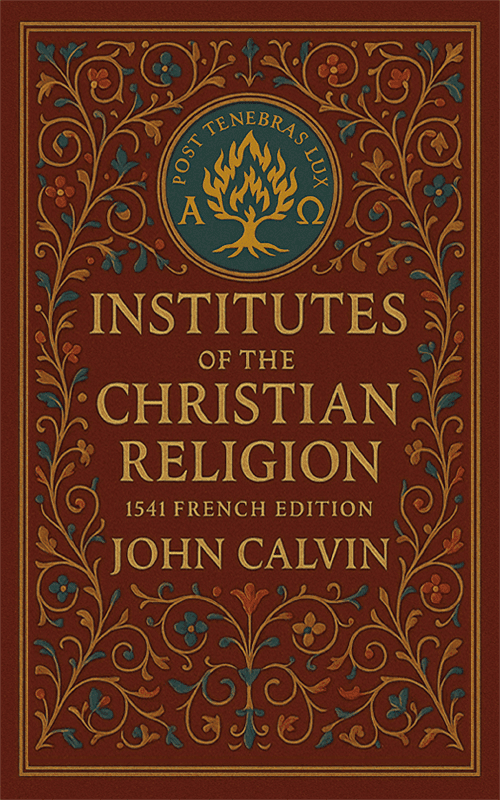
前言:接上篇,本文和Gemini合作完成。
第四章,“这认识的败坏消灭,半由于无知,半由于邪恶”。以下部分是原文。
“经验证明,上帝在每人心里虽然撒下了宗教的种子,可是百人中难得一人爱惜自己所领受的,种子长大成熟的更无一人,慢说到时结果了。有人也许是在迷信中变为虚妄的,有些人却是存心作恶,反抗上帝;结果他们都从对上帝的真知识中堕落了,在世上真敬虔则荡然无存。
我说有人因错误而陷于迷信,并非暗示说,他们的罪债可因无知而得蒙饶恕,因为他们的盲目常与他们的骄傲、虚荣、和顽梗相结联。可怜的人在寻求上帝之时,并不照他们所当行的,在自己之上寻求他,却依照肉体的愚妄,舍观察应循的正道,以虚空好奇的推测来判断上帝,他们的骄傲和虚荣就在此表露了。他们的上帝观,不是按照上帝所显示自己的,乃是以他们自大的想象为根据。”
这一段大概是说,人们因为自己的“罪恶”,即骄傲、虚荣、和顽梗,盲目而自信。人们总是以自己去推测上帝,但上帝其实完全不是他们想象的那样。
“这缺口一开,他们不论走哪一条路,都必趋于毁灭。不论他们以后如何敬拜或服事上帝,都算不得为上帝而行,因为他们所敬拜的不是上帝,而是自己脑筋所虚构的事物。保罗特别论到这种堕落说:“自称为聪明,反成了愚拙”(罗1:22);以前又说过:“他们的思念变为虚妄”(罗1:21)。为免有人宽恕他们,所以他又说,他们受蒙蔽是罪有应得,因为他们不安分守己,妄自尊大,肆意骄傲,醉心虚妄与邪恶。所以他们的愚拙是无可获赦的;这种愚拙不仅是由于虚妄的好奇心,也是由于假自信,与妄想超过人类知识限度的过分欲望。”
这一段我懂,人们对上帝的想象永远是有局限的,就像柏拉图的Allegory of the Cave,人通过影子对本身的想象一定是很局限的。但保罗说人们被蒙蔽罪有应得,我不确定我是否赞同,人蠢不是他的问题,天分无而已。
“二、 大卫所说的,“愚顽人心里说,没有上帝”(诗14:1),正如以下所要讨论的,是专指那些自毁天性的亮光,故意安于愚拙的人而言。我们看见,有许多人肆意犯罪,顽固成性,竭力想从记忆中,排除那本性向他们心灵所提示的上帝的观念。为要使他们的疯狂显得更可厌,诗人就说他们是公然否认上帝的存在;这不是说,他们抹煞了他的存在,乃是因为他们剥夺他的公义与照顾,把他当作闲懒者关在天上。
既然与神意相反的莫甚于舍弃对世界的统治,将它委诸命运,纵容人的罪,使人放荡淫佚,所以凡对上苍的审判毫无恐惧,沉迷于世俗之中的人,就是否认有上帝。”
这一段是在说,沉迷享受、酒池肉林,而不以更高的标准要求自己的人,大都不信上帝。他们合理化自己的问题,向自己的欲望、恐惧、嫉妒等等give in,并说这只是自然规律。信上帝,则是以更高的标准要求自己,pratice self-discipline,日复一日,把自己奉献给他人,正如耶稣为了世人的罪恶死去一样。我们把自己交给上帝,相信他,指引我们的路。不要在意自己的痛苦、失去、侮辱,这是上帝给你的任务。有点类似中国的“天将降大任于斯人也,天将降大任于斯人也,必先苦其心志,劳其筋骨,饿其体肤,空乏其身,行拂乱其所为,所以动心忍性,曾益其所不能“。也有点类似佛教的,慈悲为怀,度众生等的概念。
“恶人一旦故意闭着自己的眼以后,上帝就叫他们心地昏暗,有眼而不能见,作为公义的报应(参赛6:9)。大卫在另一处解释得好:“恶人在他心里说,我眼中不怕上帝”(诗36:1);又说他们竞相为恶,沾沾自喜,以为上帝不观看他们(参诗10:11)。他们虽然勉强承认上帝的存在,即以否认他的能力来夺去他的光荣。
按照保罗的见证,上帝“不能背乎自己”(提后2:13),因为他是永不改变的,所以那些把他假装为虚空而无生命之偶像的人,即是真正否认上帝。还有一点要申述的,即是他们尽力背着自己天然的了解,想从心上忘掉上帝,甚至在天上也要消灭他,但他们的愚昧终归无法逃避上帝的制裁。他们之敢于无忌惮地反抗神的旨意,随从盲目的冲动,是他们鲁钝地忘记了上帝。”
永不改变,到让我想到另一个物体,光。光速在任何环境下都不改变,会不会光就是上帝的眼光呢?这一段是在说,明明知道上帝存在,还否认他存在的人,是虚空的。但即便这样,这些人也无法逃避上帝的制裁。捂着眼睛,上帝也存在。
“三、 这样,许多人为自己的迷信所作无效的声辩,根本被推翻了;因为他们认为不论如何荒谬,只要对宗教稍加注意便够了,却不想到真宗教必以神的旨意为永久的准则;上帝是始终不变的;他不是按每人的空想而变形的幽灵。迷信怎样想取悦上帝,却是以虚伪的敬拜嘲弄上帝,是很容易看出来的。既然迷信只遵奉上帝所轻视的事,所以,它不是轻蔑地忽略,就是公然拒绝上帝所喜悦之事。那些以新创的方式拜上帝的人,其实是崇拜自己幻想的产物,因为他们若不先以虚构一位合乎他们自己虚伪愚笨之观念的神,就绝不敢如此玩忽上帝。“
这里讨论了”迷信“和”上帝“之间的区别,即”迷信“会misrepresent 上帝。迷信是幻想,上帝是上帝。
“所以保罗认为神的观念模糊不定,即是不认识上帝。他说:“从前你们不认识上帝的时候,是给那些本来不是神的作奴仆”(加4:8)。他在别处说以弗所人“没有上帝”(弗2:12),而他们在对唯一真上帝的正确知识上,原是局外人。至于你自以为有一位或几位神,并无多大重要,因为无论怎样,你都是偏离背叛真上帝;既弃绝了他,你所剩下的只有一个可恶的偶像而已。所以我们必须赞同拉克单丢(Lactantius)的主张,即不合乎真理的宗教,不能算为真的。”
所以保罗觉得,对上帝没有绝对信任的人,对上帝没有全知全能的了解的人,对上帝的绝对权威和决定权没有信服的人,都不认识上帝。或者说,没有认识到他的重要心。
“四、 还有一种罪,就是他们只有违着心愿才思念上帝,若非被逼也不会亲近他;他们到他前来,不是出于因尊敬神伟大而生的一种自愿的敬畏,而是因为那无可幸免的神的审判所逼而生的奴性恐惧;他们因为恐惧神的审判所以对它又痛非常。斯他丢(Statius)所说,世上之最初有神是由于恐惧,惟独可以适用于这些不敬之人身上。那些与上帝的公义隔绝之人,只切望推翻他们所明知是为着刑罚恶人而设的审判。
他们既如此存心,就与那掌审判之权的主相对抗;到了自料无从抵抗主的膀臂之时,就战栗危惧。他们多少奉行些宗教的形式,免得乎完全藐视那威严逼人的上帝;同时他们还是继续沾污自己,尽量沾染恶习,一再干犯弥天大罪,直到一一破坏上帝的圣律,和它的公义。无论如何,他们假装对上帝的敬畏,并不能防止他们以作恶为乐;他们宁愿随从自己肉体的放纵,也不肯受圣灵的约束。既然这只是宗教虚伪的影子,其实还够不上称为幻影,所以在对上帝的这种紊乱观念,和那只存在信徒心里作为宗教根源的敬虔,两者之间的差异很容易推想得到。可是远离上帝的伪君子,为假装对他忠诚起见,不惜采取迷信的诡计。本来他们应该终身服事他,但几乎一切行为上,他们都毫不顾忌地背叛他,仅偶然希图以藐小的祭礼向他讨好。本来他们应以圣洁的生活和诚实的心去服事他,但他们却虚构些卑不足道和毫无价值的仪文,来求他的恩宠。他们更加放纵,溺于淫邪,因为他们相信能用可笑的补偿,尽他们对上帝的义务。总之,他们本来应当信靠上帝,却忘记了他,却信靠自己或其他受造之物。最后,他们的错误愈积愈多,以致那使他们发现上帝荣光的一线光明,也被遮蔽了,至终则被罪恶的黑暗所消灭。有神存在这意识,是不能铲除、始终存留的种子;不过这种种子业已变坏,所以只能结最坏的果子。这更证明我现在所认定的,即对上帝的观念,是天然印入人心的,因为甚至恶人也不得不被逼承认这种观念。在心境安宁无事之时,他们嘲弄上帝,又鲁莽无礼地贬损他的权能,但一旦受失望压迫,失望就刺激他们寻求上帝,迫使他们祷告,这证明他们并非不认识上帝,不过那老早应该表现的情绪,因顽固而被压抑罢了。”
这段很好理解,就不解释了。
(To be continued)
Preface: This article follows the previous section, completed in collaboration with Gemini.
Chapter Four, “The Corruption and Destruction of This Knowledge, Caused Partly by Ignorance and Partly by Wickedness.” The following passages are from the original text.
“Experience shows that although God has sown the seed of religion in the heart of every person, scarcely one in a hundred cherishes what he has received; none allow the seed to grow to maturity, let alone bear fruit. Some fall into emptiness through superstition; others, with deliberate intent, choose evil and rebel against God. As a result, all fall away from the true knowledge of God, and genuine piety disappears from the world.
When I say that some fall into superstition through error, I do not mean to imply that their guilt is excusable on the grounds of ignorance, for their blindness is often bound up with pride, vanity, and stubbornness. Wretched people, when seeking God, do not seek Him above themselves as they ought. Instead, following the foolishness of the flesh, they abandon the proper path of inquiry and judge God through empty and curious speculation. Here their pride and vanity are laid bare. Their conception of God is not based on how God has revealed Himself, but on their own inflated imagination.”
This passage suggests that people, because of their own “sin”—namely pride, vanity, and stubbornness—are blind yet overconfident. Human beings constantly attempt to infer God from themselves, while in reality God is nothing like what they imagine.
“Once this breach is opened, whichever path they take inevitably leads to destruction. No matter how they later worship or serve God, it cannot truly be said that they are acting for God, because what they worship is not God but a fabrication of their own minds. Paul speaks explicitly of this degeneration: “Claiming to be wise, they became fools” (Romans 1:22); and earlier, “Their thinking became futile” (Romans 1:21). To prevent anyone from excusing them, he adds that their blindness is deserved, because they did not remain within proper bounds but grew arrogant, indulged in pride, and devoted themselves to vanity and wickedness. Therefore, their folly is inexcusable; it arises not only from vain curiosity but also from false self-confidence and an excessive desire to exceed the limits of human knowledge.”
This section I understand. Human conceptions of God are inevitably limited—much like Plato’s Allegory of the Cave, in which one’s understanding of reality, derived from shadows, must necessarily be constrained. However, Paul’s claim that human blindness is deserved is something I am not entirely convinced by. Foolishness is not always a moral failure; sometimes it is simply a matter of limited capacity rather than culpability.
“II. What David says—“The fool says in his heart, ‘There is no God’” (Psalm 14:1)—as will be discussed below, refers specifically to those who destroy the natural light within themselves and deliberately settle into foolishness. We see that many people commit sins wantonly, become hardened in character, and strive to erase from their memory the idea of God that their own nature suggests to their hearts. To make their madness appear even more detestable, the psalmist describes them as openly denying God’s existence—not that they abolish His being, but that they strip Him of justice and providence, confining Him to heaven as an idle observer.
Since nothing is more contrary to God’s will than abandoning His governance of the world, surrendering it to fate, indulging human sin, and allowing people to sink into debauchery, anyone who feels no fear of divine judgment and is immersed in worldly pursuits is, in effect, denying the existence of God.”
This passage argues that those who are absorbed in pleasure, excess, and indulgence—who do not hold themselves to higher standards—tend not to believe in God. They rationalize their shortcomings, give in to desire, fear, jealousy, and so on, and describe this surrender as merely “natural law.”
By contrast, to believe in God is to hold oneself to a higher standard: to practice self-discipline daily and to offer oneself in service to others, much as Jesus died for the sins of the world. To give oneself to God is to trust Him to guide one’s path—to regard suffering, loss, and humiliation not as meaningless misfortune but as tasks entrusted by God.
This resembles the Chinese saying: “When Heaven is about to entrust a great responsibility to a person, it first tests their resolve, strains their body, starves their flesh, impoverishes their life, and frustrates their endeavors, so as to strengthen their heart and expand their capacities.” It also bears some resemblance to Buddhist ideas of compassion and saving all sentient beings.
“Once the wicked deliberately close their eyes, God darkens their hearts so that they have eyes but cannot see, as a righteous judgment (cf. Isaiah 6:9). David explains elsewhere: “The wicked say in their hearts, ‘I have no fear of God before my eyes’” (Psalm 36:1); and again, they delight in doing evil, thinking that God does not see them (cf. Psalm 10:11). Though they reluctantly acknowledge God’s existence, they deny His power and thus rob Him of His glory.
According to Paul’s testimony, God “cannot deny Himself” (2 Timothy 2:13). Because He is unchanging, those who reduce Him to an empty, lifeless idol are truly denying God. Furthermore, although they strive to suppress their natural understanding and attempt to erase God even from heaven itself, their foolishness can never escape divine judgment. Their reckless defiance of God’s will and submission to blind impulse stem from their dull forgetfulness of God.”
The idea of God as unchanging brings to mind another constant: light. The speed of light remains unchanged under all conditions. Could light be understood as the gaze of God? This passage argues that those who knowingly deny God’s existence are embracing emptiness—but even so, they cannot escape divine judgment. Covering one’s eyes does not negate God’s existence.
“III. Thus, the futile defenses that many raise on behalf of their superstition are entirely overturned. They believe that no matter how absurd their practices may be, a little attention to religion is sufficient, failing to recognize that true religion must take God’s will as its permanent rule. God is immutable; He is not a phantom that shifts according to human imagination. It is easy to see that superstition, in attempting to please God, actually mocks Him through false worship.
Since superstition observes only what God despises, it either contemptuously neglects or openly rejects what God delights in. Those who worship God through newly invented methods are, in fact, worshiping the products of their own imagination. Without first fabricating a god that fits their own foolish and deceptive ideas, they would never dare to treat God so frivolously.”
This section distinguishes superstition from God: superstition misrepresents God. Superstition is fantasy; God is God.
“Therefore, Paul considers vague or unstable notions of God to be equivalent to not knowing God at all. He says, “Formerly, when you did not know God, you were slaves to those who by nature are not gods” (Galatians 4:8). Elsewhere he says that the Ephesians were “without God” (Ephesians 2:12), because they were outsiders to the true knowledge of the one true God. Whether one imagines one god or many is of little consequence; either way, one has deviated from and betrayed the true God. Having rejected Him, all that remains is a detestable idol. Thus, we must agree with Lactantius: a religion that does not conform to truth cannot be considered true.”
Thus, for Paul, those who lack absolute trust in God—who do not accept His omniscience, omnipotence, and ultimate authority—do not truly know God. Or rather, they have failed to grasp His fundamental importance.
IV. There is yet another sin: people think of God only against their will and would never approach Him unless compelled. When they come before Him, it is not from a voluntary reverence born of respect for His greatness, but from a servile fear driven by the inescapable reality of divine judgment. What Statius said—that belief in gods arose from fear—applies only to such irreverent people.
Those cut off from God’s justice long to overthrow the judgment they know was established to punish the wicked.
With such intentions, they oppose the Lord who holds authority over judgment. When they realize they cannot withstand His power, they tremble in terror. They observe certain religious forms so as not to appear wholly contemptuous of God’s awe-inspiring majesty, yet they continue to defile themselves, indulging in vice and repeatedly committing grave sins until they undermine God’s holy law and justice.
Their pretended fear of God does not prevent them from delighting in evil. They prefer the indulgence of the flesh to submission to the Spirit. Since this is merely a shadow of religious hypocrisy—hardly even worthy of being called an illusion—the difference between such a distorted notion of God and the genuine piety that resides in believers’ hearts is easy to discern.
Hypocrites who are far from God resort to superstitious tricks in order to feign loyalty. Though they ought to serve Him throughout their lives, they betray Him in nearly all their actions, hoping occasionally to appease Him with trivial offerings. Though they should serve Him with holy lives and sincere hearts, they invent petty and worthless rituals to seek His favor. They indulge even more deeply in immorality, believing they can discharge their obligations to God through laughable compensations.
In short, though they should trust in God, they forget Him and instead trust in themselves or other created things. Their errors accumulate until even the faint light that once revealed God’s glory is extinguished, finally swallowed by the darkness of sin. The awareness of God’s existence is an indestructible seed that always remains; but this seed has become corrupted and therefore produces only the worst fruit.
This further confirms my conclusion: the knowledge of God is naturally imprinted in the human heart, for even the wicked are compelled to acknowledge it. When at ease, they mock God and arrogantly diminish His power; but when crushed by despair, that despair drives them to seek God and forces them to pray—proving that they do not truly lack knowledge of God, but that the response which should have appeared long ago has merely been suppressed by stubbornness.“
This section is easy to understand, so I won’t explain it.
(To be continued)