DATE
12/9/25
TIME
11:17 AM
LOCATION
Oakland, CA
Taiwan’s Path to Democracy(iv): How Chiang Ching-kuo Democratized Taiwan
台湾民主历程(iv):蒋经国推动民主化
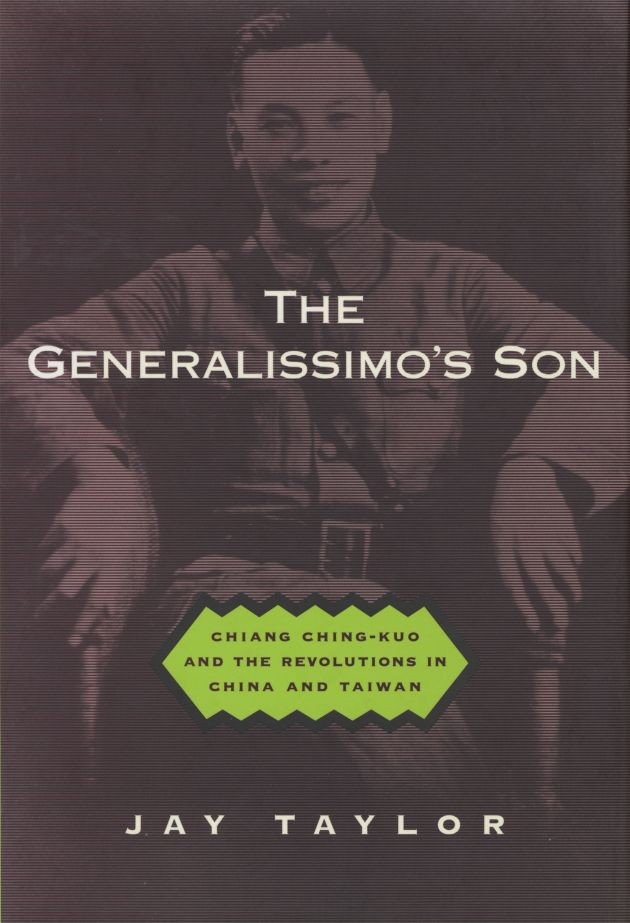
Preface:和ChatGPT合作完成。
蒋经国1910 年出生于奉化溪口,是蒋介石与毛福梅之子,之后继母为宋美龄。1925 年,他赴苏联学习,进入莫斯科孙逸仙大学which is 苏联培训中国革命干部的学校,受马列主义教育,接受严格的政治训练。国共决裂后,苏联“扣住”蒋经国改变其政治立场。这十年间,他经历了思想改造、被迫劳动、贫困生活、苏共监控,他亲眼看到暴力极权的运作,这些经历塑造了他深刻理解情治系统,相信组织铁腕,对权力高度敏感,不信任政治理想主义。后来,他在苏联娶了俄国人费蓮娜,二人婚姻朴素稳定,后来费蓮娜随他来台湾,性格极低调。抗战时期,蒋经国成为蒋介石心腹,1940年代在江西、浙江担任专员、主任,逐步掌控情治系统,军队纪律和地方行政。特别是江西新生活运动的铁腕统治,使他名声两极。国共内战时期,他的权力进一步上升。他掌管军统系人马,负责肃奸、维稳、反共宣传。到 1949 年随国民党迁台时,他已是准接班人选。
1950年代到1960年代,他相继掌控情报局,调查局,警总和宪兵系统。他不是唯一责任人,但是顶层决策的一部分。台湾的恐怖统治结构:“抓人不解释、审讯逼供、军法审判”,都与他的情治高压策略密切相关。但同时,他也是经济发展时期的重要推手。他有一套典型苏联式干部管理方式,但使用在台湾工业化上,大力引进技术官僚,支持十大建设,强化基础建设、公路、电力、水利,推动出口导向工业化,严厉打击贪污。他的政治铁腕与技术官僚体系结合,反而让台湾迅速成长。他打击黑金派系,但同时巩固党国体制,垄断媒体,不改选中央民意机构,打压党外,维持戒严。他与蒋介石关系,也从继承者到实际决策者。1972 年成为行政院院长,1978 成为总统。至此,他正式掌握台湾最高权力。而蒋经国晚年做出的决定彻底改变台湾历史。
1979 美丽岛事件,让他意识到台湾社会已经现代化,城市中产阶级觉醒,再压会引发更大危机。而1984 江南案,台湾情治单位暗杀美籍作家江南,引发美国强烈反弹,也导致国安系统被迫改革。为了让政权能在没有蒋家之后继续存活,为了避免国民党在他死后被推翻,他决定放开社会压力,控制转型速度,重建统治合法性,引入地方与社会力量,同时在外部压力下改善国际形象。这些动因让他走向一个他本人可能没想过的终点:民主制度化。
1986 年 9 月 28 日,党外人士在台北圆山大饭店召开公开会议。尽管台湾当时仍处于戒严状态,政党禁令尚未解除,但这一场合并非秘密聚会,而是以正常政治集会的形式进行,大量媒体受邀到场,情治人员则在周边观察。整个活动从头到尾维持平稳、有序,没有出现冲突或干预。
大会开始时,由党外资深民意代表主持会议,向与会者说明当天的目的:希望在既有的党外运动基础上,正式成立一个具备章程与组织结构的政治政党。这段说明是以一般会议程序方式进行的,气氛严肃但平静。接下来进入党纲草案的说明与通过。党纲早在会前经过多次会议讨论,其内容围绕民主宪政、人权保障、政治改革、结束长期动员体制、推动地方自治等原则。大会当天主要是宣读文本、提出简要说明,并以举手方式确认通过。这个程序完成得很快,没有出现争议或冗长讨论。
在党纲通过之后,大会转向党章草案。党章规定了政党的组织结构,包括党员资格、全国及地方党部的体制、委员会运作方式、财务与纪律规范等。草案同样在会前已经完成起草,当天的程序以宣读、说明、一致通过为主,也没有遇到阻碍或修改争执。与会者普遍把重点放在政党的正式成立,而非细节性的章程辩论。通过党纲与党章后,大会进入最核心的议程:成立“民主进步党筹备会”,并推选筹备会成员。会议推选出一组筹备委员,由经验丰富且得到各方支持的党外领袖黄信介担任筹备会主席。这个决定在与会者之间具有高度共识,也反映当时党外运动内部对黄信介的信赖。随即,黄信介以筹备会主席身份,在大会上宣布“民主进步党正式成立”。这一宣布过程简单直接,不带夸张仪式,也没有特别设计的宣示方式,但它标志着台湾政治结构史上一个关键时刻。与会者以掌声回应,气氛庄重、节制,没有狂热或外在张力。
成立宣告之后,筹备会向媒体与与会者说明接下来的任务,包括各地党部的筹组、党员招募的方式、未来中央党务运作的规划,以及党纲与党章在之后可能的修订程序。这些说明以原则性方向为主,细部工作预计在成立大会之后的数月陆续展开。活动后半段由媒体进行采访。记者询问成立的政治意义、政府可能的反应、未来的选举方向与组织布局。党外人士在大致一致的口径下回答,强调民主改革与公开运作的重要性。
会议最终顺利结束。当天没有任何驱离、干预、断电或逮捕事件,也没有发生混乱。情治人员虽在周边记录,但始终未介入。大会的形式与程序完全符合法定政治会议的模式,只是当时的政党禁令尚在,因此成立行为在技术上仍属违法。政府的实际态度则是默认这一行为继续进行。
Chiang Ching-kuo was born in 1910 in Xikou, Fenghua, the son of Chiang Kai-shek and Mao Fumei, and later the stepson of Soong May-ling. In 1925, he traveled to the Soviet Union to study at the Sun Yat-sen University in Moscow—an institution the Soviets established to train Chinese revolutionary cadres—where he received Marxist-Leninist education and underwent strict political training. After the Nationalists and Communists split, the Soviet Union “held on to” Chiang Ching-kuo in an effort to shift his political allegiance. Over the next ten years, he experienced ideological remolding, forced labor, poverty, and surveillance by Soviet authorities. He witnessed firsthand how a violent authoritarian system operated. These experiences shaped him into someone who understood intelligence and security apparatuses deeply, believed in strong organizational control, was highly sensitive to power, and distrusted political idealism. He later married a Russian woman, Faina, in the Soviet Union. Their marriage was modest and steady, and she later followed him to Taiwan, maintaining an extremely low profile.
During the Second Sino-Japanese War, Chiang Ching-kuo became one of Chiang Kai-shek’s closest confidants. In the 1940s, he served as commissioner and administrative chief in Jiangxi and Zhejiang, gradually gaining control over intelligence operations, military discipline, and local administration. His iron-fisted enforcement of the New Life Movement in Jiangxi made his reputation sharply polarized. During the Chinese Civil War, his power grew further. He commanded Military Bureau of Investigation and Statistics (the “military intelligence” system), and was responsible for purging traitors, maintaining stability, and running anti-communist propaganda. By the time he retreated to Taiwan with the Nationalists in 1949, he was already considered a de facto successor.
Throughout the 1950s and 1960s, he gradually took control of the Investigation Bureau, the Secret Police (Taiwan Garrison Command), and the military police system. Although he was not the sole decision-maker, he was undeniably part of the top-level apparatus responsible for political repression. Taiwan’s structure of authoritarian terror—arrest without explanation, coerced confessions, and military trials—was closely tied to his hardline security strategy. At the same time, he was also a major architect of Taiwan’s economic development. He adopted a Soviet-style cadre management approach but applied it to Taiwan’s industrialization: aggressively recruiting technocrats, supporting the Ten Major Construction Projects, strengthening public infrastructure, and pushing export-oriented industrialization while cracking down on corruption. His combination of political authoritarianism and technocratic governance contributed to Taiwan’s rapid economic growth.
He suppressed local corruption networks, yet simultaneously consolidated the party-state system. He maintained media monopolies, refused to hold full elections for central representative bodies, repressed opposition activists, and upheld martial law. His relationship with Chiang Kai-shek evolved from heir apparent to principal decision-maker. In 1972, he became Premier; in 1978, he assumed the presidency, formally taking control of Taiwan’s highest political authority. The decisions he made in the final stage of his life would fundamentally reshape Taiwan’s history.
The 1979 Kaohsiung (Formosa) Incident made him realize that Taiwanese society had modernized and that the urban middle class had awakened; continued repression risked provoking a deeper crisis. The 1984 Jiang Nan assassination—carried out by Taiwan’s intelligence operatives against a U.S.-based writer—triggered strong backlash from the United States and forced a restructuring of the national security system. To ensure that the regime could survive beyond the Chiang family, and to prevent the Kuomintang from being overthrown after his death, he decided to ease social pressures, manage the pace of political transformation, rebuild legitimacy, incorporate local and societal forces, and improve Taiwan’s international standing under external scrutiny. These motivations pushed him toward an endpoint he himself may not have foreseen: the institutionalization of democracy.
On September 28, 1986, opposition figures held a public meeting at the Grand Hotel in Taipei. Although Taiwan remained under martial law and the ban on political parties had not yet been lifted, the gathering was not clandestine. It proceeded as a normal political assembly, with substantial media presence and intelligence personnel observing from the periphery. From beginning to end, the meeting remained orderly and uninterrupted.
The conference opened with senior opposition legislators chairing the meeting and explaining its purpose: to build upon the existing opposition movement by formally establishing a political party with its own charter and organizational structure. The explanation followed standard meeting protocol, and the atmosphere was serious but calm. The assembly then moved on to the party platform. The draft platform had been discussed in multiple preparatory meetings, emphasizing constitutional democracy, human rights, political reform, the termination of the long-standing mobilization structure, and the advancement of local self-governance. On the day of the meeting, the text was read aloud, briefly explained, and approved by a show of hands, quickly and without dispute.
After the platform was passed, the assembly turned to the party charter. The charter outlined the party’s organizational structure: membership qualifications, national and local party branches, committee operations, and financial and disciplinary regulations. Like the platform, the charter had been drafted in advance. The conference followed the same straightforward process of presentation and unanimous approval. Participants generally regarded the formal establishment of the party as the priority, rather than debating the fine details of internal rules.
With the platform and charter approved, the meeting proceeded to its central task: forming the Democratic Progressive Party’s Preparatory Committee and selecting its members. A group of preparatory committee members was elected, and the experienced and widely supported opposition leader Huang Hsin-chieh was chosen as chair. This decision reflected the high degree of consensus within the opposition movement at the time.
Huang then formally declared the establishment of the Democratic Progressive Party. The announcement was simple and direct, free of elaborate ceremony, yet it marked a decisive moment in Taiwan’s political history. Attendees responded with measured applause—solemn and restrained, without exuberance or rhetorical flourish.
After the declaration, the preparatory committee outlined upcoming tasks for the press and attendees: establishing local party branches, recruiting new members, planning the party’s central operations, and preparing for future revisions of the platform and charter. These statements focused on general direction; detailed implementation was expected to unfold over the following months. In the latter part of the event, the media conducted interviews. Journalists asked about the significance of the party’s founding, the government’s possible reactions, and future electoral and organizational strategies. Opposition leaders responded with consistent emphasis on democratic reform and transparent political participation.
The meeting concluded smoothly. There were no disruptions, no interference, no power cuts, and no arrests. Intelligence personnel continued to observe from outside but did not intervene. Procedurally, the event resembled a standard political meeting, even though the formation of a political party remained technically illegal under the still-active party ban. The government’s practical stance amounted to tacit acceptance.