DATE
12/1/25
TIME
5:18 PM
LOCATION
Oakland, CA
The Inner Structure of Chinatown
唐人街内部结构
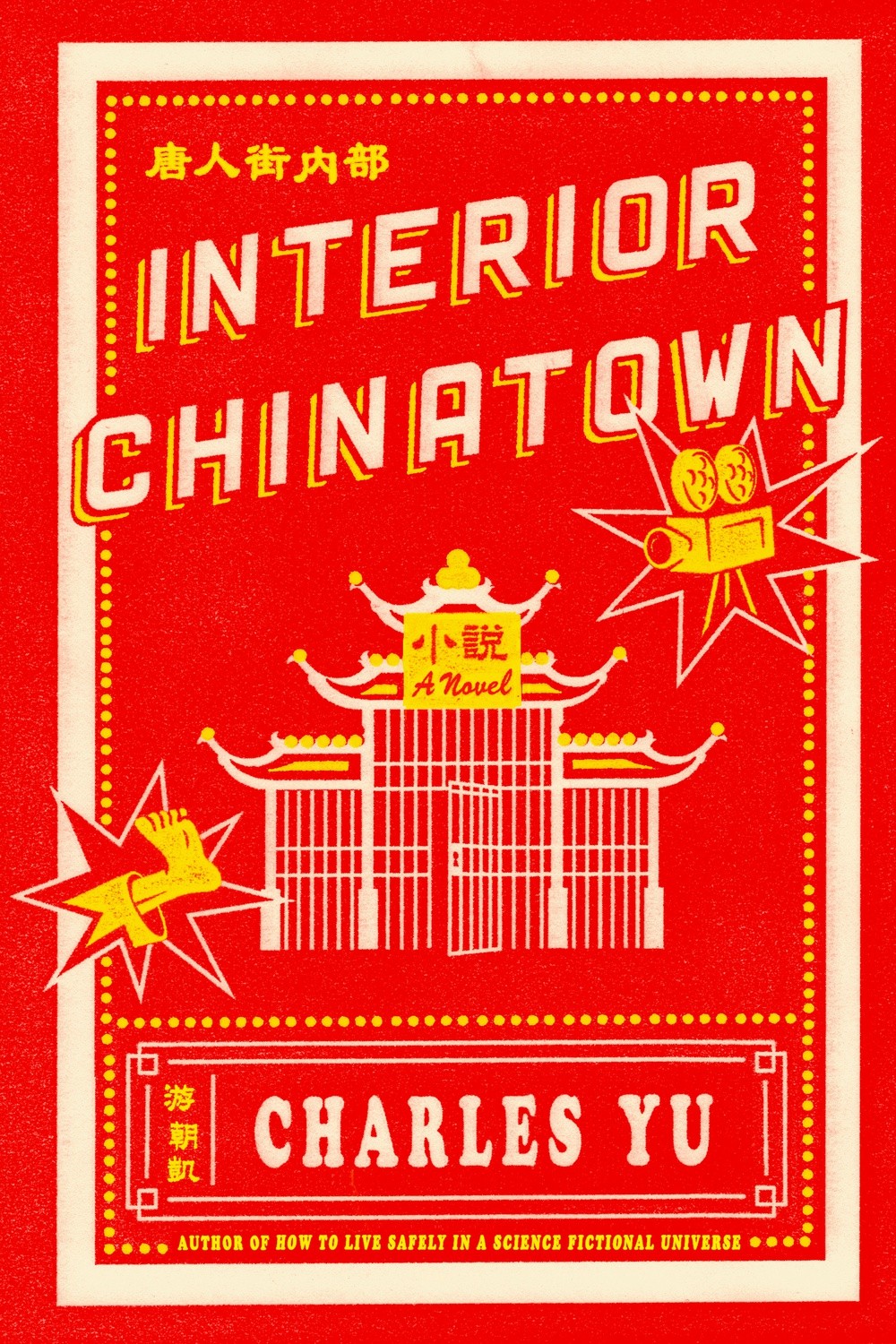
前言:接上篇 Oakland Chinatown Gangs(i),图文无关,和chatgpt合作写成。
19 世纪来到美国的华人,是典型的 contract laborer。他们不是来移民,不是来定居,也不是来扎根美国。对绝大多数男性劳工来说,主要目标是在最短时间内赚到钱,然后回乡。这是加州白人根本不理解的,白人是家庭式拓荒,是为了领地、未来、稳定;但华人劳工是自给自足、孤身冒险、赚够就走。这种移民模式从源头就预设,你不会留下来,你不需要融入,你没有资格成为“美国社会的一部分”,你只是一个廉价的、随时能被替换的、一次性劳动力。所有后续的排华逻辑都建立在这套“你不是来生活,你是来干活”的前提上。
对 19 世纪加州华人来说,严重男性过剩、家庭极少是事实,只有少数商人存在早期家庭。这意味着,他们没有家庭结构可以自我复制,没有财产权可以积累财富,没有法律保护可以求助,没有警察服务可以依靠。歧视、偏执、选择性执法、暴力纵容是有大量史料支撑的。Chinatown 从来不是族裔聚落,而是一个为了让异乡男人在敌对社会里活下去而自我组织出的社会系统。我把它理解为对抗外部暴力的影子国度,而这个影子国度内部的层级、组织、权力流动,完全是由当时的政治暴力与白人社会的排华结构逼出来的。
19 世纪中期的统计显示,华人基本是清一色男性,女性比例不到 1%。当时,在街上看到的华人几乎都是没有妻子、伴侣、家庭、依附结构的男人。而没有女性是由几个现实原因造成的。首先,清朝严控妇女出国,尤其不许平民女性远行。妇女出海被视为不守礼教,且有拐卖风险嫌疑,所以家族不放、人不敢来。同时,船费极贵,带女性无经济意义。男人能干活,能赚钱,能挖金;女性在当时的社会逻辑里,不能创造经济价值,所以家族只会把“能挣钱的人”送出国。后来《Page Act 1875》直接禁止华籍女性入境,理由是防止妓女入境。现实是,所有华籍女性都被当成妓女审查,几乎阻断华人女性合法移民通道。华人几乎无法在本地自然繁殖出完整的下一代,整体上是一个难以自我再生的社会。Chinatown 在很长一段时间里主要是成年男性轮换进出。
在加州早期,土地是白人拓荒者确立身份的核心资产。华工既不能成为公民,也在实际操作中几乎无法获得土地所有权;他们的住处几乎全部是租来的、临时搭建的建筑,随时可能被房东或市政府以“卫生”“防火”为名拆掉。没有土地意味着,他们永远是漂浮人口,无法积累长期财富,没有议价权,只会被视为租客、工人,而不是居民。没有土地,等于没有根。
19 世纪的华人不能投票,不能当证人,不能加入陪审团。尽管历史上确实有少量华人参战,例如南北战争里有个别案例,但 19 世纪华人工人阶层整体几乎与军队无缘。制度上,他们可以去报案,但现实结果往往是警方不管、不理、压下,在实际操作中几乎得不到有效保护。美国法律给他们贴的标签是“alien ineligible for citizenship”。这句话在后来的排华法中会反复使用。它的政治含义非常清楚:你不是未来美国的一部分,你不是要被融入的人,你不是可能会成为美国人的对象。政治权利被掐断以后,一切争端只能回到 Chinatown 内部结构解决,这就是堂口与会馆变得强势的根源。
People v. Hall 不是一个孤立案件。它定义的是加州的法律现实:华人不是可信证人,所以他们不是法律主体。他们不能保护自己,也不能互相保护。没有司法保护的后果是致命的,白人可以随意殴打、抢劫、杀害华工,在很大程度上可以逍遥法外。大量针对华人的暴力案件要么不立案,要么不起诉,要么轻判。警察不处理华人案件,除非牵涉白人利益。如果华工被抢,报警没有意义,你甚至可能因为报警而被当场打死。白人收税团可以合法施暴,强制收华人工商税,就是因为华人不能作证。
你把任何族群放进这个组合,都会出现性、酒、毒品、赌博,这不是文化,而是人口结构的铁律。Chinatown 的灰色并不是自带,而是一个无法形成家庭的社会,只能发展出替代性的亲密机制与发泄机制。而没有女性,直接造成色情业的垄断化与帮会控制。华人女性极度稀缺,进入美国还被《Page Act》层层阻截。
白人社会又普遍禁止跨族婚姻、跨族同居,白人警察甚至会抓捕白女与华男情侣。反异族婚姻法(anti-miscegenation laws)里可以看到,在加州对白人和黑人或亚裔等婚姻确实长期禁止,对白女与华男尤其敏感,有史料记载。于是,少数华人女性成了被堂口、会馆、甚至白人警察共同剥削的资源。妓院变成钱、情报、势力范围的工具。堂口保护妓院不是为了道德堕落,而是在一个没有女性资源的社会里,控制女性就是控制男性。而一个族群被制度从上到下剥光,它必然自己长出替代国家功能的组织。这不是堕落,而是自救。
Chinatown 的核心结构是四层叠加的。第一层是会馆,也就是城市里的“领事馆”。会馆不是社区中心,而是劳工代理、财务中介、旅费贷款机构、临时庇护所和对外谈判代表。会馆按籍贯划分,例如广府、四邑、客家、宁阳、台山等。每个会馆负责自己那一省的人,提供接人、落地注册、介绍工作、垫付生活费、葬费、旅费,遇到白人欺压、暴力时出面和解。会馆不是慈善组织,它的本质是一个金融与社会控制系统。新工人的劳务收入要向会馆缴费,借贷需要利息,会馆可以封杀不听话的劳工。会馆之间也会争地盘、争人头。会馆是 Chinatown 对外的合法门面,但真正维持秩序的,是下一层。
第二层是堂口,也就是影子司法与影子警察。堂口的出现是因为白人法院不让你作证,白人警察不保护你。没有司法,就必须自己创造司法;没有警察,就必须自己创造警察。堂口最早不是黑帮,而是负责仲裁纠纷、帮忙追债、保护劳工、护送货物、处理同行矛盾、保证会馆贷款能收回,并和白人警察谈不干预协议。但因为堂口最终掌握了暴力、金钱、劳工、情报、人命的流动权,很自然地演变成灰色势力。堂口常有自己的打手、收账队、情报网、保护费系统和地盘控制。白人城市警察知道这一切,但选择合作,堂口行贿,警察默许。堂口最大的功能,是让一个政治上没有人权的族群,在法律真空里维持最低限度的秩序。
第三层是行业公所,可以理解为经济自救系统。行业公所更为专业化,管辖范围包括码头搬运工、洗衣业、裁缝、木工、厨师、店铺、港口劳工以及赌场、茶馆等商户。这些公所负责管价格,以避免恶性竞争;管工人,帮他们登记、调配;管纠纷,包括工资、欠款、盗窃;提供疾病、葬礼等有限福利。它们是按行业维持 Chinatown 运转的经济骨架。但同时,也会被堂口吸纳或保护,所以行业公所和堂口之间的边界逐渐模糊。
第四层则是秘密社会,例如暗会、帮会,也就是白人社会口中的黑帮原型。白人社会喜欢把所有 Chinatown 势力都叫做“tong wars”,但实际上有差别。真正的黑帮来自祠堂兄弟链、咏春、洪门、致公堂以及清朝反清力量天地会等。这些组织带有政治、秘密结社、互助、义气等色彩。在美国,他们被迫转型成地盘控制、赌馆、烟馆、高利贷、劳工黑市,并收取保护费。因为合法职业很少,族群法律受限,只能进入地下经济,排华制度把他们驱赶到灰色区域。
如果你把 Chinatown 当一个系统,它的运作逻辑很明确:会馆是政府,堂口是暴力与司法机构,行业公所是经济部,而暗会是军阀与地下财政。这不是文化选择,而是结构性暴力的必然结果。
推荐阅读:
McClain (1984) — People v. Hall
Peffer (1990) — The Page Act and the exclusion of Chinese women
Atkinson (2008) — The bachelor society
Siu (1952) — The sojourner
Lai (1973) — Organizational structure of the huiguan (Chinese benevolent associations)
Wilson (1980) — Structural analysis of Chinese secret societies
Pfaelzer (2005) — Overview of anti-Chinese violence
Saxton (1971) — Mechanisms of anti-Chinese violence in California
Wong (1978) — Social functions of opium dens
Harrell (1995) — The political economy of vice in Chinatown
Preface: This continues from the previous piece, Oakland Chinatown Gangs (i). Text and images are unrelated. Made possible by Chatgpt.
In the 19th century, Chinese who came to the United States were essentially contract laborers. They did not come as “immigrants” in the sense of settling, nor to put down roots. For the vast majority of male workers, the main goal was simple: earn as much money as possible in the shortest time, then return home. This was something white Californians fundamentally did not understand. White settlers came as family units, to claim land, build a future, and seek stability. Chinese laborers came as self-contained individuals: traveling alone, taking risks alone, and leaving once they had earned enough. From the start, this migration pattern presupposed that you would not stay, you did not need to assimilate, and you had no standing to become “part of American society”: you were cheap, disposable labor that could be replaced at any time. All subsequent exclusionist logic was built on this premise that “you are not here to live; you are here to work.”
For 19th-century Chinese in California, extreme male overrepresentation and the near-absence of families was a fact; only a small number of merchants managed to establish early family households. This meant they lacked family structures that could reproduce themselves, lacked property rights that could accumulate into wealth, lacked legal protection they could turn to, and lacked police services they could rely on. Discrimination, prejudice, selective enforcement of the law, and tolerated violence are all extensively documented. Chinatown was never simply an “ethnic enclave”; it was a social system self-organized so that strangers in a hostile land could stay alive. I think of it as a shadow polity, set up to resist external violence. And the internal hierarchy, organizations, and flow of power within this shadow polity were entirely forced into being by the political violence and exclusionist structures of white society at the time.
Mid-19th-century statistics show that the Chinese population was almost entirely male, with women making up less than 1%. In practice, almost every Chinese person you saw on the street was a man without a wife, partner, family, or stable kinship network. There were several very concrete reasons for the absence of women. First, the Qing state strictly controlled women’s travel abroad, especially forbidding commoner women from long-distance journeys. Women going to sea were seen as violating Confucian norms and were also suspected of being at risk of trafficking, so families refused to let them go and individuals themselves did not dare. At the same time, passage was expensive, and bringing women made no economic “sense”: men could work, dig for gold, and earn wages. Women, in the logic of that era, did not generate direct economic value. So families only sent out “those who could earn.”
Later, the Page Act of 1875 effectively barred Chinese women from entering the United States, under the pretext of preventing the entry of prostitutes. In reality, all Chinese women were interrogated as suspected prostitutes, which almost completely cut off legal migration routes for Chinese women. As a result, Chinese communities had almost no way to naturally reproduce a complete next generation locally; structurally, this was a society that struggled to regenerate itself. For a long time, Chinatown was essentially a place where adult men rotated in and out.
In early California, land was the core asset by which white settlers established their status. Chinese laborers could not become citizens, and in practice they were almost entirely unable to obtain land ownership. Their dwellings were almost all rented or makeshift structures, which landlords or city governments could demolish at any time under the pretext of “sanitation” or “fire safety.” Lacking land meant they were permanently a floating population, unable to accumulate long-term wealth, with no bargaining power, seen only as tenants and workers, not as residents. No land means no roots.
In the 19th century, Chinese people could not vote, could not testify (in key contexts), and could not serve on juries. While there were indeed a few Chinese individuals who served in the military—for example, isolated cases in the Civil War—the Chinese working class as a whole was almost entirely cut off from military participation. On paper, they could file complaints with the authorities, but in reality the outcome was often that police ignored them, dismissed them, or buried the case. In practice, they rarely received effective protection. American law slapped them with the label “alien ineligible for citizenship.” This phrase was repeatedly invoked in later exclusion laws. Its political meaning was very clear: you are not part of America’s future, you are not someone who is meant to be integrated, you are not a person who might someday “become American.” Once political rights are cut off, all disputes can only be handled within Chinatown’s internal structures. This is the root of why tongs and huiguans (associations) grew so powerful.
People v. Hall was not an isolated case. It defined the legal reality in California: Chinese were not credible witnesses, and thus not full legal subjects. They could not protect themselves or each other. The consequences of lacking judicial protection were deadly: white men could beat, rob, and kill Chinese laborers and, to a large extent, walk away unpunished. A huge number of violent cases against Chinese were either never filed, never prosecuted, or resulted in trivial sentences. Police did not handle cases involving Chinese unless white interests were directly implicated. If a Chinese laborer was robbed, calling the police was meaningless; you might even be beaten to death on the spot for “causing trouble.” White tax-collecting gangs could use legal violence to force Chinese to pay special taxes and levies simply because Chinese could not testify against them.
If you put any population into this combination of factors, you will get sex, alcohol, drugs, and gambling. This is not “culture”; it is a structural law of demography. Chinatown’s “grey economy” was not innate; it was the inevitable result of a society that could not form stable families and thus had to develop substitute forms of intimacy and release. The absence of women directly produced a monopolized sex industry under the control of organized groups. Chinese women were extraordinarily scarce, and those who tried to enter the U.S. were blocked at multiple levels by the Page Act. White society, meanwhile, generally prohibited interracial marriage and cohabitation; white police would even arrest white women with Chinese male partners. Anti-miscegenation laws in California explicitly banned marriages between whites and Black people or Asians for long periods, and the state was particularly sensitive about unions between white women and Chinese men; there is archival evidence on this. As a result, the few Chinese women who did exist became resources simultaneously exploited by tongs, huiguans, and even white police. Brothels turned into tools for generating money, gathering intelligence, and securing territorial influence. Tongs did not protect brothels out of “moral depravity,” but because in a society without female resources, controlling women meant controlling men. When a group is stripped from top to bottom by the system, it will inevitably grow organizations that substitute for the functions of a state. That is not moral collapse; it is self-rescue.
The core structure of Chinatown can be thought of as four overlapping layers. The first layer is the huiguan—essentially the “consulates” of the city. Huiguans were not community centers; they were labor brokers, financial intermediaries, travel-loan agencies, temporary shelters, and external negotiators. They were divided by native-place origin, such as Guangfu, Siyi, Hakka, Ningyang, Taishan, and so on. Each huiguan took responsibility for people from its own region, arranging reception, registration, job placement, advances for living costs, funeral expenses, and travel, and stepping in when white violence or bullying occurred. A huiguan was not a charity; at its core it was a financial and social control system. New workers had to contribute a portion of their earnings, loans carried interest, and a huiguan could effectively blacklist workers who disobeyed. Huiguans fought over territory and “headcount.” Outwardly, they were Chinatown’s legitimate face to the outside world. But the real maintenance of order fell to the next layer.
The second layer is the tong—the shadow judiciary and shadow police. Tongs emerged because white courts would not let Chinese testify and white police would not protect them. Without a judiciary, you must create your own judiciary. Without police, you must create your own police. At the beginning, tongs were not “gangs” in the modern sense; they arbitrated disputes, chased down debts, protected workers, escorted goods, handled conflicts between businesses, ensured huiguan loans were repaid, and negotiated non-intervention deals with white police. But because tongs eventually controlled the flow of violence, money, labor, information, and even life and death, they naturally evolved into grey-zone power centers. Tongs had their own enforcers, debt-collection teams, information networks, protection-fee systems, and turf control. White city police knew this perfectly well but chose to cooperate: the tong paid bribes; the police looked the other way. The tong’s most important function was to allow a politically rightless population to maintain a minimum level of order in a legal vacuum.
The third layer is the guild-type trade associations—the economic self-rescue system. These more specialized organizations covered dockworkers, laundrymen, tailors, carpenters, cooks, shopkeepers, port laborers, as well as operators of gambling houses and teahouses. These associations set prices to prevent destructive competition; they managed workers, registering and reallocating them; they handled conflicts over wages, debts, and theft; and they provided limited benefits for illness and funerals. By trade, they formed the economic backbone that kept Chinatown running. At the same time, they were often absorbed into or protected by tongs, so the boundaries between trade associations and tongs gradually blurred.
The fourth layer consists of secret societies—clandestine brotherhoods and sworn associations that white society lumped together as “tong wars” and “Chinese gangs.” White observers liked to call all of Chinatown’s power structures “tongs,” but in reality there were differences. The more “gang-like” forces grew out of ancestral-hall brotherhoods, martial fraternity networks like those surrounding Wing Chun, the Hongmen, the Chee Kung Tong, and anti-Qing movements such as the Tiandihui. These organizations carried political, conspiratorial, mutual-aid, and “righteous brotherhood” qualities. In the United States, they were forced to transform into controllers of territory, gambling houses, opium dens, high-interest lending, and the black labor market, while also collecting protection fees. Because legitimate career paths were scarce and the group’s legal rights were constrained, they were pushed into the underground economy. Exclusionist policies herded them into the grey zone.
If you treat Chinatown as a system, its operating logic is very clear: the huiguan is the government, the tong is the apparatus of violence and justice, the trade associations are the economic ministry, and the secret societies are warlords and underground finance. This is not a cultural choice; it is the structural outcome of systematic violence.
Recommended Readings:
McClain (1984) — People v. Hall
Peffer (1990) — The Page Act and the exclusion of Chinese women
Atkinson (2008) — The bachelor society
Siu (1952) — The sojourner
Lai (1973) — Organizational structure of the huiguan (Chinese benevolent associations)
Wilson (1980) — Structural analysis of Chinese secret societies
Pfaelzer (2005) — Overview of anti-Chinese violence
Saxton (1971) — Mechanisms of anti-Chinese violence in California
Wong (1978) — Social functions of opium dens
Harrell (1995) — The political economy of vice in Chinatown