Created on
Updated on
非常dense的基督教教义内容解读、加尔文写的
On the Corruption of Human Wisdom, the Witness of Nature, and the Foundations of Protestant Piety
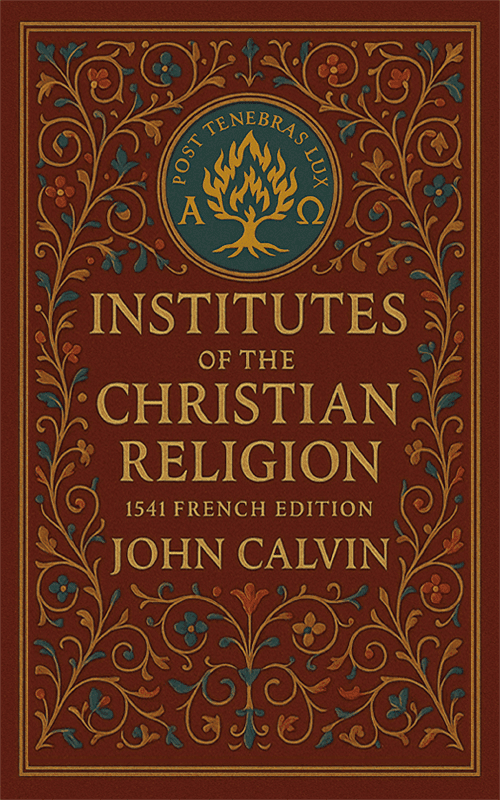
Preface: details of the first book of Institutes of the Christian Religion.
1) 这认识的败坏消灭,半由于无知,半由于邪恶
第四章,“这认识的败坏消灭,半由于无知,半由于邪恶”。以下部分是原文。“经验证明,上帝在每人心里虽然撒下了宗教的种子,可是百人中难得一人爱惜自己所领受的,种子长大成熟的更无一人,慢说到时结果了。有人也许是在迷信中变为虚妄的,有些人却是存心作恶,反抗上帝;结果他们都从对上帝的真知识中堕落了,在世上真敬虔则荡然无存。我说有人因错误而陷于迷信,并非暗示说,他们的罪债可因无知而得蒙饶恕,因为他们的盲目常与他们的骄傲、虚荣、和顽梗相结联。可怜的人在寻求上帝之时,并不照他们所当行的,在自己之上寻求他,却依照肉体的愚妄,舍观察应循的正道,以虚空好奇的推测来判断上帝,他们的骄傲和虚荣就在此表露了。他们的上帝观,不是按照上帝所显示自己的,乃是以他们自大的想象为根据。”这一段大概是说,人们因为自己的“罪恶”,即骄傲、虚荣、和顽梗,盲目而自信。人们总是以自己去推测上帝,但上帝其实完全不是他们想象的那样。“这缺口一开,他们不论走哪一条路,都必趋于毁灭。不论他们以后如何敬拜或服事上帝,都算不得为上帝而行,因为他们所敬拜的不是上帝,而是自己脑筋所虚构的事物。保罗特别论到这种堕落说:“自称为聪明,反成了愚拙”(罗1:22);以前又说过:“他们的思念变为虚妄”(罗1:21)。为免有人宽恕他们,所以他又说,他们受蒙蔽是罪有应得,因为他们不安分守己,妄自尊大,肆意骄傲,醉心虚妄与邪恶。所以他们的愚拙是无可获赦的;这种愚拙不仅是由于虚妄的好奇心,也是由于假自信,与妄想超过人类知识限度的过分欲望。”这一段我懂,人们对上帝的想象永远是有局限的,就像柏拉图的Allegory of the Cave,人通过影子对本身的想象一定是很局限的。但保罗说人们被蒙蔽罪有应得,我不确定我是否赞同,人蠢不是他的问题,天分无而已。
“二、 大卫所说的,“愚顽人心里说,没有上帝”(诗14:1),正如以下所要讨论的,是专指那些自毁天性的亮光,故意安于愚拙的人而言。我们看见,有许多人肆意犯罪,顽固成性,竭力想从记忆中,排除那本性向他们心灵所提示的上帝的观念。为要使他们的疯狂显得更可厌,诗人就说他们是公然否认上帝的存在;这不是说,他们抹煞了他的存在,乃是因为他们剥夺他的公义与照顾,把他当作闲懒者关在天上。既然与神意相反的莫甚于舍弃对世界的统治,将它委诸命运,纵容人的罪,使人放荡淫佚,所以凡对上苍的审判毫无恐惧,沉迷于世俗之中的人,就是否认有上帝。”这一段是在说,沉迷享受、酒池肉林,而不以更高的标准要求自己的人,大都不信上帝。他们合理化自己的问题,向自己的欲望、恐惧、嫉妒等等give in,并说这只是自然规律。信上帝,则是以更高的标准要求自己,pratice self-discipline,日复一日,把自己奉献给他人,正如耶稣为了世人的罪恶死去一样。我们把自己交给上帝,相信他,指引我们的路。不要在意自己的痛苦、失去、侮辱,这是上帝给你的任务。有点类似中国的“天将降大任于斯人也,天将降大任于斯人也,必先苦其心志,劳其筋骨,饿其体肤,空乏其身,行拂乱其所为,所以动心忍性,曾益其所不能“。也有点类似佛教的,慈悲为怀,度众生等的概念。
“恶人一旦故意闭着自己的眼以后,上帝就叫他们心地昏暗,有眼而不能见,作为公义的报应(参赛6:9)。大卫在另一处解释得好:“恶人在他心里说,我眼中不怕上帝”(诗36:1);又说他们竞相为恶,沾沾自喜,以为上帝不观看他们(参诗10:11)。他们虽然勉强承认上帝的存在,即以否认他的能力来夺去他的光荣。按照保罗的见证,上帝“不能背乎自己”(提后2:13),因为他是永不改变的,所以那些把他假装为虚空而无生命之偶像的人,即是真正否认上帝。还有一点要申述的,即是他们尽力背着自己天然的了解,想从心上忘掉上帝,甚至在天上也要消灭他,但他们的愚昧终归无法逃避上帝的制裁。他们之敢于无忌惮地反抗神的旨意,随从盲目的冲动,是他们鲁钝地忘记了上帝。”永不改变,到让我想到另一个物体,光。光速在任何环境下都不改变,会不会光就是上帝的眼光呢?这一段是在说,明明知道上帝存在,还否认他存在的人,是虚空的。但即便这样,这些人也无法逃避上帝的制裁。捂着眼睛,上帝也存在。“三、 这样,许多人为自己的迷信所作无效的声辩,根本被推翻了;因为他们认为不论如何荒谬,只要对宗教稍加注意便够了,却不想到真宗教必以神的旨意为永久的准则;上帝是始终不变的;他不是按每人的空想而变形的幽灵。迷信怎样想取悦上帝,却是以虚伪的敬拜嘲弄上帝,是很容易看出来的。既然迷信只遵奉上帝所轻视的事,所以,它不是轻蔑地忽略,就是公然拒绝上帝所喜悦之事。那些以新创的方式拜上帝的人,其实是崇拜自己幻想的产物,因为他们若不先以虚构一位合乎他们自己虚伪愚笨之观念的神,就绝不敢如此玩忽上帝。“这里讨论了”迷信“和”上帝“之间的区别,即”迷信“会misrepresent 上帝。迷信是幻想,上帝是上帝。
“所以保罗认为神的观念模糊不定,即是不认识上帝。他说:“从前你们不认识上帝的时候,是给那些本来不是神的作奴仆”(加4:8)。他在别处说以弗所人“没有上帝”(弗2:12),而他们在对唯一真上帝的正确知识上,原是局外人。至于你自以为有一位或几位神,并无多大重要,因为无论怎样,你都是偏离背叛真上帝;既弃绝了他,你所剩下的只有一个可恶的偶像而已。所以我们必须赞同拉克单丢(Lactantius)的主张,即不合乎真理的宗教,不能算为真的。”保罗觉得,对上帝没有绝对信任的人,对上帝没有全知全能的了解的人,对上帝的绝对权威和决定权没有信服的人,都不认识上帝。或者说,没有认识到他的重要心。
“四、 还有一种罪,就是他们只有违着心愿才思念上帝,若非被逼也不会亲近他;他们到他前来,不是出于因尊敬神伟大而生的一种自愿的敬畏,而是因为那无可幸免的神的审判所逼而生的奴性恐惧;他们因为恐惧神的审判所以对它又痛非常。斯他丢(Statius)所说,世上之最初有神是由于恐惧,惟独可以适用于这些不敬之人身上。那些与上帝的公义隔绝之人,只切望推翻他们所明知是为着刑罚恶人而设的审判。他们既如此存心,就与那掌审判之权的主相对抗;到了自料无从抵抗主的膀臂之时,就战栗危惧。他们多少奉行些宗教的形式,免得乎完全藐视那威严逼人的上帝;同时他们还是继续沾污自己,尽量沾染恶习,一再干犯弥天大罪,直到一一破坏上帝的圣律,和它的公义。无论如何,他们假装对上帝的敬畏,并不能防止他们以作恶为乐;他们宁愿随从自己肉体的放纵,也不肯受圣灵的约束。既然这只是宗教虚伪的影子,其实还够不上称为幻影,所以在对上帝的这种紊乱观念,和那只存在信徒心里作为宗教根源的敬虔,两者之间的差异很容易推想得到。可是远离上帝的伪君子,为假装对他忠诚起见,不惜采取迷信的诡计。本来他们应该终身服事他,但几乎一切行为上,他们都毫不顾忌地背叛他,仅偶然希图以藐小的祭礼向他讨好。本来他们应以圣洁的生活和诚实的心去服事他,但他们却虚构些卑不足道和毫无价值的仪文,来求他的恩宠。他们更加放纵,溺于淫邪,因为他们相信能用可笑的补偿,尽他们对上帝的义务。总之,他们本来应当信靠上帝,却忘记了他,却信靠自己或其他受造之物。最后,他们的错误愈积愈多,以致那使他们发现上帝荣光的一线光明,也被遮蔽了,至终则被罪恶的黑暗所消灭。有神存在这意识,是不能铲除、始终存留的种子;不过这种种子业已变坏,所以只能结最坏的果子。这更证明我现在所认定的,即对上帝的观念,是天然印入人心的,因为甚至恶人也不得不被逼承认这种观念。在心境安宁无事之时,他们嘲弄上帝,又鲁莽无礼地贬损他的权能,但一旦受失望压迫,失望就刺激他们寻求上帝,迫使他们祷告,这证明他们并非不认识上帝,不过那老早应该表现的情绪,因顽固而被压抑罢了。”
2) 对上帝的认识表现在宇宙的构造与继续管理中
一、完全的快乐生活既包含于对上帝的认识之中,所以上帝为要使每人都可以达到幸福的境地起见,不但把宗教的种子撒在人心里,而且在宇宙各部分创造中表现了自己,又每天向众人显现,叫他们睁开眼睛没有看不见他的。他的本体真是不能了解的,所以他的威严不是人的感官所能看到的;但他却已把他的荣光像印记般清清楚楚地表现在他的一切工作上,虽下愚也不能托词无知而自恕。所以诗人说:“他披上亮光,如披外袍”(诗104:2);他无异是说,他最初以可见的外表显现,是在宇宙受造之时,他那时所表现的荣光,在各方现在还是显著的。这诗人在同一地方把广阔的天空比作宫殿,说:“在水中立楼阁的栋梁,用云彩为车辇,借着风的翅膀而行;”又以风和电光为他的使者。因为他权能与智慧的光荣更灿烂地在上照耀,于是广大穹苍便被称为他的宫殿。
你目光所及之处,没有不从宇宙间的每一原子之中看到他荣光的。当你看到宇宙这一部美轮美奂的机器,你对它无限的光华将不胜惊异之至。所以希伯来书的作者巧妙地把世界看为无形事物的表现(参来11:3),因为宇宙的匀称得体正如一镜子,叫我们可以在它里看到那原是无形无像的上帝。所以诗人说,诸天以都能明了的言语,使世上最无知的人,因它们的明显见证也对神有所认识。可是保罗更清楚肯定地论到这有助于对上帝之认识的显现,说:“自从造天地以来,上帝的永能和神性是明明可知的,虽是眼不能见,但借着所造之物,就可以晓得”(罗1:20)。
二、关于他的奇妙智慧,天地间都有无数的证据;这些证据不仅是在天文、医药,和全部自然科学所研究的那些难解的事物中,而且在那些甚至世上最无知的人一睁开眼睛就可以看见的事物中。诚然,学术精通的人因此能够更进一步探讨神智慧的奥秘;不过没有科学知识并不就此使人无从观察那足以激发人对神创造的钦敬之心的上帝的作为。至于星宿的运行、位置、距离,及其特性的研究是需要专门的技巧、精确和勤奋的;上帝的照顾既借这些科学的发现而更为彰显,人心就应当更加提高来思念他的荣耀。既然最卑下愚蠢的人,只要有眼可见,对于那在变幻无穷而井井有条的无数天体之中所表现神工作的优美,也不致茫然无知,可见主对世上每一个人都充分表现他的智慧。有非常技巧的人,才能用迦伦(Galen)的精确方法考查人身各部的关系、匀称、美丽和用途,但人身的结构普遍地被认为是非常灵巧,使它的创造者值得成为赞美的对象。
三、所以,古代有些哲学家恰当地称人为小宇宙,因为他是上帝的权力、仁慈和智慧的优美标本,我们若有心研究,他内部所藏的奥妙,是足够我们探讨和注意的。因此,保罗说了要叫盲目之人“寻求上帝,或者可以揣摩而得”以后,随即又说:“他离我们各人不远”(徒17:27),因为每人内心对那赐与他生命的天上的仁慈,有一种不可怀疑的认识。如果对上帝的观念是不必求之于我们自身以外的,那么,那些不肯反求诸己以寻找上帝的人,是何等懒惰!因此,大卫在称赞了那普遍显著的上帝的奇妙之名与荣耀以后,就说:“人算什么,你竟顾念他?”又说:“从婴孩和吃奶的口中,你建立了能力”(诗8:4,2)。这不仅明说人类是反映上帝工作的明镜,也是说,甚至吃奶的婴孩也可以宣扬他的荣耀,而不必要别的雄辩家;所以上帝毫不犹豫地把婴儿提出来,使他们满有能力,去驳倒那些存心恶毒骄傲、想毁灭上帝圣名之人的狂妄。保罗因此也引证过亚拉突(Aratus)的话说:“我们也是他所生的”(徒17:28),因为他之以如此优美的品质予我们,已经证明了他是我们的父。所以,外教诗人受常识与经验的暗示而称他为人类之父。除非人首先体验到他的父爱而受感动并敬爱他,否则谁也不会把自身完全奉献给上帝。
四、人类卑劣的忘恩负义之心,就在这里表现出来了。他们本应当颂扬上帝创造他们的奇妙工作,与赐给他们的无量恩惠,反而更加踌躇自满。他们看出上帝是如何奇妙地在他们心里运行;经验告诉他们,他们由上帝的厚恩所领受的幸福是何等繁多。他们不论是否愿意,也要被迫承认,这些都是他的神性证据,然而他们却把这认识压抑在心里。诚然,只要他们不把那得自于天的看为是自己的,而消灭那启导他们心灵更加清楚认识上帝的亮光,他们尽可以求诸于己。甚至在今天,也有许多脾气古怪的人,不惜败坏那撒在人性中的一切神性种子,而埋没上帝的圣名。人在身体灵魂两方面发现了上帝的无数证据,竟以这优美作为否认他存在的借口,这疯狂是何等可恶!他们固然不会说自己之异于禽兽是出乎偶然;但他们却认为这是出乎自然,以自然为万物的创造者而抹杀上帝。他们在自己的身体各部从头到脚,都看出创造匠心的精微,而他们在此也是以自然代替上帝。尤其是心灵的敏捷动作、高尚的功能、优美的禀赋,都表明一位不易隐藏的神,除非以伊壁鸠鲁派,像塞克罗浦斯(Cyclops)巨人一般,居然胆敢以这样的优美禀赋作为反对上帝的根据。既然天上智慧的这么多宝藏都用来治理这五尺之躯,难道全宇宙竟没有这特权吗?至于说,在灵魂里有和身体各部分相当的某种机构,这非但不是掩盖神的荣耀,反而是彰显他的荣耀。请以伊壁鸠鲁回答这问题好了:原子如何集合,能使饮食混合,叫一部分排泄出来而一部分变为血液,又使身体各部执行不同的任务,有如有许多灵魂同心支配一个身体呢?
五、我目前的事是和这群栏里的猪无关的;我所说的乃是针对那些受了荒谬的微妙之说所影响,想间接利用亚里士多德的死板规则,以破坏灵魂的不朽,并剥夺上帝权利之人。他们因为身体各器官受灵魂功能所支配,就以为灵魂与身体息息相关,甚至不能离身体而独存;他们又以歌颂自然来尽力排除上帝的圣名。但灵魂的能力绝非肉体功能所能限制;试问,对于天体的测量、星宿的数算、星体的估量、距离的推测、运行的速率,以及经纬的角度,对肉体有何相干呢?我确实承认天文学有其用途;不过我要说明,这些对天体的高深研究,并不需要肉体的合作,而是靠那与肉体完全无关的灵魂的作用。我已经提出了一个实例,读者可以由此类推。心灵各方面的巧妙变化,使心灵能观测天地,能结合过去与现在,能记忆往事,能运用想象随意构思,并能发明创造各种艺术,这都是人里面有神性的明证。此外,在睡眠中,心灵行动自如,而且还能想出许多有用的观念,研究各种问题,甚至为未来之事筹划。这岂不是说明,不朽刻在人心中的印证是绝不可涂抹的吗?出自于神的人,竟不承认他的创造者,是为了什么理由呢?我们借着所领受的判断力,能够分辨是非,难道在天上竟没有施行审判的吗?我们甚至在梦中,尚且有智慧思辨的残迹,难道竟没有统治宇宙的上帝吗?我们是否应被尊为许多有用艺术的发明者,而诈取上帝的荣耀吗?可是经验告诉我们,我们一切所有的都是某至高主宰所赐的。有些人议论纷纷,以为暗中有灵感使全世界有生气,这种喧闹不但没有道理,而且完全是亵渎。
3)第三段
在第六章确立“只能通过圣经认识上帝”之后,《基督教要义》随即进入一个更根本的问题:圣经本身的权威从何而来。加尔文在这里切断了一条看似合理、实则危险的路径——圣经不是因为“教会承认”才成为真理。恰恰相反,教会之所以存在,是因为圣经先存在。圣经的权威并不建立在制度、历史判断或理性论证之上,而是建立在一个更不可回避的前提上:上帝在其中说话。人之所以会“确信”,并不是因为逻辑被说服,而是因为圣灵在人的内心中完成了确认。理性与证据可以辅助,却永远不能成为根基。在确认认识上帝的权威来源之后,加尔文转而讨论上帝“是谁”。这里的重点并不在于哲学式的定义,而在于提醒人:上帝的属性只能在祂的作为中被认识。上帝是独一的、永恒的、自有的、全能而公义的,但这些词不是供人反复把玩的概念,而是要求人以敬畏来回应的现实。任何出于好奇、试图窥探上帝本体的冲动,在加尔文看来,都会把人带离真正的认识。正是在这种背景下,他对“神像”的态度显得异常强硬。将上帝变成可见形象,不是形式问题,而是本质问题。所有神像,本质上都是对无限者的压缩和歪曲。人类天然渴望看得见、摸得着的对象,于是不断试图把上帝拖入感官世界。但这种行为并不会让人更接近上帝,反而会制造一个可被操控的替代物。偶像崇拜从来不是历史遗留问题,而是人性结构的问题。
由此,加尔文进一步强调:敬拜的对象只能是上帝本身,而且必须是完整、不被分割的上帝。真正的敬拜不是仪式的堆砌,也不是情绪的高涨,而是内心对上帝主权的承认。一旦人把终极意义、荣耀或依附投向任何受造物——无论是个人、权力、制度还是理念——敬拜就已经发生了偏移。上帝的荣耀在这里不是道德口号,而是一条不可协商的界线。在论及三位一体时,加尔文并未试图“解释清楚”上帝,而是努力避免错误。他拒绝将父、子、圣灵混为一体的模糊论,也拒绝把子与圣灵视为次等存在。他坚持一个张力结构:上帝在本体上是一,在位格上有区分。这不是逻辑游戏,而是为了防止人用简化模型替代真实信仰。三位一体在这里并不是神秘装饰,而是对上帝真实存在方式的最低限度尊重。随后,视角从上帝本身转向受造世界。世界不是偶然形成的舞台,而是被秩序、智慧与目的所塑造的整体。天使是真实的受造灵体,其存在意义并不在于被研究或崇拜,而在于执行上帝的旨意;魔鬼同样真实,但其地位始终是被限制的、堕落的受造物。加尔文在这里刻意压低一切神秘主义冲动,拒绝把属灵世界变成猎奇对象。
当讨论回到“人”时,加尔文强调,人最初是按上帝的形象被造的。这种形象并非外在形态,而是体现在理性、道德能力与对上帝的回应能力之中。人原本具有尊严与秩序,但这一章并未急于展开堕落,而是先确立一个对照坐标:人不是一开始就“如此败坏”,堕落是后来发生的断裂。在谈到上帝对世界的持续管理时,加尔文明确否定“命运”“偶然”作为终极解释。上帝不仅创造世界,也在每一个细节中行使主权。有时通过工具,有时绕过工具,有时甚至与人的预期相反。即便是混乱、痛苦与恶,也不意味着世界失控,而意味着人的理解受限。最后,加尔文把这一切拉回现实生活。他指出,这套教义的目的并不是让人获得哲学安慰,而是塑造人的生活态度。真正理解上帝的护理,应当使人学会忍耐、节制与谦卑,而不是滑向宿命论,或把责任推给“上帝的安排”。在这里,信仰不再是抽象体系,而是对世界和自身位置的重新校准。这便是第一卷的全部内容,第二卷和第三卷我没力气看了,好奇可以自己找来看看。我得把文章拉回我最初的问题:新教徒怎么就跑到新大陆来了?这些根本的信仰如何塑造了这片土地的文化?后来又对政治结构造成了什么影响?
1)The Corruption and Extinction of the Knowledge of God
"Experience testifies that although God has sown the seed of religion in every heart, barely one in a hundred cherishes what they have received, and none brings it to maturity, much less to fruit in due season. While some vanish into vanity through superstition, others willfully commit evil to revolt against God; consequently, they all fall away from the true knowledge of God, and true piety vanishes from the world. When I say some fall into superstition due to error, I do not imply that their guilt is excused by ignorance, for their blindness is always intertwined with pride, vanity, and stubbornness. In seeking God, miserable men do not rise above themselves as they ought, but follow the folly of the flesh, forsaking the right path of observation, and judge God by vain and curious speculation; herein their pride and vanity are revealed. Their conception of God is not according to how He has revealed Himself, but based on their own arrogant imaginations."
"Once this breach is opened, whatever path they take, they must tend toward destruction. Whatever worship or service they later offer to God cannot be counted as done for Him, for they worship not God, but the figments of their own brains. Regarding this fall, Paul specifically says: 'Professing themselves to be wise, they became fools' (Romans 1:22); and previously: 'Their thoughts became vain' (Romans 1:21). To prevent anyone from excusing them, he adds that their blindness is well-deserved, because they were not content with sobriety but arrogated to themselves, indulging in pride, vanity, and evil. Therefore, their folly is inexcusable; this folly arises not only from vain curiosity but also from false confidence and an immoderate desire to exceed the limits of human knowledge."
"As David said, 'The fool hath said in his heart, There is no God' (Psalm 14:1), this refers—as will be discussed below—specifically to those who extinguish the light of their own nature and willfully settle into stupidity. We see many who indulge in sin, hardened in their nature, striving to exclude from their memory the idea of God that nature suggests to their souls. To make their madness more detestable, the Psalmist says they openly deny God’s existence; this is not to say they erase His being, but because they strip Him of His justice and providence, shutting Him up in heaven as an idle idler. Since nothing is more contrary to the divine will than to abandon the rule of the world, leaving it to fate, and indulging men’s sins to let them live in debauchery, whoever lacks fear of heavenly judgment and indulges in worldliness is denying God."
"Once the wicked have willfully closed their eyes, God strikes their hearts with darkness, so they have eyes but cannot see, as a righteous retribution. David explains well elsewhere: 'The transgression of the wicked saith within his heart, that there is no fear of God before his eyes' (Psalm 36:1); and says they compete in wickedness and flatter themselves, thinking God does not watch them. Although they reluctantly admit God's existence, they rob Him of His glory by denying His power. According to Paul’s testimony, God 'cannot deny himself' (2 Timothy 2:13), because He is immutable; thus, those who portray Him as a vain and lifeless idol truly deny God. One more thing to state: they try their best to turn their backs on their natural understanding and forget God in their hearts, even wanting to extinguish Him in heaven, but their folly ultimately cannot escape God’s judgment. That they dare to resist the divine will without restraint and follow blind impulses is because they have dulled their memory of God."
"Thus, the invalid defenses made by many for their superstitions are utterly overthrown; for they believe that as long as they pay some attention to religion, no matter how absurd, it is enough, yet they do not consider that true religion must take the divine will as its permanent rule. God is always the same; He is not a phantom that transforms according to every person's fantasy. It is easy to see how superstition mocks God with hypocritical worship while intending to please Him. Since superstition only follows what God despises, it either contemptuously ignores or openly rejects what God delights in. Those who worship God in newly invented ways are actually worshipping the products of their own fantasies; for unless they first fashioned a god that fits their own false and foolish ideas, they would never dare to neglect God so."
"Therefore, Paul considers a vague and uncertain idea of God to be ignorance of God. He said: 'When ye knew not God, ye did service unto them which by nature are no gods' (Galatians 4:8). Elsewhere he says the Ephesians were 'without God' (Ephesians 2:12), as they were outsiders to the correct knowledge of the one true God. It matters little whether you believe in one or several gods, for either way, you deviate and rebel against the true God; having rejected Him, all you have left is an abominable idol. Therefore, we must agree with the claim of Lactantius: that a religion not conforming to the truth cannot be counted as true."
"There is another sin: they only think of God against their will and do not draw near to Him unless forced; they come before Him not out of a voluntary fear born from respect for His greatness, but out of a slavish fear produced by the unavoidable pressure of divine judgment; they are pained by this fear. What Statius said—that fear first created gods in the world—applies only to these irreverent people. Those alienated from God’s justice only desire to overthrow the judgment they know is set for punishing the wicked. With such intent, they oppose the Lord of judgment; when they realize they cannot resist the Lord’s arm, they tremble in terror. They perform some religious forms to avoid completely despising the majesty of the God who presses upon them; meanwhile, they continue to defile themselves, indulging in vices and committing great sins until they destroy God’s holy law and His justice. In any case, their feigned fear of God does not prevent them from delighting in evil; they would rather follow their carnal indulgence than be restrained by the Holy Spirit. Since this is only a hypocritical shadow of religion, hardly even a phantom, the difference between this disordered concept of God and the piety that exists in a believer’s heart as the root of religion can be easily inferred."
"However, hypocrites who distance themselves from God, to pretend loyalty to Him, resort to superstitious tricks. They ought to serve Him throughout their lives, but in almost every action, they rebel against Him without hesitation, seeking only occasionally to please Him with meager sacrifices. They should serve Him with a holy life and an honest heart, but they invent trivial and worthless rituals to seek His favor. They become more indulgent and sink into depravity because they believe they can fulfill their duty to God with ridiculous compensations. In short, they ought to trust God, but they forget Him and trust themselves or other creatures. Finally, their errors accumulate so much that the faint light meant to reveal God’s glory is obscured and eventually extinguished by the darkness of sin. The awareness that God exists is a seed that cannot be uprooted and remains forever; however, this seed has corrupted, so it can only bear the worst fruit. This further proves what I now affirm: that the concept of God is naturally imprinted on the human heart, because even the wicked are forced to acknowledge this concept. In times of peace, they mock God and recklessly disparage His power, but once oppressed by despair, despair stimulates them to seek God and forces them to pray, proving they are not ignorant of God, but that the emotions which should have been manifested were suppressed by stubbornness."
2)The Manifestation of God in the Universe
"Since a perfect happy life is contained in the knowledge of God, so that everyone may reach a state of happiness, God has not only sown the seed of religion in the human heart but has also manifested Himself in the creation of every part of the universe, appearing daily to all so that they cannot open their eyes without seeing Him. His essence is truly incomprehensible, so His majesty cannot be seen by human senses; yet He has clearly expressed His glory upon all His works like a seal, so that even the most ignorant cannot excuse themselves on the pretext of ignorance. Thus the Psalmist says: 'Who coverest thyself with light as with a garment' (Psalm 104:2); he means that God first appeared in visible form at the time of creation, and the glory He then manifested is still prominent everywhere today. The Psalmist compares the vast sky to a palace, saying: 'Who layeth the beams of his chambers in the waters: who maketh the clouds his chariot: who walketh upon the wings of the wind'; and takes the winds and lightnings as His messengers. Because the glory of His power and wisdom shines more brilliantly above, the vast firmament is called His palace."
"Wherever your gaze lands, there is no atom in the universe in which you do not see His glory. When you behold this magnificent machine of the universe, you will be struck with wonder at its infinite splendor. Therefore, the author of Hebrews skillfully regards the world as a manifestation of invisible things (Hebrews 11:3), because the symmetry of the universe is like a mirror in which we can see the God who is originally invisible and without form. Thus the Psalmist says the heavens use a language understandable to all, so that even the most ignorant in the world may have some knowledge of God through their clear witness. But Paul more clearly affirms this manifestation that aids the knowledge of God, saying: 'For the invisible things of him from the creation of the world are clearly seen, being understood by the things that are made, even his eternal power and Godhead' (Romans 1:20)."
"Regarding His wonderful wisdom, there is countless evidence in heaven and earth; this evidence is found not only in the difficult matters studied by astronomy, medicine, and all natural sciences but also in those things that even the most ignorant in the world can see as soon as they open their eyes. Indeed, those skilled in learning can further explore the mysteries of divine wisdom; however, a lack of scientific knowledge does not prevent one from observing the works of God sufficient to inspire admiration for His creation. As for the study of the stars' movements, positions, distances, and characteristics, specialized skill, precision, and diligence are required; as God's providence is further revealed through these scientific discoveries, the human heart should be raised to contemplate His glory. Since even the lowliest and most foolish, as long as they have eyes to see, cannot be ignorant of the beauty of God's work manifested in the countless celestial bodies that are ever-changing yet orderly, it is clear the Lord fully manifests His wisdom to every person on earth. Only people with extraordinary skill can use Galen's precise method to examine the relationship, symmetry, beauty, and use of various parts of the human body, but the structure of the human body is generally considered so ingenious that its Creator deserves to be the object of praise."
"Therefore, some ancient philosophers aptly called man a microcosm, for he is a beautiful specimen of God's power, mercy, and wisdom; if we intend to study, the mysteries hidden within him are sufficient for our exploration and attention. Thus, after Paul said that blind people should 'seek the Lord, if haply they might feel after him,' he immediately added: 'he be not far from every one of us' (Acts 17:27), for in every person’s heart there is an indubitable knowledge of the heavenly mercy that grants him life. If the concept of God is not to be sought outside ourselves, how lazy are those who refuse to look within to find God! Thus David, after praising the widely prominent and wonderful name and glory of God, said: 'What is man, that thou art mindful of him?' and: 'Out of the mouth of babes and sucklings hast thou ordained strength' (Psalm 8:4, 2). This not only clearly says that mankind is a mirror reflecting God's work, but also that even nursing infants can proclaim His glory without needing other eloquent speakers; therefore, God does not hesitate to bring forth infants, making them full of power to refute the madness of those with evil and proud hearts who wish to destroy God's holy name. Paul therefore also cited Aratus’s words: 'For we are also his offspring' (Acts 17:28), because His granting us such beautiful qualities has proved He is our Father. Therefore, pagan poets, suggested by common sense and experience, called Him the Father of mankind. Unless one first experiences His paternal love and is moved to love Him, no one will ever completely dedicate themselves to God."
"The vile ingratitude of the human heart is revealed here. Instead of praising the wonderful work of God's creation and the immeasurable favors granted to them, they become more self-satisfied. They see how wonderfully God works in their hearts; experience tells them how numerous the blessings they receive from God's abundant grace are. Whether they are willing or not, they are forced to admit these are evidences of His divinity, yet they suppress this knowledge in their hearts. Truly, as long as they do not regard what is received from heaven as their own, thereby extinguishing the light that guides their souls to a clearer knowledge of God, they might as well seek it within themselves. Even today, there are many with peculiar temperaments who do not hesitate to corrupt all the divine seeds sown in human nature to bury God’s holy name. Finding countless evidences of God in both body and soul, they actually use this beautiful work as a pretext to deny His existence—how detestable this madness is! They certainly would not say their difference from beasts is by chance; but they consider it to be by nature, taking nature as the creator of all things and erasing God. In every part of their bodies from head to toe, they see the subtlety of the creator's craftsmanship, and here they also substitute nature for God. Especially the soul's agile movements, noble functions, and beautiful endowments all indicate an undisguisable God, unless like the Epicureans or the Cyclops giants, one dares to use such beautiful endowments as a ground to oppose God. Since so many treasures of heavenly wisdom are used to govern this five-foot body, does the entire universe not have this privilege? As for saying there is some mechanism in the soul corresponding to the parts of the body, this does not cover God’s glory but rather manifests it. Let Epicurus answer this: how do atoms assemble to mix food and drink, causing some to be excreted and some to turn into blood, and making various parts of the body perform different tasks, as if many souls were harmoniously governing one body?"
"My current business is not with the pigs in this pen; what I say is directed at those influenced by absurdly subtle theories, trying to indirectly use Aristotle's rigid rules to destroy the immortality of the soul and strip God of His rights. Because the organs of the body are governed by the functions of the soul, they believe the soul and body are so closely related that it cannot exist apart from the body; they use the praise of nature to strive to exclude God's holy name. But the soul's power is by no means limited by physical functions; I ask, what does the measurement of celestial bodies, the counting of stars, the estimation of stellar bodies, the inference of distances, the speed of motion, and the angles of longitude and latitude have to do with the flesh? I indeed admit astronomy has its uses; however, I want to show that these deep studies of celestial bodies do not require the cooperation of the flesh but rely on the action of the soul, which is completely unrelated to the flesh. I have presented one example; readers can infer others. The ingenious changes in all aspects of the mind enable it to observe heaven and earth, combine past and present, remember the past, use imagination to conceive freely, and invent and create various arts—these are clear evidences of the divinity within man. Furthermore, in sleep, the mind acts freely, and can even think of many useful ideas, study various problems, and even plan for the future. Does this not show that the mark of immortality engraved in the human heart is indelible? For what reason does a man who comes from God refuse to acknowledge his Creator? Through the judgment we have received, we can distinguish right from wrong; is there no one in heaven to execute judgment? We even have traces of wise speculation in our dreams; is there no God ruling the universe? Should we be honored as inventors of many useful arts while defrauding God of His glory? But experience tells us that all we have is given by a supreme Lord. Some argue incessantly that there is a secret inspiration giving life to the whole world; such noise is not only irrational but completely blasphemous."
3)The Authority of Scripture and Divine Providence
"After establishing in Chapter 6 that 'God can only be known through Scripture,' The Institutes of the Christian Religion proceeds to a more fundamental question: where does the authority of Scripture itself come from? Calvin cuts off a seemingly reasonable but actually dangerous path here—Scripture is not truth because 'the Church recognizes it.' On the contrary, the Church exists because Scripture existed first. The authority of Scripture is not built on institutions, historical judgments, or rational arguments, but on a more unavoidable premise: God speaks in it. The reason a person is 'convinced' is not because logic is persuaded, but because the Holy Spirit completes the confirmation within the human heart. Reason and evidence can assist, but can never become the foundation."
"After confirming the source of authority for knowing God, Calvin turns to discuss 'who' God is. The focus here is not on philosophical definitions, but on reminding people: God's attributes can only be known in His actions. God is one, eternal, self-existent, almighty, and righteous, but these words are not concepts for people to play with, but realities requiring a response of awe. Any impulse born of curiosity to pry into God’s essence, in Calvin's view, will lead one away from true knowledge. It is in this context that his attitude toward 'images of God' appears exceptionally strong. Turning God into a visible image is not a matter of form, but of essence. All idols are essentially compressions and distortions of the Infinite. Mankind naturally yearns for objects that can be seen and touched, so they constantly try to drag God into the sensory world. But this behavior does not bring one closer to God; instead, it creates a manipulable substitute. Idolatry has never been a leftover historical problem, but a problem of human nature's structure."
"Thus, Calvin further emphasizes: the object of worship can only be God Himself, and it must be the complete, undivided God. True worship is not a pile of rituals, nor a surge of emotion, but the heart's acknowledgment of God's sovereignty. Once a person directs ultimate meaning, glory, or dependence toward any creature—whether an individual, power, institution, or idea—worship has already shifted. God's glory here is not a moral slogan, but a non-negotiable boundary. In discussing the Trinity, Calvin does not try to 'explain God clearly,' but strives to avoid errors. He rejects the blurring of Father, Son, and Holy Spirit into one, and also rejects viewing the Son and Holy Spirit as subordinate beings. He insists on a tension structure: God is one in essence and distinct in person. This is not a logical game, but to prevent people from substituting a simplified model for true faith. The Trinity here is not a mysterious decoration, but a minimum respect for God’s true way of existence."
"Subsequently, the perspective shifts from God Himself to the created world. The world is not a stage formed by chance, but a whole shaped by order, wisdom, and purpose. Angels are real created spiritual beings whose significance lies not in being studied or worshipped, but in executing God’s will; demons are equally real, but their status is always that of restricted, fallen creatures. Calvin deliberately suppresses all mystical impulses here, refusing to turn the spiritual world into an object of curiosity."
"When the discussion returns to 'man,' Calvin emphasizes that man was originally created in the image of God. This image is not an external form, but is embodied in reason, moral capacity, and the capacity to respond to God. Man originally had dignity and order, but this chapter does not rush to unfold the fall, but first establishes a reference coordinate: man was not 'this corrupt' from the beginning; the fall was a subsequent rupture. Speaking of God’s continuous management of the world, Calvin clearly denies 'fate' or 'chance' as ultimate explanations. God not only creates the world but also exercises sovereignty in every detail. Sometimes through tools, sometimes bypassing tools, and sometimes even contrary to human expectations. Even chaos, pain, and evil do not mean the world is out of control, but mean that human understanding is limited."
"Finally, Calvin brings all this back to real life. He points out that the purpose of this set of doctrines is not to provide philosophical comfort, but to shape people's attitude toward life. Truly understanding God’s providence should enable one to learn patience, temperance, and humility, rather than sliding toward fatalism or pushing responsibility onto 'God’s arrangement.' Here, faith is no longer an abstract system, but a recalibration of one's position in the world and oneself. This is the entire content of Volume One; I have no strength to look at Volumes Two and Three, you can look them up yourself if curious. I must pull the article back to my original question: how did Protestants end up in the New World? How did these fundamental beliefs shape the culture of this land? And what impact did they later have on the political structure?"