Created on

1

/

8

/

2026

,

22

:

1

Updated on

1

/

14

/

2026

,

2

:

33

Location

Oakland, CA

Puritans(i): The English Reformation in the Sixteenth Century

清教徒(i):16世纪英格兰宗教改革
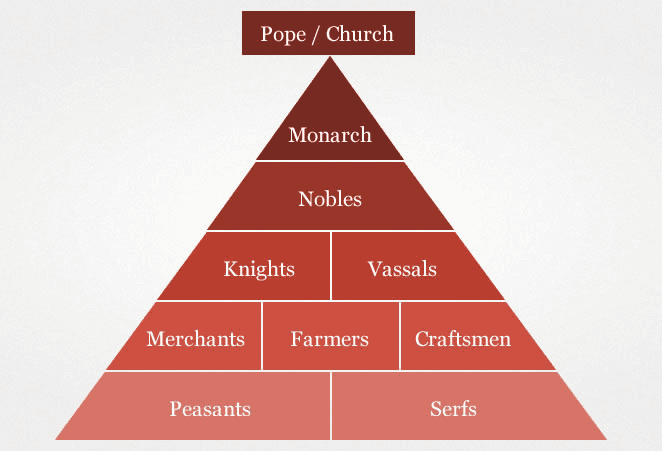
前言:梳理美国的战争历史的过程中,连带看到了政体和宗教的连接,索性一起看。那就从16世纪的英格兰开始吧。本文和chatgpt合作写成。


将时间拉回到 16 世纪初的英格兰,首先需要理解当时的制度背景。大约在 1500 年前后,英格兰在宗教制度上属于所谓的“拉丁基督教世界”(Latin Christendom)的一部分。拉丁基督教世界指的是从中世纪晚期到近代早期,由罗马教会主导的西欧基督教文明共同体。这并不是一个单纯的信仰共同体,而是一套将宗教、法律、文化与政治高度叠合在一起的治理体系。

这里的“拉丁”并非指民族或血缘,而是一种制度语言。官方宗教语言、圣经文本、教会文件、司法文书以及神学讨论,全部以拉丁文进行。语言的统一意味着权威的统一——谁掌握拉丁文体系,谁就掌握解释权。正是在这一点上,拉丁基督教世界形成了高度集中化的权力结构。

需要指出的是,这一体系并不等同于整个基督教世界。拉丁基督教世界的权力核心在罗马,其权威来源于教皇、拉丁文和教会法;而希腊基督教世界的核心则在君士坦丁堡,也就是今天的伊斯坦布尔,其权威结构建立在东正教、希腊文与皇帝之上。罗马主导西欧,君士坦丁堡主导东地中海与东欧。1054 年东西教会正式分裂之后,英格兰、法国、德意志和西班牙等国家,全部归属于拉丁这一支。

在拉丁基督教世界中,教皇是最高宗教首脑,但其权力远不止于宗教层面。他不仅拥有教义裁决权和异端认定权,还掌握婚姻合法性的最终裁决权。这在当时并非私人事务,而是直接关系到继承、财产和政治稳定的问题。某种意义上,教皇的权力相当于将今天的司法系统、社会管理系统以及政治合法性认证机制压缩进一个宗教权威之中。英格兰在这一体系中,只是一个地方性教会单位。

与此同时,教会法(Canon Law)是一套跨国适用的法律体系。教会法庭独立于王权法院存在,神职人员优先受教会审判。这意味着,即便在各自的疆域之内,国家的主权也并不完整,而是被一套跨国宗教权力结构所覆盖。

在 16 世纪之前的英格兰、法国和西班牙,普遍并存着两套司法体系。王权法院负责处理世俗事务,而教会法庭则处理所谓“灵魂相关事务”。这并不是简单的职能分工,而是一种不可干预的并行结构。王权无权推翻教会判决,也不能随意传唤神职人员,而教会法庭则可以绕过国家权力,直接向罗马上诉。抽象来看,这是司法管辖权的重叠;具体而言,则是教会对国家司法权的实质性切割。

教会不仅在司法层面拥有独立地位,在经济层面同样构建起一张脱离王权控制的网络。它拥有大量土地和不动产,并征收什一税。资金可以跨越国界流动,最终汇集至罗马,形成一个不受国家审计的经济体系。什一税是中世纪基督教世界中一项强制性制度,要求个人或家庭将收入或产出的十分之一上缴教会。这一制度源自《旧约》传统,即将收成的十分之一献给上帝,由教会代为管理。到了中世纪,它已被彻底制度化,不缴纳即构成违法行为,并可由教会法庭加以处罚。

什一税的征收对象几乎涵盖所有平民家庭,包括农民、手工业者、商人以及部分地主;征收内容既包括谷物、葡萄等农产品,也包括羊、牛、奶等畜产品,后期甚至接受货币。这些收入通常流向地方教区、主教区、修道院以及更高层级的教廷体系,完全绕开了王权财政结构。

从王权角度看,问题非常直接。民众已经向国王缴纳税赋,却还必须承担宗教税收,而这部分资金既不可审计、不可征用,又可能外流至罗马。这直接削弱了国家的财政基础、军事动员能力和行政效率。普通民众的心理同样矛盾:不交,担心灵魂得不到拯救;交了,又在现实生活中承受更沉重的负担。尤其在饥荒、战争或歉收年份,这种压力往往难以承受。反教会情绪因此长期存在,却始终缺乏合法的宣泄出口。

与此同时,国王的合法性并非仅仅来自血统,还必须获得教会的承认。教皇既可以确认一位君主的合法性,也可以否定它,甚至通过“绝罚”使其政治权力陷入瘫痪。绝罚是中世纪教会所能施加的最高级别宗教与政治制裁,由教皇或高级教会法庭依据教会法发布,其适用对象几乎涵盖所有人,包括平民、贵族、主教乃至国王。

被绝罚意味着无法参与圣礼与宗教仪式,并被公开宣告灵魂处于危险状态。在法律层面,对绝罚者的誓约自动失效,臣民不再必须服从,合同和效忠关系被解除;在社会层面,人们可以合法拒绝与其接触,商业、婚姻与司法关系中止,形成事实上的社会性封锁。这对一位君主而言是致命打击。历史上,13 世纪的英格兰国王约翰因与教皇冲突而遭到绝罚,随后整个英格兰被施加禁令,教堂关闭,婚丧无法举行,社会陷入恐慌,贵族纷纷倒戈,最终国王被迫向罗马屈服。国家最高权力,实质上取决于一个外国宗教中心的裁决。

对于正在形成中的近代国家而言,这种局面是不可接受的。国家不应被外部权威宣布非法,国王不应因宗教法而失去统治资格,法律与效忠关系必须根植于国内制度之中。然而在 16 世纪初,英格兰仍然处于宗教上服从罗马、法律上教会法与王法并行、财政上大量资源脱离王室控制、政治上关键事务依赖教皇裁决的状态。拉丁基督教世界建立于中世纪,却不得不面对近代国家的兴起。当王权开始试图统一法律、税收与军队时,教皇体系便不可避免地成为结构性障碍。宗教改革并非偶然事件,而是近代国家对中世纪超国家秩序的一次系统性清算。英格兰宗教改革的本质,正是退出拉丁基督教世界。

正是在这样的背景下,16 世纪的英格兰脱离罗马天主教,建立了英格兰国教会。清教徒的核心立场极为直接:教会必须被彻底“净化”。他们反对主教制、反对华丽仪式与宗教圣像,反对等级化的神职体系,强调《圣经》至上,强调个人与上帝之间的直接关系,并推崇极端的道德自律。然而清教徒很快发生分化。温和派主张留在国教会内部进行改革,仍然承认国家教会的合法性;激进派则认为国教会已无可救药,主张完全脱离国家教会。1620 年,这些分离派登上“五月花号”,前往北美。

Preface: While tracing the history of U.S. wars, I inevitably ran into the connection between political systems and religion, so I decided to look at them together. Let’s start with sixteenth-century England. This article was written in collaboration with ChatGPT.


First, let’s rewind to early sixteenth-century England to understand the context. Around the year 1500, England belonged, in institutional religious terms, to the Latin Christendom. Latin Christendom refers to the Western European Christian civilizational community, from the late Middle Ages to the early modern period, dominated by the Roman Church. It was not merely a circle of belief, but an overlapping system of religion, law, culture, and politics. “Latin” does not denote ethnicity, but an institutional language: official religious language, biblical texts, church documents, courts, and theological debates were all conducted in Latin. Linguistic unity meant unity of authority—whoever controlled the Latin system controlled interpretation.

This system did not encompass all of Christianity. The core of Latin Christendom was Rome, and its authorities were the pope, the Latin language, and canon law. The Greek Christian world, by contrast, was centered on Constantinople—today’s Istanbul—and was defined by Eastern Orthodoxy, the Greek language, and the emperor. Rome dominated Western Europe; Constantinople dominated the eastern Mediterranean and Eastern Europe. After the formal schism between the Eastern and Western churches in 1054, England, France, the German lands, and Spain all belonged to the Latin branch.

The pope was the supreme religious authority of Latin Christendom. He ruled on doctrine, defined heresy, and determined the legitimacy of marriage—functions that combined elements of courts, homeland security agencies, and municipal administrations. England was merely one local church within this system. Canon law was a transnational legal system: ecclesiastical courts were independent of royal courts, and clergy were subject first to church jurisdiction. In other words, national sovereignty was not complete; it was overlaid and constrained by a transnational religious authority.

Before the sixteenth century, England, France, and Spain all operated with two parallel court systems. Royal courts handled secular cases, while ecclesiastical courts handled matters “of the soul.” This was not a simple division of labor. Royal authority could not interfere with church jurisdiction: royal courts could not overturn ecclesiastical verdicts, kings could not freely summon clergy, and church courts could appeal beyond the kingdom directly to Rome. Though abstract at first glance, the reality was simple—the Church carved out a substantial portion of state judicial power.

The Church also possessed vast amounts of land, property, and tithe income. These funds could move across borders and ultimately flowed toward Rome. The tithe was a mandatory levy in the medieval Christian world, requiring one-tenth of income or production to be paid to the Church. Its origin lay in Old Testament tradition—one-tenth of the harvest was offered to God, collected by the Church. By the Middle Ages, it was fully institutionalized: failure to pay was illegal and punishable in ecclesiastical courts. Those required to pay included peasants, artisans, merchants, and some landlords—covering nearly all ordinary households. What was collected included agricultural produce such as grain and grapes, livestock products such as sheep, cattle, and milk, and later money as well. Tithes typically flowed to local parishes, dioceses, monasteries, and other parts of the papal system. This money bypassed royal treasuries entirely, forming an independent economic network.

From the perspective of royal power, the problem was obvious. People paid taxes to the king and were also required to pay religious taxes. This revenue could not be audited, could not be requisitioned, and could flow out of the country to Rome. It directly weakened state finances, military mobilization, and administrative capacity. Ordinary people were deeply conflicted: not paying risked damnation, but paying increased their material burden. In times of famine, war, or poor harvests, the strain became unbearable. Anti-church sentiment therefore existed for a long time, but had no legitimate outlet.

At the same time, a king’s legitimacy came not only from bloodline but also from church recognition. The pope could recognize a ruler, delegitimize a ruler, and even paralyze a regime through excommunication. Excommunication was the highest level of religious-political sanction the medieval Church could impose on an individual or ruler. Issued by the pope or senior ecclesiastical courts under canon law, it applied to everyone—commoners, nobles, bishops, and kings alike.

To be excommunicated meant exclusion from the sacraments and church rituals, and being regarded as a soul in mortal danger—effectively a public declaration that one might go to hell. Legally, all oaths to the excommunicated person were automatically void: subjects were no longer obliged to obey, contracts were dissolved, and bonds of loyalty were severed—fatal consequences for a king. Socially, people could legally refuse contact; commercial, marital, and judicial relations were suspended, creating a form of total social exclusion. Historically, King John of England in the thirteenth century was excommunicated after clashing with the pope, and England as a whole was placed under an interdict. Churches shut down, marriages and funerals could not be performed, panic spread, and nobles defected. In the end, the king was forced to submit to Rome. The highest authority of the state depended on the judgment of a foreign religious center.

For an early modern state, this was intolerable. A country should not be declared illegitimate by an external authority; a king should not lose his right to rule through religious law; law and loyalty had to be grounded within the domestic system. Yet England’s position in the sixteenth century was precisely this: religiously obedient to Rome, legally divided between canon law and royal law, fiscally drained by resources outside royal control, and politically dependent on papal decisions for key matters. Latin Christendom was a medieval system confronting the rise of the modern state. Once monarchs sought to unify law, taxation, and military power, the papal system became a structural obstacle. The Reformation was not accidental; it was the reckoning of the modern state with a medieval supranational order. The English Reformation, in essence, was England’s withdrawal from Latin Christendom.

Thus, in the sixteenth century, England broke with Roman Catholicism and established the Church of England. The Puritans’ core position was straightforward: the Church had to be thoroughly purified. They opposed the episcopal system, elaborate rituals, religious images, and hierarchical clergy, and emphasized the supremacy of Scripture, the individual’s direct relationship with God, and extreme moral discipline. The Puritans soon split into moderates and radicals. Moderates sought reform from within the Church of England and continued to recognize the legitimacy of the national church. Radicals, by contrast, concluded that the national church was beyond salvation and advocated complete separation from it. In 1620, these separatists boarded the Mayflower and sailed to North America.


Artist Statement

My work is not about explaining the world; it’s about dismantling the emotional structures that everyday life tries to conceal. What I focus on is not “story,” but the dynamics between people—the pull and tension of intimacy, the quiet control embedded in family, the fractures that come with migration, and how an individual maintains their boundaries within these systems.

I grew up between shifting cultures and languages, often in environments where I was expected—needed—claimed by others. I was asked to understand, to accommodate, to take care, to adjust. Even the gentlest relationships carried an undercurrent of consumption. That tension became the foundation of my creative work.

The characters in my stories are not moral types. They each carry a kind of private conflict: they want closeness but fear being swallowed; they long to be seen but can’t fully expose themselves; they are asked again and again to give—to family, to love, to work—without knowing how to keep space for themselves. These aren’t inventions; they’re reflections of lived experience. Writing, for me, is a way to unearth the emotions that have been suppressed, ignored, or normalized—and let them speak again.

I gravitate toward rhythmic narrative structures: compressed scenes, quick shifts, intentional gaps, silences between characters. These spaces reveal more truth than dialogue ever could. The themes I explore—migration, family, identity, trauma, intimacy, female autonomy—ultimately point to a single question: how does a person protect their boundaries in a world that constantly pulls at them, demands from them, watches them?

Creating is neither escape nor self-soothing. It is a way of reclaiming authorship over my own narrative. When I write a character’s silence, resistance, hesitation, or departure, I’m answering one essential question:

When the world insists on defining me, how do I choose to define myself?

艺术家陈述

我的创作不是为了解释世界,是为了拆开被日常掩盖的情绪结构。我关注的核心不是“故事”,而是人与人之间的力量关系——亲密带来的拉扯、家庭带来的隐性控制、身份在迁徙中的断裂,以及一个人在这些结构里如何保持自己的边界。

出生在不断变化的文化与语言之间,长期处在“被期待—被需要—被占用”的环境里。很多时候,我被要求理解别人、照顾别人、顺着环境。那些看似温和的关系里,也潜藏着吞噬性的需求。这种张力成了我创作的源头。

在我的故事里,人物不是善恶分明的类型。他们都带着某种困境:他们想靠近别人,但又害怕被吞没;他们渴望被看见,却无法完全暴露自己;他们在家庭、爱情、工作里不断被要求付出,却不知道怎样为自己保留空间。这并不是虚构,是现实经验的折射。我写作,把那些长期被压抑、被忽略、被习惯化的情感重新挖出来,让它们重新发声。

我倾向于使用节奏性的叙事结构:压缩的篇幅、快速切换的场景、留白的空间、人物之间的静默。这些“空隙”比对白本身更能暴露一个人的真实状态。我处理的主题是移民、家庭、身份、创伤、亲密、女性的自主性,但它们都指向同一件事:一个人如何在被拉扯、被要求、被凝视的世界里,维护自己的边界。

创作不是逃避,也不是自我疗愈,是重新夺回叙事权的方式。当我写下一个人物的沉默、反抗、犹豫或离开,我其实是在回答一个核心问题:
当世界不断定义我时,我选择如何定义自己?

Artist Statement

My work is not about explaining the world; it’s about dismantling the emotional structures that everyday life tries to conceal. What I focus on is not “story,” but the dynamics between people—the pull and tension of intimacy, the quiet control embedded in family, the fractures that come with migration, and how an individual maintains their boundaries within these systems.

I grew up between shifting cultures and languages, often in environments where I was expected—needed—claimed by others. I was asked to understand, to accommodate, to take care, to adjust. Even the gentlest relationships carried an undercurrent of consumption. That tension became the foundation of my creative work.

The characters in my stories are not moral types. They each carry a kind of private conflict: they want closeness but fear being swallowed; they long to be seen but can’t fully expose themselves; they are asked again and again to give—to family, to love, to work—without knowing how to keep space for themselves. These aren’t inventions; they’re reflections of lived experience. Writing, for me, is a way to unearth the emotions that have been suppressed, ignored, or normalized—and let them speak again.

I gravitate toward rhythmic narrative structures: compressed scenes, quick shifts, intentional gaps, silences between characters. These spaces reveal more truth than dialogue ever could. The themes I explore—migration, family, identity, trauma, intimacy, female autonomy—ultimately point to a single question: how does a person protect their boundaries in a world that constantly pulls at them, demands from them, watches them?

Creating is neither escape nor self-soothing. It is a way of reclaiming authorship over my own narrative. When I write a character’s silence, resistance, hesitation, or departure, I’m answering one essential question:

When the world insists on defining me, how do I choose to define myself?

艺术家陈述

我的创作不是为了解释世界,是为了拆开被日常掩盖的情绪结构。我关注的核心不是“故事”,而是人与人之间的力量关系——亲密带来的拉扯、家庭带来的隐性控制、身份在迁徙中的断裂,以及一个人在这些结构里如何保持自己的边界。

出生在不断变化的文化与语言之间,长期处在“被期待—被需要—被占用”的环境里。很多时候,我被要求理解别人、照顾别人、顺着环境。那些看似温和的关系里,也潜藏着吞噬性的需求。这种张力成了我创作的源头。

在我的故事里,人物不是善恶分明的类型。他们都带着某种困境:他们想靠近别人,但又害怕被吞没;他们渴望被看见,却无法完全暴露自己;他们在家庭、爱情、工作里不断被要求付出,却不知道怎样为自己保留空间。这并不是虚构,是现实经验的折射。我写作,把那些长期被压抑、被忽略、被习惯化的情感重新挖出来,让它们重新发声。

我倾向于使用节奏性的叙事结构:压缩的篇幅、快速切换的场景、留白的空间、人物之间的静默。这些“空隙”比对白本身更能暴露一个人的真实状态。我处理的主题是移民、家庭、身份、创伤、亲密、女性的自主性,但它们都指向同一件事:一个人如何在被拉扯、被要求、被凝视的世界里,维护自己的边界。

创作不是逃避,也不是自我疗愈,是重新夺回叙事权的方式。当我写下一个人物的沉默、反抗、犹豫或离开,我其实是在回答一个核心问题:
当世界不断定义我时,我选择如何定义自己?

Artist Statement

My work is not about explaining the world; it’s about dismantling the emotional structures that everyday life tries to conceal. What I focus on is not “story,” but the dynamics between people—the pull and tension of intimacy, the quiet control embedded in family, the fractures that come with migration, and how an individual maintains their boundaries within these systems.

I grew up between shifting cultures and languages, often in environments where I was expected—needed—claimed by others. I was asked to understand, to accommodate, to take care, to adjust. Even the gentlest relationships carried an undercurrent of consumption. That tension became the foundation of my creative work.

The characters in my stories are not moral types. They each carry a kind of private conflict: they want closeness but fear being swallowed; they long to be seen but can’t fully expose themselves; they are asked again and again to give—to family, to love, to work—without knowing how to keep space for themselves. These aren’t inventions; they’re reflections of lived experience. Writing, for me, is a way to unearth the emotions that have been suppressed, ignored, or normalized—and let them speak again.

I gravitate toward rhythmic narrative structures: compressed scenes, quick shifts, intentional gaps, silences between characters. These spaces reveal more truth than dialogue ever could. The themes I explore—migration, family, identity, trauma, intimacy, female autonomy—ultimately point to a single question: how does a person protect their boundaries in a world that constantly pulls at them, demands from them, watches them?

Creating is neither escape nor self-soothing. It is a way of reclaiming authorship over my own narrative. When I write a character’s silence, resistance, hesitation, or departure, I’m answering one essential question:

When the world insists on defining me, how do I choose to define myself?

艺术家陈述

我的创作不是为了解释世界,是为了拆开被日常掩盖的情绪结构。我关注的核心不是“故事”,而是人与人之间的力量关系——亲密带来的拉扯、家庭带来的隐性控制、身份在迁徙中的断裂,以及一个人在这些结构里如何保持自己的边界。

出生在不断变化的文化与语言之间,长期处在“被期待—被需要—被占用”的环境里。很多时候,我被要求理解别人、照顾别人、顺着环境。那些看似温和的关系里,也潜藏着吞噬性的需求。这种张力成了我创作的源头。

在我的故事里,人物不是善恶分明的类型。他们都带着某种困境:他们想靠近别人,但又害怕被吞没;他们渴望被看见,却无法完全暴露自己;他们在家庭、爱情、工作里不断被要求付出,却不知道怎样为自己保留空间。这并不是虚构,是现实经验的折射。我写作,把那些长期被压抑、被忽略、被习惯化的情感重新挖出来,让它们重新发声。

我倾向于使用节奏性的叙事结构:压缩的篇幅、快速切换的场景、留白的空间、人物之间的静默。这些“空隙”比对白本身更能暴露一个人的真实状态。我处理的主题是移民、家庭、身份、创伤、亲密、女性的自主性,但它们都指向同一件事:一个人如何在被拉扯、被要求、被凝视的世界里,维护自己的边界。

创作不是逃避,也不是自我疗愈,是重新夺回叙事权的方式。当我写下一个人物的沉默、反抗、犹豫或离开,我其实是在回答一个核心问题:
当世界不断定义我时,我选择如何定义自己?

sunny.xiaoxin.sun@doubletakefilmllc.com

Sunny Xiaoxin Sun's IMDb


©2025 Double Take Film, All rights reserved

I’m an independent creator born in 1993 in Changsha, now based in California. My writing started from an urgent need to express. Back in school, I often felt overwhelmed by the chaos and complexity of the world—by the emotions and stories left unsaid. Writing became my way of organizing my thoughts, finding clarity, and gradually, connecting with the outside world.


Right now, I’m focused on writing and filmmaking. My blog is a “real writing experiment,” where I try to update daily, documenting my thoughts, emotional shifts, observations on relationships, and my creative process. It’s also a record of my journey to becoming a director. After returning to China in 2016, I entered the film industry and worked in the visual effects production department on projects like Creation of the Gods I, Creation of the Gods II, and Wakanda Forever, with experience in both China and Hollywood. Since 2024, I’ve shifted my focus to original storytelling.


I’m currently revising my first script. It’s not grand in scale, but it’s deeply personal—centered on memory, my father, and the city. I want to make films that belong to me, and to our generation: grounded yet profound, sensitive but resolute. I believe film is not only a form of artistic expression—it’s a way to intervene in reality.

我是93年出生于长沙的自由创作者。我的写作起点来自一种“必须表达”的冲动。学生时代,我常感受到世界的混乱与复杂,那些没有被说出来的情绪和故事让我感到不安。写作是我自我整理、自我清晰的方式,也逐渐成为我与外界建立连接的路径。


我目前专注于写作和电影。我的博客是一个“真实写作实验”,尽量每天更新,记录我的思考、情绪流动、人际观察和创作过程。我16年回国之后开始进入电影行业,曾在视效部门以制片的身份参与制作《封神1》《封神2》《Wankanda Forever》等,在中国和好莱坞都工作过,24年之后开始转入创作。


我正在重新回去修改我第一个剧本——它并不宏大,却非常个人,围绕记忆、父亲与城市展开。我想拍属于我、也属于我们这一代人的电影:贴地而深刻,敏感又笃定。我相信电影不只是艺术表达,它也是一种现实干预。

sunny.xiaoxin.sun@doubletakefilmllc.com

Sunny Xiaoxin Sun's IMDb


©2025 Double Take Film, All rights reserved

I’m an independent creator born in 1993 in Changsha, now based in California. My writing started from an urgent need to express. Back in school, I often felt overwhelmed by the chaos and complexity of the world—by the emotions and stories left unsaid. Writing became my way of organizing my thoughts, finding clarity, and gradually, connecting with the outside world.


Right now, I’m focused on writing and filmmaking. My blog is a “real writing experiment,” where I try to update daily, documenting my thoughts, emotional shifts, observations on relationships, and my creative process. It’s also a record of my journey to becoming a director. After returning to China in 2016, I entered the film industry and worked in the visual effects production department on projects like Creation of the Gods I, Creation of the Gods II, and Wakanda Forever, with experience in both China and Hollywood. Since 2024, I’ve shifted my focus to original storytelling.


I’m currently revising my first script. It’s not grand in scale, but it’s deeply personal—centered on memory, my father, and the city. I want to make films that belong to me, and to our generation: grounded yet profound, sensitive but resolute. I believe film is not only a form of artistic expression—it’s a way to intervene in reality.

我是93年出生于长沙的自由创作者。我的写作起点来自一种“必须表达”的冲动。学生时代,我常感受到世界的混乱与复杂,那些没有被说出来的情绪和故事让我感到不安。写作是我自我整理、自我清晰的方式,也逐渐成为我与外界建立连接的路径。


我目前专注于写作和电影。我的博客是一个“真实写作实验”,尽量每天更新,记录我的思考、情绪流动、人际观察和创作过程。我16年回国之后开始进入电影行业,曾在视效部门以制片的身份参与制作《封神1》《封神2》《Wankanda Forever》等,在中国和好莱坞都工作过,24年之后开始转入创作。


我正在重新回去修改我第一个剧本——它并不宏大,却非常个人,围绕记忆、父亲与城市展开。我想拍属于我、也属于我们这一代人的电影:贴地而深刻,敏感又笃定。我相信电影不只是艺术表达,它也是一种现实干预。

sunny.xiaoxin.sun@doubletakefilmllc.com

Sunny Xiaoxin Sun's IMDb


©2025 Double Take Film, All rights reserved

I’m an independent creator born in 1993 in Changsha, now based in California. My writing started from an urgent need to express. Back in school, I often felt overwhelmed by the chaos and complexity of the world—by the emotions and stories left unsaid. Writing became my way of organizing my thoughts, finding clarity, and gradually, connecting with the outside world.


Right now, I’m focused on writing and filmmaking. My blog is a “real writing experiment,” where I try to update daily, documenting my thoughts, emotional shifts, observations on relationships, and my creative process. It’s also a record of my journey to becoming a director. After returning to China in 2016, I entered the film industry and worked in the visual effects production department on projects like Creation of the Gods I, Creation of the Gods II, and Wakanda Forever, with experience in both China and Hollywood. Since 2024, I’ve shifted my focus to original storytelling.


I’m currently revising my first script. It’s not grand in scale, but it’s deeply personal—centered on memory, my father, and the city. I want to make films that belong to me, and to our generation: grounded yet profound, sensitive but resolute. I believe film is not only a form of artistic expression—it’s a way to intervene in reality.

我是93年出生于长沙的自由创作者。我的写作起点来自一种“必须表达”的冲动。学生时代,我常感受到世界的混乱与复杂,那些没有被说出来的情绪和故事让我感到不安。写作是我自我整理、自我清晰的方式,也逐渐成为我与外界建立连接的路径。


我目前专注于写作和电影。我的博客是一个“真实写作实验”,尽量每天更新,记录我的思考、情绪流动、人际观察和创作过程。我16年回国之后开始进入电影行业,曾在视效部门以制片的身份参与制作《封神1》《封神2》《Wankanda Forever》等,在中国和好莱坞都工作过,24年之后开始转入创作。


我正在重新回去修改我第一个剧本——它并不宏大,却非常个人,围绕记忆、父亲与城市展开。我想拍属于我、也属于我们这一代人的电影:贴地而深刻,敏感又笃定。我相信电影不只是艺术表达,它也是一种现实干预。

PRODUCT

Design

Content

Publish

RESOURCES

Blog

Careers

Docs

About