DATE

12/8/25

TIME

6:48 PM

LOCATION

Oakland, CA

Taiwan’s Path to Democracy(ii) : Under Martial Law

台湾民主历程(ii):戒严
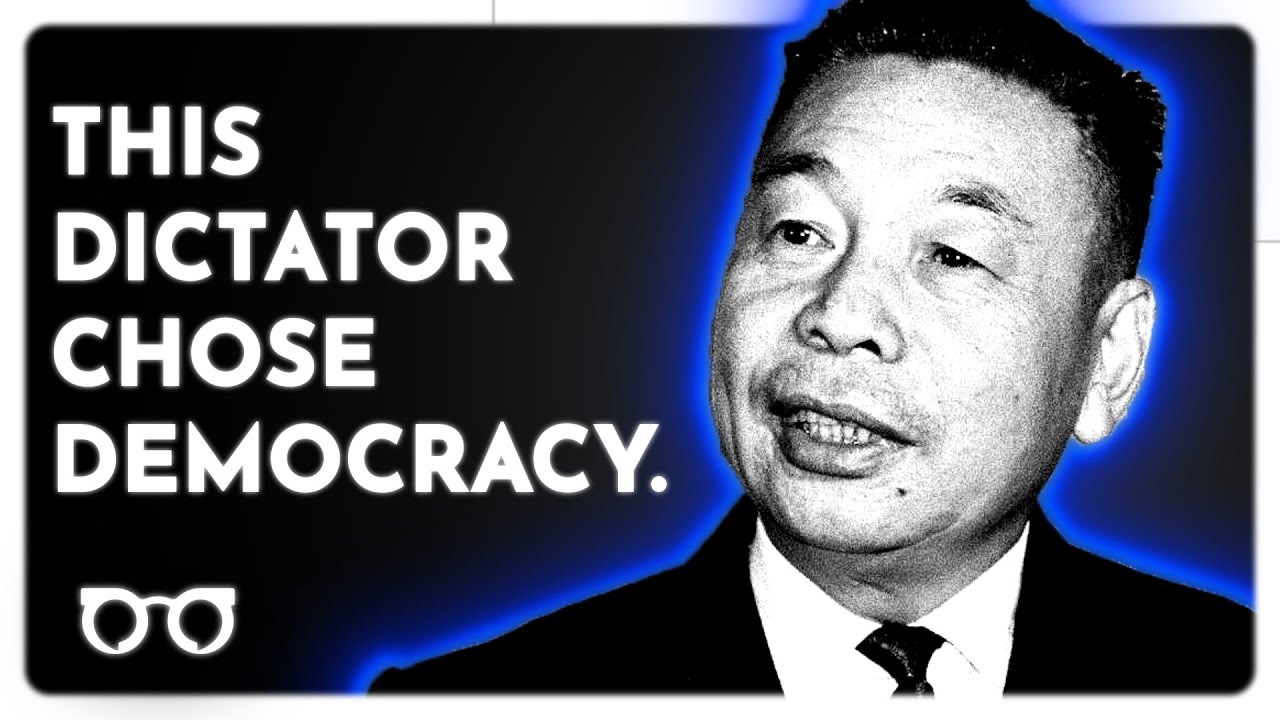
Preface:和ChatGPT合作完成。


1949 年 5 月 19 日实施的《戒严令》,不是暂时性应急手段,而是一个覆盖台湾社会方方面面的长期统治机制。戒严给军方、情治系统与政府带来几乎无限的权力,也让台湾进入一个表面和平,内部压抑的时代。

戒严期间,宪法冻结,军法优先,国家安全成为最高法律。宪法被视为“暂缓实施”,军事法庭得以审判平民,搜索、拘捕、审讯可不需搜查令,所有集会、结社、出版、演说都须申请,政府可随时以“危害国家安全”名义逮捕人民。在这样的法律结构下,“违法”不再是客观标准,而是政府判断你是否“危险”。政府可以做任何事,而人民不能做任何会被怀疑的事。台湾警总是戒严时代的核心机构,比行政院更有权威。它控制出版审查,户籍与移民管理,监视、侦防、审讯,大学与学校的思想控制,对军人、平民的双重监督,地下组织侦破、政治案件审理。据部分口述/回忆录与研究者记录,当局在某些时期曾大规模采用情治与监控手段,包括家户监控,家庭的成员构成、居住状况、亲属关系、职业、政治倾向都必须登记。

大学与高中都有军训教官,多是情治系统派驻,用来监视学生社团,审查讲座与活动,记录学生政治倾向,和汇报“可疑发言”,学生与老师彼此不信任。工厂、学校、政府单位都有自愿线民。报纸、书籍、戏剧、电影、广告都不能自由出现。报纸固定额度,不准增加新报刊,每天出版前必须送审,连歌曲、广告文案都可能被禁,海外出版物寄进台湾必须拆检,几乎所有公共叙事都只能顺着政权需要而存在。戒严下,夜间有宵禁,路口随时检查证件,写信可能被拆封,出国几乎不可能,公共场合不能谈政治,家庭内部也只敢私下小声议论。戒严时期推行国语政策,学校与公共场所禁止说台湾话、客家话或原住民语言。本地语与本土文化处于压抑边缘状态。历史教育强调:我们是中华民国,我们要反攻大陆。台湾人的地方记忆、日治经验、族群叙事被系统压抑。戒严使台湾形成党国一体的政体,只有国民党与几个花瓶党存在,中央民意代表几乎终身不换,反对党不合法,选举高度操控,媒体完全国民党化。政治反对者不是被辩论,而是被逮捕。

有几个案件在当时引起了很大轰动,例如雷震案。雷震是《自由中国》杂志的创办人,也是非常温和、理性的自由主义者。他主张宪政改革,反腐,让台湾走向真正的民主。但在戒严体制下《自由中国》被勒令停刊,雷震以「匪谍」罪名遭逮捕,最终被判 10 年。台湾大学数学系案:台大数学系有几名学生、助教、教授,仅仅因为讨论政治、阅读左派书籍、彼此通信,就被情治机关以“想偏左立案。最后数名学生被捕,部分教授被迫离台,全系多年人人自危。戒严时期的政治案件大量混合虚构间谍和彼此牵连的冤案。1980年,律师林义雄的家在白天遭遇灭门血案,母亲与双胞胎女儿遇害,凶手至今未破案。当天警备总部人员「监控」林宅但声称未发现可疑人士,社会普遍认为这是国家机器的暗杀行径,用来警告。1981年,陈文成从美国回台湾探亲,因参与台湾海外民主运动,被警总约谈。隔天,他的尸体被发现于台大校园。官方说法是自杀,但证据漏洞百出。

1970年代到80年代,美国逐渐从支持反共威权转向支持全球民主化。卡特政府、人权外交、韩国、菲律宾威权体制的松动都影响台湾。同时,台湾社会教育普及、中产阶级扩大、城市化完成。经济起飞带来新的社会结构大学毕业生大量出现,都市生活让人接触讯息,工人阶级开始形成工会意识,新闻界出现不满审查的暗潮。戒严企图维持 1950 年代的社会结构,但 1970到80 年代的台湾已经不是那样的台湾。

1970 年代后期,台湾出现了不属于国民党的反对力量,例如选举中的异议候选人,律师、记者、教授组成的政治圈,当地社会运动,包括环保、劳工、语言、文化,党外杂志《美丽岛》成为思想交流的核心。1979 年,《美丽岛》杂志在高雄举办世界人权日活动,公开挑战国民党一党专政。活动原本是一场合法申请的集会,却演变成戒严时代最具历史意义的冲突。活动地点原定在高雄中正路圆环前空地,主办单位宣布主题是“争取民主、争取人权”。当天下午,上千名民众从南部各地赶来,工运、农运、学生团体悄悄加入。《美丽岛》主要领导人悉数到场,包括黄信介、施明德、姚嘉文、康宁祥、张俊宏、陳菊、林義雄等。这是台湾首次出现如此公开、如此规模的反对集体行动,意义重大。政府也则早已做足准备,当时有大批警力封锁会场周边,便衣特务潜伏在人群里,警总与情治单位监视所有党外人物。

当晚,《美丽岛》领袖开始向群众演讲,人群情绪越来越高。警方则以“影响交通”“未经许可”等理由封锁扩音设备,强行要求解散。双方对峙时,警方向人群施放催泪瓦斯,并举盾推进。结果民众反击,丢掷石块、看板,现场爆发严重混乱,高雄街头出现戒严时代罕见的群众反抗画面,数十名民众与警察受伤。事件发生后,国民党政权立即将这场示威定性为:“暴力叛乱”、“中共策动的颠覆活动”。12 月 13 日起,《美丽岛》编辑部遭查抄,几乎所有党外领袖被逮捕,被捕者全部移送军事法庭,外界无法探视,审判过程不公开。军事检察官指控被告:“煽动叛乱”“组织暴力革命”“企图颠覆政府”。国际媒体、西方国家与人权组织纷纷谴责台湾,美国国会施压,国际特赦组织介入,全球学界声援。国民党政权一方面必须维持威权形象,一方面害怕国际制裁与外交孤立,陷入两难。最终,多名被告被判无期徒刑或重刑,施明德无期,其他人被判 12–14 年不等。尽管如此,这场审判却把“民主、自由、人权”第一次大规模推入台湾社会的公共论述。

美丽岛事件让台湾人第一次意识到,反对不是犯罪,争取民主是可能的。这场冲突把台湾从“威权稳定”推向“民主前夜”。

The Martial Law Order issued on May 19, 1949 was not a temporary emergency measure, but a long-term mechanism of governance that penetrated every aspect of Taiwanese society. Martial law granted the military, intelligence agencies, and the government almost unlimited power, ushering Taiwan into an era that appeared peaceful on the surface yet was deeply repressive underneath.

During martial law, the constitution was effectively suspended. Military authority took precedence, and “national security” became the highest legal principle. The constitution was treated as being “deferred,” military courts were allowed to try civilians, and searches, arrests, and interrogations could be conducted without warrants. All assemblies, associations, publications, and speeches required prior approval. The government could arrest civilians at any time under the pretext of “endangering national security.” Under such a legal structure, “illegality” ceased to be an objective standard and instead depended on whether the state perceived someone as “dangerous.” The government could do virtually anything; the people could not do anything that might arouse suspicion.

The Taiwan Garrison Command stood at the center of this era, possessing more authority than the Executive Yuan. It controlled publication censorship, household registration and immigration, surveillance, intelligence gathering, interrogation, ideological control in schools and universities, and dual oversight of both military personnel and civilians, as well as the cracking of underground networks and the handling of political cases. According to oral histories and research, the authorities at times deployed large-scale intelligence and surveillance measures, including household monitoring. Families were required to register members, residence conditions, kinship ties, occupations, and even political tendencies.

Military training instructors—often tied to the security apparatus—were stationed in high schools and universities. Their role was to monitor student organizations, vet lectures and campus activities, keep records of students’ political leanings, and report “suspicious remarks.” This fostered an atmosphere of mutual distrust between students and teachers. Factories, schools, and government offices also had volunteer informants. Newspapers, books, plays, films, and advertisements could not be freely produced. Print media operated under fixed quotas; new newspapers could not be founded. All publications had to be submitted for review before release. Even songs and advertising copy could be banned. Overseas publications arriving in Taiwan were subject to inspection. Nearly all public narratives could only exist within the ideological boundaries required by the regime.

Under martial law, curfews were imposed at night, documents were checked at roadblocks, letters could be opened, and travel abroad was nearly impossible. Political discussion in public was prohibited, and even within families, political talk was confined to whispers behind closed doors. The government promoted Mandarin as the national language, and the use of Taiwanese, Hakka, or Indigenous languages was prohibited in schools and many public settings. Local languages and cultures became marginalized. History education emphasized: “We are the Republic of China; we must retake the mainland.” Taiwanese local memory, the Japanese colonial experience, and native ethnic narratives were systematically suppressed.

Martial law entrenched a party-state system in which only the Kuomintang and a few token satellite parties existed. Central representatives served virtually for life, opposing parties were illegal, elections were tightly controlled, and the media was thoroughly KMT-dominated. Political dissent did not lead to debate—it led to arrest.

Several cases from this period caused widespread shock. One was the Lei Chen case. Lei, the founder of Free China magazine, was a moderate and rational liberal who advocated constitutional reform and anti-corruption measures to move Taiwan toward genuine democracy. Under martial law, Free China was forcibly shut down, and Lei was arrested on charges of being a “Communist agent,” ultimately receiving a ten-year sentence. In the Taiwan University Mathematics Department case, several students, teaching assistants, and professors were targeted simply for discussing politics, reading leftist books, or corresponding with one another. Some students were arrested, and some professors were forced to leave Taiwan, leaving the entire department under a cloud of fear for years. Many political cases of the era mixed fabricated espionage charges with guilt by association.

In 1980, the family of lawyer and opposition leader Lin Yi-hsiung was brutally murdered in broad daylight—his mother and twin daughters were killed while his home was supposedly under Garrison Command surveillance. The case remains unsolved, and many believed it was a political assassination meant as a warning. In 1981, Chen Wen-chen, a scholar who had participated in Taiwanese democracy movements overseas, was summoned by the Garrison Command during a visit home. The next day, his body was found on the National Taiwan University campus. The official claim of suicide was riddled with inconsistencies.

From the 1970s to the 1980s, the United States gradually shifted from supporting anti-communist authoritarian regimes to promoting global democratization. The Carter administration, human-rights diplomacy, and the loosening of authoritarian rule in South Korea and the Philippines influenced Taiwan. At the same time, expanded education, the rise of the middle class, and rapid urbanization transformed Taiwanese society. Economic takeoff produced new social structures: university graduates increased, city life exposed people to more information, and workers began developing a sense of labor consciousness. Journalists also grew resentful of censorship. Martial law attempted to preserve the social order of the 1950s, but Taiwan of the 1970s and 1980s was no longer that Taiwan.

By the late 1970s, opposition forces emerged outside the KMT. Independent candidates appeared in elections; lawyers, journalists, and professors formed political networks; and local social movements—including environmental, labor, linguistic, and cultural movements—began to grow. The opposition magazine Formosa became a hub for political thought.

In 1979, Formosa held a Human Rights Day rally in Kaohsiung, openly challenging one-party rule. Although the event had been legally registered, it escalated into the most significant confrontation of the martial law era. Held at the traffic circle on Zhongzheng Road, it drew thousands from across southern Taiwan. Labor and student groups quietly joined, and major opposition leaders—including Huang Hsin-chieh, Shih Ming-te, Yao Chia-wen, Kang Ning-hsiang, Chang Chun-hung, Chen Chu, and Lin Yi-hsiung—were all present. It was the first public display of opposition on such a scale.

The government had prepared extensively: heavy police presence surrounded the area, plainclothes agents mingled in the crowd, and intelligence units closely monitored all opposition figures. As Formosa leaders addressed the crowd, tensions escalated. Police cited “traffic disruption” and “improper permits,” cut the sound system, and ordered dispersal. They soon fired tear gas and advanced with shields. Protesters responded by throwing objects and signs. Violent clashes erupted—scenes rarely seen under martial law—resulting in injuries on both sides.

The regime immediately labeled the demonstration a “violent rebellion” and a “Communist-inspired subversive movement.” Beginning December 13, Formosa offices were raided, and nearly all opposition leaders were arrested and transferred to military courts. The trials were closed to the public, with no outside access. Prosecutors charged the defendants with “sedition,” “organizing violent revolution,” and “attempting to overthrow the government.” International media, Western governments, and human-rights organizations condemned Taiwan; the U.S. Congress applied pressure; Amnesty International intervened; and academics worldwide voiced support.

Caught between preserving authoritarian control and the risk of international isolation, the KMT faced mounting pressure. Several defendants received life sentences or long prison terms—Shih Ming-te was sentenced to life, and others received 12–14 years. Yet the trial propelled the concepts of “democracy, freedom, and human rights” into Taiwan’s public discourse more forcefully than ever before.

The Kaohsiung Incident made many Taiwanese realize for the first time that dissent is not a crime, and that the pursuit of democracy is possible. The confrontation pushed Taiwan from the illusion of “authoritarian stability” into the dawn of democratization.


Artist Statement

My work is not about explaining the world; it’s about dismantling the emotional structures that everyday life tries to conceal. What I focus on is not “story,” but the dynamics between people—the pull and tension of intimacy, the quiet control embedded in family, the fractures that come with migration, and how an individual maintains their boundaries within these systems.

I grew up between shifting cultures and languages, often in environments where I was expected—needed—claimed by others. I was asked to understand, to accommodate, to take care, to adjust. Even the gentlest relationships carried an undercurrent of consumption. That tension became the foundation of my creative work.

The characters in my stories are not moral types. They each carry a kind of private conflict: they want closeness but fear being swallowed; they long to be seen but can’t fully expose themselves; they are asked again and again to give—to family, to love, to work—without knowing how to keep space for themselves. These aren’t inventions; they’re reflections of lived experience. Writing, for me, is a way to unearth the emotions that have been suppressed, ignored, or normalized—and let them speak again.

I gravitate toward rhythmic narrative structures: compressed scenes, quick shifts, intentional gaps, silences between characters. These spaces reveal more truth than dialogue ever could. The themes I explore—migration, family, identity, trauma, intimacy, female autonomy—ultimately point to a single question: how does a person protect their boundaries in a world that constantly pulls at them, demands from them, watches them?

Creating is neither escape nor self-soothing. It is a way of reclaiming authorship over my own narrative. When I write a character’s silence, resistance, hesitation, or departure, I’m answering one essential question:

When the world insists on defining me, how do I choose to define myself?

艺术家陈述

我的创作不是为了解释世界,是为了拆开被日常掩盖的情绪结构。我关注的核心不是“故事”,而是人与人之间的力量关系——亲密带来的拉扯、家庭带来的隐性控制、身份在迁徙中的断裂,以及一个人在这些结构里如何保持自己的边界。

出生在不断变化的文化与语言之间,长期处在“被期待—被需要—被占用”的环境里。很多时候,我被要求理解别人、照顾别人、顺着环境。那些看似温和的关系里,也潜藏着吞噬性的需求。这种张力成了我创作的源头。

在我的故事里,人物不是善恶分明的类型。他们都带着某种困境:他们想靠近别人,但又害怕被吞没;他们渴望被看见,却无法完全暴露自己;他们在家庭、爱情、工作里不断被要求付出,却不知道怎样为自己保留空间。这并不是虚构,是现实经验的折射。我写作,把那些长期被压抑、被忽略、被习惯化的情感重新挖出来,让它们重新发声。

我倾向于使用节奏性的叙事结构:压缩的篇幅、快速切换的场景、留白的空间、人物之间的静默。这些“空隙”比对白本身更能暴露一个人的真实状态。我处理的主题是移民、家庭、身份、创伤、亲密、女性的自主性,但它们都指向同一件事:一个人如何在被拉扯、被要求、被凝视的世界里,维护自己的边界。

创作不是逃避,也不是自我疗愈,是重新夺回叙事权的方式。当我写下一个人物的沉默、反抗、犹豫或离开,我其实是在回答一个核心问题:
当世界不断定义我时,我选择如何定义自己?

Artist Statement

My work is not about explaining the world; it’s about dismantling the emotional structures that everyday life tries to conceal. What I focus on is not “story,” but the dynamics between people—the pull and tension of intimacy, the quiet control embedded in family, the fractures that come with migration, and how an individual maintains their boundaries within these systems.

I grew up between shifting cultures and languages, often in environments where I was expected—needed—claimed by others. I was asked to understand, to accommodate, to take care, to adjust. Even the gentlest relationships carried an undercurrent of consumption. That tension became the foundation of my creative work.

The characters in my stories are not moral types. They each carry a kind of private conflict: they want closeness but fear being swallowed; they long to be seen but can’t fully expose themselves; they are asked again and again to give—to family, to love, to work—without knowing how to keep space for themselves. These aren’t inventions; they’re reflections of lived experience. Writing, for me, is a way to unearth the emotions that have been suppressed, ignored, or normalized—and let them speak again.

I gravitate toward rhythmic narrative structures: compressed scenes, quick shifts, intentional gaps, silences between characters. These spaces reveal more truth than dialogue ever could. The themes I explore—migration, family, identity, trauma, intimacy, female autonomy—ultimately point to a single question: how does a person protect their boundaries in a world that constantly pulls at them, demands from them, watches them?

Creating is neither escape nor self-soothing. It is a way of reclaiming authorship over my own narrative. When I write a character’s silence, resistance, hesitation, or departure, I’m answering one essential question:

When the world insists on defining me, how do I choose to define myself?

艺术家陈述

我的创作不是为了解释世界,是为了拆开被日常掩盖的情绪结构。我关注的核心不是“故事”,而是人与人之间的力量关系——亲密带来的拉扯、家庭带来的隐性控制、身份在迁徙中的断裂,以及一个人在这些结构里如何保持自己的边界。

出生在不断变化的文化与语言之间,长期处在“被期待—被需要—被占用”的环境里。很多时候,我被要求理解别人、照顾别人、顺着环境。那些看似温和的关系里,也潜藏着吞噬性的需求。这种张力成了我创作的源头。

在我的故事里,人物不是善恶分明的类型。他们都带着某种困境:他们想靠近别人,但又害怕被吞没;他们渴望被看见,却无法完全暴露自己;他们在家庭、爱情、工作里不断被要求付出,却不知道怎样为自己保留空间。这并不是虚构,是现实经验的折射。我写作,把那些长期被压抑、被忽略、被习惯化的情感重新挖出来,让它们重新发声。

我倾向于使用节奏性的叙事结构:压缩的篇幅、快速切换的场景、留白的空间、人物之间的静默。这些“空隙”比对白本身更能暴露一个人的真实状态。我处理的主题是移民、家庭、身份、创伤、亲密、女性的自主性,但它们都指向同一件事:一个人如何在被拉扯、被要求、被凝视的世界里,维护自己的边界。

创作不是逃避,也不是自我疗愈,是重新夺回叙事权的方式。当我写下一个人物的沉默、反抗、犹豫或离开,我其实是在回答一个核心问题:
当世界不断定义我时,我选择如何定义自己?

Artist Statement

My work is not about explaining the world; it’s about dismantling the emotional structures that everyday life tries to conceal. What I focus on is not “story,” but the dynamics between people—the pull and tension of intimacy, the quiet control embedded in family, the fractures that come with migration, and how an individual maintains their boundaries within these systems.

I grew up between shifting cultures and languages, often in environments where I was expected—needed—claimed by others. I was asked to understand, to accommodate, to take care, to adjust. Even the gentlest relationships carried an undercurrent of consumption. That tension became the foundation of my creative work.

The characters in my stories are not moral types. They each carry a kind of private conflict: they want closeness but fear being swallowed; they long to be seen but can’t fully expose themselves; they are asked again and again to give—to family, to love, to work—without knowing how to keep space for themselves. These aren’t inventions; they’re reflections of lived experience. Writing, for me, is a way to unearth the emotions that have been suppressed, ignored, or normalized—and let them speak again.

I gravitate toward rhythmic narrative structures: compressed scenes, quick shifts, intentional gaps, silences between characters. These spaces reveal more truth than dialogue ever could. The themes I explore—migration, family, identity, trauma, intimacy, female autonomy—ultimately point to a single question: how does a person protect their boundaries in a world that constantly pulls at them, demands from them, watches them?

Creating is neither escape nor self-soothing. It is a way of reclaiming authorship over my own narrative. When I write a character’s silence, resistance, hesitation, or departure, I’m answering one essential question:

When the world insists on defining me, how do I choose to define myself?

艺术家陈述

我的创作不是为了解释世界,是为了拆开被日常掩盖的情绪结构。我关注的核心不是“故事”,而是人与人之间的力量关系——亲密带来的拉扯、家庭带来的隐性控制、身份在迁徙中的断裂,以及一个人在这些结构里如何保持自己的边界。

出生在不断变化的文化与语言之间,长期处在“被期待—被需要—被占用”的环境里。很多时候,我被要求理解别人、照顾别人、顺着环境。那些看似温和的关系里,也潜藏着吞噬性的需求。这种张力成了我创作的源头。

在我的故事里,人物不是善恶分明的类型。他们都带着某种困境:他们想靠近别人,但又害怕被吞没;他们渴望被看见,却无法完全暴露自己;他们在家庭、爱情、工作里不断被要求付出,却不知道怎样为自己保留空间。这并不是虚构,是现实经验的折射。我写作,把那些长期被压抑、被忽略、被习惯化的情感重新挖出来,让它们重新发声。

我倾向于使用节奏性的叙事结构:压缩的篇幅、快速切换的场景、留白的空间、人物之间的静默。这些“空隙”比对白本身更能暴露一个人的真实状态。我处理的主题是移民、家庭、身份、创伤、亲密、女性的自主性,但它们都指向同一件事:一个人如何在被拉扯、被要求、被凝视的世界里,维护自己的边界。

创作不是逃避,也不是自我疗愈,是重新夺回叙事权的方式。当我写下一个人物的沉默、反抗、犹豫或离开,我其实是在回答一个核心问题:
当世界不断定义我时,我选择如何定义自己?

sunny.xiaoxin.sun@doubletakefilmllc.com

Sunny Xiaoxin Sun's IMDb


©2025 Double Take Film, All rights reserved

I’m an independent creator born in 1993 in Changsha, now based in California. My writing started from an urgent need to express. Back in school, I often felt overwhelmed by the chaos and complexity of the world—by the emotions and stories left unsaid. Writing became my way of organizing my thoughts, finding clarity, and gradually, connecting with the outside world.


Right now, I’m focused on writing and filmmaking. My blog is a “real writing experiment,” where I try to update daily, documenting my thoughts, emotional shifts, observations on relationships, and my creative process. It’s also a record of my journey to becoming a director. After returning to China in 2016, I entered the film industry and worked in the visual effects production department on projects like Creation of the Gods I, Creation of the Gods II, and Wakanda Forever, with experience in both China and Hollywood. Since 2023, I’ve shifted my focus to original storytelling.


I’m currently revising my first script. It’s not grand in scale, but it’s deeply personal—centered on memory, my father, and the city. I want to make films that belong to me, and to our generation: grounded yet profound, sensitive but resolute. I believe film is not only a form of artistic expression—it’s a way to intervene in reality.

我是93年出生于长沙的自由创作者。我的写作起点来自一种“必须表达”的冲动。学生时代,我常感受到世界的混乱与复杂,那些没有被说出来的情绪和故事让我感到不安。写作是我自我整理、自我清晰的方式,也逐渐成为我与外界建立连接的路径。


我目前专注于写作和电影。我的博客是一个“真实写作实验”,尽量每天更新,记录我的思考、情绪流动、人际观察和创作过程。我16年回国之后开始进入电影行业,曾在视效部门以制片的身份参与制作《封神1》《封神2》《Wankanda Forever》等,在中国和好莱坞都工作过,23年之后开始转入创作。


我正在重新回去修改我第一个剧本——它并不宏大,却非常个人,围绕记忆、父亲与城市展开。我想拍属于我、也属于我们这一代人的电影:贴地而深刻,敏感又笃定。我相信电影不只是艺术表达,它也是一种现实干预。

sunny.xiaoxin.sun@doubletakefilmllc.com

Sunny Xiaoxin Sun's IMDb


©2025 Double Take Film, All rights reserved

I’m an independent creator born in 1993 in Changsha, now based in California. My writing started from an urgent need to express. Back in school, I often felt overwhelmed by the chaos and complexity of the world—by the emotions and stories left unsaid. Writing became my way of organizing my thoughts, finding clarity, and gradually, connecting with the outside world.


Right now, I’m focused on writing and filmmaking. My blog is a “real writing experiment,” where I try to update daily, documenting my thoughts, emotional shifts, observations on relationships, and my creative process. It’s also a record of my journey to becoming a director. After returning to China in 2016, I entered the film industry and worked in the visual effects production department on projects like Creation of the Gods I, Creation of the Gods II, and Wakanda Forever, with experience in both China and Hollywood. Since 2023, I’ve shifted my focus to original storytelling.


I’m currently revising my first script. It’s not grand in scale, but it’s deeply personal—centered on memory, my father, and the city. I want to make films that belong to me, and to our generation: grounded yet profound, sensitive but resolute. I believe film is not only a form of artistic expression—it’s a way to intervene in reality.

我是93年出生于长沙的自由创作者。我的写作起点来自一种“必须表达”的冲动。学生时代,我常感受到世界的混乱与复杂,那些没有被说出来的情绪和故事让我感到不安。写作是我自我整理、自我清晰的方式,也逐渐成为我与外界建立连接的路径。


我目前专注于写作和电影。我的博客是一个“真实写作实验”,尽量每天更新,记录我的思考、情绪流动、人际观察和创作过程。我16年回国之后开始进入电影行业,曾在视效部门以制片的身份参与制作《封神1》《封神2》《Wankanda Forever》等,在中国和好莱坞都工作过,23年之后开始转入创作。


我正在重新回去修改我第一个剧本——它并不宏大,却非常个人,围绕记忆、父亲与城市展开。我想拍属于我、也属于我们这一代人的电影:贴地而深刻,敏感又笃定。我相信电影不只是艺术表达,它也是一种现实干预。

sunny.xiaoxin.sun@doubletakefilmllc.com

Sunny Xiaoxin Sun's IMDb


©2025 Double Take Film, All rights reserved

I’m an independent creator born in 1993 in Changsha, now based in California. My writing started from an urgent need to express. Back in school, I often felt overwhelmed by the chaos and complexity of the world—by the emotions and stories left unsaid. Writing became my way of organizing my thoughts, finding clarity, and gradually, connecting with the outside world.


Right now, I’m focused on writing and filmmaking. My blog is a “real writing experiment,” where I try to update daily, documenting my thoughts, emotional shifts, observations on relationships, and my creative process. It’s also a record of my journey to becoming a director. After returning to China in 2016, I entered the film industry and worked in the visual effects production department on projects like Creation of the Gods I, Creation of the Gods II, and Wakanda Forever, with experience in both China and Hollywood. Since 2023, I’ve shifted my focus to original storytelling.


I’m currently revising my first script. It’s not grand in scale, but it’s deeply personal—centered on memory, my father, and the city. I want to make films that belong to me, and to our generation: grounded yet profound, sensitive but resolute. I believe film is not only a form of artistic expression—it’s a way to intervene in reality.

我是93年出生于长沙的自由创作者。我的写作起点来自一种“必须表达”的冲动。学生时代,我常感受到世界的混乱与复杂,那些没有被说出来的情绪和故事让我感到不安。写作是我自我整理、自我清晰的方式,也逐渐成为我与外界建立连接的路径。


我目前专注于写作和电影。我的博客是一个“真实写作实验”,尽量每天更新,记录我的思考、情绪流动、人际观察和创作过程。我16年回国之后开始进入电影行业,曾在视效部门以制片的身份参与制作《封神1》《封神2》《Wankanda Forever》等,在中国和好莱坞都工作过,23年之后开始转入创作。


我正在重新回去修改我第一个剧本——它并不宏大,却非常个人,围绕记忆、父亲与城市展开。我想拍属于我、也属于我们这一代人的电影:贴地而深刻,敏感又笃定。我相信电影不只是艺术表达,它也是一种现实干预。