Created on
1
/
15
/
2026
,
0
:
13
Updated on
1
/
17
/
2026
,
1
:
29
Location
Oakland, CA
The Old World(i): Rome Wasn't Built in a Day
旧世界(i): 罗马不是一天建成
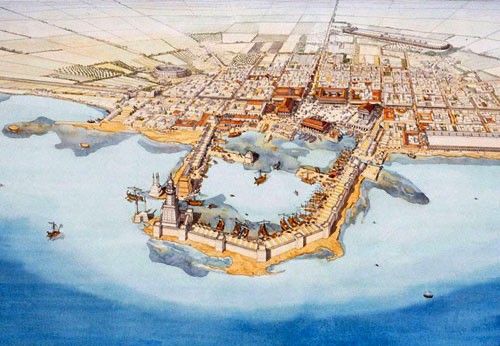
前言:本文和chatGPT合作完成。
A:
公元前 800 年,早春。帕拉蒂尼山。
天还没亮,山坡上的空气已经醒了。雾从台伯河那一侧缓慢爬升,贴着低处的草地,又在接近坡面时停住,像被什么无形的边界拦下。帕拉蒂尼山不高,却足够让人看见——看见河谷,看见对面的丘陵,也看见夜里留下的痕迹是否还在原处。
木门被轻轻推开,发出短促而克制的声响。男人走出屋外,脚踩在被反复踩实的土地上,没有迟疑。他先看界石,再看牲畜。石头还在,位置没变;羊也在,数量没少。风吹过坡面,带着湿冷的气味。他站了一会儿,直到天色真正开始发白,才转身去田地。
这里的田并不宽阔,几块不规则的土地顺着坡势展开。谷物还没完全抽穗,颜色偏暗,像还没从冬天里醒过来。男人弯腰检查土壤,用手捻起一点泥,判断湿度。他不需要记账,也不需要计划;这些动作已经在身体里重复了太多次。土地今天看起来还算安静,这就够了。
屋内,火堆被重新点起。女人俯身吹气,余烬亮了一下,又慢慢稳定下来。石磨开始转动,声音低沉而均匀,像时间被拉直后的节奏。孩子被叫醒时还带着睡意,但已经知道要去做什么——放羊,捡柴,顺便留意对面丘陵上的动静。没有人向他们解释原因,因为在这里,解释本身就是多余的。
白天展开得很慢。阳光落在坡面上,却没有让空气真正变暖。田野看起来平静,但这种平静更像一种暂停,而不是承诺。劳作时,盾牌靠在树下,矛插在土里,位置恰到好处,伸手就能碰到。对面的丘陵上也有人在活动,身影不清晰,只能看见动作的节奏。彼此熟悉,却从不完全信任。
中午,影子缩短,几户人家聚在一起。有人修补篱笆,有人低声交换消息:哪条小路最近被踩过,水源有没有变化,夜里是否听到不属于这片土地的声音。话不多,也没有人试图下结论。大家都明白,独自一户,撑不久;靠得太近,又容易出事。这个尺度,是一次次试出来的。
傍晚来得突然。炊烟在坡面上升起,又被风吹散。屋内一角,简单的供奉被放好,向祖先,向土地,也向那些没有名字却被反复提及的力量。这不是祈求奇迹,只是确认:家族还在,土地还在,今天没有越过那条看不见的线。
夜色降临,帕拉蒂尼山上的火光一盏一盏亮起,又逐渐稳定下来。河谷里的风带着湿意吹上来,让人不自觉地裹紧衣物。对面的丘陵也亮起了火光,彼此呼应,却各自孤立。
这一夜,没有人知道“罗马”这个名字,也没有人预见城墙、法律或军团。这里只有坡地、雾气、火光和被反复完成的一天。正是在这样一成不变的夜晚里,帕拉蒂尼山静静站着,像一块尚未被命名的核心,等待时间把周围的一切慢慢推向它。
帕拉蒂尼山是七丘中的之一,而七丘并不是一个在当时已经存在的整体概念。它更像是后来回望时,为一段漫长的、无意识的聚合过程取的名字。
B:
拉丁姆位于意大利半岛的中西部,介于亚平宁山脉与第勒尼安海之间,是一块既不封闭、也不显眼的土地。它不直接控制海上航道,却也不深陷内陆高山;不富饶到足以引发持续争夺,也不贫瘠到无法支撑人口生存。正是这种“不过分”的位置,使拉丁姆长期处在历史的边缘,却又从未被真正隔绝。
从地形上看,拉丁姆由三种要素构成:丘陵、河谷与平原。北部和东部逐渐抬升,与亚平宁山脉相接,形成天然屏障;中部是起伏不大的丘陵带,适合村落分布;而低处的河谷和平原则提供了稳定的农业条件。这里的土地并不辽阔,但足够连续,使人口可以分散定居,又能在必要时迅速聚合。
台伯河贯穿拉丁姆,是这一地区最重要的自然轴线。它既不像尼罗河那样主宰一切,也不像山间溪流那样支离破碎,而是一条温和却可靠的通道:向北连接内陆,向南通向海岸。早期的拉丁聚落正是沿着它的支流和高地展开,既能利用水源,又避免洪水与突袭。这种“靠近而不贴近”的关系,深刻影响了后来罗马的选址。
向西,拉丁姆面对第勒尼安海,但海岸线并不优越。缺乏天然深水港,使这里从未发展出以远洋贸易为核心的经济形态;相反,它更像是一个面向陆地的世界。贸易可以存在,但不会成为生存的基础。向东,则是山地与内陆部落,既构成压力,也限制了外来力量的快速渗透。
而正是这样一个又一个普通的日子,在不被记录的重复中,把一个农业部落的生存节奏,慢慢推向了城邦的边缘。
在公元前八世纪,帕拉蒂尼山并不知道自己“属于七丘”。它只是拉丁姆中部众多丘陵中的一个:不最高,也不最险,却恰好位于几条路径的交汇处。向下,是湿润却不可避免的低地;向外,是其他同样警惕、同样分散的丘陵聚落。每一丘都像一个独立的世界,各自守着土地、牲畜与祖先的记忆。
所谓七丘:帕拉蒂尼、卡比托林、阿文廷、奎里纳尔、维米纳尔、埃斯奎利诺、凯利安,在最初并不是“并列”的。它们之间没有统一的边界,没有共同的权威,也没有持续的协商机制。它们只是彼此足够接近,以至于无法忽视对方的存在。当人口增加,当放牧、取水、交换和冲突反复滑向同一片谷地时,这种接近开始变得具有压力。
这篇谷地被称为“Forum”。在最初的阶段,Forum 并不是任何意义上的“中心”。它位于七丘之间的低地,地势低洼,雨季时积水难退,空气潮湿,既不适合居住,也不适合防御。没有哪一丘愿意把这片地方视为自己的领地,它更像是一块被所有人嫌弃、却又无法绕开的麻烦之地。正因为无人长期驻留,这里反而成了冲突频发的区域:牲畜经过、物资交换、临时停留,不同丘陵的人群在此不断相遇,却缺乏任何稳定的秩序。
随着人口增长,一个结构性的变化开始显现。在丘顶,冲突仍然可以通过距离与回避来化解;而在谷地,回避变得越来越困难。同样的摩擦反复发生,同样的问题不断出现,使人们逐渐意识到:在这片低地,持续对抗的成本,已经高于最低限度的协商。Forum 开始从一块“问题土地”,转变为一块必须被处理的土地。
真正的转折点来自工程。为了让这片低地可以反复使用,人们开始修建排水沟,最终发展为后来著名的 Cloaca Maxima。这一步的意义远不止技术层面,它释放出一个极其重要的信号:人们第一次愿意为一块“不属于任何一丘”的土地,投入长期且不可逆的工程成本。从这一刻起,Forum 不再只是临时停留的空间,而变成了一处可以重复使用、值得维护、并且需要持续管理的场所。“中心”,并非被宣布出来,而是在工程意义上被制造出来的。
紧随工程之后到来的,并不是法律,而是仪式。宗教总是先于政治占领空间。Forum 开始承担共同祭祀、公开宣誓与集体见证的功能。这些行为本身并不产生法律条文,也不确立明确的统治结构,却在反复发生中不断确认一个事实:这里属于“我们”,而不是任何一丘。当一个空间被持续使用、被共同见证,它就开始天然地具备权威,而无需正式授予。
正是在这一过程中,Forum 的角色发生了根本性的逆转。最初,是七丘各自使用 Forum;后来,却变成了 Forum 反过来要求协调七丘。因为交易在这里发生,裁决在这里进行,仪式在这里完成。谁能够在 Forum 发言,谁就开始被视为代表整体的人。罗马并不是先形成城邦,再修建广场;恰恰相反,是 Forum 这样的公共空间先行出现,才使城邦这种政治形态变得不可避免。
C:
城墙出现的时候,罗马其实已经存在了。
在公元前六世纪,七丘早已彼此纠缠。人群在谷地往返,祭祀、交易与裁决在同一片低地反复发生。城市的生活已经成形,却仍旧没有边界。丘陵各自防御,合作只在危机中出现,所有人都默认一种暧昧的状态:像是一个整体,却从未真正承认自己是。直到某一天,这种暧昧变得危险。
外部的威胁不再只针对某一丘,而是指向整个聚居区。低地暴露,通行无序,响应迟缓。继续假装松散,意味着把已经形成的中心拱手让出。于是,一个决定被推到前台——不是关于扩张,而是关于确认:如果“我们”已经存在,就必须被保护。
这座后来被称为 塞尔维乌斯城墙 的防御体系,正是在这样的时刻被启动的。传统将它的名字与 塞尔维乌斯·图利乌斯 联系在一起,这并非偶然。只有在王权尚未退场、权力能够集中动员的时候,罗马才具备修建这样一条跨越丘陵、贯通全城的工程能力。
城墙并非凭空规划。它顺着既有的生活轨迹展开,把七丘一一纳入,借助陡坡,在平缓处加厚墙体,配以壕沟与土垒。它没有创造城市,而是沿着城市已经走过的路径,把现实固定下来。凝灰岩被从附近的采石场切下,一块块垒起;参与建造的不是雇工,而是城内的成员本身。修墙不只是劳动,更是一种无声的宣告:你在这里,你属于这里,你也将为这里承担防御的责任。
当城墙最终合拢,变化并不喧哗,却不可逆转。城内与城外第一次被清晰区分,防御从临时互助变成长期义务,“罗马”从一种事实变成一个名义。没有人需要宣布城市已经诞生,因为墙体本身已经替他们完成了宣告。
从这一刻起,罗马再也无法退回到七丘并列的状态。城墙封闭的不是空间,而是过去。它并非力量的起点,而是一个成熟共同体对自身边界的承认:一种迟来的、却一经完成便无法撤回的确认。
Preface: This essay was co-written with ChatGPT.
A:
Early spring, 800 BCE. Palatine Hill.
Before dawn fully breaks, the air on the hillside is already awake. Mist rises slowly from the far side of the Tiber, skimming the low grass, then stopping as it nears the slope, as if checked by some invisible boundary. Palatine Hill is not high, but it is high enough to see—to see the river valley, the opposing hills, and whether the traces left by the night still remain where they were.
A wooden door is pushed open, producing a brief, restrained sound. A man steps outside, his feet landing on earth packed hard by repeated passage, without hesitation. He checks the boundary stones first, then the livestock. The stones are still there, unmoved; the sheep are there too, none missing. Wind passes over the slope, carrying a damp chill. He stands for a moment, until the sky begins to pale in earnest, then turns toward the fields.
The fields here are not broad. Several irregular plots unfold along the slope. The grain has not yet fully headed; its color is still dark, as if it has not quite awakened from winter. The man bends to examine the soil, rubbing a bit of earth between his fingers to judge its moisture. He needs no ledger, no plan; these movements have been repeated in his body too many times. The land looks quiet today. That is enough.
Inside the house, the fire is lit again. A woman bends down and blows gently; the embers flare briefly, then settle. The stone mill begins to turn, its sound low and even, like time stretched into a single rhythm. The children are woken, still heavy with sleep, yet already aware of what they must do—tend the sheep, gather firewood, keep an eye on movement on the opposite hills. No one explains why. Here, explanation itself is unnecessary.
Day unfolds slowly. Sunlight falls on the slope, but the air does not truly warm. The fields appear calm, though the calm feels more like a pause than a promise. While working, a shield rests against a tree, a spear is planted in the soil, positioned just right, within easy reach. On the opposite hills, others are at work as well; their figures are indistinct, only the rhythm of their movements visible. Familiar, yet never fully trusted.
At midday, shadows shorten. Several households gather together. Some repair fences; others quietly exchange information—which path has been trampled recently, whether the water source has changed, whether unfamiliar sounds were heard during the night. There is little talk, and no one rushes to conclusions. Everyone understands: a single household cannot endure for long; draw too close, and trouble follows just as easily. This balance has been learned only through repetition.
Evening arrives abruptly. Cooking smoke rises along the slope, then is scattered by the wind. In a corner of the house, simple offerings are set out—to the ancestors, to the land, and to those unnamed forces repeatedly invoked. This is not a plea for miracles, only a confirmation: the family remains, the land remains, and today no invisible line has been crossed.
As night falls, fires light up across Palatine Hill, one by one, then gradually steady. Wind from the river valley carries dampness upward, prompting people to draw their garments tighter. Fires appear on the opposing hills as well, answering one another, yet each remaining separate.
On this night, no one knows the name “Rome,” and no one anticipates walls, laws, or legions. There are only slopes, mist, firelight, and a day completed once again. It is through countless such unchanging nights that Palatine Hill stands quietly, like a core not yet named, waiting for time to slowly press everything around it toward itself.
Palatine Hill is one of what would later be called the Seven Hills—but the Seven Hills were not yet an existing whole. They are a name given in retrospect, to a long, unconscious process of aggregation.
B:
Latium lies in the central-western part of the Italian peninsula, between the Apennine Mountains and the Tyrrhenian Sea—a land neither enclosed nor conspicuous. It does not command major sea routes, yet it is not buried deep within mountain interiors; not fertile enough to provoke constant contention, yet not so barren as to be uninhabitable. It is precisely this lack of excess that kept Latium long at the margins of history, without ever fully isolating it.
Topographically, Latium is composed of three elements: hills, river valleys, and plains. To the north and east, the land rises gradually to meet the Apennines, forming a natural barrier. The central area consists of gently rolling hills, well suited to village settlement, while the lower valleys and plains provide stable conditions for agriculture. The land is not vast, but it is continuous—allowing populations to settle in dispersed fashion, and to converge quickly when necessary.
The Tiber River runs through Latium and serves as its most important natural axis. It neither dominates everything like the Nile, nor fragments into insignificance like mountain streams. It is a moderate yet reliable corridor—linking inland regions to the north and the coast to the south. Early Latin settlements developed along its tributaries and higher ground, able to access water while avoiding floods and sudden attacks. This relationship—close but not attached—would profoundly shape the later site of Rome.
To the west, Latium faces the Tyrrhenian Sea, but its coastline is unremarkable. The lack of natural deep-water harbors meant that this region never developed an economy centered on long-distance maritime trade. Instead, it remained oriented toward the land. Trade could exist, but it would never form the basis of survival. To the east lay mountains and inland tribes—sources of pressure, yet also barriers limiting rapid external penetration.
It was through the unrecorded repetition of ordinary days like these that the survival rhythms of an agricultural people were gradually pushed toward the threshold of the city-state.
In the eighth century BCE, Palatine Hill did not know that it “belonged” to the Seven Hills. It was simply one among many hills in central Latium—neither the highest nor the most defensible, yet positioned at the intersection of several paths. Below lay the damp but unavoidable lowlands; beyond were other equally vigilant, equally dispersed hill settlements. Each hill was a world unto itself, guarding its land, livestock, and ancestral memory.
The so-called Seven Hills—Palatine, Capitoline, Aventine, Quirinal, Viminal, Esquiline, and Caelian—were not originally parallel entities. There were no unified boundaries, no shared authority, no permanent mechanisms of negotiation. They were simply close enough that none could ignore the others. As population increased, and grazing, water access, exchange, and conflict repeatedly converged on the same valley, proximity itself began to exert pressure.
That valley came to be called the Forum. In its earliest phase, the Forum was not a “center” in any sense. It lay in the low ground between the hills—waterlogged, humid, unsuitable for settlement or defense. No hill claimed it as territory. It was a space everyone disliked, yet no one could bypass. Precisely because no one lived there permanently, conflict was frequent: livestock passed through, goods were exchanged, people stopped briefly. Groups from different hills encountered one another repeatedly, without any stable order.
As population grew, a structural shift emerged. On the hilltops, conflict could still be avoided through distance and withdrawal; in the valley, avoidance became increasingly difficult. The same frictions recurred, the same problems resurfaced, until people began to recognize that in this low ground, the cost of sustained confrontation had surpassed the cost of minimal negotiation. The Forum began to shift from a “problem space” to a space that demanded intervention.
The true turning point came through engineering. To make the low ground usable on a repeated basis, drainage channels were constructed, eventually developing into what would later be known as the Cloaca Maxima. This step went far beyond technical necessity. It sent a decisive signal: for the first time, people were willing to invest long-term, irreversible labor into a piece of land that belonged to no single hill. From that moment, the Forum ceased to be a temporary stop and became a space that could be reused, maintained, and governed. The “center” was not proclaimed; it was produced through engineering.
What followed engineering was not law, but ritual. In Rome, religion always occupied space before politics. The Forum became the site of shared sacrifices, public oaths, and collective witnessing. These acts produced no legal code and established no formal authority, yet through repetition they confirmed a single fact: this place belonged to “us,” not to any one hill. When a space is used continuously and jointly witnessed, it acquires authority without needing to be formally granted.
Through this process, the Forum’s role was fundamentally reversed. At first, the Seven Hills made use of the Forum; later, the Forum came to require the coordination of the Seven Hills. Trade occurred there, judgments were rendered there, rituals were performed there. Whoever could speak in the Forum began to be seen as speaking for the whole. Rome did not first become a city-state and then build a public square; rather, it was the prior existence of a public space like the Forum that made the city-state inevitable.
C:
When the city walls appeared, Rome already existed.
By the sixth century BCE, the Seven Hills were already entangled. People moved back and forth through the valley; sacrifice, exchange, and judgment occurred repeatedly in the same low ground. Urban life had taken shape, yet boundaries were still absent. Each hill defended itself; cooperation emerged only in moments of crisis. Everyone accepted an ambiguous condition: something like a whole, yet never fully acknowledged as one. Until one day, that ambiguity became dangerous.
External threats no longer targeted a single hill, but the entire settlement. The low ground was exposed, movement unregulated, response delayed. To continue pretending to be loose was to surrender the center that had already formed. A decision was thus forced to the surface—not about expansion, but about confirmation: if “we” already existed, then we had to be protected.
The defensive system later known as the Servian Wall was initiated at precisely this moment. Tradition associates it with Servius Tullius, not as a matter of personal achievement, but of political condition. Only while royal authority still functioned—while power could be centrally mobilized—could Rome undertake an engineering project that crossed hills and enclosed the entire city.
The wall was not drawn from abstract planning. It followed the paths life had already taken, enclosing the Seven Hills, using steep slopes where possible and reinforcing flatter ground with thick walls and ditches. It did not create the city; it fixed the city along the route it had already traveled. Tufa stone was cut from nearby quarries and stacked piece by piece. Those who built it were not hired laborers, but the city’s own members. Wall-building was not merely work; it was an unspoken declaration: you are here, you belong here, and you will share responsibility for its defense.
When the wall finally closed, the change was quiet yet irreversible. Inside and outside were clearly distinguished; defense shifted from temporary cooperation to permanent obligation. “Rome” moved from being a fact to being a name. No proclamation was needed—the wall itself had already made the declaration.
From that moment on, Rome could no longer return to a state of parallel hills. The wall did not enclose space; it sealed off the past. It was not the beginning of power, but the acknowledgment by a mature community of its own boundary—a recognition that arrived late, yet once completed, could not be withdrawn.