Created on
Updated on
传播学都是利用公众的
From Crisis Management to the "Invisible Government" of Public Opinion
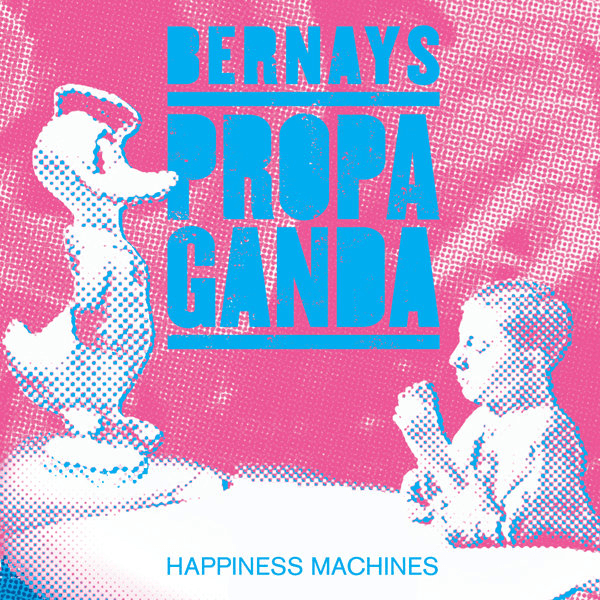
Preface: Co-written with Gemini.
1) 起源
Public Relations(公共关系)的早期形态,并非起源于“企业形象管理”,而是回应了一个更根本的现实问题:在大众社会中,当组织力量急剧扩张、舆论开始脱离精英控制时,如何重建可被接受的社会解释框架。它并不是在商业繁荣中自然生长出来的职业,而是在信任危机、舆论冲突与治理压力中逐步成型的实践集合。19 世纪末至第一次世界大战前,美国的快速工业化同时催生了两种新事物:跨区域运作的大型企业,以及覆盖全国的大众媒体。铁路、煤矿、钢铁、石油等企业第一次不得不面对一个规模巨大、流动性高、且不再受单一权威约束的“公众”。
在这一阶段,大企业往往将公众视为潜在威胁而非沟通对象。面对罢工、事故和丑闻,常见做法是信息封锁、施压媒体、操纵报道甚至直接威胁记者调查。但这种策略并未带来稳定,反而迅速消耗了信任。一旦企业发声,其解释往往被预设为谎言,舆论冲突随之升级。正是在这种背景下,Ivy Lee 的实践开始显现其结构性意义。他的判断并非基于道德理想,而是一种现实诊断:问题不在于公众是否情绪化,而在于企业已经丧失了被相信的前提。在这种条件下,单向宣传只会加剧对立。
Lee 的关键转向之一,是尝试建立稳定、可预期的信息通道。1906 年前后,在协助处理铁路事故的对外沟通时,他主动向媒体提供事故信息,包括不利事实。这类文本后来常被视为早期“新闻稿”的原型之一。其核心并不在于粉饰形象,而在于及时、准确、可核实——公众被视为有判断能力的对象,新闻不再被视为企业的私有资源。同一时期,他提出并传播了后来被称为《原则声明》(Declaration of Principles)的职业立场文本。这并非一篇宣传稿,而是一份关于公关实践边界的说明:不隐瞒、不歪曲、尊重事实、协助核实、把公众当作判断主体。以今天的标准看,这套原则显得有限甚至理想化;但在当时,它标志着一次重要转向——大型组织开始被要求向公众解释自身行为,而不仅仅向股东或权力内部负责。Ivy Lee 方法中最具争议、也最具象征意义的实践,出现在 1914 年卢德洛事件之后。
卢德洛事件发生在科罗拉多州,是长期劳资冲突升级为公共暴力的结果。冲突围绕 Colorado Fuel & Iron(CF&I)煤矿体系展开,该公司与洛克菲勒家族资本高度关联。矿工长期处于低工资、高事故率、公司城镇与公司商店制度之下,工会组织权受到系统性限制。1913 年,在 United Mine Workers 支持下,矿工发起罢工,被迫在卢德洛地区建立帐篷营地长期对峙。1914 年 4 月 20 日,冲突在州政府派遣的科罗拉多国民警卫队介入后急剧升级。帐篷营地被焚毁,多名妇女和儿童在藏身于帐篷下方的地窖中因烟雾和火灾窒息身亡。事件迅速引发全国性震动,被广泛称为“卢德洛屠杀”。舆论不再仅聚焦劳工条件,而开始将注意力集中到一个更尖锐的问题上:当私人资本与国家力量深度纠缠时,暴力责任应由谁承担。
在这一语境中,洛克菲勒家族从此前相对抽象的资本象征,转而成为可被公众指认、追责和批评的主体。Ivy Lee 的介入,并未改变事件本身的事实,也无法消除死亡带来的道德冲击。他所采取的策略,更接近于一种可见性管理:促成洛克菲勒家族成员公开露面、前往矿区、与工人接触、被媒体记录。重点不在于具体发言内容,而在于权力不再以匿名、不可触及的形式存在。这一做法并非为事件“洗白”,而是试图阻止冲突被彻底固化为不可调和的“资本对人民”对立。它并不能逆转舆论,但为社会提供了一种重新理解权力与责任关系的入口。正因如此,卢德洛事件常被视为现代公关、劳工政治与舆论治理交汇的重要节点之一,而非孤立的企业危机。这类实践也暴露了 Ivy Lee 方法的清晰边界:它是一种事后应对机制,用于在冲突已经爆发后重建最低限度的社会可沟通性,而不是一种提前塑造共识的系统工具。对企业而言,这种“止血式”公关或许足够;但对国家层面的舆论治理而言,显然不够。
20 世纪初,美国社会结构发生快速变化:城市化加速,报纸发行量激增,移民人口扩大,工会与社会运动频繁出现。舆论开始具备自发聚集和反噬能力。政府和大型组织逐渐意识到,如果只在危机发生后进行解释,往往已经失去主动权。真正的制度性转折出现在第一次世界大战期间。1917 年,美国成立 Committee on Public Information(CPI),首次以国家名义系统性动员新闻媒体、演讲网络、视觉符号与情绪叙事,说服国内社会支持参战。这一实践证明,大众意见可以被高度组织化、协调化地塑造。战后,“propaganda”一词因战争经验而声名狼藉,但相关技术和经验并未消失,而是被转移、重命名并继续使用。
正是在这一背景下,Edward Bernays 的实践获得了历史位置。他并非学院派理论家,而是高度自觉的舆论操作实践者。他并未发明“public relations”这一术语,但通过自称“public relations counsel”并持续实践,系统性地塑造了这一职业在 20 世纪的现代含义。他将心理学与群体行为研究引入舆论操作,强调传播的关键不在信息是否真实,而在是否有效。Bernays 并不相信大众能够通过理性讨论自然形成稳定共识。在他看来,大众更多是通过象征、情感与身份认同来行动。他的实践并非简单说服,而是通过重新编码意义许可,决定哪些行为在社会中变得可被接受、甚至不可反对。
“自由火炬”(Torches of Freedom)是这一逻辑的经典示范。1929 年,在女性公共吸烟仍被视为不道德的社会环境中,Bernays 并未正面反驳禁忌,而是将女性吸烟嵌入“女性解放”的象征叙事之中。在纽约复活节游行中,他安排女性在媒体镜头前吸烟,并提前向媒体提供统一解释。这一行动并未通过论证改变观念,而是通过象征赋义,使原本被禁止的行为获得合法性。这一案例并不能单独解释女性吸烟率的长期变化,但它清楚地展示了一种传播机制:人们并非仅因理解而行动,而是当行动被赋予正当意义时,禁忌才会瓦解。后来的议程设置、框架理论、符号消费、品牌叙事与身份政治,并非简单从 Bernays 直接演化而来,但它们在不同层面上对同一问题进行了理论化处理:注意力如何被分配,解释如何被预设,意义如何嵌入日常选择,认同如何被长期维持。当传播不再只是技巧问题,而成为合法性、结构与存在方式的问题时,公共关系与传播研究才真正进入现代形态。
2)慢下来
Edward Bernays(1891–1995)出生于奥地利维也纳,幼年随家人移民美国,是精神分析学创始人 Sigmund Freud 的外甥。这一亲属关系并非轶事,而是他思想形成的重要背景之一。Bernays 并未走学术研究型路径,而是在新闻、宣传与政府实践中成长。他接受过大学教育,但并未进入学院体系,而是早早进入媒体与信息运作的实务领域。第一次世界大战期间,他参与了美国政府的战争宣传与信息动员体系,在这一过程中近距离观察并参与了如何通过媒体、象征与叙事,在短时间内动员一个民主社会支持战争。战后,他将这些实践经验加以系统化,转而为企业、政府与政治力量服务,并逐步将“宣传”这一高度政治化的概念,重新包装为更具中性外观的“公共关系”(Public Relations)。他并非这一行业的唯一塑造者,但无疑是最早对公共关系的职业角色、技术逻辑与社会功能进行系统阐述和实践的人之一。Bernays 的一生横跨第一次世界大战、两次大战之间以及冷战初期,既是大众社会全面成型的见证者,也是其主动的参与者与塑形者。他并不将自己视为阴谋家或单纯的操纵者,而是自觉站在一种“社会工程”的位置上,试图回答一个在他看来无法回避的问题:当大众社会不可逆地到来,社会秩序应当如何被维持。
Bernays 所谓的“冷酷前提”,并不是情绪化的价值判断,而是一种结构判断。在《Propaganda》中,他反复强调,自己并非在指责普通公众愚蠢,而是在描述大众社会在结构层面所面临的现实条件。现代社会的信息规模远远超出个体处理能力,金融、外交、科技与法律等领域高度专业化,任何个人都不可能凭自身经验理解全部公共事务。因此,问题并不在于个人理性不足,而在于判断权在结构上必然被外包、被委托给中介体系。在这一前提下,Bernays 明确区分了个体理性与群体行为之间的差异。他继承并吸收了当时的群体心理学研究成果,认为个体在某些条件下可以保持理性,但一旦进入规模化群体,行为往往更容易转向情绪化、模仿化和极化,并受到象征、口号与身份认同的强烈驱动。他关心的并不是对这一现象的道德评判,而是其现实后果:在大众规模下,集体决策更容易失控,而不是更接近真理。这一风险在民主制度扩张后被进一步放大。19 至 20 世纪之交,选举权扩大、媒体普及、城市化与工业化同步发生。Bernays 的判断是,小规模社会尚可依赖习俗、熟人网络与非正式约束维持秩序,但在大众社会中,这种“自发秩序”已不足以支撑稳定运作。如果缺乏统一的叙事框架与方向感,社会更容易陷入情绪循环、议题碎片化与动员失控的状态。
正是在这一背景下,Bernays 提出了 “Invisible Government”(看不见的政府)这一概念。这一概念常被误解为阴谋论,但在他的原意中,它并不指向秘密会议或某个具体组织,而是指一种在大众社会条件下必然出现的功能层。它不是凭空设计出来的,而是在结构压力之下自然形成的。在 Bernays 对这一结构的描述中,“看不见的政府”并非由政客单独构成,而是一个由多种角色共同运作的网络:媒体编辑与议题把关机制影响哪些问题进入公共视野以及呈现方式;专家、学者与研究机构为特定判断提供专业权威的外观;公关与传播策划者负责设计叙事框架,连接利益方与媒体系统;意见领袖与社会象征则将抽象议题转化为可感知、可模仿的形象。这些角色不需要串谋,只需在同一套逻辑中各自运作。这一结构行使的权力,并不主要体现在法律、警察、税收或军队等传统国家工具上,而体现在对认知边界的塑造上。传统政府管理的是行为,而这一“看不见的治理层”管理的是议题范围、可接受的表达方式以及“合理结论”的区间。它并不直接命令人们必须如何思考,而是通过控制可见性与框架,使其他可能性逐渐变得不可见或不被视为严肃选项。
在 Bernays 看来,这一结构之所以不可避免,是因为逻辑本身是闭合的:大众无法处理高度复杂的公共事务,因此判断必然依赖中介;中介一旦出现,就会形成结构;这一结构要么在无意识中运作并制造混乱,要么被有意识地组织起来以维持秩序。Bernays 明确选择了后者。他关心的从来不是是否存在操控,而是由谁操控、依据什么原则操控。由此也引出了他最具争议的一层立场。在其论述中,透明本身并不必然带来理性,反而可能在特定条件下加剧恐慌、极化与系统性失序。因此,在他看来,完全意义上的公众自发决策是一种危险的幻想,民主若要在大众社会中运作,必须被“工程化”。这一逻辑令人不安的地方,并不在于其道德立场,而在于它与现代社会结构的高度匹配性,并且在实践中屡次被验证。
这也是为何冷战时期的心理战、当代政治传播以及平台化的信息分发机制,往往天然地沿着 Bernays 所描述的方向运作。简要概括而言,Bernays 所说的 “Invisible Government”,指的是在大众社会中,决定人们“如何理解世界”的那一层结构。它不需要额外的合法性,因为它在更早的阶段就已经决定了,什么会被视为合法的问题,什么值得被认真讨论。在这一意义上,Bernays 的核心判断并未随着时代消失,而是在当代以技术化形式被延续。他所描绘的是一套“舆论工程的原理图”,而平台算法则将这一原理转化为可自动运行、可规模扩展的技术系统。人性与社会结构并未发生根本变化,变化的只是执行层级——从依赖人工协调,升级为机器持续运作。
3)合理化的越界
Bernays 明确意识到,谎言在长期传播中是低效工具。谎言一旦被识破,就会迅速侵蚀信任,而失去信任的传播结构无法持续运转。因此,他真正追求的从来不是短期奏效的欺骗,而是能够长期、稳定运行的舆论结构。在这个意义上,他对谎言的否定并非出于道德立场,而是功能判断:谎言不具备系统层面的可持续性。基于这一判断,Bernays 提出了一个关键前提:事实本身并不会自动生成意义。事实往往是零散的,意义并不内嵌其中,而是通过选择、排序和解释被赋予的。公共意见也从来不是事实的简单累加,而是一个被组织、被结构化的结果。因此,propaganda 的核心并不在于编造事实,而在于决定哪些事实被呈现、如何排列这些事实、以及如何把它们连接成一个连贯的叙事。意义并非来自事实本身,而来自事实之间被设计出来的关系。在这一层面上,“选择”本身是不可避免的。
即便宣称自己在进行“客观报道”,也无法逃脱结构性取舍:报道什么、不报道什么,用什么标题、放在什么位置,这些决定本身就已经在塑造理解。Bernays 并没有发明这种偏向,而是把这一点明确说出来——所谓中立,并不意味着不存在取舍,而只是取舍不被承认。这也解释了一个常见误解:Bernays 所说的 propaganda 并不等同于“洗脑”。他并不认为人是可以被直接灌输观念的被动容器。相反,他的判断是,人只能在既有的心理结构、情绪模式与社会认同中作出反应。因此,他的目标不是改造思想,而是激活、放大并重新排列那些本来就存在的心理倾向。正因如此,Bernays 在实践中依赖的并非逻辑论证,而是恐惧、认同、羞耻、荣誉和从众心理。他并不创造新的欲望,而是重新配置既有的欲望与情绪资源,使某种立场成为最自然、最省力的选择。这一方法在联合果品公司与危地马拉的案例中体现得尤为清楚。
19 世纪末至 20 世纪初,危地马拉的核心困境并非意识形态,而是国家能力不足:财政薄弱、基础设施匮乏、出口结构高度单一。政府希望通过特许制度引入外国资本,换取铁路、港口与出口通道的建设。United Fruit Company 正是在这一背景下进入,并逐步获得了土地、税收与交通方面的特殊地位,其影响范围很快超出一般商业活动。在土地层面,联合果品通过优惠条款集中持有大量适合出口作物的优质土地,其中相当一部分并未投入生产。这种土地结构客观上限制了本地农民和潜在竞争者的进入空间,也压缩了国家在农业政策和土地调配上的操作余地。在交通与物流层面,公司通过关联企业控制了连接种植区与港口的铁路系统,并参与关键港口的运营。出口通道在形式上是商业资产,在功能上却承担着国家级基础设施的角色,使政府在贸易与运输政策上的执行能力受到制约。
围绕铁路与港口形成的通信与信息优势,也进一步加剧了这种不对称。对运输、价格与市场信息的控制,转化为谈判与决策上的结构性优势,国家在信息获取上的滞后削弱了其治理能力。在财政层面,联合果品长期以低估值申报土地和资产,税负极低。在国家财政本就薄弱的条件下,这种结构使税制逐渐失去调节功能,财政调控权在实践中被企业申报制度掏空。在劳工层面,公司在其控制区域内形成高度封闭的用工体系,工人对企业在就业、住房和生活物资上的依赖,使劳工问题难以通过国家法律体系解决,监管功能被企业内部制度替代。这些因素叠加的结果是:国家在形式上仍保有主权与法律,但在土地、交通、财政、劳工和出口等关键领域,已经难以作出独立决策。政府的政策空间被压缩到不触及公司利益的狭小范围内,一旦尝试调整,便会引发系统性反弹。
正是在这种结构背景下,Jacobo Árbenz 上台。Árbenz 并非通过政变执政,而是在宪政框架内经选举成为总统(1951–1954)。他的改革重点并不在于意识形态重塑,而在于恢复国家对土地、税收和公共资源的基本调配能力。土地改革成为核心并非偶然。长期以来,大量优质土地被集中持有且处于闲置状态,而多数农民缺乏耕地,农业生产率低下,农村贫困持续积累。1952 年的土地改革法明确区分生产性土地与闲置土地,仅对后者进行征收,并依据既有税务申报估值提供补偿。这一设计并非否定私有产权,而是试图提高土地利用率。正是在补偿机制上,制度矛盾被集中暴露。
长期低报土地价值以减少税负,在既有体系中被默许,而改革按申报估值执行补偿,使这种做法直接反噬其受益者。冲突的焦点并不只是利益受损,而是国家是否重新开始按规则行使主权。在这一结构性冲突中,Bernays 的作用并不在法律或政治决策层面,而在叙事层面。他参与的不是土地谈判,而是冲突的再定义:将一场“国家治理能力与企业利益”的经济冲突,重塑为“意识形态威胁”和“国家安全问题”。在这一叙事中,土地制度、税务估值与补偿规则逐渐被移出讨论中心,取而代之的是“左翼政府”“共产主义渗透”“苏联势力进入西半球”等标签。同时,企业自身的利益被刻意淡化,由记者、学者和所谓“拉美问题专家”的分析来承担发声功能,从而制造出“多方独立判断一致”的印象。
这种操作并未直接决定政变的发生,但它改变了干预行为的可辩护性与政治承受度。当 CIA 启动 PBSUCCESS 行动时,威胁叙事已经成熟,行动在舆论和政治层面具备了可接受性。因此,更准确的表述是:Bernays 并没有推翻危地马拉政府,但他参与塑造了一种认知环境,使“推翻它”在美国变得合理、可被理解、且不易立即引发系统性反弹。在大众民主制度中,往往正是这种被提前铺设的合理性,而非直接命令,决定了历史事件的走向。
Part 1: Origins
The early form of Public Relations did not originate from "corporate image management," but rather as a response to a more fundamental reality: in a mass society where organizational power expands rapidly and public opinion escapes elite control, how can an acceptable social explanatory framework be reconstructed? It was not a profession that grew naturally out of commercial prosperity; rather, it was a collection of practices shaped by crises of trust, conflicts of opinion, and the pressures of governance. Between the late 19th century and the eve of World War I, rapid industrialization in the United States simultaneously gave birth to two new phenomena: large-scale corporations operating across regions, and mass media covering the entire nation. For the first time, industries such as railways, coal, steel, and oil had to face a "public" that was vast, highly mobile, and no longer bound by a single authority. At this stage, large corporations often viewed the public as a potential threat rather than a subject for communication. In the face of strikes, accidents, and scandals, the common practice was information suppression, pressuring the media, manipulating reports, or even directly threatening investigative journalists. However, this strategy did not bring stability; instead, it rapidly depleted trust. Once a corporation spoke, its explanation was often presupposed to be a lie, leading to an escalation in public conflict. It was against this backdrop that the practices of Ivy Lee began to show their structural significance. His judgment was based not on moral idealism, but on a pragmatic diagnosis: the problem was not whether the public was emotional, but that the corporation had already lost the prerequisite for being believed. Under such conditions, one-way propaganda would only intensify opposition.
One of Lee's key pivots was the attempt to establish stable, predictable information channels. Around 1906, while assisting with external communication for a railway accident, he proactively provided information to the media, including unfavorable facts. Such texts were later regarded as one of the archetypes of the early "press release." Its core did not lie in whitewashing the image, but in being timely, accurate, and verifiable—treating the public as a subject capable of judgment and news as something other than a private corporate resource. During the same period, he proposed and disseminated a professional position text later known as the Declaration of Principles. This was not a promotional piece, but a clarification of the boundaries of PR practice: no concealment, no distortion, respect for facts, assistance in verification, and treating the public as the subject of judgment. By today's standards, these principles seem limited or even idealized; however, at the time, they marked a significant turn—large organizations were now required to explain their actions to the public, not just to shareholders or internal powers. The most controversial and symbolic of Ivy Lee's methods appeared following the Ludlow Massacre of 1914.
The Ludlow event in Colorado resulted from long-standing labor-management conflicts escalating into public violence. The conflict centered on the Colorado Fuel & Iron (CF&I) coal mining system, a company closely linked to Rockefeller family capital. Miners had long been subject to low wages, high accident rates, and the "company town" and "company store" systems, with their right to unionize systematically restricted. In 1913, with the support of the United Mine Workers, the miners struck and were forced to establish a long-term tent colony in the Ludlow area. On April 20, 1914, the conflict escalated sharply after the intervention of the Colorado National Guard. The tent colony was burned, and several women and children suffocated in the cellars beneath the tents due to smoke and fire. The event sent shockwaves through the nation and was widely termed the "Ludlow Massacre." Public opinion no longer focused solely on labor conditions but shifted toward a sharper question: when private capital is deeply entangled with state power, who bears the responsibility for violence?
In this context, the Rockefeller family shifted from a relatively abstract symbol of capital to a subject that could be identified, held accountable, and criticized by the public. Ivy Lee's intervention did not alter the facts of the event, nor could it eliminate the moral impact of the deaths. The strategy he adopted was closer to visibility management: facilitating public appearances by Rockefeller family members, visits to the mining areas, and interactions with workers, all recorded by the media. The emphasis was not on the specific content of the speeches, but on the fact that power no longer existed in an anonymous, untouchable form. This approach was not intended to "whitewash" the event, but rather to prevent the conflict from being permanently solidified as an irreconcilable opposition between "Capital and the People." It could not reverse public opinion, but it provided society with an entry point to re-examine the relationship between power and responsibility. Consequently, the Ludlow Massacre is often viewed as a major intersection of modern PR, labor politics, and public opinion governance, rather than an isolated corporate crisis. Such practices also exposed the clear boundaries of Ivy Lee's method: it was a reactive mechanism used to reconstruct minimal social communicability after a conflict had already erupted, rather than a systematic tool for proactively shaping consensus. For a corporation, this "stop-the-bleeding" style of PR might suffice; but for the governance of public opinion at the state level, it was clearly insufficient.
In the early 20th century, the structure of American society changed rapidly: urbanization accelerated, newspaper circulation surged, the immigrant population expanded, and labor unions and social movements became frequent. Public opinion began to possess the capacity for spontaneous aggregation and backlash. Government and large organizations gradually realized that if they only explained themselves after a crisis had occurred, they had already lost the initiative. The true institutional turning point came during World War I. In 1917, the United States established the Committee on Public Information (CPI), which for the first time systematically mobilized news media, speaking networks, visual symbols, and emotional narratives in the name of the state to persuade the domestic society to support participation in the war. This practice proved that mass opinion could be shaped in a highly organized and coordinated manner. After the war, the term "propaganda" became notorious due to the wartime experience, but the relevant techniques and experiences did not disappear; they were transferred, renamed, and continued to be used.
It was in this context that the practice of Edward Bernays secured its place in history. He was not an academic theorist, but a highly self-aware practitioner of public opinion manipulation. He did not invent the term "public relations," but by calling himself a "public relations counsel" and practicing it continuously, he systematically shaped the modern meaning of the profession in the 20th century. He introduced psychology and the study of group behavior into opinion manipulation, emphasizing that the key to communication lay not in whether the information was true, but in whether it was effective. Bernays did not believe that the masses could naturally form a stable consensus through rational discussion. In his view, the masses acted more through symbols, emotions, and identity. His practice was not simple persuasion, but a determination of which behaviors became socially acceptable—or even impossible to oppose—by re-encoding the "permits of meaning."
The "Torches of Freedom" campaign is a classic demonstration of this logic. In 1929, in a social environment where female smoking in public was still considered immoral, Bernays did not directly refute the taboo. Instead, he embedded female smoking into the symbolic narrative of "female liberation." During the New York Easter Parade, he arranged for women to smoke in front of media cameras and provided a unified explanation to the press in advance. This action did not change perceptions through rational argument, but rather granted legitimacy to a previously forbidden behavior through symbolic attribution. While this case alone cannot explain long-term changes in female smoking rates, it clearly demonstrates a communication mechanism: people do not act solely because they understand; rather, taboos crumble when an action is endowed with a sense of righteous meaning. Later concepts like agenda-setting, framing theory, symbolic consumption, brand narrative, and identity politics did not evolve simply and directly from Bernays, but they theoretically addressed the same problem on different levels: how attention is allocated, how explanations are presupposed, how meaning is embedded in daily choices, and how identity is maintained over the long term. When communication is no longer just a matter of technique, but a matter of legitimacy, structure, and a way of existence, public relations and communication studies truly enter their modern form.
Part 2: Slowing Down
Edward Bernays (1891–1995) was born in Vienna, Austria, and immigrated to the United States as a child. He was the nephew of Sigmund Freud, the founder of psychoanalysis. This familial connection was not a mere anecdote but a significant background for his intellectual development. Bernays did not pursue an academic research path; instead, he grew up within the practices of news, propaganda, and government. During World War I, he participated in the U.S. government's war propaganda and information mobilization system, observing firsthand how a democratic society could be mobilized to support war in a short time through media, symbols, and narratives. After the war, he systematized these practical experiences, turning his services toward corporations, governments, and political forces, gradually repackaging the highly politicized concept of "propaganda" into the more neutral-sounding "Public Relations." He was not the sole shaper of this industry, but he was undoubtedly the first to systematically articulate and practice the professional role, technical logic, and social function of public relations. Bernays viewed himself not as a conspirator or a simple manipulator, but as a "social engineer" attempting to answer an unavoidable question: as mass society arrives irreversibly, how should social order be maintained?
Bernays’ so-called "cold premise" was not an emotional value judgment but a structural one. In his book Propaganda, he repeatedly emphasized that he was not accusing the general public of being stupid, but was describing the realistic conditions faced by mass society at a structural level. The scale of information in modern society far exceeds an individual's processing capacity; fields such as finance, diplomacy, technology, and law are highly specialized. Therefore, the problem is not a lack of individual rationality, but that the power of judgment is structurally and necessarily outsourced and entrusted to intermediary systems. Under this premise, Bernays clearly distinguished between individual rationality and group behavior. He inherited and absorbed the group psychology research of the time, believing that while individuals can remain rational under certain conditions, once they enter a large-scale group, their behavior tends to become emotional, imitative, and polarized, driven strongly by symbols, slogans, and identity. His concern was not a moral judgment of this phenomenon, but its realistic consequences: on a mass scale, collective decision-making is more likely to lose control than to approach the truth.
Against this backdrop, Bernays proposed the concept of the "Invisible Government." This concept is often misunderstood as a conspiracy theory, but in his original meaning, it does not point to secret meetings or a specific organization; rather, it refers to a functional layer that inevitably emerges under the conditions of mass society. In Bernays' description, the "Invisible Government" is not composed solely of politicians, but is a network operated by various roles: media editors and gatekeeping mechanisms that influence which issues enter the public view and how they are presented; experts, scholars, and research institutions that provide the appearance of professional authority for specific judgments; PR and communication planners responsible for designing narrative frames; and opinion leaders and social symbols who translate abstract issues into perceptible, imitable images. These roles do not need to conspire; they only need to operate within the same logic. The power exercised by this structure is not primarily manifested in traditional state tools such as law, police, or the military, but in the shaping of cognitive boundaries. Traditional government manages behavior, while this "invisible governance layer" manages the scope of issues, acceptable forms of expression, and the "range of reasonable conclusions." It does not directly command people how to think, but rather controls visibility and framing so that other possibilities gradually become invisible or are not regarded as serious options.
In Bernays' view, this structure is unavoidable because the logic itself is closed: the masses cannot process highly complex public affairs, so judgment necessarily relies on intermediaries; once intermediaries appear, a structure is formed; this structure either operates unconsciously and creates chaos, or is consciously organized to maintain order. Bernays explicitly chose the latter. He was never concerned with whether manipulation existed, but with who manipulated and according to what principles. This leads to his most controversial stance: in his discourse, transparency does not necessarily bring rationality; instead, it may exacerbate panic, polarization, and systemic disorder under certain conditions. Therefore, in his view, completely spontaneous public decision-making is a dangerous illusion; if democracy is to function in a mass society, it must be "engineered." The unsettling aspect of this logic lies not in its moral position, but in its high degree of compatibility with the structure of modern society. This is why the psychological warfare of the Cold War era, contemporary political communication, and platform-based information distribution mechanisms tend to operate naturally in the direction Bernays described. In essence, Bernays’ "Invisible Government" refers to the layer of structure that determines how people "understand the world" in a mass society. It requires no additional legitimacy because it has already decided, at an earlier stage, what will be regarded as a legitimate question and what is worth serious discussion.
Part 3: The Rationalized Transgression
Bernays clearly realized that lies are inefficient tools in long-term communication. Once a lie is exposed, it rapidly erodes trust, and a communication structure that has lost trust cannot continue to operate. Therefore, what he truly pursued was not short-term deception, but an opinion structure capable of stable, long-term operation. In this sense, his rejection of lies was based on a functional judgment: lies lack systemic sustainability. Based on this judgment, Bernays proposed a key premise: facts themselves do not automatically generate meaning. Facts are often scattered, and meaning is not embedded within them; rather, it is endowed through selection, ordering, and interpretation. Public opinion is never a simple accumulation of facts, but an organized, structured result. Therefore, the core of propaganda lies not in fabricating facts, but in deciding which facts are presented, how they are arranged, and how they are connected into a coherent narrative. Meaning comes not from the facts themselves, but from the designed relationships between them. At this level, "selection" is unavoidable. Even those claiming to conduct "objective reporting" cannot escape structural trade-offs. Bernays did not invent this bias; he simply stated it clearly—so-called neutrality does not mean an absence of trade-offs, but merely that the trade-offs are not acknowledged.
This explains a common misunderstanding: Bernays’ "propaganda" is not synonymous with "brainwashing." He did not believe that people are passive containers into which ideas can be directly poured. Instead, his judgment was that people can only react within existing psychological structures, emotional patterns, and social identities. Therefore, his goal was not to transform thoughts, but to activate, amplify, and rearrange existing psychological predispositions. Consequently, Bernays relied not on logical argument, but on fear, identity, shame, honor, and the herd mentality. He did not create new desires; he reconfigured existing desires and emotional resources so that a certain position became the most natural and effortless choice. This method is particularly clear in the case of the United Fruit Company and Guatemala.
Between the late 19th and early 20th centuries, the core dilemma of Guatemala was not ideology, but a lack of state capacity: weak finances, a lack of infrastructure, and a highly singular export structure. The government hoped to attract foreign capital through a concession system in exchange for the construction of railways, ports, and export channels. It was in this context that the United Fruit Company entered, gradually obtaining a special status in terms of land, taxation, and transportation. The company held vast amounts of high-quality land suitable for export crops, much of which was not put into production. This land structure limited the space for local farmers and competitors and compressed the state's room for maneuver in agricultural policy. In terms of logistics, the company controlled the railway systems and participated in the operation of key ports. While these were commercial assets in form, they functioned as national-level infrastructure. The control over transportation, prices, and market information translated into a structural advantage in negotiations, as the state’s lag in information acquisition weakened its governance capacity. Fiscally, United Fruit long reported land and assets at low valuations, paying minimal taxes. Labor-wise, the company formed a highly closed employment system within its controlled areas, replacing state regulatory functions with internal corporate systems. The result was that while the state nominally retained sovereignty and law, it could no longer make independent decisions in the key areas of land, transportation, finance, and labor.
It was in this structural context that Jacobo Árbenz came to power. Árbenz was elected president (1951–1954) within a constitutional framework. His reform focus lay in restoring the state’s basic capacity to allocate land, taxes, and public resources. The 1952 Land Reform Law explicitly distinguished between productive and idle land, expropriating only the latter and providing compensation based on existing tax valuations. This design did not deny private property rights but sought to increase land utilization. It was on the compensation mechanism that the institutional contradiction was exposed. The long-term practice of underreporting land value to reduce taxes was reversed, as compensation based on those same reported valuations directly penalized the company. The focus of the conflict was not just lost profits, but whether the state was re-exercising its sovereignty according to rules.
In this structural conflict, Bernays' role lay not at the legal or political level, but at the narrative level. He did not participate in land negotiations; he participated in the redefinition of the conflict: reshaping an economic conflict between "state governance capacity and corporate interests" into an "ideological threat" and a "national security issue." In this narrative, land systems and tax valuations were moved out of the center of discussion, replaced by labels such as "leftist government," "communist infiltration," and "Soviet influence in the Western Hemisphere." Simultaneously, the company's own interests were deliberately downplayed, and voices were provided by journalists, scholars, and so-called "Latin American experts" to create the impression of a "consensus of independent judgments." This operation did not directly decide the occurrence of the coup, but it changed the defensibility and political endurance of the intervention. When the CIA launched Operation PBSUCCESS, the threat narrative was already mature, making the action acceptable at the level of public opinion and politics. Therefore, Bernays did not overthrow the Guatemalan government, but he participated in shaping a cognitive environment that made "overthrowing it" appear reasonable and understandable in the United States. In a mass democracy, it is often this pre-laid rationality, rather than direct command, that determines the direction of historical events.