Created on
Updated on
Minneapolis (I): An Amplifier of Political Conflict
明尼阿波利斯(i):政治冲突的放大器
写在前面:本文和chatgpt合作完成。
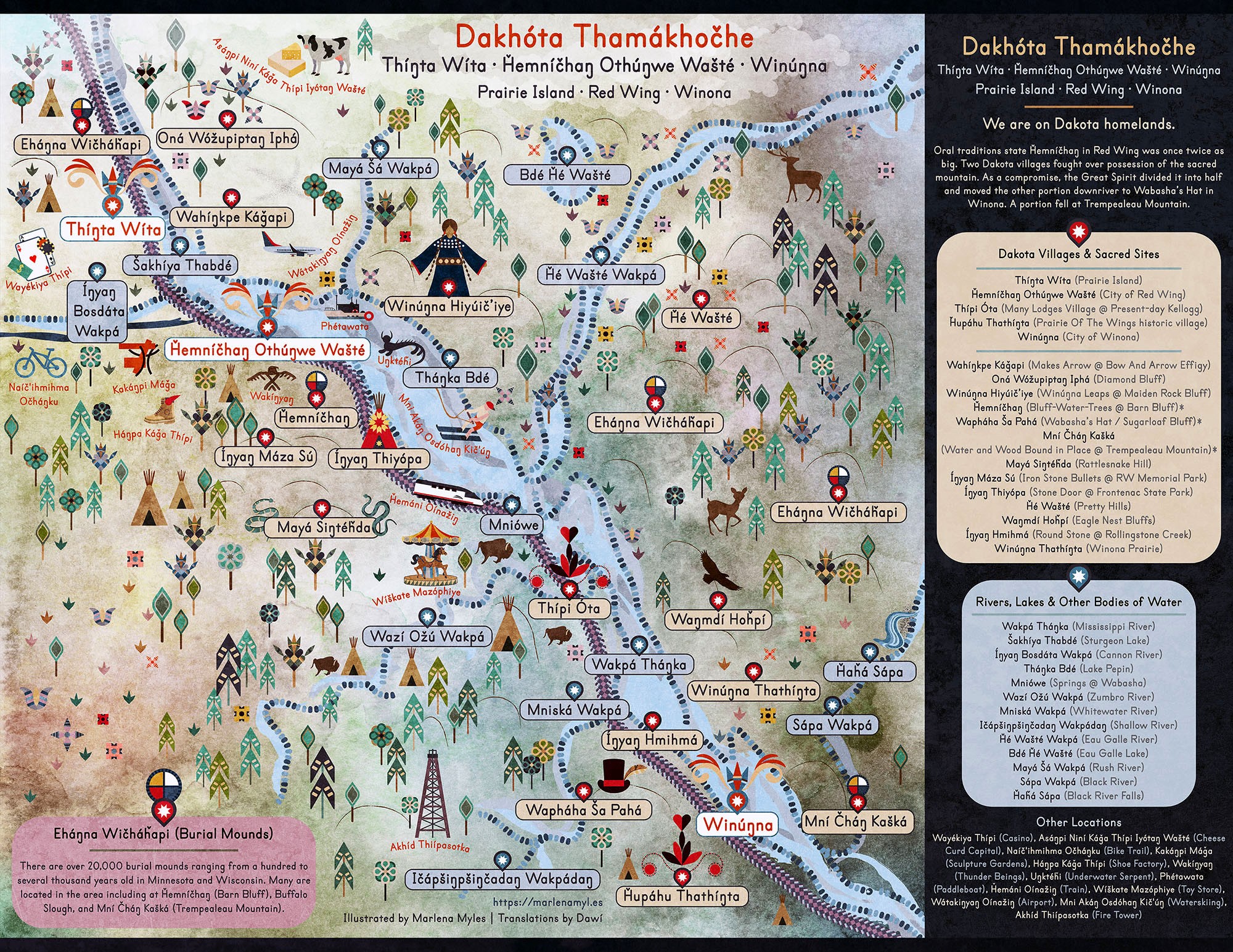
在欧洲殖民者到来之前,今天的Minneapolis并不是“无人之地”,而是Dakota民族几百年甚至上千年生活、迁徙、祭祀与治理的核心区域。密西西比河在这里形成的圣安东尼瀑布,对他们而言并非自然景观或能源节点,而是一个具有宇宙意义的地方。这里被称为Bdóte,是河流交汇、生命循环与精神世界重叠之处,是政治、宗教与社会秩序的中心。这意味着,后来城市的“地理中心”,恰恰也是原住民世界观的中心。
18世纪末到19世纪初,美国对密西西比河上游的理解,本质上是一种军事—物流—主权的复合视角,而不是对“社会”“文化”或“既有文明”的承认。对新生的美利坚共和国而言,密西西比河不是一条河,而是一条决定国家能否存活的生命线。它连接着内陆农业、国际贸易、军队调动与领土主权。谁控制河流,谁就控制未来的国家形态。
在这一逻辑下,今天的Minneapolis所在区域,被视为“上游咽喉”。这里靠近河流源头、河道转折点与天然瀑布,意味着它既是航运的终点,也是控制更大区域的闸门。美国军政精英关注的是三件事:防止欧洲列强重新介入、压制原住民的主权存在、确保向西扩张不被切断。这种关注本身,就已经将这里定义为“战略空间”,而不是一个拥有自身秩序的社会。
当时,美国仍是一个高度脆弱的国家。东部十三州被大西洋绑死,向西发展的唯一现实通道就是密西西比河,而河口的新奥尔良掌握在欧洲列强手中。谁控制新奥尔良,谁就决定了美国内陆农业是否能活下去。对当时的美国来说,这不是外交问题,而是生存问题。一旦被切断,国家将被迫退回沿海,西部将永远无法整合。
法国的回归,反而让危机变得紧迫。拿破仑试图重建法兰西在北美的帝国体系,把路易斯安那作为向加勒比和大陆扩张的基地。但黄热病、殖民失败与欧洲战争迅速耗尽了法国的能力。于是,美国抓住了一个历史窗口,用金钱而不是战争,完成了一个通常只有帝国才能完成的动作:一次性获得一个大陆级别的纵深空间。
但关键在于,这次购买并不等同于对土地的“实际控制”。1803年的路易斯安那(以及在同一个purchase中被购买的Minneaplolis),对美国而言几乎是一个未知世界。地图是粗糙的,边界是模糊的,原住民主权仍然真实存在。美国真正买到的,并不是土地本身,而是欧洲列强对这片土地的“放弃权”。换句话说,美国买的是一个合法使用暴力和制度重塑空间的许可证。
这直接决定了之后的扩张方式。既然土地在法律上已经“属于美国”,那么剩下的问题就不再是是否可以进入,而是如何清除障碍。军事要塞、条约体系、土地测绘、行政区划和移民政策,开始像一套完整的流水线一样向西推进。密西西比河从此被重新定义为国家主轴,而不是多族群共享的生活空间。它们不再是边缘地带,而是被视为未来农业、工业与人口扩张的关键节点。
美国并不急于立即让这些地方“文明化”,而是优先确保三个条件:军事可控、法律可管、人口可替换。只要这三点成立,社会与城市会自然长出来。这也是为什么路易斯安那购地案在美国历史中常被描述为“和平扩张”,却在原住民历史中被视为灾难的起点。战争并没有立刻发生,但结局已经被结构性地锁定。原住民从主权主体,被重新编码为“居住在美国土地上的问题”;河流从生命与精神网络,被改写为运输与税收通道;土地从不可分割的生存空间,被拆解为可以出售、继承、抵押的资产。这是一个倒置的文明扩展顺序:不是社会生长出国家,而是国家先用暴力框架清场,再允许社会进入。
1820年代修建的Fort Snelling,本质上不是为了“保护边疆”,而是为了控制原住民、监视河道、执行土地转移。随后的一系列条约,并非平等协商,而是在军事威胁、债务勒索与信息不对称下完成的土地剥夺。条约文本里写着“让渡”“交换”,现实中却是系统性的驱逐与资源切断。
Fort Snelling的位置极其关键,坐落在密西西比河与明尼苏达河的交汇处,也就是Dakota人称为Bdóte的神圣之地。在Dakota的世界观中,这是生命起源与灵魂循环的节点;而在美国军方的地图上,这是“必须被占据的制高点”。这种空间意义的反转,本身就是殖民的核心动作:不是简单占地,而是对意义本身的夺取。
从一开始,Fort Snelling的主要任务就不是抵御外敌,而是执行内部控制。它监视河道贸易,限制原住民的流动,强制执行条约条款,并作为白人定居者进入该地区的安全保障。换句话说,它是美国主权向西投射的硬件接口。条约之所以能“生效”,不是因为双方同意,而是因为条约背后站着这座要塞和它的火炮。
更重要的是,Fort Snelling承担了一个常被忽略的功能:将暴力官僚化。原住民的土地不再是被直接抢夺,而是通过驻军、文件、配给制度和司法程序,被一步步抽空。饥饿不是偶然发生的,而是被管理出来的结果。补给被拖欠、狩猎被禁止、迁徙被限制,这些看似“行政性”的措施,实质上比战斗更有效地瓦解了Dakota社会。
这对Dakota社会而言是结构性的崩溃。传统狩猎与迁徙路线被切断,承诺的补给被拖欠甚至直接侵吞,族群被迫集中在贫瘠的保留地。饥饿并非自然灾害,而是制度性制造的结果。1862年爆发的U.S.–Dakota War of 1862,并不是“原住民暴动”,而是长期饥荒与欺骗积累后的绝望反应。战争的结局是公开处决、集体流放与事实上的种族清洗,Dakota被大规模驱逐出明尼苏达,社会结构被彻底粉碎。
战争结束后,大量Dakota妇女、儿童和老人被强制关押在Fort Snelling附近的集中营,暴露在严寒、疾病与饥饿中,死亡率极高。随后发生的集体处决与流放,标志着Dakota在明尼苏达的社会存在被正式清除。而正是在这一清场完成之后,明尼苏达才被“安全地”向白人移民开放。Minneapolis和Saint Paul得以迅速发展,并非因为自然优势突然显现,而是因为原有社会已被强制移除。Fort Snelling完成了它的历史使命:把一片有主之地,转化为看似“空白”的可开发空间。
在这一“清空”之后,Minneapolis才得以迅速成形。瀑布被水坝、磨坊和工厂占据,河流被重新编码为资本与工业的工具。城市的法律、产权和秩序,从一开始就建立在一个前提之上:原有的世界已经被合法地抹除。这不是象征意义上的“原罪”,而是实质性的制度基础。我们今天看到的城市边界、警力布局、土地所有权,底层都延续着这一逻辑。
白人定居者在19世纪中后期大规模进驻之后,Minneapolis被迅速压缩、重塑、定型。
在19世纪末到20世纪初,Minneapolis的城市权力结构极度集中,而且这种集中并不是“后来资本主义的自然结果”,而是在建城阶段就被锁定的。控制城市方向的不是分散的商人群体,而是少数几家高度垂直整合的工业—金融集团,它们几乎同时掌握了能源、生产、运输、信贷和地方政治。
圣安东尼瀑布的水力被迅速私有化,是这一结构的起点。瀑布周边最核心的地段,被面粉工业巨头永久占据。像Pillsbury、Washburn-Crosby这样的企业,不只是工厂主,它们通过铁路合同、粮食定价、银行贷款和地方税收政策,把整条产业链锁死在自己手中。
这意味着,城市并不存在一个“中间层的经济缓冲带”。要么你在资本核心圈层内,参与决策、分配和扩张;要么你就在生产端,被当作可以替换的劳动力单位。大量来自北欧、东欧的白人移民,以及后来进入城市的非裔美国人,被迅速吸纳进磨坊、仓储、铁路和码头系统,但他们几乎不可能通过劳动积累进入上层结构。阶级通道从一开始就是单向的。
随着东欧移民、北欧移民、后来非裔美国人进入城市,住房、教育和公共资源被系统性地分区配置。20世纪初开始实施的住房歧视与后来的红线政策,使族群和阶级几乎一代人内就被锁死在特定街区。北区逐渐成为黑人社区,南区和郊区则被设计成白人中产和富裕阶层的空间。这不是自然形成的隔离,而是政策、银行和城市规划合谋的结果。
工人居住区被刻意安排在靠近工厂、铁路和河岸的地带,住房密集、环境恶劣、基础设施投入最低。居住并不是为了生活质量,而是为了最大限度减少通勤成本、提高劳动力可调度性。房屋往往由与工业资本有直接关系的地主或公司控制,租金稳定上浮,居住条件却长期停滞。所谓“低保障”,不是福利缺失,而是一种制度性设计:你被允许生存,但不被允许积累。
与此同时,城市治理结构几乎完全向精英倾斜。市政委员会、规划部门、警察系统与商业协会高度重叠,公共决策的优先级始终围绕工业效率、资产安全和投资环境。工人社区在制度上是被管理的对象,而不是被服务的主体。罢工、集会和组织化尝试,频繁遭到警察和私人安保的联合镇压,这也是了为什么Minneapolis会在20世纪初成为全美劳工冲突最激烈的城市之一。
更隐蔽、也更长效的,是“风险转移”。工业事故、失业、疾病和经济周期波动,几乎全部由底层劳工承担;而资本通过金融工具、保险机制和政治影响力,将风险外包。城市在统计上不断增长,但增长的成本被持续压缩进工人和移民的身体、家庭和社区之中。这种结构不需要持续的暴力维持,因为它被写进了合同、地契、警务规则和城市规划。
这一结构的关键影响,在于它几乎没有被真正拆除。即便面粉工业衰落,资本形式变化,这种“精英决策—底层承压”的城市逻辑仍然存续。后来你在Minneapolis看到的族群隔离、财富差距、警察与社区之间的高度紧张,并不是新的问题,而是这套早期工业—金融秩序在不同历史阶段的显影版本。城市的方向,早在百年前就已经被定好了。
Preface: This article was co-created with ChatGPT.
Before European colonizers arrived, what is now Minneapolis was not an “empty land.” It was a core region where the Dakota people had lived, migrated, held ceremonies, and governed for hundreds, if not thousands, of years. St. Anthony Falls, formed by the Mississippi River at this location, was not merely a natural landmark or an energy resource to them, but a place of cosmic significance. Known as Bdóte, it was where rivers converged, where cycles of life and the spiritual world overlapped, and where political, religious, and social order were centered. This means that what later became the “geographic center” of the city was, in fact, the center of the Indigenous worldview.
From the late 18th to the early 19th century, the United States’ understanding of the upper Mississippi River was fundamentally military, logistical, and sovereign in nature, rather than an acknowledgment of existing societies, cultures, or civilizations. For the young American republic, the Mississippi River was not simply a river; it was a lifeline that determined whether the nation could survive. It connected inland agriculture, international trade, military movement, and territorial sovereignty. Whoever controlled the river controlled the future form of the state.
Within this logic, the area that is now Minneapolis was seen as an “upstream choke point.” Its proximity to the river’s headwaters, bends, and natural waterfalls meant that it was both the terminus of navigation and a gate controlling a much larger region. U.S. political and military elites focused on three priorities: preventing renewed European intervention, suppressing Indigenous sovereignty, and ensuring westward expansion would not be cut off. This focus itself defined the area as a “strategic space,” not as a society with its own internal order.
At the time, the United States was still a highly fragile nation. The original thirteen colonies were bound to the Atlantic, and the only viable path westward was the Mississippi River, whose mouth at New Orleans was controlled by European powers. Whoever controlled New Orleans determined whether America’s inland agriculture could survive. For the United States, this was not a diplomatic issue but a matter of survival. If cut off, the country would be forced back to the coast, and the West would never be integrated.
France’s return made the crisis more urgent. Napoleon attempted to rebuild a French empire in North America, using Louisiana as a base for expansion into the Caribbean and the continent. But yellow fever, colonial failure, and European wars quickly drained French capacity. The United States seized a historical window, using money rather than war to accomplish something usually reserved for empires: acquiring continental-scale strategic depth in a single move.
Crucially, however, this purchase did not equate to actual control of the land. To the United States, Louisiana in 1803 was largely unknown territory (and Minneapolis, purchased as part of the same transaction). Maps were crude, borders were vague, and Indigenous sovereignty remained very real. What the United States truly purchased was not land itself, but the European powers’ relinquishment of claims to it. In other words, America bought a license to legally deploy violence and restructure space through institutions.
This directly shaped the mode of expansion that followed. Since the land was now legally “American,” the remaining question was no longer whether entry was permitted, but how to remove obstacles. Military forts, treaty systems, land surveys, administrative divisions, and immigration policies advanced westward like a coordinated assembly line. The Mississippi River was redefined as the nation’s central axis rather than a shared, multi-ethnic living space. These regions were no longer peripheral; they were seen as key nodes for future agricultural, industrial, and population expansion.
The United States did not rush to “civilize” these places. Instead, it prioritized three conditions: military control, legal manageability, and demographic replaceability. Once these were secured, society and cities would grow naturally. This is why the Louisiana Purchase is often described in U.S. history as a “peaceful expansion,” while in Indigenous history it marks the beginning of catastrophe. War did not occur immediately, but the outcome was structurally predetermined. Indigenous peoples were recoded from sovereign actors into “problems residing on U.S. land.” Rivers were transformed from networks of life and spirit into channels of transport and taxation. Land shifted from an indivisible space of survival into an asset that could be sold, inherited, and mortgaged. This was an inverted order of civilizational expansion: not societies giving rise to a state, but a state first clearing space through violence, then permitting society to enter.
Fort Snelling, constructed in the 1820s, was not built to “protect the frontier,” but to control Indigenous peoples, monitor river traffic, and enforce land transfers. Subsequent treaties were not the result of equal negotiation, but of dispossession under military threat, debt coercion, and information asymmetry. Treaty language spoke of “cession” and “exchange,” while the reality was systematic expulsion and resource deprivation.
Fort Snelling’s location was critical, sitting at the confluence of the Mississippi and Minnesota Rivers—precisely the sacred Bdóte of the Dakota people. In Dakota cosmology, this was the node of life’s origin and the cycle of souls; on U.S. military maps, it was a “strategic high ground that must be occupied.” This reversal of spatial meaning is itself the core act of colonization: not merely seizing land, but seizing meaning.
From the outset, Fort Snelling’s primary mission was internal control rather than external defense. It monitored river trade, restricted Indigenous movement, enforced treaty provisions, and provided security for white settlers entering the region. It functioned as the hardware interface of U.S. sovereignty projecting westward. Treaties “worked” not because of mutual consent, but because artillery stood behind them.
More importantly, Fort Snelling bureaucratized violence. Indigenous land was no longer taken outright, but drained through garrisons, paperwork, ration systems, and judicial procedures. Hunger was not accidental; it was administratively produced. Supplies were delayed or withheld, hunting was prohibited, migration restricted. These seemingly “administrative” measures dismantled Dakota society more effectively than open combat.
For the Dakota, this resulted in structural collapse. Traditional hunting and migration routes were severed, promised provisions withheld or embezzled, and communities forced onto barren reservations. Famine was not a natural disaster but an institutional outcome. The U.S.–Dakota War of 1862 was not an “uprising,” but a desperate reaction to prolonged starvation and deception. Its aftermath included public executions, mass exile, and de facto ethnic cleansing. The Dakota were expelled from Minnesota, and their social structure was shattered.
After the war, Dakota women, children, and elders were confined in camps near Fort Snelling, exposed to cold, disease, and hunger, with extremely high mortality. Subsequent executions and deportations formally erased Dakota social presence in Minnesota. Only after this clearing was completed could the region be “safely” opened to white settlers. Minneapolis and Saint Paul did not grow because natural advantages suddenly emerged, but because an existing society had been forcibly removed. Fort Snelling fulfilled its historical function: transforming inhabited land into seemingly “empty” developable space.
Only after this clearing did Minneapolis rapidly take shape. The falls were occupied by dams, mills, and factories; the river was recoded as a tool of capital and industry. From the beginning, the city’s legal system, property rights, and order rested on a single premise: the prior world had been legitimately erased. This was not a symbolic “original sin,” but a concrete institutional foundation. Today’s city boundaries, policing patterns, and land ownership all extend from this logic.
After large-scale white settlement in the late 19th century, Minneapolis was rapidly compressed, reshaped, and fixed.
From the late 19th to early 20th century, the city’s power structure was extremely concentrated, not as a natural outcome of later capitalism, but as something locked in during its founding. Urban direction was controlled not by dispersed merchants, but by a small number of vertically integrated industrial-financial conglomerates that simultaneously controlled energy, production, transportation, credit, and local politics.
The rapid privatization of St. Anthony Falls’ hydropower marked the starting point of this structure. Prime land around the falls was permanently occupied by flour-milling giants. Companies like Pillsbury and Washburn-Crosby were not merely factory owners; through rail contracts, grain pricing, banking loans, and tax policy, they locked the entire industrial chain under their control.
This meant the city lacked a “middle economic buffer.” You were either inside the capital core, participating in decision-making and expansion, or on the production floor, treated as a replaceable labor unit. Large numbers of Nordic and Eastern European immigrants, followed later by African Americans, were absorbed into mills, warehouses, railroads, and docks, but had virtually no path into the upper structure through labor alone. Class mobility was one-directional from the start.
As Eastern European, Nordic, and later Black populations entered the city, housing, education, and public resources were systematically zoned. Early 20th-century housing discrimination and later redlining locked race and class into specific neighborhoods within a generation. North Minneapolis became predominantly Black, while the south side and suburbs were designed for white middle- and upper-class residents. This segregation was not organic; it was the product of coordinated policy, banking, and urban planning.
Worker housing was deliberately placed near factories, rail lines, and riverbanks, with dense construction, poor conditions, and minimal infrastructure investment. Housing was designed not for quality of life, but to minimize commuting costs and maximize labor flexibility. Properties were often controlled by landlords or companies tied directly to industrial capital. Rents rose steadily while living conditions stagnated. “Low security” was not a lack of welfare, but an intentional design: survival was permitted, accumulation was not.
Meanwhile, urban governance overwhelmingly favored elites. City councils, planning departments, police systems, and business associations were deeply intertwined. Public decision-making consistently prioritized industrial efficiency, asset protection, and investment climate. Worker communities were managed, not served. Strikes, assemblies, and organizing efforts were frequently crushed by police and private security, which is why Minneapolis became one of the most labor-conflict-intense cities in the U.S. in the early 20th century.
More subtle and enduring was the transfer of risk. Industrial accidents, unemployment, illness, and economic cycles were borne almost entirely by workers, while capital offloaded risk through finance, insurance, and political influence. The city grew statistically, but the cost of growth was continuously compressed into the bodies, families, and communities of workers and immigrants. This structure did not require constant violence; it was encoded into contracts, deeds, policing rules, and urban plans.
The critical impact of this structure is that it was never truly dismantled. Even after the decline of the flour industry and shifts in capital form, the logic of “elite decision-making and bottom-heavy burden” persisted. The racial segregation, wealth gaps, and intense police-community tensions seen in Minneapolis today are not new phenomena, but successive historical projections of this early industrial-financial order. The city’s direction was set more than a century ago.