Created on
Updated on
Minneapolis (V): George Floyd Justice in Policing Act
明尼阿波利斯 (V):乔治·弗洛伊德
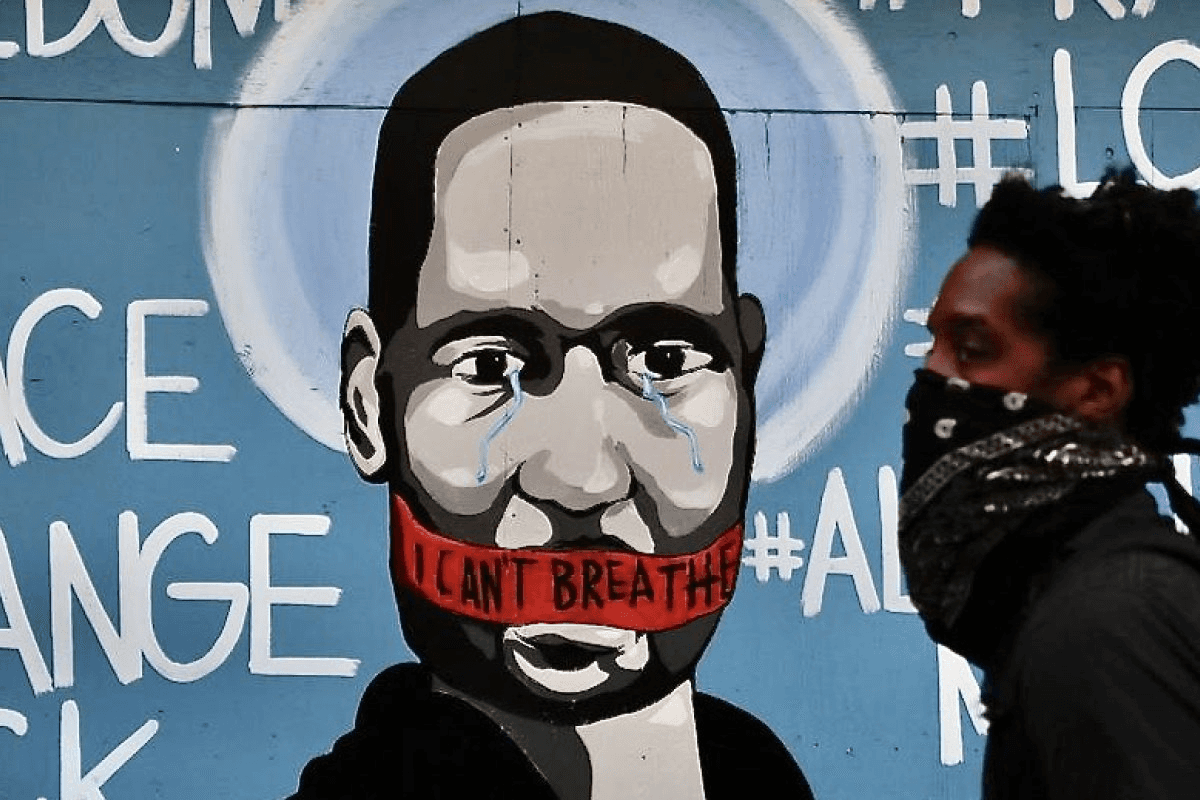
写在前面:本文和chatgpt合作完成。
2020年5月25日,George Floyd在明尼阿波利斯南区一家便利店被指控使用一张疑似假钞。报警内容指向的是一笔金额极小、真伪未明的交易纠纷,而不是正在发生的暴力行为。事件本身不涉及武器、不构成即时人身威胁,也不存在公共安全层面的紧急风险。
在执法实践中,这类情境通常被视为低风险事件,其核心处理目标应当是信息核实而非身体控制。常规路径包括询问当事人基本信息、记录交易情况、回收疑似钞票,并在事后由银行或相关机构进行真伪鉴定。如确有违法情形,再通过传唤或低风险拘留程序处理;若不存在问题,事件即可结束。从公开影像与事后材料来看,这一过程中并不存在必须立即将当事人按倒在地、上铐并持续施压的现实条件。
然而,在实际执法中,事件并未沿着这一低风险路径推进。美国许多城市的街头执法长期以“预先控制”而非“动态风险评估”为核心逻辑。一旦警力被派往现场,系统往往会将原本可沟通、可延迟处理的情境,迅速拉入强制控制流程。这种流程并不必然建立在当事人行为升级之上,而更多基于对“潜在风险”的假设判断。
在这一逻辑下,控制手段的使用不再严格对应实际行为变化。手铐被用于“预防性控制”,压制被用于“确保局面可控”,强度升级并非对攻击行为的回应,而是对想象中风险的回应。结果是,事件的法律严重性处于最低端,但身体控制的强度却迅速跃迁至高位。这种断裂并非单一警员的即时失误,而是长期训练与制度激励所塑造出的路径依赖:快速控制被视为专业表现,而“判断是否根本不需要控制”并未成为被奖励的能力。
一旦高强度武力被引入,最初的交易纠纷便在法律叙事中被覆盖。讨论焦点不再是钞票真伪,而转向“是否配合”“是否存在抗拒”“是否需要持续控制”。执法行为本身开始生成新的正当性理由,使最初的问题在叙事中被边缘化甚至消失。权力的危险性正在于此:它能够通过自身行动,重写事件的性质。
从公开视频与证词可见,在被要求下车、上铐并被控制期间,Floyd并未表现出攻击行为,也未尝试逃离。他持续表达的是恐慌、呼吸困难与身体不适。这些表达在警务实践中往往被降权处理,因为在既有训练与经验框架中,“嫌疑人表示不适”常被理解为拖延、表演或操纵,而非需要立即响应的医学信号。
随后发生的关键场景,是警员Derek Chauvin将膝盖压在Floyd颈部后侧并持续施压。根据不同阶段的官方文件与庭审材料,这一压制行为持续了约八分多至九分多不等,其中有一段时间发生在Floyd已明显失去反应能力之后。关键并不在于具体秒数的差异,而在于“持续性”:这并非瞬间失控,而是在有目击者、有同事在场的情况下,长时间维持的动作,显示当事警员在当时的制度与心理框架中,并未将其视为明显不可接受的行为。
现场围观者反复提醒“他不能呼吸了”“你在杀他”,但这些来自平民的声音,在警务权力结构中并不具备制衡效力。其他警员未采取强制性干预措施,意味着当时的同僚制衡机制并未启动。这种集体层面的不纠正,比单一暴力行为本身更具结构性意义,因为它显示系统在关键时刻未能对自身行为形成内部约束。
Floyd的死亡并非单一动作的结果,而是多重结构长期叠加的显影:对低级别违法的过度执法倾向、对黑人身体的危险化想象、对顺从者苦痛表达的系统性忽视,以及警队内部对“不质疑同事”的非正式规范。
事件发生后,美国确实出现了一系列被称为“改革”的举措,但多数集中在流程、技术与话语层面,而未触及权力结构本身。随身摄像头、执法记录、数据透明再次被强调,但Floyd事件本身正是在多角度、高清记录下发生的。影像并未阻止升级,只是在事后提供了追责材料。这类改革隐含的假设是“被看见就会守规矩”,但警务暴力的发生并不依赖隐蔽性,而依赖当下对正当性的确信。
去激化训练、心理健康课程与隐性偏见教育在各地铺开,但警员的核心考核指标并未改变。快速控制、降低自身风险、维持权威依然是被奖励的行为。在这种结构下,培训更多起到道德装饰作用,而难以改变街头决策的真实激励。
在话语层面,许多机构将问题界定为“个别警员”“程序失误”或“异常事件”,从而把系统性问题重新压缩为个人道德问题。相应的解决方案便转向背景审查、心理评估与内部纪律,而非追问:为何在高度相似的情境中,许多被认为“正常”的警员会做出高度相似的选择。
在联邦层面,《George Floyd Justice in Policing Act》被多次提出并在众议院通过,但在参议院因党派分歧、警察工会游说与程序性阻挠而停滞。围绕合格豁免权、全国性用武底线以及责任再分配的关键内容,始终未能形成足以立法的共识。结果是一种典型的“半步改革”:足以缓和舆论压力,却不足以改变权力如何运作。
在这一背景下,警察仍然被置于社会冲突的首要乃至唯一处理位置。大量本质上属于贫困、心理健康、成瘾与社区崩解的问题,继续由携带武器、以控制为核心训练目标的系统来应对。只要这一前提不变,再多的摄像头、课程与声明,改变的都只是叙事方式,而不是事件走向的概率。
Preface: This article was co-created with ChatGPT.
On May 25, 2020, George Floyd was accused of using a suspected counterfeit bill at a convenience store in South Minneapolis. The call to police concerned a transaction involving a very small sum of money, the authenticity of which was uncertain. It was not a violent crime, did not involve weapons, and posed no immediate threat to public safety.
In law enforcement practice, situations of this kind are generally classified as low-risk incidents. The appropriate priority is information verification rather than physical control. Standard procedures typically include identifying the individual involved, documenting the transaction, securing the suspected bill, and submitting it to a bank or relevant institution for verification after the fact. If a violation is confirmed, the matter can then proceed through summons or low-risk detention; if not, the incident ends there. Based on publicly available video and post-incident records, there was no objective necessity in this case to force Floyd to the ground, handcuff him, and apply sustained physical pressure.
In practice, however, the encounter did not follow this low-risk pathway. In many U.S. cities, street-level policing has long been organized around a logic of preemptive control rather than situational risk assessment. Once officers are dispatched, incidents that could be handled through communication and delay are often quickly pulled into a coercive enforcement track. This shift is not necessarily driven by behavioral escalation on the part of the individual, but by assumptions about potential risk.
Under this logic, the use of control measures becomes detached from actual conduct. Handcuffs are applied “preventively,” restraint is used to “maintain control,” and escalation responds less to concrete actions than to imagined danger. The result is a sharp mismatch: the legal severity of the incident is minimal, yet the level of physical force rapidly escalates. This gap is not best understood as a momentary lapse in individual judgment, but as a form of institutional path dependence shaped by training and incentives. Officers are rewarded for rapid control of situations, not for deciding that force may be unnecessary in the first place.
Once force is introduced, the original transaction dispute is effectively erased from the legal narrative. Attention shifts away from whether the bill was counterfeit and toward questions of “compliance,” “resistance,” and the continued “need for control.” In this way, enforcement actions generate their own justifications, marginalizing the initial issue. This is where power becomes dangerous: it can redefine the nature of an event through its own exercise.
Video footage and testimony show that when Floyd was ordered out of the vehicle, handcuffed, and restrained, he did not display aggressive behavior or attempt to flee. He repeatedly expressed panic, difficulty breathing, and physical distress. Within policing culture, such statements are often discounted. Training and experience frequently frame complaints of discomfort as delay tactics, performance, or manipulation, rather than as medical warnings requiring immediate response.
The critical moment came when Officer Derek Chauvin placed his knee on the back of Floyd’s neck and maintained pressure for an extended period. Depending on the source, official timelines cite a duration ranging from just over eight minutes to more than nine. A portion of this time occurred after Floyd had become unresponsive. The precise second count is less important than the continuity of the act itself. This was not a brief loss of control, but a prolonged action carried out in public, in the presence of colleagues and bystanders. It indicates that within the officer’s institutional and psychological framework, the behavior did not register as obviously unacceptable at the time.
Bystanders repeatedly warned that Floyd could not breathe and was being killed. Yet civilian voices carry little weight within the internal hierarchy of policing authority. No officer intervened forcefully to stop the restraint, signaling a failure of peer-based accountability at the scene. This collective non-intervention is more structurally significant than any single act of violence, because it shows the system’s inability to correct itself in real time.
Floyd’s death was not the result of a single action in isolation, but the cumulative effect of multiple structural factors: the over-enforcement of low-level offenses, the racialization of perceived bodily threat, the routine dismissal of expressed suffering by compliant individuals, and an internal culture that discourages questioning fellow officers.
In the aftermath, the United States saw a series of measures described as “reforms,” but most addressed procedures, technology, or rhetoric rather than underlying power structures. Body cameras, documentation, and data transparency were once again emphasized, despite the fact that the Floyd incident itself occurred under clear, multi-angle video recording. The presence of cameras did not prevent escalation; it merely facilitated accountability after the fact. Such reforms assume that visibility alone constrains behavior, but police violence does not primarily depend on secrecy—it depends on officers’ confidence that their actions are justified.
De-escalation training, mental health education, and implicit bias courses were expanded nationwide, yet core performance metrics remained unchanged. Officers continued to be rewarded for rapid control, minimizing perceived personal risk, and asserting authority. In this context, training functions largely as moral decoration rather than as a force capable of reshaping decision-making under pressure.
At the level of public discourse, many institutions framed the problem as one of “bad apples,” “procedural error,” or “exceptional misconduct.” This narrative reduces systemic patterns to individual moral failure. Solutions then focus on screening, psychological evaluation, or internal discipline, rather than addressing why so many officers in similar situations make similar choices.
At the federal level, the George Floyd Justice in Policing Act passed the House of Representatives multiple times but stalled in the Senate due to partisan division, police union opposition, and procedural barriers. Key provisions concerning qualified immunity, national standards on use of force, and redistribution of enforcement responsibility failed to gain sufficient consensus. The result was a form of partial reform—adequate to ease public pressure, but insufficient to alter how authority is exercised.
Within this structure, police remain the primary—and often sole—responders to a wide range of social problems rooted in poverty, mental health crises, addiction, and community disintegration. These issues continue to be managed by an armed system trained around control. As long as this basic premise remains intact, additional cameras, trainings, and statements may change the narrative, but they will not meaningfully alter the probability of outcomes.