Created on
Updated on
台湾怎么民主化的来着?
Title: The Mandate Lost: Plunder, Collapse, and the Strategic Retreat (1945–1949)
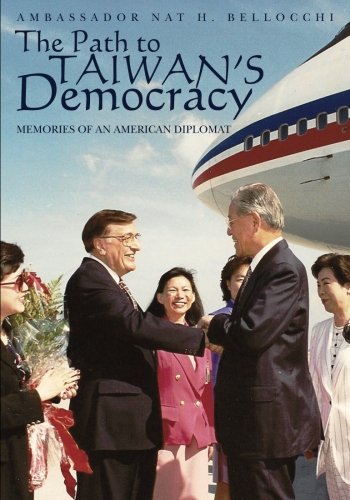
Preface: Taiwan's path to democracy.
1) 抗日战争胜利后
1945 年,抗战胜利后,国民党接管日本在中国留下的所有行政机构、工厂、机械、武器、粮仓、企业、银行资产、铁路设备等。理论上这是国家资产,但实际上这一过程变成了国民党官僚、军队系统的大型掠夺行动。这件事在东北尤其严重,因为东北工业基础最完整,日本留下大量现代设施例如兵工厂、钢铁公司、铁路、机械,资源量巨大。国民党对东北并无长期统治基础,纪律更难约束。
1945到1946年,苏联军队占领东北期间,已经大量拆走日本种工业设备运辉苏联,特别是鞍山钢铁厂。而国民党接收后,也有大量设备被挪用、盗卖,生产遭严重破坏。一些高级军官直接把机器运到南方私卖,原本能用于国防生产的装备,在几个月内被洗劫一空。当时沈阳、长春有大量日本储备物资,粮仓、布料、药品、工业零件、军用物资、生活日用品。国民党官员们拉来卡车整车整车往外运。很多物资没有登记,直接被内部处理。民众原本期待物资发放却发现仓库空了,物价飞涨、黑市爆发。共产党在城市里几乎不需要宣传,群众自动倒向他们。
哈尔滨原本有大量日军官邸与企业宿舍。国民党接收后,接收官员直接入住高级房产。日本家庭家具、电器被公开拍卖,有官员把官邸当成私人豪宅装修,传出高官聚会饮酒、享受奢华生活的新闻。共产党抓到这个机会,在城市里做政治宣传,国民党是官僚资产阶级,结果被现实验证。日本留下的东北铁路也极为完整,后来车轮被拆,钢轨被偷,枕木被卖,机车零件被分装运走,整列火车消失。结果是铁路运输混乱,粮食调配出问题,军队机动能力下降,民生物价失控。
接收人员还接收了东北最大的煤矿,关掉矿坑卖机器。像抚顺、本溪等地的煤矿,本来是战略资源。国民党高层指派“接收大员”,先搜刮现金、煤炭库存,再取消工人工资。某些矿坑甚至因为设备被偷光而不得不停止运营,成千上万工人失业、中共趁势组织工人运动,并获得大量工人支持。这一系列的事件让三个最关键群体同时倒向共产党,城市民众看见腐败与混乱,工人阶级失业、被敲诈,被共产党吸收,知识分子痛心国民党无能,开始支持变革。同时,中共掌握农村与基层组织,深入农村,提供土地、组织农会。土改虽然激烈,但确实动员了大量农民。农民拿到土地 ,开始感激和为共产党作战。而国民党依赖地主、保甲制,社会基础越来越少。
辽沈战役造成东北失守,国军放弃锦州,东北 47 万军队损失过半。东北完全被中共控制,国军战略地位从此无法逆转。淮海战役,国军参战约 80 万人,损失约 55 万。最精锐的整编部队全军覆没,国民党在华东、中原再无作战能力。平津战役之后,华北崩溃,傅作义选择投降,北平基本未开战就被接收,国民党丧失北方全部战略位置。美国一开始希望国共合作,后来对国民党腐败与低效失望。国军在美援下仍然溃败,令美国放弃支持全面反共。到 1949,美国基本决定不再强力干预内战。
到 1949 年,华北、华东、华中基本都被中共控制,南京、上海、广州陆续失守。国民党考量,台湾有日治时代留下的完整的铁路、电力、学校等,有台湾海峡作为地理屏障,有产业与农业基础,加上冷战初期美军对台湾的战略兴趣,他们把台湾看成最后堡垒。大规模迁台时,国军将故宫文物从大陆运来台湾,将中央银行黄金储备大量运台,高层官员与其家属、军队十余万人迁台,同时学者、技术人员、文化界人士大量随行。
国民党撤台不是突然发生的,是从1948年到1950年的期间逐渐加速的过程。1948,战局恶化,开始把贵重物资往台湾转移,把中央银行黄金储备运到台湾;把故宫文物、国宝级档案分批从南京运出;把一些关键科研机构、大学,如中央研究院部分单位提前布局台北。1948到1949,国军节节败退,台湾被纳入最后保留地。蒋介石判断大陆已无法守住,准备全政权转移台湾。1949 1 月到 6 月,中央政府各部会陆续迁台,大批技术官员、情治人员、文化人员被安排上船,将领与家属大量离开上海、广州。国军残部从福建、广东、浙江不断撤到澎湖、基隆、高雄。1949 年下半年,台湾省行政系统变成事实上的中央所在地。大批外省军人、官僚、教师、警察、工厂员工进入台湾,国军防线完全围绕台湾海峡重新布署,情治系统,如军统、调查局、警备司令部全面落地台湾。1950 年 6 月韩战爆发,美国第七舰队进驻台湾海峡,导致中共无法武力攻台。国民党政权意外获得国际保护,台湾从逃亡政权变成冷战前线盟友。如果没有韩战,台湾可能撑不住,戒严政权可能活不了几十年。
而戒严,则是因为1945到1949之间发生的一连串事件。1945,国民党接管台湾,但表现极差,民怨迅速累积。日本投降后,台湾本来准备迎接祖国政府,但短短几个月,国民党官员腐败,黑市横行、物价暴涨,公务系统不专业,国军纪律混乱,民生迅速恶化,台湾人对外省政府的好感崩盘。
1947年2月27日,台北圆环附近,专卖局查缉员发现一位卖私烟的林江迈女士。当时查缉员暴力取缔,打伤了她,群众愤怒包围查缉员,结果查缉员开枪,打死路人。隔天,民众到台湾广播公司抗议,结果再次发生枪击,群众情绪全面引爆。事件迅速升级,各地爆发抗议,位于台湾北中南各城市的民众要求逮捕开枪者,要求撤换腐败官员,要求自治与改革,学生、律师、医生、商人均有参与。自治呼声高涨,台湾士绅成立处理委员会,提出开放省议会,结束军队对行政的干预,让台湾人参与治理,清查贪污,保障言论自由。
国民政府拖延、欺骗,然后武力镇压。陈仪政府表面愿意谈判,但同时秘密电报请求南京派军队增援,情报单位记录叛乱分子名单,将台湾精英视作反叛力量。于是,南京中央 3 月上旬决定以军事手段平息台湾。蒋介石3 月 8 日到达基隆,21 师与三处部队登陆。军队进城之后逐街搜捕,逮捕嫌疑分子,进行处决或让其失踪。而遭殃的不只是抗争者,还有医生,老师,律师,学生,商界领袖,地方仕绅,新闻工作者和民间组织者。他们被视为组织反叛的潜在领导者,而清理他们的目的,是清除台湾本省精英阶层,让政权再无挑战者。学界最低估计死亡人数在一千到三千之间,台湾学者的估计则在一万到两万,当代分析更高但无官方数字。
至此,族群裂痕正式形成,台湾人对外省政权的恐惧和敌意被写进集体记忆。本省菁英被清除,国民党政治权力完全掌控台湾,对台湾政治生态影响深远。直至后,几十年无本土政治领导人,所有权力被外省官僚掌握,社会失去反对力量,并形成长期社会恐惧文化。几十年家庭传承一句话:“政治的事不要讲。”而1947到1948之间,共产党地下组织开始渗透台湾,中共在台湾秘密建立组织,学生社团,工人组织,地下宣传,民主运动团体。虽然规模不大,但足以让国民党恐慌。1949 年 5 月 19 日,台湾省警备总司令部发布《戒严令》。直至1987 年 7 月 15 日蒋经国宣布结束戒严,总共持续了 38 年。
2)戒严
1949 年 5 月 19 日实施的《戒严令》,不是暂时性应急手段,而是一个覆盖台湾社会方方面面的长期统治机制。戒严给军方、情治系统与政府带来几乎无限的权力,也让台湾进入一个表面和平,内部压抑的时代。戒严期间,宪法冻结,军法优先,国家安全成为最高法律。宪法被视为“暂缓实施”,军事法庭得以审判平民,搜索、拘捕、审讯可不需搜查令,所有集会、结社、出版、演说都须申请,政府可随时以“危害国家安全”名义逮捕人民。在这样的法律结构下,“违法”不再是客观标准,而是政府判断你是否“危险”。政府可以做任何事,而人民不能做任何会被怀疑的事。台湾警总是戒严时代的核心机构,比行政院更有权威。它控制出版审查,户籍与移民管理,监视、侦防、审讯,大学与学校的思想控制,对军人、平民的双重监督,地下组织侦破、政治案件审理。据部分口述/回忆录与研究者记录,当局在某些时期曾大规模采用情治与监控手段,包括家户监控,家庭的成员构成、居住状况、亲属关系、职业、政治倾向都必须登记。
大学与高中都有军训教官,多是情治系统派驻,用来监视学生社团,审查讲座与活动,记录学生政治倾向,和汇报“可疑发言”,学生与老师彼此不信任。工厂、学校、政府单位都有自愿线民。报纸、书籍、戏剧、电影、广告都不能自由出现。报纸固定额度,不准增加新报刊,每天出版前必须送审,连歌曲、广告文案都可能被禁,海外出版物寄进台湾必须拆检,几乎所有公共叙事都只能顺着政权需要而存在。戒严下,夜间有宵禁,路口随时检查证件,写信可能被拆封,出国几乎不可能,公共场合不能谈政治,家庭内部也只敢私下小声议论。戒严时期推行国语政策,学校与公共场所禁止说台湾话、客家话或原住民语言。本地语与本土文化处于压抑边缘状态。历史教育强调:我们是中华民国,我们要反攻大陆。台湾人的地方记忆、日治经验、族群叙事被系统压抑。戒严使台湾形成党国一体的政体,只有国民党与几个花瓶党存在,中央民意代表几乎终身不换,反对党不合法,选举高度操控,媒体完全国民党化。政治反对者不是被辩论,而是被逮捕。
有几个案件在当时引起了很大轰动,例如雷震案。雷震是《自由中国》杂志的创办人,也是非常温和、理性的自由主义者。他主张宪政改革,反腐,让台湾走向真正的民主。但在戒严体制下《自由中国》被勒令停刊,雷震以「匪谍」罪名遭逮捕,最终被判 10 年。台湾大学数学系案:台大数学系有几名学生、助教、教授,仅仅因为讨论政治、阅读左派书籍、彼此通信,就被情治机关以“想偏左立案。最后数名学生被捕,部分教授被迫离台,全系多年人人自危。戒严时期的政治案件大量混合虚构间谍和彼此牵连的冤案。1980年,律师林义雄的家在白天遭遇灭门血案,母亲与双胞胎女儿遇害,凶手至今未破案。当天警备总部人员「监控」林宅但声称未发现可疑人士,社会普遍认为这是国家机器的暗杀行径,用来警告。1981年,陈文成从美国回台湾探亲,因参与台湾海外民主运动,被警总约谈。隔天,他的尸体被发现于台大校园。官方说法是自杀,但证据漏洞百出。
1970年代到80年代,美国逐渐从支持反共威权转向支持全球民主化。卡特政府、人权外交、韩国、菲律宾威权体制的松动都影响台湾。同时,台湾社会教育普及、中产阶级扩大、城市化完成。经济起飞带来新的社会结构大学毕业生大量出现,都市生活让人接触讯息,工人阶级开始形成工会意识,新闻界出现不满审查的暗潮。戒严企图维持 1950 年代的社会结构,但 1970到80 年代的台湾已经不是那样的台湾。1970 年代后期,台湾出现了不属于国民党的反对力量,例如选举中的异议候选人,律师、记者、教授组成的政治圈,当地社会运动,包括环保、劳工、语言、文化,党外杂志《美丽岛》成为思想交流的核心。1979 年,《美丽岛》杂志在高雄举办世界人权日活动,公开挑战国民党一党专政。活动原本是一场合法申请的集会,却演变成戒严时代最具历史意义的冲突。活动地点原定在高雄中正路圆环前空地,主办单位宣布主题是“争取民主、争取人权”。当天下午,上千名民众从南部各地赶来,工运、农运、学生团体悄悄加入。《美丽岛》主要领导人悉数到场,包括黄信介、施明德、姚嘉文、康宁祥、张俊宏、陳菊、林義雄等。这是台湾首次出现如此公开、如此规模的反对集体行动,意义重大。政府也则早已做足准备,当时有大批警力封锁会场周边,便衣特务潜伏在人群里,警总与情治单位监视所有党外人物。
当晚,《美丽岛》领袖开始向群众演讲,人群情绪越来越高。警方则以“影响交通”“未经许可”等理由封锁扩音设备,强行要求解散。双方对峙时,警方向人群施放催泪瓦斯,并举盾推进。结果民众反击,丢掷石块、看板,现场爆发严重混乱,高雄街头出现戒严时代罕见的群众反抗画面,数十名民众与警察受伤。事件发生后,国民党政权立即将这场示威定性为:“暴力叛乱”、“中共策动的颠覆活动”。12 月 13 日起,《美丽岛》编辑部遭查抄,几乎所有党外领袖被逮捕,被捕者全部移送军事法庭,外界无法探视,审判过程不公开。军事检察官指控被告:“煽动叛乱”“组织暴力革命”“企图颠覆政府”。国际媒体、西方国家与人权组织纷纷谴责台湾,美国国会施压,国际特赦组织介入,全球学界声援。国民党政权一方面必须维持威权形象,一方面害怕国际制裁与外交孤立,陷入两难。最终,多名被告被判无期徒刑或重刑,施明德无期,其他人被判 12–14 年不等。尽管如此,这场审判却把“民主、自由、人权”第一次大规模推入台湾社会的公共论述。美丽岛事件让台湾人第一次意识到,反对不是犯罪,争取民主是可能的。这场冲突把台湾从“威权稳定”推向“民主前夜”。
3)中坜事件和美丽岛:一党治松动
1977 年 11 月 19 日,桃园县在戒严体制下举行县长选举。那一年,脱党参选的许信良在地方上声势很高,让桃园成为全国焦点。但在投票当天下午,中坜国小的投开票所爆出疑似作票,也成了整个事件的导火线。根据当时的报道与后来各种调查,投票所负责监督的校长,被民众当场指控妨碍投票流程,甚至塞票。更让人不满的是,检察官到场后,把检举舞弊的民众带走调查,却没有把被指控舞弊的校长撤职处理。这在现场群众看来,就是司法和行政单位在袒护权力方,完全没有公正性。这样的处理方式立刻激起更强烈的不满,事件也因此一步步升级。
消息在中坜迅速扩散,越来越多的居民赶到投开票所要求查明舞弊。警方和群众发生推挤与冲突,秩序开始失控。下午后段时间,有民众开始对投开票所丢掷石块,第一次出现实质暴力行为。随着冲突扩大,抗议行动一路延烧到中坜警察分局。傍晚时,数千名民众已经把分局围得水泄不通。对于戒严时期的台湾来说,这种规模的选举抗争非常罕见。群众要求警方解释选举争议、调查相关官员的行为;部分人向分局投石、破坏现场的警车,使整体气氛更加紧绷。警方先后发射催泪瓦斯,试图驱散人群,但完全没有办法恢复秩序。晚上七点多,现场传出枪声。根据后来调查,至少三名民众被击中,其中两人死亡:中央大学学生江文国、十九岁的中坜青年张治平;另一名少年重伤。枪击事件使情势彻底失控,也成为这场抗争发展的关键转折点。多年后的资料显示,谁下达开枪指令、是谁扣的板机、责任归属如何,始终存在争议,也被纳入转型正义的调查重点。
枪击后,群众情绪急遽恶化。许多史料显示,中坜分局的警力在晚上某个时间点大规模撤离。之后,分局建筑遭到破坏并被纵火。大火持续两个多小时,烧毁了分局主楼、警察宿舍和附近设施。在戒严管制下,当时的官方报道大多把事件定调为“暴民滋事”。但学界后来的研究普遍认为,这不是单纯的破坏行为,而是长期累积的结构性问题爆发:选举不公、法程序失灵、官民之间的信任崩坏,以及威权统治下压抑已久的反弹。事件平息后,为了缓解民怨,政府决定重新统计桃园县票数。许信良最终胜选。这被许多研究视为国家机器在压力下的一次被迫让步。中坜事件也因此常被视为台湾民主化的重要前奏:这是战后第一次因选举舞弊而爆发的大规模群众抗争,也让社会看见所谓“有限选举”所面对的合法性危机。
事后,学者普遍把中坜事件视为后来美丽岛事件以及 1980 年代街头运动的前导。它显示:台湾社会已经不再被动接受单向度的威权秩序,而是开始质疑、挑战国家权力的滥用。1980 年春天,《美丽岛》的八位主要党外领袖在军事法庭受审。这是国际高度注目的政治审判,美国媒体、国会、人权组织全都介入。虽然最终判刑,但反效果非常明显:党外力量被“合法性化”,民众第一次明确看到民主运动的核心人物,台湾社会将这些人视为“民主象征”,威权镇压反而培养了下一代民主领袖。
美丽岛大审期间,林义雄家在白天遭遇灭门血案,母亲与双胞胎女儿遭刺杀。当时林宅正被警备总部“监控”,却完全未阻止凶案。案子至今未破,社会普遍认为是情治系统的政治恐吓。这次事件的影响巨大,台湾社会对威权的恐惧达到顶点,对党外群体来说,政治改革必须成功,否则永远会有人受害。此后的1981至1982年间,陈文成命案等政治事件持续累积。其中,陈文成是美国留学生,上文提到过,他当时从美国返台,被警总约谈,隔天死于台大校园。官方宣称自杀,但漏洞百出。同一时期,还有作家或异议人士失踪、死亡的事件,使社会进一步失去对情治系统的信任。威权政府的正当性从此开始连续下降。
党外人士开始建立长期记者会、律师团、杂志群与竞选团队。《美丽岛》杂志虽然被查禁,但留下巨大思想影响力。新的杂志开始出现,如《深耕》《蓬莱岛》《八十年代》《现代妇女》,他们成为反对思想的基地。1984年,美籍华裔作家江南因批判蒋经国政权,被台湾军情局指挥黑帮在美国暗杀。这是威权体制最严重的国际丑闻之一。美国 FBI 破案后,白宫震怒,派人到台湾施压,蒋经国不得不处理情治系统。这次之后,台湾情治系统遭到整顿,蒋经国意识到威权不再稳固,改革派在党内强化自身声音,国际社会明白台湾威权已走到尽头。
4)蒋经国推动民主化
蒋经国1910 年出生于奉化溪口,是蒋介石与毛福梅之子,之后继母为宋美龄。1925 年,他赴苏联学习,进入莫斯科孙逸仙大学which is 苏联培训中国革命干部的学校,受马列主义教育,接受严格的政治训练。国共决裂后,苏联“扣住”蒋经国改变其政治立场。这十年间,他经历了思想改造、被迫劳动、贫困生活、苏共监控,他亲眼看到暴力极权的运作,这些经历塑造了他深刻理解情治系统,相信组织铁腕,对权力高度敏感,不信任政治理想主义。后来,他在苏联娶了俄国人费蓮娜,二人婚姻朴素稳定,后来费蓮娜随他来台湾,性格极低调。抗战时期,蒋经国成为蒋介石心腹,1940年代在江西、浙江担任专员、主任,逐步掌控情治系统,军队纪律和地方行政。特别是江西新生活运动的铁腕统治,使他名声两极。国共内战时期,他的权力进一步上升。他掌管军统系人马,负责肃奸、维稳、反共宣传。到 1949 年随国民党迁台时,他已是准接班人选。
1950年代到1960年代,他相继掌控情报局,调查局,警总和宪兵系统。他不是唯一责任人,但是顶层决策的一部分。台湾的恐怖统治结构:“抓人不解释、审讯逼供、军法审判”,都与他的情治高压策略密切相关。但同时,他也是经济发展时期的重要推手。他有一套典型苏联式干部管理方式,但使用在台湾工业化上,大力引进技术官僚,支持十大建设,强化基础建设、公路、电力、水利,推动出口导向工业化,严厉打击贪污。他的政治铁腕与技术官僚体系结合,反而让台湾迅速成长。他打击黑金派系,但同时巩固党国体制,垄断媒体,不改选中央民意机构,打压党外,维持戒严。他与蒋介石关系,也从继承者到实际决策者。1972 年成为行政院院长,1978 成为总统。至此,他正式掌握台湾最高权力。而蒋经国晚年做出的决定彻底改变台湾历史。
1979 美丽岛事件,让他意识到台湾社会已经现代化,城市中产阶级觉醒,再压会引发更大危机。而1984 江南案,台湾情治单位暗杀美籍作家江南,引发美国强烈反弹,也导致国安系统被迫改革。为了让政权能在没有蒋家之后继续存活,为了避免国民党在他死后被推翻,他决定放开社会压力,控制转型速度,重建统治合法性,引入地方与社会力量,同时在外部压力下改善国际形象。这些动因让他走向一个他本人可能没想过的终点:民主制度化。1986 年 9 月 28 日,党外人士在台北圆山大饭店召开公开会议。尽管台湾当时仍处于戒严状态,政党禁令尚未解除,但这一场合并非秘密聚会,而是以正常政治集会的形式进行,大量媒体受邀到场,情治人员则在周边观察。整个活动从头到尾维持平稳、有序,没有出现冲突或干预。
大会开始时,由党外资深民意代表主持会议,向与会者说明当天的目的:希望在既有的党外运动基础上,正式成立一个具备章程与组织结构的政治政党。这段说明是以一般会议程序方式进行的,气氛严肃但平静。接下来进入党纲草案的说明与通过。党纲早在会前经过多次会议讨论,其内容围绕民主宪政、人权保障、政治改革、结束长期动员体制、推动地方自治等原则。大会当天主要是宣读文本、提出简要说明,并以举手方式确认通过。这个程序完成得很快,没有出现争议或冗长讨论。
在党纲通过之后,大会转向党章草案。党章规定了政党的组织结构,包括党员资格、全国及地方党部的体制、委员会运作方式、财务与纪律规范等。草案同样在会前已经完成起草,当天的程序以宣读、说明、一致通过为主,也没有遇到阻碍或修改争执。与会者普遍把重点放在政党的正式成立,而非细节性的章程辩论。通过党纲与党章后,大会进入最核心的议程:成立“民主进步党筹备会”,并推选筹备会成员。会议推选出一组筹备委员,由经验丰富且得到各方支持的党外领袖黄信介担任筹备会主席。这个决定在与会者之间具有高度共识,也反映当时党外运动内部对黄信介的信赖。随即,黄信介以筹备会主席身份,在大会上宣布“民主进步党正式成立”。这一宣布过程简单直接,不带夸张仪式,也没有特别设计的宣示方式,但它标志着台湾政治结构史上一个关键时刻。与会者以掌声回应,气氛庄重、节制,没有狂热或外在张力。
成立宣告之后,筹备会向媒体与与会者说明接下来的任务,包括各地党部的筹组、党员招募的方式、未来中央党务运作的规划,以及党纲与党章在之后可能的修订程序。这些说明以原则性方向为主,细部工作预计在成立大会之后的数月陆续展开。活动后半段由媒体进行采访。记者询问成立的政治意义、政府可能的反应、未来的选举方向与组织布局。党外人士在大致一致的口径下回答,强调民主改革与公开运作的重要性。会议最终顺利结束。当天没有任何驱离、干预、断电或逮捕事件,也没有发生混乱。情治人员虽在周边记录,但始终未介入。大会的形式与程序完全符合法定政治会议的模式,只是当时的政党禁令尚在,因此成立行为在技术上仍属违法。政府的实际态度则是默认这一行为继续进行。
5)戒严解除
1971 年 10 月 25 日,联合国大会通过第 2758 号决议,承认中华人民共和国政府是“中国在联合国的唯一合法代表”,并决定将“蒋介石的代表”逐出联合国体系。该决议的文本本身并未讨论台湾的国际法地位,也未裁定台湾“属于谁”,它解决的是代表权问题,而不是主权归属问题。但在制度结果上,中华民国自此失去了在联合国的一切席位,并被排除在联合国体系之外。这一结果并非孤立事件,而是多重结构变化叠加的产物。1950 至 1960 年代,随着去殖民化浪潮推进,大量亚非新独立国家加入联合国。联合国的成员结构从最初以战后同盟国为核心,逐渐转变为以第三世界国家为多数。这些新成员国中,相当一部分选择承认北京政府,而不接受台湾“代表全中国”的主张。在这一投票结构下,中华民国逐渐处于少数派位置。冷战格局的变化同样加速了这一转向。1960 年代末,美国深陷越战泥潭,中苏关系恶化,美国开始重新评估其亚洲战略。在这种背景下,美国试图通过接触北京来牵制苏联。1971 年 7 月,基辛格以访问巴基斯坦为掩护,经伊斯兰堡秘密前往北京,与周恩来会谈。这一行动在当时对美国国务院体系、台湾当局及多数盟国都严格保密,标志着中美关系的实质性破冰。
1972 年 2 月,尼克松正式访华,会见毛泽东,并发表《上海公报》。公报中,美国“acknowledge(认识到)”中方关于“只有一个中国、台湾是中国一部分”的立场,但刻意避免使用“recognize(承认)”,从而保留外交上的战略模糊性。美方表述为“不挑战这一立场”,而北京方面则接受了美方在短期内维持与台湾非官方关系的安排。与此同时,中华民国政府拒绝“双重代表权”或“只代表台湾”的折衷方案,坚持“代表全中国”的立场。在蒋介石的政治逻辑中,一旦放弃“中国代表权”,就等同于否定政权的根本合法性。因此,与其接受身份降级,不如整体退出。这一选择在制度上切断了台湾继续留在联合国体系内的可能性。
到 1970 年代末,这一叙事体系遭遇了真正的结构性崩解。1971 年失去联合国席位,1979 年美国与中华人民共和国建交、与中华民国断交,原先支撑台湾官方叙事的三根支柱——“代表中国”“反攻大陆的历史使命”“国际社会最终会支持我们”——相继瓦解。国家仍然存在,但“我们代表谁、凭什么代表”的问题,第一次以不可回避的形式出现在社会内部。这一变化削弱了外省统治集团的国际合法性基础。本省社会开始提出新的问题:如果你已经不再代表中国,那你凭什么代表台湾社会本身?统治正当性的来源,开始从“中国合法政府”转向“是否回应本地社会”。
与此同时,美国的对台政策环境也发生转变。1950—1960 年代,美国对盟友的主要判断标准是是否反共,只要立场一致,对军事独裁、长期戒严、系统性镇压往往选择性忽视。台湾、南韩、菲律宾、南越都处在这一逻辑之下。但 1970 年代,美国经历了越战失败、水门事件与民权运动的冲击,国内政治文化发生变化,对权力滥用的警惕上升,人权逐渐成为可被制度化运用的外交语言。卡特政府时期,人权被明确纳入美国外交政策的制度框架。国务院开始定期发布各国人权状况报告,国会要求行政部门就盟友的人权实践接受监督。这一变化并非道德觉醒,而是政治文化与治理逻辑的转型结果。对台湾而言,这意味着美国的支持不再是无条件的:镇压行为会产生外交成本,政治犯问题会进入双边议程。
1979 年的美丽岛事件引起美国媒体、国会议员及人权组织的关注,这在 1950 年代几乎不可想象。蒋经国政府逐渐意识到:美国不会再为高压统治提供全面背书,持续镇压只会进一步压缩国际空间。人权议题不会自行消失,而是成为长期约束。在此之前,台湾的社会结构已经发生深刻变化。1960 年代起,台湾转向出口导向型工业化,引进外资、发展加工制造业,高雄加工出口区成为代表。国家主导土地、金融与劳动力配置,压低劳动成本、严格管控工会,以政治稳定换取经济成长。这一模式短期内高效,但长期上改变了社会结构。农业社会向工业社会转型,年轻人口大量进入城市,宗族与地方士绅的影响力下降。工厂、科技园区与都市办公体系,将人际关系从血缘、地缘,转向职业与社交网络。人们开始主要依靠工资与技能生活,而不是政治忠诚或国家配给。
中产阶级随之扩大,包括工程师、公务员、教师、技术人员与白领群体。他们不依赖黑箱政治生存,不需要革命,但也难以接受全面控制。他们要求的是规则的可预期性、专业尊严与言论空间。教育扩张进一步强化了这一趋势。大学数量增加,大量学生赴美、赴欧,接触选举、公民社会与言论自由。即便不直接反对政权,他们也清楚:世界并非只能如此运作。1980 至 1987 年间,政治松动已在事实上展开。政治犯减刑、释放,情治系统不再全面抓捕,反对杂志不再全部查禁。1986 年民进党成立而未被取缔,标志着制度边界的实质性松动。1987 年 7 月 15 日,中华民国政府正式宣布废止自 1949 年实施、持续 38 年的戒严令——这是当时亚洲持续时间最长的戒严之一。戒严解除后,新报纸合法出现,不同政治立场得以公开表达,政府不再垄断现实解释权。至此,威权统治失去了对社会叙事的最终控制。
1) After the Victory of the War of Resistance Against Japan
In 1945, after the victory of the War of Resistance, the Kuomintang took over all administrative institutions, factories, machinery, weapons, granaries, enterprises, bank assets, and railway equipment left behind by Japan in China. In theory, these were state assets, but in reality, this process turned into a large-scale looting operation by the Kuomintang bureaucracy and military system. This matter was especially serious in the Northeast, because the industrial base in the Northeast was the most complete; Japan left behind a large number of modern facilities such as arsenals, steel companies, railways, and machinery, with a huge volume of resources. The Kuomintang had no long-term ruling foundation in the Northeast, and discipline was even harder to restrain.
From 1945 to 1946, during the period when Soviet troops occupied the Northeast, they had already dismantled a large amount of Japanese heavy industrial equipment and transported it back to the Soviet Union, especially the Anshan Iron and Steel Works. After the Kuomintang took over, a large amount of equipment was also misappropriated or sold illegally, and production was severely damaged. Some high-ranking officers directly transported machinery to the south for private sale; equipment that could originally have been used for national defense production was ransacked within a few months. At that time, Shenyang and Changchu had a large amount of Japanese stockpiled materials: granaries, cloth, medicine, industrial parts, military supplies, and daily necessities. Kuomintang officials brought trucks and hauled them out by the truckload. Many materials were not registered and were handled internally. The public originally expected the distribution of materials but found the warehouses empty; prices skyrocketed, and the black market exploded. The Communist Party needed almost no propaganda in the cities; the masses automatically leaned toward them.
Harbin originally had a large number of Japanese military residences and enterprise dormitories. After the Kuomintang took over, the takeover officials moved directly into the high-end real estate. Japanese family furniture and appliances were publicly auctioned; some officials treated the residences as private luxury mansions for renovation, and news spread of high-ranking officials gathering to drink and enjoy a luxurious life. The Communist Party seized this opportunity to conduct political propaganda in the city: the Kuomintang was a "bureaucratic bourgeoisie," and the results were verified by reality. The Northeast railways left by Japan were also extremely complete; later, wheels were dismantled, steel rails were stolen, sleepers were sold, and locomotive parts were packed and transported away—entire trains disappeared. The result was chaos in railway transportation, problems in grain allocation, a decrease in military mobility, and out-of-control prices for people's livelihoods.
Takeover personnel also took over the largest coal mines in the Northeast, closing the pits to sell the machinery. Coal mines in places like Fushun and Benxi were originally strategic resources. The Kuomintang high-level appointed "Takeover Officials," who first scooped up cash and coal inventory, and then canceled workers' wages. Some pits even had to stop operations because the equipment was stolen clean; tens of thousands of workers lost their jobs, and the CCP took the opportunity to organize labor movements and gained a large amount of worker support. This series of events caused three most critical groups to lean toward the Communist Party simultaneously: city residents saw corruption and chaos; the working class suffered unemployment and extortion and were absorbed by the Communist Party; and intellectuals were pained by the Kuomintang's incompetence and began to support change. Meanwhile, the CCP grasped the rural and grassroots organizations, went deep into the countryside, provided land, and organized peasant associations. Although the land reform was intense, it indeed mobilized a large number of peasants. Peasants got land and began to be grateful and fight for the Communist Party. In contrast, the Kuomintang relied on landlords and the Baojia system, and its social foundation became smaller and smaller.
The Liaoshen Campaign caused the loss of the Northeast; the National Revolutionary Army (NRA) abandoned Jinzhou, and more than half of the 470,000 troops in the Northeast were lost. The Northeast was completely controlled by the CCP, and the NRA's strategic position became irreversible from then on. In the Huaihai Campaign, the NRA committed about 800,000 people and lost about 550,000. The most elite reorganized units were completely wiped out, and the Kuomintang no longer had combat capability in East China and the Central Plains. After the Pingjin Campaign, North China collapsed; Fu Zuoyi chose to surrender, and Beiping was taken over basically without a battle; the Kuomintang lost all strategic positions in the North. The United States originally hoped for Kuomintang-Communist cooperation, but later became disappointed with the Kuomintang's corruption and inefficiency. The NRA still suffered a crushing defeat even with American aid, leading the United States to give up supporting a total anti-communist war. By 1949, the United States basically decided no longer to intervene strongly in the civil war.
By 1949, North China, East China, and Central China were basically all controlled by the CCP; Nanjing, Shanghai, and Guangzhou fell one after another. The Kuomintang considered that Taiwan had the complete railways, electricity, and schools left from the Japanese colonial era, had the Taiwan Strait as a geographical barrier, had industrial and agricultural foundations, and plus the early Cold War strategic interest of the U.S. military in Taiwan, they saw Taiwan as the last fortress. During the large-scale move to Taiwan, the NRA transported Palace Museum artifacts from the mainland to Taiwan, transported a large amount of the Central Bank’s gold reserves to Taiwan, and hundreds of thousands of high-level officials and their families and troops moved to Taiwan; at the same time, a large number of scholars, technical personnel, and cultural figures accompanied them.
The Kuomintang's withdrawal to Taiwan did not happen suddenly; it was a process that gradually accelerated from 1948 to 1950. In 1948, the war situation worsened, and they began to transfer valuable materials to Taiwan and transport the Central Bank’s gold reserves to Taiwan; they transported Palace Museum artifacts and national treasure-level archives in batches from Nanjing; they pre-positioned some key scientific research institutions and universities, such as parts of the Academia Sinica, in Taipei. From 1948 to 1949, the NRA retreated steadily, and Taiwan was included as the last reserve land. Chiang Kai-shek judged that the mainland could no longer be held and prepared to transfer the entire regime to Taiwan. From January to June 1949, various ministries and commissions of the central government moved to Taiwan one after another; a large number of technical officials, intelligence personnel, and cultural personnel were arranged on ships; and generals and their families left Shanghai and Guangzhou in large numbers. Remnants of the NRA constantly retreated from Fujian, Guangdong, and Zhejiang to Penghu, Keelung, and Kaohsiung. In the second half of 1949, the administrative system of Taiwan Province became the de facto location of the central government. A large number of mainland soldiers, bureaucrats, teachers, police, and factory employees entered Taiwan; the NRA defense line was completely redeployed around the Taiwan Strait; and the intelligence systems, such as the Bureau of Investigation and Statistics, the Investigation Bureau, and the Garrison Command, fully landed in Taiwan. In June 1950, the Korean War broke out, and the U.S. Seventh Fleet moved into the Taiwan Strait, resulting in the CCP being unable to attack Taiwan by force. The Kuomintang regime unexpectedly gained international protection, and Taiwan turned from a refugee regime into a Cold War frontline ally. If there had been no Korean War, Taiwan might not have held out, and the Martial Law regime might not have survived for decades.
And Martial Law was because of a series of events that happened between 1945 and 1949. In 1945, the Kuomintang took over Taiwan, but performed extremely poorly, and public grievances accumulated rapidly. After Japan surrendered, Taiwan originally prepared to welcome the "motherland government," but in just a few months, Kuomintang officials were corrupt, the black market ran wild, prices exploded, the civil service system was unprofessional, NRA discipline was in chaos, and people’s livelihoods rapidly deteriorated; Taiwanese people's goodwill toward the mainland government collapsed.
On February 27, 1947, near the Taipei Circle, an inspector from the Monopoly Bureau discovered a Ms. Lin Jiang-mai selling private cigarettes. At that time, the inspector conducted a violent crackdown and injured her; the crowd angrily surrounded the inspector, and as a result, the inspector opened fire and killed a bystander. The next day, the public went to the Taiwan Broadcasting Company to protest, and as a result, another shooting occurred, and the crowd's emotions completely ignited. The incident escalated rapidly, and protests broke out in various places; people in cities across North, Central, and South Taiwan demanded the arrest of the shooters, the replacement of corrupt officials, and demanded autonomy and reform; students, lawyers, doctors, and merchants all participated. The call for autonomy soared, and the Taiwanese gentry established a settlement committee, proposing to open the Provincial Assembly, end military interference in administration, let Taiwanese people participate in governance, investigate corruption, and protect freedom of speech.
The Nationalist Government delayed and deceived, and then suppressed with force. The Chen Yi government appeared willing to negotiate, but at the same time sent secret telegrams requesting Nanjing to send troop reinforcements; intelligence units recorded lists of "insurgents" and viewed the Taiwanese elite as rebellious forces. Thus, the Nanjing central government decided in early March to quell Taiwan by military means. Chiang Kai-shek arrived at Keelung on March 8, and the 21st Division and three other units landed. After the army entered the city, they searched and arrested street by street, arrested suspects, and conducted executions or made them "disappear." And those who suffered were not just protesters, but also doctors, teachers, lawyers, students, business leaders, local gentry, journalists, and grassroots organizers. They were seen as potential leaders of organized rebellion, and the purpose of "clearing" them was to eliminate the local Taiwanese elite class so that the regime would no longer have challengers. The academic minimum estimate for the number of deaths is between 1,000 and 3,000, while Taiwanese scholars' estimates are between 10,000 and 20,000; contemporary analysis is higher but there is no official figure.
At this point, the ethnic rift was officially formed, and the Taiwanese people's fear and hostility toward the mainland regime were written into collective memory. The local elite were eliminated, and Kuomintang political power completely controlled Taiwan, having a profound impact on Taiwan’s political ecology. From then on, there were no local political leaders for decades; all power was grasped by mainland bureaucrats, society lost its opposition force, and a long-term culture of social fear was formed. For decades, one sentence was passed down in families: "Do not talk about political matters." And between 1947 and 1948, Communist underground organizations began to penetrate Taiwan; the CCP secretly established organizations in Taiwan: student clubs, worker organizations, underground propaganda, and democratic movement groups. Although the scale was not large, it was enough to make the Kuomintang panic. On May 19, 1949, the Taiwan Provincial Garrison Command issued the Martial Law Decree. Until Chiang Ching-kuo announced the end of Martial Law on July 15, 1987, it lasted a total of 38 years.
2) Martial Law
The Martial Law Decree implemented on May 19, 1949, was not a temporary emergency measure, but a long-term ruling mechanism covering every aspect of Taiwanese society. Martial Law brought almost unlimited power to the military, intelligence systems, and the government, and also let Taiwan enter an era of superficial peace but internal repression. During Martial Law, the Constitution was frozen, military law took priority, and national security became the highest law. The Constitution was regarded as "suspended," military courts were able to try civilians, searches, arrests, and interrogations could be done without search warrants, and all assemblies, associations, publications, and speeches had to be applied for; the government could arrest people at any time in the name of "endangering national security." Under such a legal structure, "breaking the law" was no longer an objective standard, but the government's judgment of whether you were "dangerous." The government could do anything, while the people could not do anything that would be suspected. The Taiwan Garrison Command was the core institution of the Martial Law era, with more authority than the Executive Yuan. It controlled publication censorship, household registration and immigration management, surveillance, reconnaissance, and interrogation, thought control in universities and schools, and dual supervision of military and civilians, as well as the detection of underground organizations and the trial of political cases. According to some oral histories/memoirs and researcher records, the authorities at certain times adopted large-scale intelligence and monitoring means, including household surveillance, where the family's member composition, living situation, kinship, occupation, and political tendency all had to be registered.
Both universities and high schools had military training instructors, mostly stationed by the intelligence system, used to monitor student clubs, censor lectures and activities, record students' political tendencies, and report "suspicious remarks"; students and teachers distrusted each other. Factories, schools, and government units all had voluntary informants. Newspapers, books, plays, movies, and advertisements could not appear freely. Newspapers had a fixed quota, and no new newspapers were allowed; they had to be submitted for review every day before publication; even songs and advertising copy could be banned; overseas publications sent into Taiwan had to be dismantled and inspected; almost all public narratives could only exist according to the needs of the regime. Under Martial Law, there was a curfew at night, IDs were checked at intersections at any time, letters might be opened, and going abroad was almost impossible; politics could not be talked about in public places, and families only dared to discuss privately in low voices. During the Martial Law period, a Mandarin policy was promoted; speaking Taiwanese, Hakka, or Indigenous languages was prohibited in schools and public places. Local languages and local culture were in a state of marginal repression. History education emphasized: We are the Republic of China, and we will counter-attack the mainland. Taiwanese people's local memories, Japanese colonial experiences, and ethnic narratives were systematically suppressed. Martial Law caused Taiwan to form a party-state unified polity; only the Kuomintang and a few "vase" parties existed; central representatives of the people were almost never replaced for life, opposition parties were illegal, elections were highly manipulated, and the media was completely Kuomintang-ized. Political opponents were not debated, but arrested.
Several cases caused a great sensation at the time, such as the Lei Chen case. Lei Chen was the founder of Free China magazine and was a very moderate, rational liberal. He advocated for constitutional reform, anti-corruption, and letting Taiwan move toward true democracy. But under the Martial Law system, Free China was ordered to stop publication, and Lei Chen was arrested on the charge of being a "communist spy" and was eventually sentenced to 10 years. The National Taiwan University Mathematics Department case: Several students, teaching assistants, and professors in the NTU Math Department, simply because they discussed politics, read leftist books, and corresponded with each other, were investigated by intelligence agencies for "thinking too far left." In the end, several students were arrested, some professors were forced to leave Taiwan, and everyone in the department lived in fear for many years. Political cases during the Martial Law period were largely mixed with fictional spies and unjust cases involving each other. In 1890, the home of lawyer Lin Yi-hsiung suffered a mass murder during the day; his mother and twin daughters were killed, and the killer has not been caught to this day. On that day, Garrison Command personnel were "monitoring" the Lin residence but claimed they did not discover any suspicious persons; society generally believed this was an assassination by the state machine used as a warning. In 1981, Chen Wen-cheng returned to Taiwan from the United States to visit relatives and was interviewed by the Garrison Command for participating in the overseas Taiwanese democratic movement. The next day, his body was discovered on the NTU campus. The official version was suicide, but the evidence was full of loopholes.
From the 1970s to the 80s, the United States gradually shifted from supporting anti-communist authoritarianism to supporting global democratization. The Carter administration, human rights diplomacy, and the loosening of authoritarian systems in South Korea and the Philippines all influenced Taiwan. At the same time, education in Taiwanese society was popularized, the middle class expanded, and urbanization was completed. The economic takeoff brought a new social structure: university graduates appeared in large numbers, urban life let people come into contact with information, and the working class began to form union consciousness; an undercurrent of dissatisfaction with censorship appeared in the press. Martial Law attempted to maintain the social structure of the 1950s, but Taiwan in the 1970s and 80s was no longer that Taiwan. In the late 1970s, opposition forces that did not belong to the Kuomintang appeared in Taiwan, such as dissenting candidates in elections, political circles composed of lawyers, journalists, and professors, and local social movements including environmental protection, labor, language, and culture; the "dangwai" (outside-the-party) magazine Meilidao (Formosa) became the core of thought exchange. In 1979, Meilidao magazine held a World Human Rights Day event in Kaohsiung, publicly challenging the Kuomintang's one-party dictatorship. The event was originally a legally applied assembly, but it evolved into the most historically significant conflict of the Martial Law era. The event site was originally set in the open space in front of the Kaohsiung Zhongzheng Road Circle; the organizers announced the theme was "Striving for Democracy, Striving for Human Rights." On that afternoon, thousands of people rushed from various places in the south; labor movements, peasant movements, and student groups quietly joined. Almost all major leaders of Meilidao were present, including Huang Hsin-chieh, Shih Ming-teh, Yao Chia-wen, Kang Ning-hsiang, Chang Chun-hung, Chen Chu, and Lin Yi-hsiung. This was the first time such an open and large-scale opposition collective action appeared in Taiwan, and its significance was great. The government, however, had already made full preparations; at that time, a large police force blockaded the area around the meeting site, undercover agents lurked in the crowd, and the Garrison Command and intelligence units monitored all "dangwai" figures.
That night, Meilidao leaders began to give speeches to the crowd, and the crowd's emotions grew higher and higher. The police blockaded the loudspeaker equipment and forcibly demanded dispersal on the grounds of "affecting traffic" and "lack of permission." During the standoff between the two sides, the police released tear gas into the crowd and pushed forward with shields. As a result, the public fought back, throwing stones and signboards; a serious chaos broke out on the spot, and Kaohsiung streets saw a scene of mass resistance rare in the Martial Law era; dozens of people and police were injured. After the incident happened, the Kuomintang regime immediately characterized this demonstration as "violent rebellion" and "subversive activities instigated by the CCP." Starting from December 13, the Meilidao editorial office was raided, almost all "dangwai" leaders were arrested, and all those arrested were transferred to military courts; outsiders were unable to visit, and the trial process was not public. Military prosecutors charged the defendants with "inciting rebellion," "organizing violent revolution," and "attempting to subvert the government." International media, Western countries, and human rights organizations condemned Taiwan one after another; the U.S. Congress applied pressure, Amnesty International intervened, and the global academic community expressed support. The Kuomintang regime, on one hand, had to maintain an authoritarian image, and on the other hand, feared international sanctions and diplomatic isolation, falling into a dilemma. Ultimately, several defendants were sentenced to life imprisonment or heavy sentences: Shih Ming-teh got life, and others were sentenced to 12–14 years. Nonetheless, this trial pushed "democracy, freedom, and human rights" into the public discourse of Taiwanese society on a large scale for the first time. The Meilidao Incident made Taiwanese people realize for the first time that opposition was not a crime and that striving for democracy was possible. This conflict pushed Taiwan from "authoritarian stability" toward the "eve of democracy."
3) The Zhongli Incident and Meilidao: Loosening of the One-Party Rule
On November 19, 1977, Taoyuan County held a county magistrate election under the Martial Law system. That year, Hsu Hsin-liang, who left the party to run, had high prestige in the locality, making Taoyuan the focus of the whole country. But on the afternoon of election day, suspected vote-rigging broke out at the Zhongli Elementary School polling station, which also became the fuse for the entire incident. According to reports at the time and various subsequent investigations, the principal responsible for supervising the polling station was accused by the public on the spot of obstructing the voting process and even stuffing ballots. What made people even more dissatisfied was that after the prosecutor arrived, he took away the people who reported the fraud for investigation but did not remove the accused principal from office. In the eyes of the crowd on site, this was the judicial and administrative units shielding those in power, with no fairness at all. This way of handling things immediately aroused stronger dissatisfaction, and the incident thus escalated step by step.
News spread rapidly in Zhongli, and more and more residents rushed to the polling station to demand clarification of the fraud. The police and the crowd had pushing and shoving matches and conflicts, and order began to go out of control. Late in the afternoon, some people began to throw stones at the polling station, and substantial violent behavior appeared for the first time. As the conflict expanded, the protest action spread all the way to the Zhongli Police Sub-bureau. By evening, thousands of people had surrounded the sub-bureau so tightly that water couldn't leak out. For Taiwan during the Martial Law period, this scale of election protest was very rare. The crowd demanded that the police explain the election dispute and investigate the behavior of relevant officials; some people threw stones at the sub-bureau and destroyed police cars on the spot, making the overall atmosphere even more tense. The police successively fired tear gas, trying to disperse the crowd, but there was no way to restore order at all. After seven o'clock at night, gunshots were heard at the scene. According to later investigations, at least three people were hit, of whom two died: National Central University student Jiang Wen-kuo and nineteen-year-old Zhongli youth Zhang Zhi-ping; another boy was seriously injured. The shooting incident caused the situation to go completely out of control and also became the key turning point in the development of this protest. Data from many years later showed that who gave the order to fire, who pulled the trigger, and how the responsibility was assigned always remained controversial and were included as a focus of transitional justice investigations.
After the shooting, the crowd's emotions deteriorated sharply. Many historical records show that the police force of the Zhongli Sub-bureau evacuated on a large scale at a certain point at night. Afterward, the sub-bureau building was damaged and set on fire. The fire lasted for more than two hours, burning down the main sub-bureau building, police dormitories, and nearby facilities. Under Martial Law control, most official reports at the time categorized the incident as "mob rioting." But subsequent academic research generally believes this was not simple destructive behavior, but the explosion of long-accumulated structural problems: election injustice, failure of legal procedures, the breakdown of trust between officials and the public, and a long-repressed backlash under authoritarian rule. After the incident subsided, to alleviate public grievances, the government decided to recount the votes in Taoyuan County. Hsu Hsin-liang ultimately won. This was seen by many studies as a forced concession by the state machine under pressure. The Zhongli Incident is thus often regarded as an important prelude to Taiwan's democratization: it was the first large-scale mass protest to break out due to election fraud after the war, and it also let society see the legitimacy crisis faced by the so-called "limited elections."
After the fact, scholars generally regard the Zhongli Incident as a precursor to the later Meilidao Incident and the street movements of the 1980s. It showed: Taiwanese society no longer passively accepted a one-dimensional authoritarian order, but began to question and challenge the abuse of state power. In the spring of 1980, the eight major "dangwai" leaders of Meilidao were tried in military court. This was a political trial under high international attention; American media, Congress, and human rights organizations were all involved. Although they were ultimately sentenced, the counter-effect was very obvious: the "dangwai" force was "legitimized," and the public for the first time clearly saw the core figures of the democratic movement; Taiwanese society regarded these people as "symbols of democracy," and authoritarian suppression instead cultivated the next generation of democratic leaders.
During the Meilidao trial, the home of Lin Yi-hsiung suffered a mass murder during the day; his mother and twin daughters were stabbed to death. At that time, the Lin residence was being "monitored" by the Garrison Command, yet it completely failed to prevent the murder. The case has not been solved to this day, and society generally believes it was political intimidation by the intelligence system. The impact of this incident was huge; the fear of authoritarianism in Taiwanese society reached its peak, and for the "dangwai" group, political reform had to succeed, otherwise someone would always suffer. Between 1981 and 1982 thereafter, political incidents such as the Chen Wen-cheng murder continued to accumulate. Among them, Chen Wen-cheng was a student studying in the U.S., as mentioned above; he returned to Taiwan from the U.S. at that time, was interviewed by the Garrison Command, and died on the NTU campus the next day. The official version claimed suicide, but it was full of loopholes. In the same period, there were also incidents of writers or dissenters disappearing or dying, causing society to further lose trust in the intelligence system. The legitimacy of the authoritarian government began to decline continuously from then on.
"Dangwai" figures began to establish long-term press conferences, lawyer groups, magazine groups, and campaign teams. Although Meilidao magazine was raided and banned, it left a huge intellectual influence. New magazines began to appear, such as Deep Plowing, Penglai Island, The Eighties, and Modern Women; they became the base for opposition thoughts. In 1984, the Chinese-American writer Henry Liu (Jiangnan) was assassinated in the U.S. by a gang under the command of the Taiwan Military Intelligence Bureau because he criticized the Chiang Ching-kuo regime. This was one of the most serious international scandals of the authoritarian system. After the U.S. FBI solved the case, the White House was furious and sent people to Taiwan to apply pressure; Chiang Ching-kuo had to handle the intelligence system. After this time, the Taiwan intelligence system was reorganized; Chiang Ching-kuo realized that authoritarianism was no longer stable, and the reformists within the party strengthened their voices; the international community understood that Taiwan's authoritarianism had come to an end.
4) Chiang Ching-kuo Promoted Democratization
Chiang Ching-kuo was born in 1910 in Xikou, Fenghua, the son of Chiang Kai-shek and Mao Fumei; his stepmother was later Soong Mei-ling. In 1925, he went to the Soviet Union to study and entered Moscow Sun Yat-sen University, which was a school for training Chinese revolutionary cadres in the Soviet Union; he received a Marxist-Leninist education and underwent strict political training. After the Kuomintang-Communist split, the Soviet Union "held" Chiang Ching-kuo to change his political position. During these ten years, he experienced ideological reform, forced labor, a life of poverty, and Soviet monitoring; he saw the operation of violent totalitarianism with his own eyes; these experiences shaped his deep understanding of intelligence systems, his belief in organizational iron fists, his high sensitivity to power, and his distrust of political idealism. Later, he married a Russian, Faina, in the Soviet Union; their marriage was simple and stable, and later Faina followed him to Taiwan, having an extremely low-profile personality. During the War of Resistance, Chiang Ching-kuo became Chiang Kai-shek's confidant; in the 1940s, he served as a commissioner and director in Jiangxi and Zhejiang, gradually taking control of the intelligence system, military discipline, and local administration. Especially the iron-fisted rule of the New Life Movement in Jiangxi made his reputation polarized. During the civil war, his power rose further. He was in charge of the personnel of the Bureau of Investigation and Statistics and was responsible for purging traitors, maintaining stability, and anti-communist propaganda. By 1949, when he moved to Taiwan with the Kuomintang, he was already the quasi-successor candidate.
From the 1950s to the 1960s, he successively took control of the Intelligence Bureau, the Investigation Bureau, the Garrison Command, and the Military Police system. He was not the only person responsible, but he was part of the top-level decision-making. The structure of terror rule in Taiwan—"arresting people without explanation, interrogation by torture, and military trials"—were all closely related to his high-pressure intelligence strategy. But at the same time, he was also an important driver during the period of economic development. He had a set of typical Soviet-style cadre management methods, but used them in Taiwan's industrialization, vigorously introducing technical bureaucrats, supporting the Ten Major Construction Projects, strengthening infrastructure such as highways, electricity, and water conservancy, promoting export-oriented industrialization, and severely cracking down on corruption. His political iron fist was combined with the technical bureaucratic system, which instead let Taiwan grow rapidly. He cracked down on black-gold factions but at the same time consolidated the party-state system, monopolized the media, did not re-elect central representative organs, suppressed the "dangwai," and maintained Martial Law. His relationship with Chiang Kai-shek also went from successor to actual decision-maker. In 1972, he became the Premier of the Executive Yuan, and in 1978, he became President. At this point, he formally grasped the highest power in Taiwan. And the decisions made by Chiang Ching-kuo in his later years completely changed Taiwan's history.
The 1979 Meilidao Incident made him realize that Taiwanese society had already modernized, the urban middle class had awakened, and further pressure would trigger a greater crisis. And the 1984 Jiangnan case, where Taiwan intelligence units assassinated the American writer Henry Liu, triggered a strong backlash from the United States and also led to the national security system being forced to reform. In order to let the regime continue to survive after there was no more Chiang family, and to avoid the Kuomintang being overthrown after his death, he decided to release social pressure, control the speed of transition, rebuild the legitimacy of the rule, introduce local and social forces, and at the same time improve the international image under external pressure. These motives drove him toward an end point he himself might not have thought of: institutionalized democracy. On September 28, 1986, "dangwai" figures held an open meeting at the Grand Hotel in Taipei. Although Taiwan was still in a state of Martial Law at that time and the ban on political parties had not yet been lifted, this occasion was not a secret gathering but was conducted in the form of a normal political assembly; a large amount of media was invited to be present, and intelligence personnel observed in the vicinity. The entire event was stable and orderly from beginning to end, with no conflict or interference.
When the convention began, it was presided over by a senior "dangwai" people's representative, who explained to the attendees the purpose of the day: hoping to formally establish a political party with a charter and organizational structure on the basis of the existing "dangwai" movement. This explanation was conducted in the manner of normal meeting procedures, with a solemn but calm atmosphere. Next, they entered the explanation and passage of the draft party program. The party program had been discussed through multiple meetings before the convention; its content revolved around principles such as democratic constitutionalism, protection of human rights, political reform, ending the long-term mobilization system, and promoting local autonomy. On the day of the convention, it mainly involved reading the text, giving a brief explanation, and confirming the passage by a show of hands. This procedure was completed very quickly, without any controversy or long discussions.
After the party program passed, the convention turned to the draft party charter. The party charter stipulated the organizational structure of the political party, including membership qualifications, the system of national and local party headquarters, the operation of committees, and financial and disciplinary norms. The draft had similarly been completed before the convention; the procedure on the day was mainly based on reading, explanation, and unanimous passage, and no obstacles or amendment disputes were encountered. Attendees generally put the focus on the formal establishment of the political party rather than detailed debates on the charter. After passing the party program and the party charter, the convention entered the most core agenda: establishing the "Democratic Progressive Party Preparatory Committee" and electing the members of the preparatory committee. The meeting elected a set of preparatory committee members, with Huang Hsin-chieh, an experienced "dangwai" leader who had support from all sides, serving as the chairman of the preparatory committee. This decision had a high degree of consensus among the attendees and also reflected the trust within the "dangwai" movement at the time toward Huang Hsin-chieh. Immediately, Huang Hsin-chieh, in his capacity as the chairman of the preparatory committee, announced at the convention that "The Democratic Progressive Party is formally established." This announcement process was simple and direct, without exaggerated rituals or specially designed proclamations, but it marked a critical moment in the history of Taiwan’s political structure. Attendees responded with applause, and the atmosphere was solemn and restrained, without fanaticism or external tension.
After the announcement of establishment, the preparatory committee explained to the media and attendees the next tasks, including the organization of local party headquarters, the method of member recruitment, the planning for the future operation of central party affairs, and the possible amendment procedures for the party program and party charter in the future. These explanations were mainly based on the direction of principles; detailed work was expected to unfold in the months following the establishment convention. The latter part of the activity was conducted by the media for interviews. Reporters asked about the political significance of the establishment, the possible reaction of the government, and the direction of future elections and organizational layout. "Dangwai" figures answered under a roughly consistent tone, emphasizing the importance of democratic reform and open operation. The meeting ultimately ended smoothly. There were no dispersals, interferences, power cuts, or arrests on that day, and no chaos occurred. Although intelligence personnel recorded in the vicinity, they never intervened. The form and procedures of the convention completely complied with the model of a statutory political meeting, only that the party ban was still in effect at that time, so the act of establishment was technically still illegal. The actual attitude of the government was to acquiesce to this act continuing.
5) Lifting of Martial Law
On October 25, 1971, the UN General Assembly passed Resolution 2758, recognizing the government of the People’s Republic of China as the "only legitimate representative of China in the United Nations" and deciding to expel the "representatives of Chiang Kai-shek" from the UN system. The text of the resolution itself did not discuss Taiwan’s international legal status, nor did it rule on "who Taiwan belongs to"; what it solved was the problem of representation, not the problem of sovereignty. But in institutional results, the Republic of China lost all seats in the UN from then on and was excluded from the UN system. This result was not an isolated incident, but a product of the overlay of multiple structural changes. In the 1950s and 1960s, as the wave of decolonization progressed, a large number of newly independent Asian and African countries joined the UN. The member structure of the UN gradually turned from originally having the post-war Allied countries as the core to having third-world countries as the majority. Among these new member states, a considerable portion chose to recognize the Beijing government and did not accept Taiwan's claim of "representing all of China." Under this voting structure, the Republic of China gradually fell into a minority position. Changes in the Cold War pattern also accelerated this shift. In the late 1960s, the United States was deeply stuck in the quagmire of the Vietnam War, Sino-Soviet relations worsened, and the United States began to re-evaluate its Asian strategy. Against this background, the United States tried to restrain the Soviet Union through contact with Beijing. In July 1971, Kissinger used a visit to Pakistan as cover to travel secretly to Beijing via Islamabad and talk with Zhou Enlai. This action was strictly kept secret from the U.S. State Department system, the Taiwan authorities, and most allies at the time, marking the substantive ice-breaking of Sino-U.S. relations.
In February 1972, Nixon formally visited China, met with Mao Zedong, and issued the Shanghai Communiqué. In the communiqué, the U.S. "acknowledged" the Chinese side’s position that "there is only one China and Taiwan is a part of China," but deliberately avoided using "recognize," thereby retaining strategic ambiguity in diplomacy. The U.S. side expressed it as "not challenging this position," while the Beijing side accepted the U.S. side's arrangement to maintain unofficial relations with Taiwan in the short term. At the same time, the Republic of China government rejected "dual representation" or the compromise plan of "only representing Taiwan," insisting on the position of "representing all of China." In Chiang Kai-shek's political logic, once the "China representation" was given up, it was equivalent to denying the fundamental legitimacy of the regime. Therefore, rather than accepting a downgrade in status, it was better to withdraw entirely. This choice institutionally cut off the possibility of Taiwan continuing to stay within the UN system.
By the late 1970s, this narrative system encountered a real structural disintegration. Losing the UN seat in 1971, and the United States establishing diplomatic relations with the People’s Republic of China and breaking diplomatic relations with the Republic of China in 1979, caused the three pillars originally supporting Taiwan's official narrative—"representing China," "the historical mission of counter-attacking the mainland," and "the international community will ultimately support us"—to collapse one after another. The state still existed, but the question of "who do we represent and on what basis do we represent" appeared within society in an unavoidable form for the first time. This change weakened the international legitimacy foundation of the mainland ruling group. The local Taiwanese society began to raise new questions: If you no longer represent China, then on what basis do you represent Taiwanese society itself? The source of ruling legitimacy began to turn from the "legitimate government of China" to "whether it responds to the local society."
Meanwhile, the U.S. policy environment toward Taiwan also underwent a shift. In the 1950s–1960s, the main criterion for the U.S. to judge allies was whether they were anti-communist; as long as the position was consistent, military dictatorships, long-term Martial Law, and systematic suppression were often selectively ignored. Taiwan, South Korea, the Philippines, and South Vietnam were all under this logic. But in the 1970s, the United States experienced the shock of the Vietnam War failure, the Watergate scandal, and the civil rights movement; the domestic political culture changed, vigilance against the abuse of power rose, and human rights gradually became a diplomatic language that could be used institutionally. During the Carter administration, human rights were explicitly included in the institutional framework of U.S. foreign policy. The State Department began to periodically issue human rights reports for various countries, and the Congress required the executive branch to accept oversight of allies' human rights practices. This change was not a moral awakening, but a result of the transformation of political culture and governance logic. For Taiwan, this meant that U.S. support was no longer unconditional: suppression behavior would generate diplomatic costs, and the problem of political prisoners would enter the bilateral agenda.
The 1979 Meilidao Incident aroused the attention of American media, members of Congress, and human rights organizations, which was almost unimaginable in the 1950s. The Chiang Ching-kuo government gradually realized: the United States would no longer provide a total endorsement for high-pressure rule, and continuous suppression would only further compress the international space. The human rights issue would not disappear on its own but became a long-term constraint. Before this, the social structure of Taiwan had already undergone profound changes. Starting from the 1960s, Taiwan turned to export-oriented industrialization, introduced foreign capital, and developed processing and manufacturing, with the Kaohsiung Export Processing Zone as a representative. The state dominated the allocation of land, finance, and labor, kept labor costs low, and strictly controlled unions, exchanging political stability for economic growth. This model was efficient in the short term but changed the social structure in the long term. The agricultural society transitioned toward an industrial society, and the young population entered the cities in large numbers; the influence of clans and local gentry declined. Factories, science parks, and urban office systems shifted interpersonal relations from blood and geography toward professional and social networks. People began to rely mainly on wages and skills to live, rather than political loyalty or state distribution.
The middle class expanded accordingly, including engineers, civil servants, teachers, technical personnel, and white-collar groups. They did not rely on black-box politics to survive, did not need a revolution, but also found it hard to accept total control. What they demanded was the predictability of rules, professional dignity, and space for speech. Educational expansion further strengthened this trend. The number of universities increased, and a large number of students went to the U.S. and Europe, coming into contact with elections, civil society, and freedom of speech. Even if they did not directly oppose the regime, they knew clearly: the world did not have to operate only in this way. Between 1980 and 1987, political loosening had already unfolded in fact. Political prisoners had sentences reduced or were released, the intelligence system no longer conducted total arrests, and opposition magazines were no longer all banned. The establishment of the DPP in 1986 without being banned marked a substantive loosening of the institutional boundary. On July 15, 1987, the government of the Republic of China formally announced the abolition of the Martial Law decree that had been implemented since 1949 and had lasted for 38 years—this was one of the longest-lasting Martial Laws in Asia at the time. After Martial Law was lifted, new newspapers appeared legally, different political positions were able to be expressed publicly, and the government no longer monopolized the power of explaining reality. At this point, authoritarian rule lost final control over the social narrative.