Created on
Updated on
Production Cameras
just some recommendations
Preface: Welcome to this very long series of filmmaking in the age of AI(2026).
We have deviated from the main track of the VFX aspect of filmmaking and went too deep into lighting, too deep as in for the purpose of this series, not deep at all if your goal is to be a cinematographer. Like I said, I didn’t know too much about the lighting and cinematography side of things that well, so this was a research and learning process for me as well. However, knowing the basic lighting type is not enough when it comes to shooting, you gotta know all the equipment and their differences as well. No matter which section of production you are in, it’s always helpful to have a rough idea of what cinematographers are working with. When we say cinematographer, we usually mean DP, director of photography. But DP isn’t the only person that works with lighting and equipment, let’s clarify all the relating roles.
The Chain of Command (Camera + Lighting)
Director
└── DP / Cinematographer
├── Camera Operator
│ ├── 1st AC (Focus Puller)
│ └── 2nd AC (Clapper Loader)
└── Gaffer
├── Best Boy Electric
└── Electricians / Lamp Operators
[parallel: Key Grip → Best Boy Grip → Grips]
DP / Cinematographer: These two titles mean the same person — the terms are interchangeable. "Director of Photography" (DP) is the formal credit; "cinematographer" is the craft title. They are responsible for the visual language of the film, exposure, composition, lens choices, lighting design, camera movement. They work directly with the director to translate the story into an image. What they don't do: physically operate the camera (on bigger productions), touch the lights themselves, or pull focus. They decide all of that, others execute it.
Camera Operator: The person who physically operates the camera, handles the framing and movement in real time. On smaller productions, the DP operates their own camera. On larger ones, they step back and let the operator handle execution while the DP watches the monitor.
1st AC (Focus Puller): responsible for keeping the image sharp, pulls focus during the shot. This is a highly technical, underappreciated role. A bad focus puller can ruin a great take. They also build and prep the camera package.
2nd AC (Clapper Loader): Slates the shots, loads film/media, maintains camera reports, assists the 1st AC. The entry point into the camera department.
Gaffer: the head of the electrical department, DP's right hand on lighting. The DP says "I want the scene to feel like late afternoon, hard light from the camera left." The gaffer figures out how to make that happen with the actual equipment, and manages the electrical crew to execute it. They're not making creative decisions, they're translating the DP's vision into physical reality.
Best Boy Electric: The gaffer's second-in-command. Handles crew scheduling, equipment, and logistics for the electrical department.
Key Grip: Grips handle mechanical support — rigging, dollies, cranes, flags, diffusion frames. The Key Grip is their department head. They work closely with the gaffer: grips rig the gear that shapes and controls light (flags, nets, bounces), while electricians power the fixtures.
Cameras
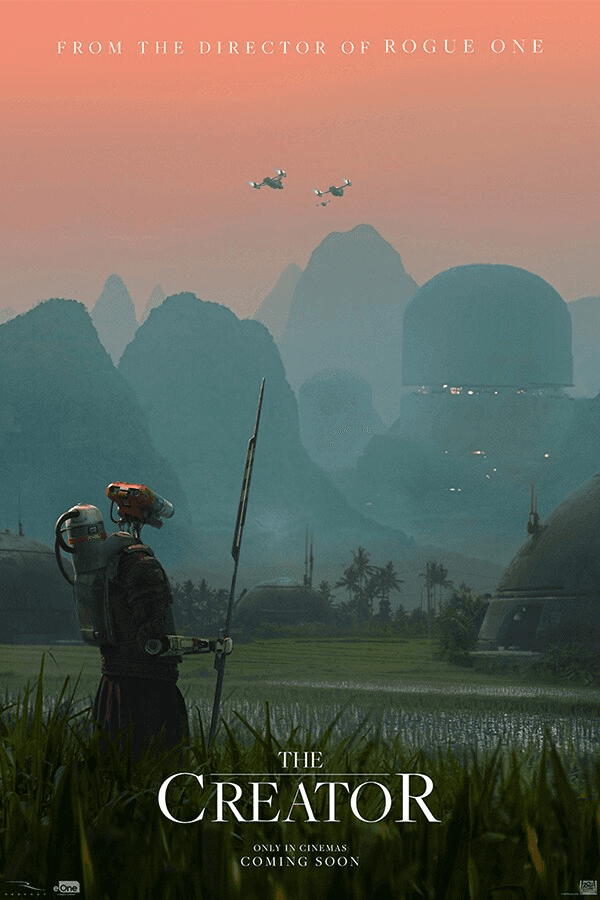
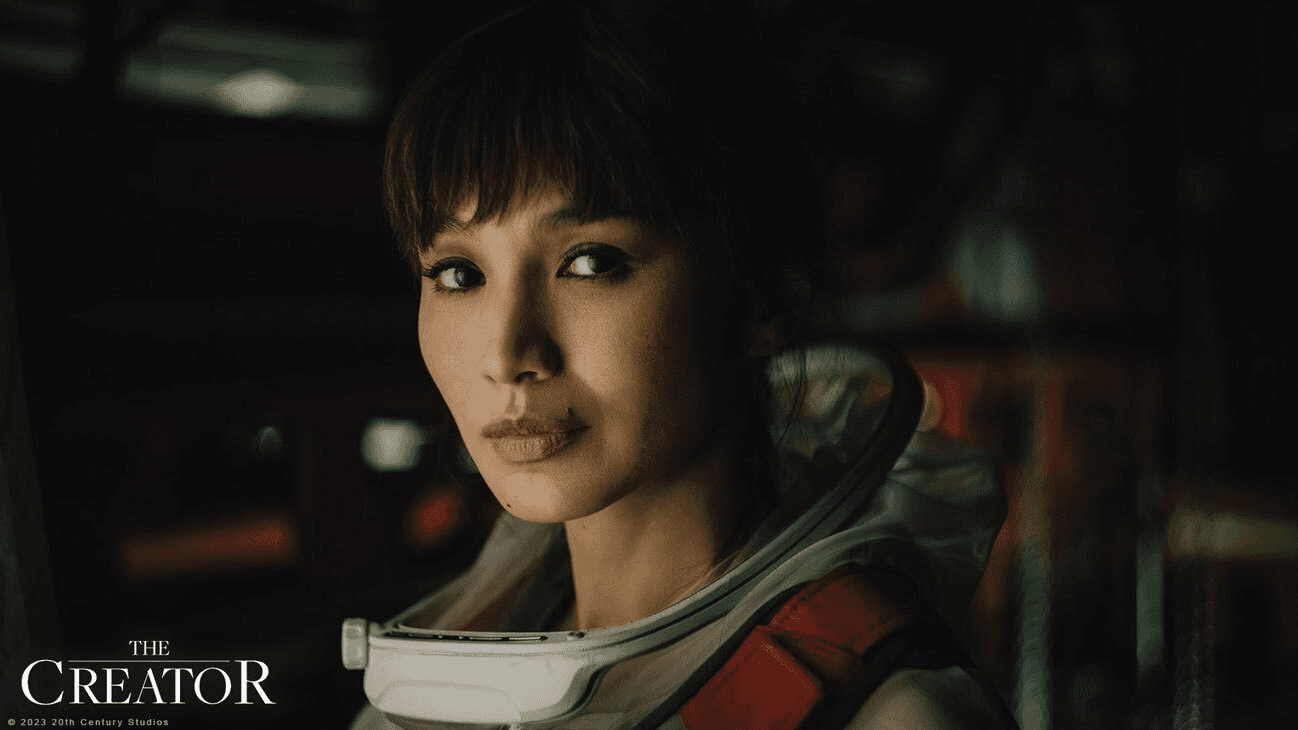
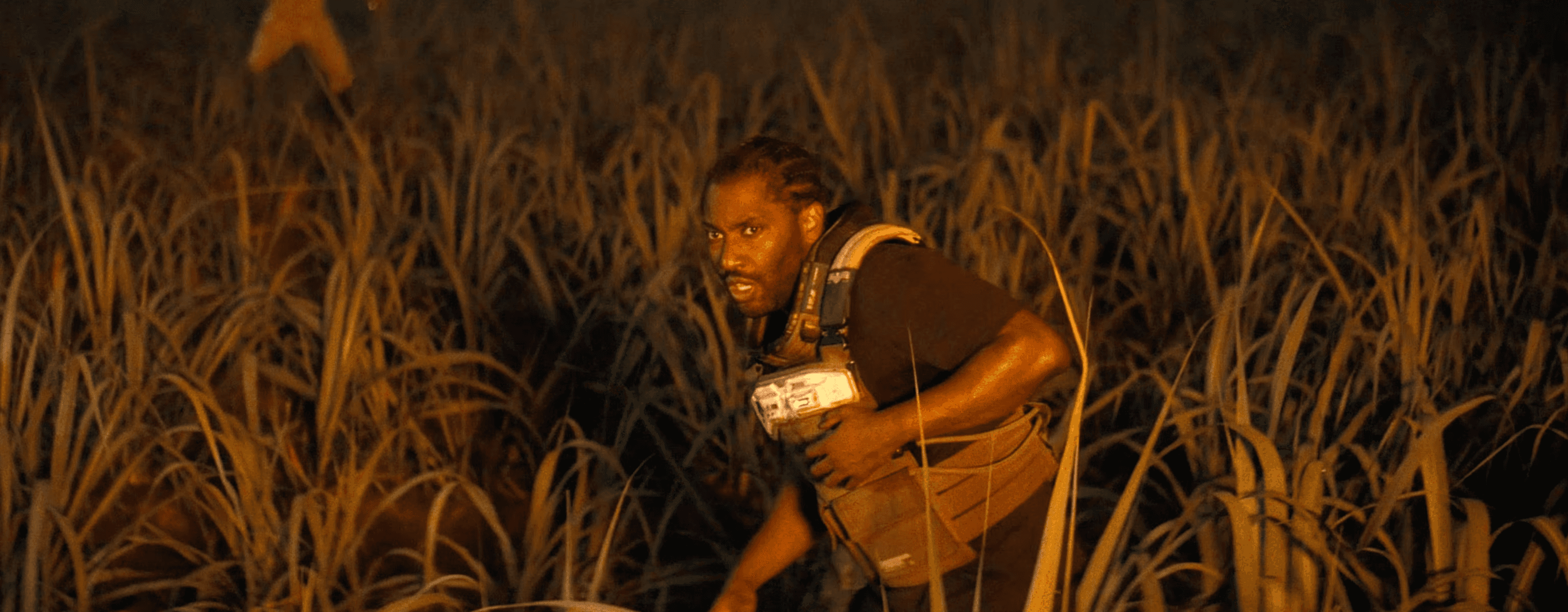
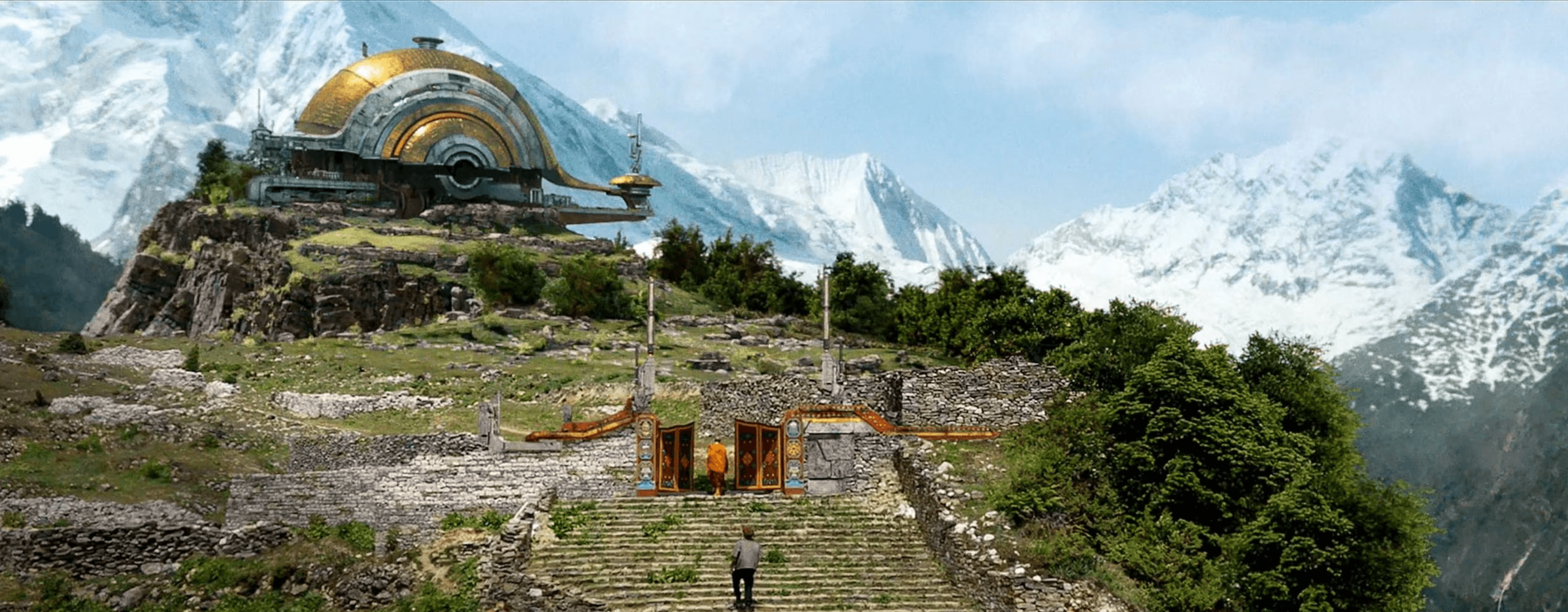
Let’s talk about cameras. I've seen RED, ARRI, but I’ve also heard of Sony FX3 for The Creator by Edward Gareth, which looked absolutely beautiful. There’s also Sean Baker with his iPhone with Tangerine. You really can go any way with your camera, it doesn’t have to be fancy, you just have to know what you need and when, and know how to work with whatever you have.
The Big Divide: Sensor Philosophy
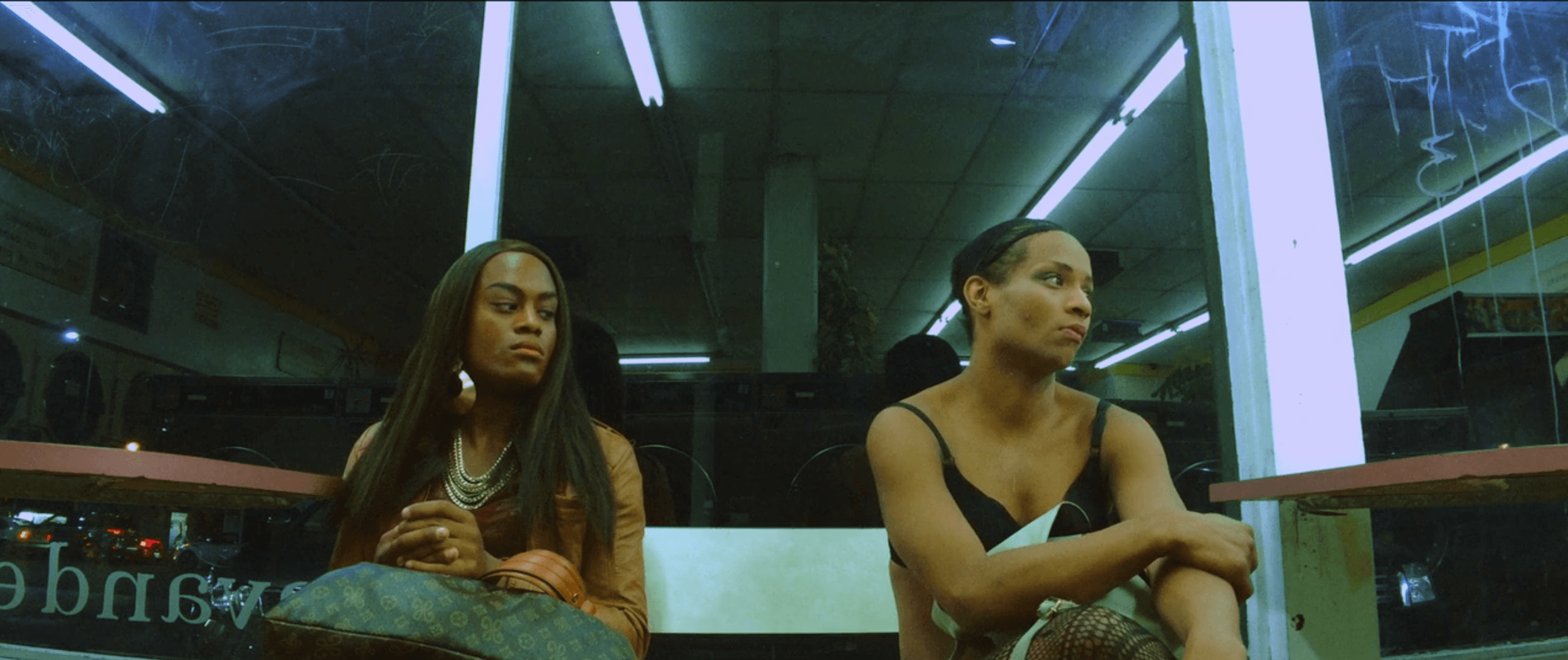
ARRI (Alexa series) is the gold standard for narrative film. The reason isn't resolution — ARRIs are actually lower resolution than competitors. The reason is color science and latitude. Skin tones out of an Alexa look like skin tones. The highlight rolloff is organic — it doesn't clip harshly, it just gently falls away like film did. That's why it dominates prestige TV and theatrical features. When a colorist opens an ARRI log file, they're starting from a beautiful place. RED is the resolution play. The Monstro, Raptor, V-RAPTOR — these sensors are enormous resolution with a sharper, more "digital" quality. RED built its reputation on the idea that you could shoot 8K and reframe in post. It attracts DPs who want clinical precision, and productions that need future-proofing for large format exhibitions. The tradeoff: RED files are notoriously demanding to work with in post.
The Creator / Sony FX3
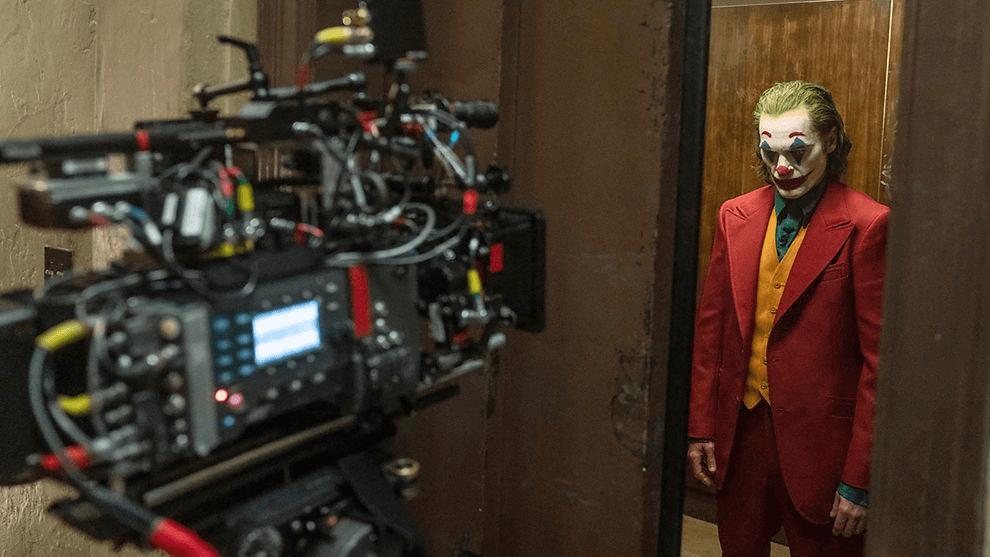
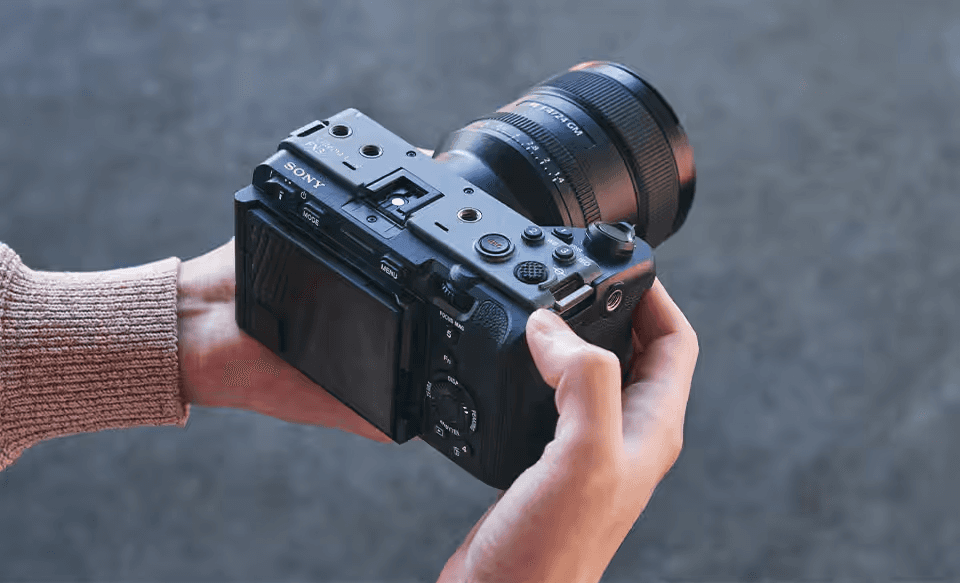
Gareth Edwards and his DP Oren Soffer shot The Creator almost entirely on Sony FX3 and FX6 — cameras that retail for $3,800 and $6,500 respectively. A $700 million-looking film on a prosumer body. It’s small, which meant they could shoot anywhere, any angle, without a crew of 50 setting up. They operated like a documentary unit — fast, mobile, embedded in real locations across Southeast Asia. Edwards's instinct was to shoot the world first, the production design second. You can't do that with a full ARRI package requiring a generator and a grip truck. The Sony FX3's full-frame sensor with S-Cinetone and S-Log3 profiles gives genuinely filmic latitude when you know how to expose it. The VFX pipeline did enormous heavy lifting and small cameras integrate seamlessly into that workflow.
Tangerine / iPhone
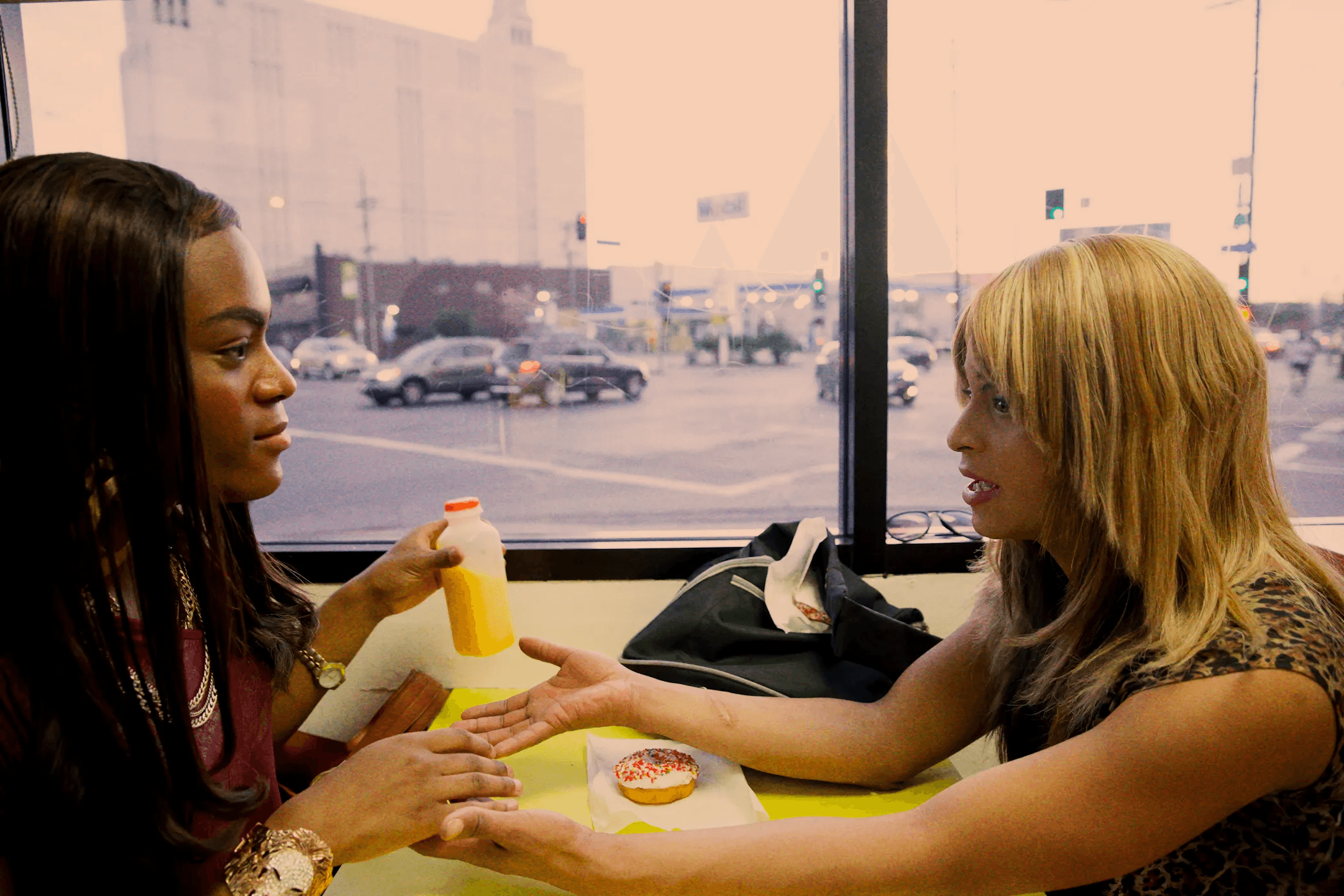
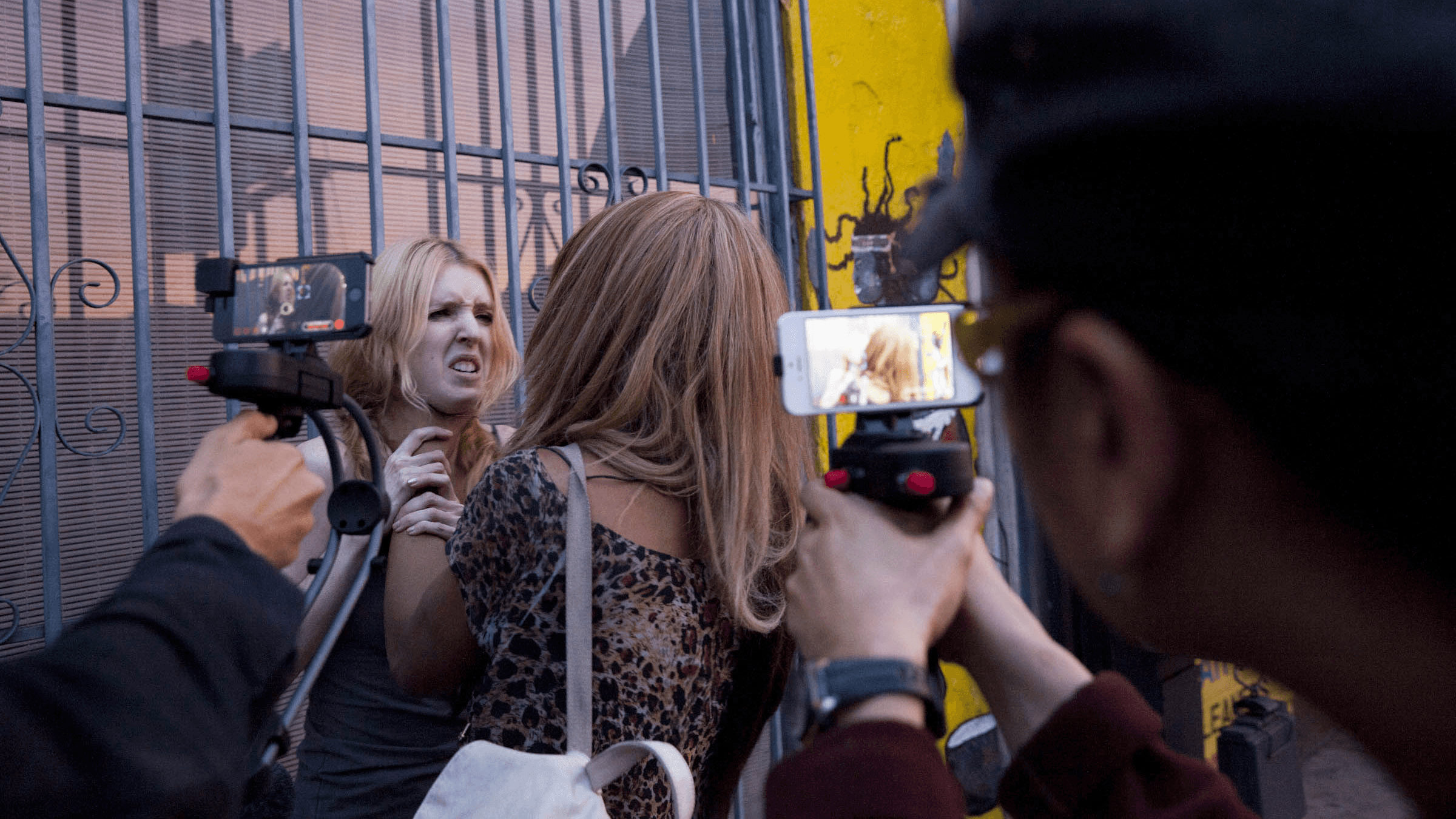
Sean Baker shot Tangerine (2015) on iPhone 5S with a Moondog Labs anamorphic adapter which gave it that 2.39:1 widescreen aspect ratio and characteristic anamorphic lens breathing. The choice wasn't just budget. It meant his actors moved through real West Hollywood streets without anyone noticing a film was being made. That invisibility produced a texture of reality that a cinema camera would have destroyed.
So the question isn't "what's the best camera" — it's three questions:
1. What does your story need visually? Organic, textured, filmic → ARRI. Clinical, hyper-detailed, sharp → RED. Mobile, embedded, invisible → Sony/iPhone.
2. What does your production workflow support? ARRI and RED are post-intensive. Sony is more forgiving. iPhone is immediate. If you don't have a robust DIT and colorist pipeline, shooting RAW on a RED will bury you.
3. What are you actually going to be able to operate well? A DP who knows an FX3 intimately will beat someone fumbling with an Alexa every time. Camera mastery is camera mastery. The sensor advantage only matters if everything else is equal.
Cinema / High-End Narrative
ARRI Alexa 35 — The current flagship. Replaced the LF in most serious productions. New sensor design with improved shadow detail. What you'll see on most A-list features and prestige TV right now.
ARRI Alexa Mini LF — Large format sensor, more portable than the full Alexa. The workhorse of mid-to-high budget narrative. Extremely common.
RED V-RAPTOR / Monstro — High resolution, large format. Favored when you need extreme detail or heavy reframing in post.
Blackmagic URSA Mini Pro 12K — The disruptor. Extraordinary resolution at a fraction of the cost of ARRI/RED. Growing presence on indie features. Post pipeline can be demanding but DaVinci Resolve (also Blackmagic's product) is built around it.
Mid-Range / Versatile
Sony Venice 2 — Full-frame, beautiful color science, strong in commercials and music videos. Increasingly on features. Dual native ISO makes it exceptional in low light.
Sony FX9 — Step below Venice. Common on documentary-style narrative, branded content, indie features.
Canon EOS C70 / C300 Mark III — Canon's Cinema EOS line. Beloved for skin tones. Very common in documentary, commercial, and mid-budget narrative. The C300 has been a staple for over a decade.
Panasonic S5 II / BGH1 — Less glamorous but capable. Common in micro-budget and video production.
Film (Analog)
ARRICAM LT / ST — The standard 35mm film cameras for theatrical production. Still used by cinematographers who shoot on film — Nolan, Tarantino, Paul Thomas Anderson.
Panavision DXL2 / Millennium DXL — Panavision is unique: you can't buy their cameras, only rent them. But their lens ecosystem is unmatched — anamorphics especially. Many DPs choose a production around Panavision glass, then figure out the body.
Kodak Vision3 stocks (500T, 250D) — Not a camera, but worth including: if you're shooting film, these are the dominant stocks. 500T for low light, 250D for daylight.
The Blackmagic Pocket Line
Blackmagic Pocket Cinema Camera 6K / 6K Pro — Remarkable value. Full sensor, RAW recording, looks genuinely cinematic when lit properly. Very popular in micro-budget features and shorts. Huge community around it.
Quick Reference
Camera | Sweet Spot |
ARRI Alexa 35 | Prestige features, high-end TV |
ARRI Alexa Mini LF | Mid-to-high narrative, versatility |
RED V-RAPTOR | Resolution-heavy, VFX-heavy productions |
Sony Venice 2 | Commercials, music video, features |
Sony FX3/FX6 | Run-and-gun, location-heavy, indie |
Canon C300 III | Doc-style narrative, commercial |
Blackmagic BMPCC 6K | Micro-budget, shorts |
Panavision (rental) | When the lenses are the reason |
35mm film | When texture and grain are the point |
The dirty secret of the industry: on a well-lit, well-operated shot, most audiences cannot tell the difference between a $100K ARRI package and a $4K Sony body. The gap shows in latitude, in difficult lighting conditions, in skin tone under stress. Which is exactly when it matters most — but it's not the camera doing the work, it's everything around it.
🫶🏼