Created on
Updated on
The Old World(VIIII): Master Confucius
旧世界(VIIII):山东人喜欢考编制?
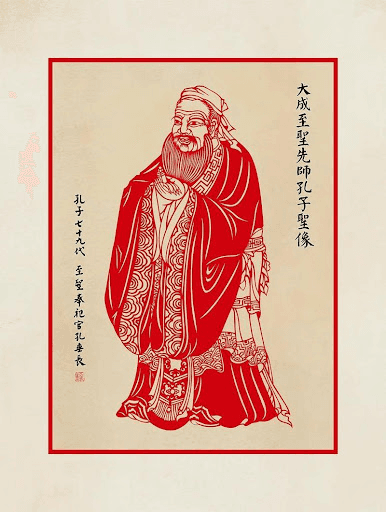
写在前面:本文和chatgpt合作完成。
孔子出生于公元前 551 年,鲁国陬邑,位于今天中国山东省西南部,具体位置在今 曲阜一带,属于鲁国的西南边缘区域,而不是鲁国的政治中心。陬邑并非都城曲阜本身,而是靠近鲁国与邾国、宋国交界的边缘邑。这里远离国君直接控制的核心区域,也不属于三桓等大族长期盘踞的权力腹地,更接近“次级行政点”与地方聚落的性质。他幼年丧父,家境衰落,在鲁国社会结构中处于边缘位置。早年并未接受系统性的贵族教育,而是在实际事务中成长,这为他后来对制度与秩序的理解奠定了现实基础。
青年时期的孔子开始自学并逐渐显露出对“礼”的系统兴趣。他长期处在身份边界地带,既需要依靠礼来获得合法性,又不断遭遇礼在现实中被破坏的情形。同时,他在鲁国担任过基层官职,如管理仓廪、牧畜与田产等。这一阶段大致持续到他三十岁左右。到三十岁时,他已在鲁国具备一定声望,开始以私人身份授徒,这在当时是一种突破贵族垄断教育的行为。
在春秋时期,系统性的教育并不是一个向社会开放的公共资源,而是牢牢掌握在贵族阶层手中的附属权力。礼、乐、射、御、书、数这些“六艺”,名义上是修身之学,实际上是政治准入门槛,只对有血缘、有封地、有前途的贵族子弟开放。孔子进入这一领域时,并不具备任何天然合法性。他既不是掌管学官的世卿,也没有宗族资源可以背书,更不代表官方意识形态。他能做的,只有一件事:把原本属于贵族内部的知识与训练方式,拆解出来,以个人声望为担保,向非贵族开放。这一步在今天看起来温和,在当时却极具颠覆性。
他的授徒方式并非单向灌输经典,而是高度互动、可调节的。他根据学生的性格、能力与处境调整教学重点,有人偏重行为规范,有人强调思辨,有人则被反复要求先“做人”再谈学问。当孔子在鲁国逐渐积累声望时,他的影响并不来自官职,而来自这一教学实践本身。越来越多出身不高、却渴望进入政治与社会秩序内部的人,开始围绕在他身边。这并不意味着他在当时就被视为威胁,但已经足够引人警惕:一旦礼可以脱离贵族体系被传播,那么秩序的合法性基础就不再完全掌握在既得阶层手中。
四十岁前后,孔子逐渐形成较为完整的思想框架,并在鲁国政治圈中获得有限机会。他在五十岁左右进入仕途高点,曾任中都宰,后升为司寇,参与司法与秩序整顿。此前数十年,他以教师和礼学权威的身份在鲁国积累声望,但始终游离于真正的权力核心之外。到了这一阶段,鲁国内部政治矛盾加剧,秩序滑落到肉眼可见的程度,传统手段失效,才给了他一次被正式引入行政体系的机会。
他最初担任中都宰,是直接负责一地行政、司法与治安的实务官职。中都并非鲁国最边缘的邑,而是具有一定象征意义的政治节点。孔子在此推行的并不是激进改革,而是高度“技术性”的秩序整顿:明确职责分工,压缩模糊裁量空间,要求官吏各守其职,减少私下通融与灰色操作。这一治理逻辑不难理解,本质是有规矩和秩序可以follow,提高行政效率。。也正因为这种成效,他随后被提拔为司寇,进入更高层级,开始参与全鲁国范围内的司法与秩序事务。
司寇的职权,触及的是国家权力最敏感的部分:刑罚、公正、合法暴力的边界。孔子在这一位置上的取向非常明确——司法应当恢复公共性,而不是成为贵族私权的延伸。他强调审断的名分依据,反对以家族、地位、关系网左右裁决。这种做法,在技术上提高了秩序稳定性,在政治上却迅速触碰到鲁国权力结构的底线。因为鲁国真正的控制者并非国君,而是以三桓为代表的世卿大族,而他们恰恰依赖对司法与行政灰色地带的掌控来维持实际权力。
因此,这一仕途高点从一开始就是不稳固的。孔子的治理逻辑要求权力自我收缩、规则高于人情,而当时的政治现实恰恰相反——权力需要弹性、模糊和可操纵性。他不是被证明“做不好”,而是被证明“做得太对”。一旦改革的效果开始威胁既有利益结构,支持他的政治条件就迅速消失。传统叙事中,这一时期鲁国政治一度出现明显改善,但改革触及贵族利益结构,很快失去支持。孔子随即被边缘化,离开鲁国。
他所推动的秩序整顿,并没有被正式否定,而是被拖延、稀释、选择性执行。规则仍在文件里,但执行被重新交回到原有网络中。他面对的是一种无法正面反驳、却足以让任何改革失效的状态:制度被“礼貌地保留”,实践却被悄然撤回。孔子逐渐被放置到“道德权威”“礼学专家”“可供咨询的贤者”位置上,而不再被视为实际治理者。这种安排表面尊重,实则隔离。它既保留了他的声望,又切断了他把理念转化为制度的可能性。
在这种情况下,继续留在鲁国,对孔子而言已经失去意义。他既无法推动实践,又会被动为一个他并不认同的现实秩序背书。问题不在个人能力,也不在方案是否有效,而在权力是否愿意为秩序付出代价。正是在这个认识之后,他才选择周游列国,把自己从鲁国的内部失败,转化为对整个时代政治结构的检验。
从大约公元前 497 年开始,孔子进入长期的周游列国阶段,先后前往卫、宋、陈、蔡、楚等地,试图寻找愿意采纳其政治方案的诸侯。这一阶段持续约十四年,是他人生中最动荡、也最挫败的时期。他的思想受到尊重,但始终未能转化为稳定的制度实践,多次陷入政治冷遇甚至人身危险。
他最早停留的重要一站是卫国。卫国政治混乱、内斗频繁,恰恰是“需要秩序”的典型样本。孔子在这里并不缺尊重,甚至一度接近被任用,但问题很快显现:卫国权力结构高度不稳定,国君更关心短期安全与权谋平衡,而不是系统性重建。孔子的方案需要持续性与执行意志,这与卫国的政治节奏并不匹配,于是再次被搁置。
在宋国,情况更为直接。宋国贵族势力强硬,对外来政治方案高度警惕。孔子的主张在这里不仅没有落地空间,甚至一度引发人身危险。这不是理念冲突,而是结构排斥:一个强调规则高于血缘、秩序高于私权的方案,在高度家族化的政治体中天然被视为威胁。
陈、蔡两国则代表了另一种困境。这些国家并非完全拒绝孔子,而是处在持续的战争压力与资源匮乏之中。对它们而言,生存本身就是优先级最高的问题,任何需要长期投入、短期见效有限的制度重建,都显得“奢侈”。孔子在陈、蔡之间辗转多年,屡次陷入物资断绝与政治冷遇,并非因为他的思想被否定,而是因为现实环境根本不给这种方案生长的时间。
楚国是他晚年最接近“窗口”的一站。楚国体量大、资源充足,对外来人才也相对开放,理论上具备承载改革的条件。孔子在楚国受到高规格礼遇,但最终仍未真正进入决策核心。原因同样清晰:楚国的统治逻辑更依赖个人权威与军事动员,而不是礼制型的权力约束。孔子的方案在这里被欣赏,却没有被采纳。孔子的治理思想其实是很现代的,但当时的时期还没有稳定到可以采用他的方法。当时的中国处于多方博弈,而不是稳定之后的治理。
许多诸侯愿意见他、听他说话,甚至给予高规格礼遇,却始终不把实际权力交到他手中。孔子的方案一旦落地,意味着权力需要自我约束、贵族私权需要被压缩、司法与行政需要去人情化。这种改变在短期内不会立刻带来军事优势,却会直接削弱既有统治者的操作空间。于是最安全的处理方式,就是把他留在“顾问”“贤者”“象征资源”的位置上,既不拒绝,也不放权。
当这种冷处理不足以中和他的影响时,危险就会出现。在宋国,他因被视为可能扰乱内部权力平衡的人物,遭遇过明确的敌对行为,甚至有刺杀风险。在陈、蔡之间的经历,则展示了另一种危险形态。这里的威胁并不来自主动清除,而来自被彻底放弃。两国长期处于战争与联盟博弈的夹缝中,对外来政治方案既无能力采纳,也无资源支持。孔子及其弟子在此多次遭遇断粮、被围困、行动受限的情况,处境接近被遗忘的边缘状态。
公元前 484 年左右,孔子返回鲁国。此后不再积极参与政治,而是集中精力从事教学、整理文献与口述传统。他晚年主要致力于《诗》《书》《礼》《乐》《易》等典籍的整理与阐释,并与弟子讨论历史与伦理问题。这一阶段,孔子逐渐从现实政治中的失败者,转变为文化与思想意义上的中心人物。孔子虽然不是“山东文化的一部分”,而是山东成为“正统文化腹地”的起点人物。在中国,从隋唐到清代,做官的唯一正道就是读经典、过考试、进体制。科举考的不是能力,而是对正统文本、正统价值、正统秩序的熟练度。山东因为“孔孟之乡”的身份,被反复强化为“读书—做官—忠君—守序”的样板区域。所以大概山东人考编制,和孔子,还是有那么点关系的。
Preface: This piece was completed in collaboration with ChatGPT.
Confucius was born in 551 BCE in Zouyi of the State of Lu, located in what is today southwestern Shandong Province, roughly in the area of present-day Qufu. This was the southwestern fringe of Lu rather than its political center. Zouyi was not the capital of Qufu itself, but a peripheral town near the borderlands between Lu, Zou, and Song. It lay far from the core area under the ruler’s direct control and was not part of the power base long dominated by major aristocratic clans such as the Three Huan families. It functioned more like a secondary administrative node and local settlement. Confucius lost his father at a young age, and his family’s fortunes declined, placing him on the margins of Lu’s social structure. He did not receive a systematic aristocratic education in his early years, but grew up through hands-on involvement in practical affairs—an experience that later grounded his understanding of institutions and social order.
In his youth, Confucius began to educate himself and gradually developed a systematic interest in li (ritual, propriety). He long occupied a liminal position in terms of status: he needed li to gain legitimacy, yet constantly witnessed its violation in real life. At the same time, he served in low-level administrative posts in Lu, such as managing granaries, livestock, and agricultural lands. This phase lasted roughly until he was about thirty. By that age, he had already acquired a certain reputation in Lu and began teaching as a private individual—an act that, at the time, broke the aristocratic monopoly on education.
During the Spring and Autumn period, formal education was not a public resource open to society at large, but an auxiliary form of power firmly controlled by the aristocracy. The so-called Six Arts—ritual, music, archery, charioteering, writing, and mathematics—were nominally self-cultivation practices, but in reality functioned as political entry barriers, accessible only to aristocratic youths with lineage, land, and prospects. When Confucius entered this domain, he possessed no inherent legitimacy. He was neither a hereditary noble overseeing official education nor backed by powerful clan networks, nor did he represent official ideology. What he could do was one thing only: dismantle forms of knowledge and training that had belonged exclusively to the aristocracy and, using his personal reputation as collateral, open them to non-aristocrats. What appears mild today was deeply disruptive at the time.
His teaching was not a one-way transmission of canonical texts, but highly interactive and adaptive. He adjusted emphasis according to each student’s character, abilities, and circumstances: some focused on behavioral discipline, others on reflection and reasoning, while some were repeatedly told to “learn how to be a person” before learning scholarship. As Confucius’s reputation grew in Lu, his influence derived not from official rank but from this pedagogical practice itself. Increasing numbers of people of modest background, eager to enter the political and social order, gathered around him. This did not yet make him an overt threat, but it was enough to raise concern: once li could be transmitted outside aristocratic structures, the foundations of legitimacy would no longer be fully controlled by entrenched elites.
Around his forties, Confucius gradually formed a more complete intellectual framework and gained limited opportunities within Lu’s political circles. Around the age of fifty, he reached the peak of his official career, serving first as Magistrate of Zhongdu and later as Minister of Justice (Sikou), participating in judicial and order-restoration efforts. For decades prior, he had built prestige as a teacher and ritual authority while remaining outside the true centers of power. Only when Lu’s internal conflicts intensified and disorder became visibly acute—rendering traditional methods ineffective—did he receive a chance to enter the administrative system formally.
As Magistrate of Zhongdu, Confucius held a practical post directly responsible for local administration, justice, and public order. Zhongdu was not Lu’s most peripheral town, but a politically symbolic node. His approach there was not radical reform but highly “technical” order-building: clarifying responsibilities, narrowing discretionary gray zones, requiring officials to stay within their roles, and reducing private accommodations and informal dealings. The logic was straightforward—rules and order to follow, higher administrative efficiency. Precisely because of these results, he was promoted to Minister of Justice, entering a higher level and participating in judicial and order-related affairs across Lu.
The office of Minister of Justice touched the most sensitive core of state power: punishment, fairness, and the boundaries of legitimate violence. Confucius’s stance was explicit—justice should recover its public character, not serve as an extension of aristocratic private power. He emphasized proper grounds for judgment and opposed decisions shaped by family ties, rank, or personal networks. Technically, this increased stability; politically, it quickly collided with the limits of Lu’s power structure. Real authority in Lu lay not with the ruler but with hereditary noble clans, especially the Three Huan families, whose power depended precisely on control over judicial and administrative gray areas.
As a result, this career high point was unstable from the outset. Confucius’s governance demanded self-restraint from power and rule-based authority above personal ties, while the political reality demanded flexibility, ambiguity, and manipulability. He was not shown to be “ineffective,” but rather “too effective.” Once reforms threatened entrenched interests, political support evaporated. Traditional accounts note that Lu’s politics briefly improved during this period, but once elite interests were touched, backing collapsed. Confucius was soon marginalized and left Lu.
The order-restoration measures he promoted were not formally rejected, but delayed, diluted, and selectively enforced. Rules remained on paper, but execution was quietly returned to existing networks. He faced a condition impossible to refute directly yet sufficient to neutralize any reform: institutions were “politely preserved,” while practice was silently withdrawn. Confucius was gradually repositioned as a “moral authority,” “ritual expert,” or “consultable sage,” rather than an active administrator. This arrangement appeared respectful but was in fact isolating—it preserved his reputation while cutting off the possibility of translating ideas into institutions.
Under these conditions, remaining in Lu no longer made sense. He could not advance practice and would be forced to legitimize a system he did not endorse. The problem lay not in personal ability or in the soundness of the plan, but in whether power was willing to pay the price for order. It was after reaching this conclusion that he chose to travel among the states, turning an internal failure in Lu into a test of the political structures of the entire age.
From around 497 BCE, Confucius entered a prolonged period of itinerancy, traveling to states such as Wei, Song, Chen, Cai, and Chu in search of rulers willing to adopt his political program. This phase lasted about fourteen years and was the most turbulent and frustrating of his life. His ideas were respected, but never converted into stable institutional practice, and he repeatedly encountered political coldness and even threats to personal safety.
His first major stop was Wei, a state marked by chaos and internal strife—seemingly a prime candidate for order-building. Confucius was treated with respect and at times came close to appointment, but problems soon emerged: Wei’s power structure was highly unstable, and its ruler prioritized short-term security and tactical balance over systematic reconstruction. Confucius’s program required continuity and commitment, which clashed with Wei’s political tempo, and was set aside.
In Song, matters were more direct. Aristocratic forces were strong and highly suspicious of external political ideas. Confucius’s proposals found no room to land and even exposed him to physical danger. This was not ideological disagreement but structural exclusion: a program that placed rules above blood ties and order above private power was inherently threatening in a heavily clan-based polity.
Chen and Cai represented another predicament. These states did not fully reject him but were trapped under constant military pressure and resource scarcity. Survival itself took priority; long-term institutional reconstruction with limited short-term payoff appeared a luxury. Confucius wandered between Chen and Cai for years, repeatedly facing shortages, neglect, and political indifference—not because his ideas were refuted, but because the environment offered no time or space for them to take root.
Chu was the closest he came, late in life, to a possible “window.” Large and resource-rich, Chu was relatively open to external talent and theoretically capable of supporting reform. Confucius received high-level courtesy there but never entered the decision-making core. The reason was clear: Chu’s governance relied more on personal authority and military mobilization than on ritual-based constraint. His ideas were admired but not adopted. In this sense, Confucius’s governance thinking was strikingly modern, but the era itself had not stabilized enough to absorb it. China at the time was in a state of multipolar contention, not post-stabilization governance.
Many rulers were willing to meet him, listen, and offer lavish courtesy, yet none entrusted him with real power. Implementing his program would have required self-restraint from authority, compression of aristocratic private power, and depersonalized justice and administration. Such changes offered no immediate military advantage and would have reduced rulers’ operational flexibility. The safest response was therefore to keep him as an advisor, sage, or symbolic resource—neither rejecting nor empowering him.
When such containment proved insufficient, danger emerged. In Song, he was viewed as a destabilizing figure and faced overt hostility, even assassination risk. In Chen and Cai, a different danger appeared—not active elimination, but abandonment. Caught between warring states, they lacked both capacity and resources to adopt external programs. Confucius and his disciples repeatedly faced hunger, encirclement, and restricted movement—conditions bordering on being forgotten.
Around 484 BCE, Confucius returned to Lu. He no longer actively pursued political office, focusing instead on teaching, organizing texts, and transmitting oral traditions. In his later years, he devoted himself to the compilation and interpretation of the Book of Songs, Book of Documents, Rites, Music, and Book of Changes, and to discussions of history and ethics with his disciples. In this phase, Confucius gradually shifted from a failed practitioner of real-world politics to a central figure in cultural and intellectual history.