Created on
Updated on
The Old World (XI): Is the Spiritual Core of Modern Japan Confucianism?
旧世界(XI):日本近代精神内核=儒学?
写在前面:本文和chatgpt合作完成。
公元 4–5 世纪,经由朝鲜半岛,儒家经典与汉字体系开始零散传入日本。彼时的日本,处在后来被称为“古坟时代”的阶段。各地豪族各自控制土地、人口与武装,通过血缘、婚姻和宗教仪式结成松散同盟。不存在全国性的法律、官僚或常设税制,更谈不上成体系的意识形态。权威主要来自祭祀能力与军事控制,而不是抽象制度。王权的合法性往往通过对神灵与祖先的中介来确立,而不是通过成文法或伦理学说。社会层面仍以口传文化为主。没有成熟文字系统,记忆、谱系、神话和仪式是权力与历史的主要载体。你能看到阶层差异,但那是基于身份与武力,而非制度化官阶。
把汉字与经典带进去的,是来自半岛的移民与技术官僚,尤其是百济人。而百济,是朝鲜半岛古代的一个国家,通常称为百济。它大约建立于公元前 18 年,灭亡于公元 660 年,与高句丽、新罗并列为“朝鲜三国”之一。中国史书中反复出现“渡来人”的记录,他们不是普通移民,而是被直接吸纳进大和权力核心的专业人群,负责外交文书、历法、祭祀记录与典籍讲解。
《日本书纪》也明确记载,百济曾多次向倭国派遣“博士”,包括五经博士、历法博士、医博士等。《日本书纪》中多次记载百济向倭国派遣“博士”,其中明确出现“五经博士”。五经不是泛指学问,而是非常具体的《诗》《书》《礼》《易》《春秋》。同时,奈良石上神宫保存的七支刀(七星剑),其刀身铭文使用标准汉字书写,内容涉及年代、王号与赠与关系,书写风格与中国南朝、百济系统高度一致。
公元 592–710 年,飞鸟时代。儒学第一次进入国家建构层面。以圣德太子为代表的统治集团引入儒家政治伦理,用以整合豪族、规范官僚行为。此时的日本并不存在一个能对全国发号施令的强国家。所谓“天皇”,更多是祭祀—联盟意义上的共主;真正掌握土地、武力与人口的是各地豪族。如果没有一种高于氏族、又能被普遍接受的秩序语言,中央权力就无法形成。
儒学正是在这个缝隙里被引入的。它并非作为哲学,而是作为“如何当官、如何服从、如何协同”的规范模板。圣德太子所代表的统治集团非常清楚,单靠血缘或武力无法压服豪族,但可以用一套“看起来高于个人、又足够抽象”的伦理来重新编码权力关系。儒家提供的正是这种语言:君臣、上下、名分、礼。
《十七条宪法》成文于 604 年,核心不是哲学论证,而是以“和”“礼”“君臣秩序”为关键词的统治准则。此时儒学是一种治理语言,与佛教并行,被明确置于国家需要之下。这部“宪法”与现代意义毫无关系,它既不规定制度架构,也不分配权力边界,而是一份面向官僚与豪族的行为守则。文本中反复出现的关键词——“和”“礼”“服从君命”“以公灭私”——全部指向一个目标:削弱氏族本位,塑造对“公”的服从。
“和”在这里尤其关键。它并不是抽象的和谐理念,而是明确反对豪族之间的公开冲突,要求在中央权威之下解决分歧。这实际上是在告诉地方势力:你们可以继续存在,但不得以私力破坏整体秩序。“礼”则承担了技术功能,用来规范朝会、官阶、进退、言行,把原本依赖习俗和威望的政治互动,转化为可复制、可训练的行为模式。
更重要的是,“君臣秩序”在此第一次被明确写成一种超越血缘的政治关系。在此前的氏族社会中,忠诚主要指向家族与首领;而在《十七条宪法》的语境里,忠被重新锚定在“君”这一抽象位置上。你效忠的不是某个强人,而是一个代表公共秩序的中心。这一步,为后来日本王权从“联盟共主”向“国家元首”的转化提供了伦理前提。
公元 710–794 年,奈良时代。平城京建都后,律令制全面展开,儒学被制度化为官学的一部分,用于支撑中央集权与官僚选任。五经进入教育体系,但仍然服务于行政与礼制,而非士人独立的道德修养。律是刑法,令是行政法与组织法,它们共同规定了官职设置、任免流程、俸禄等级、税役制度、地方治理与朝廷仪式。此前飞鸟时期的改革仍然带有实验性质,而在平城京之后,这些规则开始被当作唯一合法的国家运行方式。儒学在这一阶段完成“国家化”,却尚未成为社会唯一的价值核心。
公元 9–12 世纪,平安时代。随着贵族政治与宫廷文化成熟,儒学的显性地位下降,更多退回到学术与礼仪层面。佛教,尤其是密教与净土信仰,占据精神中心。儒学在这一时期保持连续性,但影响力相对有限。
公元 12–16 世纪,镰仓至室町时代。武家政权兴起,日本的政治主导权从宫廷贵族转移到以武士为核心的军事集团,以镰仓幕府的成立为标志。平安时代的权力基础是血缘、婚姻和宫廷秩序,政治是“内廷的”;而武家政权的权力基础是土地控制、军事服务与契约关系,政治变成了“战场外延的”。武士不是靠出身当官,而是靠战功、服从与持续效忠换取领地与保护。
儒学被重新解释为服务武士阶层的伦理资源。最核心的变化,集中在一个字上——“忠”。在中国传统儒学中,忠是嵌在宗法结构里的,是与孝、家族、礼制高度纠缠的伦理关系。你忠于君,前提是君代表宗法秩序与天下公义;忠并不是脱离血缘的个人绑定,更不是无条件的。理论上,忠是可以被道德判断限制的。但在武家社会,这套逻辑行不通。武士面对的不是抽象王权,而是具体的主君;不是宗法天下,而是随时可能崩塌的军事集团。
于是,“忠”被彻底去宗法化、去公共性,转而人格化、单线化。你忠的不是制度,不是道理,而是“这个人”。主君是否正义不重要,重要的是你是否服从、是否赴死、是否在关系断裂之前完成你的义务。这非常硬核,但却成功了。
日本武士伦理里,几乎看不到儒家强调的“谏”“义谏”“士以道事君”的传统。武士可以战死,可以殉死,但很少被期待以道德判断对抗主君意志。儒学在这里不再提供制衡权力的工具,而是提供正当化服从的语言。它告诉你,服从不是怯懦,而是德性;牺牲不是浪费,而是完成名分。
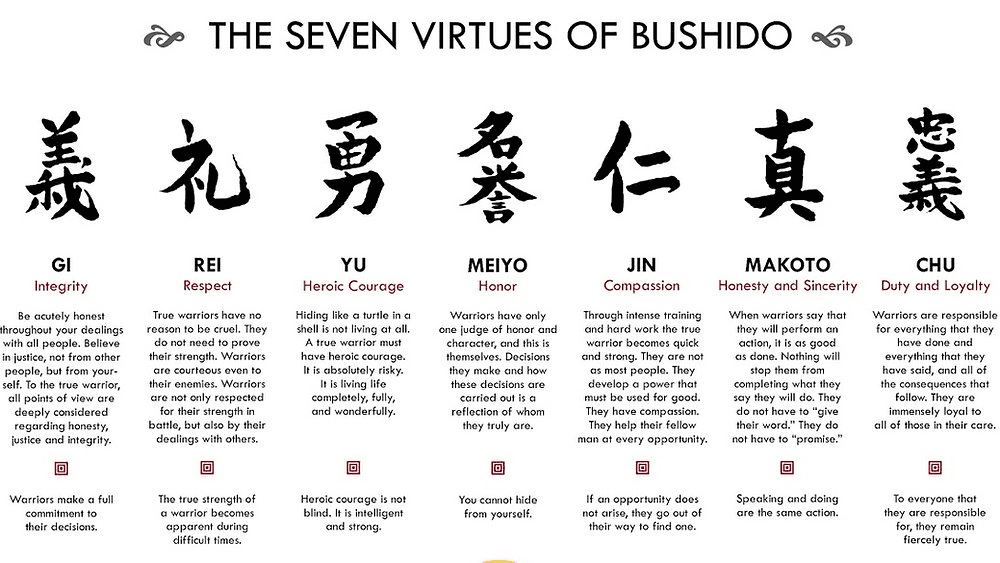
同时需要指出的是,武家时代的儒学并不是孤立运作的。它与佛教,尤其是禅宗,形成了一种非常稳定的分工关系。禅宗处理生死与内在修炼,帮助武士直面死亡;儒学处理关系与秩序,告诉武士“该为谁而死、为何而死”。两者合在一起,才构成后来被称为“武士道”的伦理底盘。所谓武士道,并不是古已有之的体系,而是儒学被军事社会重新编码后的产物。
公元 1603–1868 年,江户时代。德川幕府将朱子学确立为官方意识形态。朱子学,指的是以朱熹为核心建立起来的一整套儒学解释体系,形成于南宋,后来成为东亚世界影响力最大的“官方儒学版本”。
朱熹(1130–1200)的身份非常明确:南宋士大夫、儒学学者、地方官员,而且是那种仕途并不顺、屡次被排挤的官员。他一生最高做到地方行政与教育相关职位,从未进入权力核心。他所处的时代,儒学其实处在劣势。唐末以来,佛教已经提供了完整的宇宙论、心性论和修行路径,道教也有自己的世界解释框架,而传统儒学更多停留在伦理与政治层面,解释力明显不足。他将《论语》《孟子》《大学》《中庸》确立为“四书”,并为其作注,实际完成了一次儒学权威的重写。从元代开始,到明清为止,科举几乎完全围绕朱熹的解释体系运转。
朱子学的核心,是用“理”重建世界秩序。朱熹认为,宇宙万物背后都有一个客观存在的“天理”,它先于人、先于历史、先于制度而存在。社会的等级、伦理的差异、男女尊卑、君臣上下,都不是人为约定,而是“理”的自然展开。人之所以会乱,是因为被“气”与私欲遮蔽,看不清理的存在。在朱子学中,道德不是选择题,而是客观题。你不是“决定”要不要忠孝,而是必须顺从天理,否则就是错误。这样一来,伦理不再依赖个人判断,而获得了类似自然法则的权威。这也是为什么朱子学特别适合被国家采纳——它天然反叛逆、反变动、反个人裁断。
朱子学强调“格物致知”。意思不是实验科学,而是通过研读经典、观察事物、反复体认,把外在的理一点点“认出来”。这是一条非常缓慢、纪律化、去激情的修行路径。不需要顿悟,不需要情绪爆发,只需要长期自律。这种修养方式,极其适合官僚与士大夫群体,也极其适合被制度化为教育体系。儒学在此阶段达到对日本社会影响的高峰,被系统用于正当化身份等级、家父长制与社会静态秩序。教育、地方治理与伦理规范全面儒学化,但其批判性与内在张力被大幅削弱。
公元 1868 年以后,明治时代,表面上是一场“全面西化”的制度革命,但在精神结构上,他们在用西方制度重建国家外壳,用儒家伦理稳定社会内部。日本此时遭遇的是赤裸裸的生存危机:列强环伺、条约不平等、军事技术全面落后。如果不迅速引入宪法、议会、法律、现代军制,日本会直接沦为半殖民地。
但问题在于,这些制度在欧洲的前提,是个人权利、社会契约和公民意识,而日本社会并没有对应的思想土壤。一旦简单移植,很可能导致秩序崩解。明治政府选择了一条“外新内旧”的路线。法律、军制、官僚结构全面学习西方,但服从逻辑、道德义务与权威来源,仍然牢牢锚定在儒家式的忠孝结构上。
在传统儒学中,忠与孝分别指向君主与父亲,是两条并行但彼此制约的伦理线索;而在明治国家中,这两条线被强行汇流到一个中心——天皇。天皇被塑造成“国家之父”,对天皇的忠,被解释为对国家的忠;对父母的孝,被解释为对国家秩序的基础服从。这样一来,家庭伦理与国家伦理不再区分,而是层层同构。
1889 年颁布的《大日本帝国宪法》,正是这种结构的制度化表达。它在形式上极其现代:有成文宪法、有议会、有法律体系,看起来与德意志立宪模式高度接近。但如果你看其精神设计,就会发现一个非常儒家的逻辑:权利不是天赋的,而是天皇“赐予”的;臣民的首要身份不是公民,而是“臣民”;义务永远先于权利存在。个人可以被保护,但前提是你没有挑战秩序本身。这种设计并不矛盾,而是高度一致。它允许日本快速获得“现代国家”的国际入场券,同时避免社会内部产生以个人权利为核心的对抗性政治。换句话说,明治宪政是现代制度包裹下的儒家国家伦理。
这种精神结构在 1890 年《教育敕语》中被讲得更直白。敕语通篇不是法律语言,而是道德训诫:孝父母、友兄弟、忠君、守法、为国牺牲。它把儒家伦理直接写进国家教育的核心文本里,让每一代人从学校开始,把服从理解为道德而非被迫。这一步,影响极其深远。
如果你问:那这一切在今天还剩下什么?答案是:制度已经民主化,但行为底层仍然保留着明显的儒家内核。在当代日本,最直观的体现不是口头谈“忠孝”,而是对角色义务的高度自觉。公司并不只是雇佣关系,而是准家庭结构;上司被期待承担“照顾者”角色,下属被期待长期忠诚与自我克制。个人情绪、个人立场往往为“不给他人添麻烦”“不破坏整体”让路,这正是儒家“以公压私”的现代变体。
在日常互动中,你仍然能清晰感受到等级意识的存在。语言中的敬语系统,不是礼貌技巧,而是一整套实时确认上下关系的机制。你在不断地确认自己与他人的位置,并据此调整行为。这种对“位置”的敏感,而非对“权利”的敏感,本身就是典型的儒家社会特征。对规则的服从,也往往被理解为道德问题,而不是法律问题。
守时、守序、排队、按流程行事,并不只是因为害怕惩罚,而是因为“破坏秩序本身就是不对的”。这种内化的秩序感,正是儒家长期强调的结果。即便在家庭层面,你也能看到残留结构。虽然现代日本家庭已经高度去宗法化,但对子女“不要给家里丢脸”、对个人行为会牵连整体评价的感受,仍然非常普遍。这不是传统父权的简单延续,而是一种更柔性的道德约束方式。
明治时代并没有“抛弃儒家”,而是把儒家从显性的思想体系,转译为国家伦理与日常行为的隐形语法。制度可以换,宪法可以改,但一旦忠孝、名分、角色义务被写进教育、组织与日常互动中,它们就会以极低噪音、极高稳定性的方式持续运转。这也是为什么今天的日本,看起来是高度现代、个人自由受保障的社会,但在关键时刻,依然展现出强烈的集体优先、角色优先、秩序优先倾向。这不是矛盾,而是明治时代那次“西法儒心”的结构选择,至今仍在发挥作用。
Preface: This article was completed in collaboration with ChatGPT.
In the 4th–5th centuries CE, Confucian texts and the Chinese writing system began to enter Japan in a fragmented manner via the Korean Peninsula. At that time, Japan was in what later came to be known as the Kofun period. Local elite clans each controlled their own land, populations, and armed forces, forming loose alliances through blood ties, marriage, and religious rituals. There was no nationwide legal code, no centralized bureaucracy, and no permanent taxation system, let alone a coherent state ideology. Authority derived primarily from ritual power and military control rather than from abstract institutions. Royal legitimacy was usually established through mediation with deities and ancestors, not through written law or ethical doctrine. Society remained largely oral in nature. Without a mature writing system, memory, genealogy, myth, and ritual served as the main carriers of power and history. Social stratification certainly existed, but it was based on status and force rather than on institutionalized official ranks.
What brought Chinese characters and classical learning into Japan were migrants and technical bureaucrats from the peninsula, especially people from Baekje. Baekje was an ancient state on the Korean Peninsula, generally dated from around 18 BCE to 660 CE, and counted alongside Goguryeo and Silla as one of the “Three Kingdoms of Korea.” Chinese historical sources repeatedly mention toraijin (“people who crossed over”), who were not ordinary migrants but specialized professionals directly absorbed into the core of Yamato power, responsible for diplomatic documents, calendrical science, ritual records, and the explanation of classical texts. The Nihon Shoki explicitly records that Baekje repeatedly dispatched “doctors” to Wa (Japan), including Doctors of the Five Classics, of calendrical science, and of medicine. The “Five Classics” here did not mean learning in general, but specifically the Book of Songs, Book of Documents, Book of Rites, Book of Changes, and Spring and Autumn Annals. In addition, the famous Seven-Branched Sword preserved at Isonokami Shrine in Nara bears an inscription written in standard Chinese characters, recording dates, royal titles, and the act of presentation, in a style closely aligned with that of the Southern Dynasties of China and Baekje.
From 592 to 710, the Asuka period, Confucianism entered the level of state construction for the first time. The ruling group represented by Prince Shōtoku introduced Confucian political ethics to integrate powerful clans and regulate official behavior. At this time, Japan did not yet possess a strong state capable of issuing commands across the entire realm. The “emperor” functioned largely as a ritual and alliance-based figurehead, while real control over land, force, and population rested with local elites. Without a form of order that transcended individual clans and could be widely accepted, centralized authority could not emerge. Confucianism entered precisely through this gap. It was not introduced as philosophy, but as a normative template for how to govern, how to obey, and how to coordinate. Shōtoku’s ruling circle understood clearly that blood ties or military force alone could not subdue the clans, but an ethical framework that appeared abstract, supra-personal, and authoritative could re-encode power relations. Confucianism supplied exactly this language: ruler and subject, superior and inferior, proper rank, and ritual.
The Seventeen-Article Constitution, promulgated in 604, was not centered on philosophical argument, but on governing principles articulated through keywords such as “harmony,” “ritual,” and “the ruler–subject order.” At this stage, Confucianism functioned as a language of governance, operating alongside Buddhism and explicitly subordinated to state needs. This “constitution” bears no relation to a modern constitution: it neither defines institutional structures nor allocates powers. Rather, it is a behavioral code directed at officials and powerful clans. Repeated terms such as “harmony,” “ritual,” “obedience to the ruler,” and “placing the public above the private” all pointed toward a single goal: weakening clan particularism and cultivating obedience to the public order. “Harmony” here did not signify abstract concord, but the rejection of open conflict among elites, insisting that disputes be resolved under central authority. “Ritual” functioned as a technical tool, regulating court ceremonies, ranks, movements, and speech, transforming political interaction from something dependent on custom and personal prestige into a set of repeatable, trainable behaviors.
More importantly, the ruler–subject relationship was here articulated for the first time as a political bond that transcended blood ties. In earlier clan society, loyalty was directed primarily toward family and immediate leaders. In the context of the Seventeen-Article Constitution, loyalty was reanchored to the abstract position of the “ruler.” One pledged allegiance not to a particular strongman, but to a central authority representing public order. This provided the ethical precondition for Japan’s later transformation from a confederated alliance into a state with a singular head.
From 710 to 794, the Nara period, the establishment of Heijō-kyō as the capital marked the full deployment of the ritsuryō system. Confucianism was institutionalized as part of state education, supporting centralization and bureaucratic selection. The Five Classics entered the educational curriculum, but their function remained administrative and ritual, not the cultivation of independent moral judgment among scholars. Ritsu referred to penal law, ryō to administrative and organizational law; together they defined offices, appointment procedures, salary grades, taxation, local governance, and court ritual. Whereas Asuka reforms had been experimental, after the founding of Heijō-kyō these rules were treated as the sole legitimate mode of state operation. Confucianism completed its “nationalization” in this period, though it had not yet become the exclusive core of social values.
From the 9th to the 12th centuries, the Heian period, as aristocratic politics and court culture matured, Confucianism’s visible prominence declined, retreating primarily into scholarship and ritual. Buddhism—especially esoteric Buddhism and Pure Land belief—occupied the spiritual center. Confucian learning continued uninterrupted, but its influence was comparatively limited.
From the 12th to the 16th centuries, spanning the Kamakura and Muromachi periods, warrior governments rose to dominance, shifting political leadership from court aristocrats to military elites, marked by the establishment of the Kamakura shogunate. Heian power had rested on bloodlines, marriage, and court hierarchy; politics had been inward-facing. Warrior rule was grounded in land control, military service, and contractual relations, extending politics outward from the battlefield. Samurai gained status not by birth alone, but through military achievement, obedience, and sustained loyalty in exchange for land and protection.
Confucianism was reinterpreted as an ethical resource serving the warrior class. The most fundamental transformation centered on a single concept: loyalty. In traditional Chinese Confucianism, loyalty was embedded within the clan system and intertwined with filial piety, family, and ritual. Loyalty to the ruler presupposed that the ruler embodied moral order and the public good; it was neither detached from kinship nor unconditional, and in principle it could be limited by moral judgment. In warrior society, this logic failed. Samurai confronted not an abstract sovereign, but a concrete lord; not a stable moral cosmos, but a fragile military order. Loyalty was thus stripped of its clan basis and public dimension, becoming personalized and unilinear. One was loyal not to institutions or principles, but to a person. Whether the lord was just mattered less than whether one obeyed, fought, and fulfilled obligations before the relationship collapsed. This was harsh, but effective.
Within samurai ethics, Confucian traditions of remonstration—moral admonition of rulers—were largely absent. Warriors were expected to die in battle or by ritual suicide, but rarely to oppose their lords through moral judgment. Confucianism no longer balanced power; it justified obedience. It reframed submission as virtue and sacrifice as the fulfillment of one’s role. At the same time, Confucianism did not operate alone. It formed a stable division of labor with Buddhism, especially Zen. Zen addressed death and inner discipline; Confucianism structured relationships and order, defining whom to die for and why. Together they formed the ethical foundation later called bushidō. This was not an ancient inheritance, but the product of Confucianism re-encoded by a military society.
From 1603 to 1868, the Edo period, the Tokugawa shogunate established Neo-Confucianism (Zhu Xi learning) as the official ideology. Zhu Xi learning refers to the comprehensive interpretive system of Confucianism centered on Zhu Xi (1130–1200), developed in the Southern Song and later becoming the most influential “official” Confucian model across East Asia. Zhu Xi was a Southern Song scholar-official whose career was modest and frequently obstructed; he never reached the core of political power. At his time, Confucianism was in a weak position compared to Buddhism and Daoism, which offered fully developed cosmologies and theories of mind. Zhu Xi reorganized Confucian authority by elevating the Analects, Mencius, Great Learning, and Doctrine of the Mean as the “Four Books” and writing authoritative commentaries. From the Yuan dynasty onward, the civil service examinations were largely based on his interpretations.
At the core of Zhu Xi learning was the reconstruction of world order through the concept of principle (li). Zhu Xi argued that all things possess an objective, preexistent heavenly principle, prior to humans, history, and institutions. Social hierarchies, ethical distinctions, and gender and political relations were not human conventions but natural expressions of principle. Disorder arose because principle was obscured by material force and private desire. Morality thus became objective rather than elective. One did not choose loyalty or filial piety; one conformed to principle or erred. This objectification of ethics made Neo-Confucianism particularly suitable for state adoption. It resisted rebellion, change, and individual judgment.
Zhu Xi learning emphasized investigating things to attain knowledge, meaning disciplined study of the classics and sustained self-cultivation to recognize principle. It rejected sudden enlightenment or emotional outbursts, favoring slow, methodical self-discipline—well suited to bureaucratic elites and institutionalized education. In Edo Japan, Confucianism reached the peak of its social influence, systematically legitimizing status hierarchies, patriarchal families, and social immobility. Education, governance, and ethics were thoroughly Confucianized, while the tradition’s internal critical tension was greatly weakened.
After 1868, in the Meiji era, Japan underwent a superficial revolution of “complete Westernization,” but structurally rebuilt the state with Western institutions while stabilizing society through Confucian ethics. Facing imperialist pressure, unequal treaties, and military inferiority, Japan urgently needed constitutions, parliaments, law, and modern armed forces. Yet these institutions in Europe presupposed individual rights and social contracts, foundations absent in Japan. Wholesale transplantation risked social collapse. The Meiji government therefore adopted an “externally new, internally old” strategy: Western legal, military, and bureaucratic forms combined with Confucian loyalty and filial ethics.
In classical Confucianism, loyalty and filial piety were parallel yet distinct ethical lines directed toward ruler and father. In the Meiji state, these were forcibly merged into one center—the emperor. The emperor was cast as the “father of the nation.” Loyalty to the emperor became loyalty to the state; filial piety toward parents became foundational obedience to national order. Family and state ethics thus became structurally homologous.
The 1889 Constitution of the Empire of Japan embodied this hybrid design. Formally modern, with a written constitution, parliament, and legal system modeled on German constitutionalism, its spiritual logic was deeply Confucian: rights were not innate but granted by the emperor; subjects were defined as “imperial subjects,” not citizens; duties preceded rights. Individuals were protected only insofar as they did not challenge the order itself. This coherence allowed Japan to enter the international system as a modern state while suppressing rights-based domestic confrontation. Meiji constitutionalism was thus Confucian state ethics wrapped in modern institutions.
This structure was made even clearer in the 1890 Imperial Rescript on Education, a moral proclamation rather than a legal document, emphasizing filial piety, fraternal harmony, loyalty to the ruler, obedience to law, and sacrifice for the nation. Confucian ethics were embedded at the core of national education, teaching obedience as moral virtue rather than coercion.
What remains today? Institutions have democratized, but underlying behavior still bears Confucian traces. In contemporary Japan, this appears less in explicit talk of loyalty or filial piety than in a heightened awareness of role-based obligation. Companies function as quasi-families; superiors are expected to care for subordinates, who in turn are expected to show long-term loyalty and self-restraint. Personal emotion and individual stance often yield to the principle of not causing trouble or disrupting the whole—modern variants of subordinating the private to the public.
In everyday interaction, hierarchy remains palpable. The honorific language system is not merely politeness but a real-time mechanism for situating oneself relative to others. Sensitivity to position, rather than to rights, is a defining Confucian social trait. Rule-following is often treated as a moral issue rather than a legal one. Punctuality, orderly conduct, queuing, and adherence to procedure are internalized as “the right thing to do,” not merely as avoidance of punishment. Even within families, despite extensive de-structuring of traditional patriarchy, the sense that individual behavior reflects on the collective persists. This is not a simple survival of old patriarchy, but a softer form of moral constraint.
The Meiji era did not abandon Confucianism; it translated it from an explicit doctrine into the hidden grammar of national ethics and everyday behavior. Institutions can change, constitutions can be revised, but once loyalty, rank, and role-based obligation are embedded in education, organizations, and daily interaction, they continue to operate quietly yet persistently. This is why contemporary Japan appears highly modern and rights-protective, yet in moments of crisis still displays strong tendencies toward collective priority, role priority, and order priority. This is not a contradiction, but the enduring effect of the Meiji choice of “Western institutions with a Confucian core.”