Created on
Updated on
United States (IV): Resistance Remains
美国 (IV): 斗争继续
写在前面:这篇换了个风格,本文和chatgpt协同完成。
当《印花税法》的消息真正落到殖民地街头时,人们并不是先“讨论原则”,而是先动手解决眼前的卡死状态。社会一旦停转,操作就会自然出现。
最早行动的是那些没法等的人。印刷工最先发现问题。报纸要么停刊,要么就成了违法物。于是很多报纸选择继续印,但在版面上故意留下空白,用粗黑的边框围住标题,下面写一句话:不是没内容,是没合法的纸。这不是宣言,是实操——让读者每天都看见“世界被卡住”的样子。有人干脆把整张报纸做成讣告格式,告诉读者:自由正在被埋葬。
律师和法官的应对更直接。有人公开宣布暂停执业,说“在这种条件下继续工作,等于承认这套制度”。也有人偷偷接案,但拒绝使用印花纸,赌的是地方社会默认这种“非法但被理解”的状态。法院里开始出现奇怪的场景:案件堆着,却没人敢正式开庭。法律不是被推翻,而是被搁置。
税吏的名字被迅速传播出来,谁住哪、什么时候到港、几点下船,很快就不是秘密。人们不会第一时间冲进政府大楼,而是先做象征动作。稻草人被做出来,挂在树上,胸前贴着“印花税官”的牌子。围观、议论、嘘声,本身就是一次公开审判。很多税吏在法案正式生效前就选择辞职,不是因为法律压力,而是因为他们发现日常生活已经没法继续。
酒馆和咖啡馆成了行动的中枢。白天是生意,晚上是情报站。有人负责复述法案内容,有人负责把外地发生的事讲给大家听。不是长篇演讲,而是不断重复的短句:今天谁又辞职了,哪家报纸停了,哪个港口在抵制。信息被压缩成能被迅速传递的形式,然后一夜之间传遍城市。
商人的操作非常冷静,也非常狠。他们不开大会,不发宣言,而是私下达成共识:不进英国货。仓库里还有存货,就慢慢卖;新货单直接不下。账本上开始出现空白,码头工人发现船少了,英国货主开始写信回伦敦抱怨“市场突然消失”。波士顿发生的事,几周内就会在纽约被复刻;纽约的做法,又很快被费城照着来。不是有人统一指挥,而是大家已经学会了一种模板:先让制度运转失败,再让执行者孤立,最后用经济手段放大效果。每个地方都在观察别人的“操作效果”,然后微调。
普通人的参与方式往往很具体。有人拒绝买需要印花的商品,有人拒绝在盖章文件上签字。牧师在布道时用《圣经》故事影射现实,不点名,但谁都听得懂。孩子们在街上唱改词的歌,把官员名字编进调子里。政治不再需要正式入口,它直接渗进日常。各地的印花税官几乎全部被迫辞职,或者干脆逃离。结果出现了一个荒谬但致命的局面:法律还在,但没人执行。没有印花纸,没有税吏,制度在纸面上存在,却在现实中失效。这不是暴动,而是一种集体“不给你运转条件”的操作。
伦敦后来撤销印花税时,殖民地的人已经清楚记住了一件事:不是因为我们吵得最凶,而是因为我们让它真的跑不下去。当时人们真正做的,不是写宏大宣言,而是一连串非常具体、非常日常、却高度协同的动作:停、拖、绕、拒、复制、扩散。它们看起来零散,但合在一起,第一次让普通人意识到——政治不是只有在会议室里才发生,只要你能控制“事情还能不能继续做下去”,你就已经在参与政治了。
印花税撤销之后,有一个很短、很危险的空窗期。
街头安静了下来。商人重新下单,报纸恢复印刷,法院重新开庭。很多人真心希望,这一年只是一次过火的插曲。伦敦那边也松了一口气,觉得老办法依然奏效:闹一闹,退一步,秩序自然回归。但事情已经变了,只是还没完全显形。接下来的几年,伦敦试图换一种方式推进同一件事。税被包装得更“温和”,更技术化,不再一下子卡死社会运行。1767 年的新税法把税放回进口商品上,看起来像回到了旧模式。于是反应更快,也更有经验。商人这次几乎不需要讨论,就重新启动抵制;报纸用旧的语言,迅速解释“这和上次有什么不同、又有什么一样”;各地开始出现长期存在的通信网络,不是为了某一条法案,而是为了随时同步消息。
与此同时,伦敦开始做另一件事:用人和枪把规则压下去。为了确保税能被执行,军队被派进城市。红衣士兵开始出现在波士顿街头、港口、酒馆附近。士兵的数量并不庞大,也不足以对城市形成全面控制,但他们的可见性极高。红色军装、成队巡逻、携带武器的存在,持续提醒市民:这里有一套不属于社区的权力正在运作。对一个长期习惯于地方治安、民兵制度和熟人社会监督的城市而言,常备军进城意味着秩序逻辑发生了根本变化。
士兵与码头工人争抢零工,与学徒在酒馆发生口角,与居民在街头因通行、宵禁、言语挑衅发生冲突。士兵拿着稳定薪饷,而本地劳动者本就处在就业紧张状态;士兵不受本地司法完全管辖,而居民却要接受军队存在带来的限制。这种不对称迅速积累怨气。工人和士兵在街角对骂;孩子朝军营扔石头;士兵拿枪托推人;一切看起来都很小,但每天都在发生。直到有一天,事情失控了。
1770 年冬天,波士顿的夜里,几声枪响结束了这种“低烈度对峙”。事件发生在 1770 年 3 月 5 日夜间,在市中心的国王街。寒冷、夜色、街道狭窄,人群密集。一名哨兵与市民发生口角,人群开始聚集,声音放大,情绪迅速升级。有人投掷雪球、冰块、木片。士兵请求增援,一小队士兵赶到,形成面对人群的半圆阵列。视线受阻,指挥不清,噪音巨大。有人喊“开火”,究竟是谁喊的,在当时就无法确认。枪声响起,一声接一声。五名殖民地居民倒下,其中包括水手、码头工人,也包括混血或被边缘化的劳动者。最广为人知的死者是 克里斯普斯·阿塔克斯,一名具有非洲与原住民血统的码头工人。
为了防止局势进一步恶化,士兵被逮捕并接受审判。殖民地方面刻意坚持法律程序,甚至由后来成为革命领袖的人物为士兵辩护,以证明殖民地社会仍然尊重法治,而不是暴民政治。部分士兵最终被判无罪或轻罪。版画、传单和报纸迅速传播,其中最著名的是将士兵描绘成有组织屠杀平民的图像。
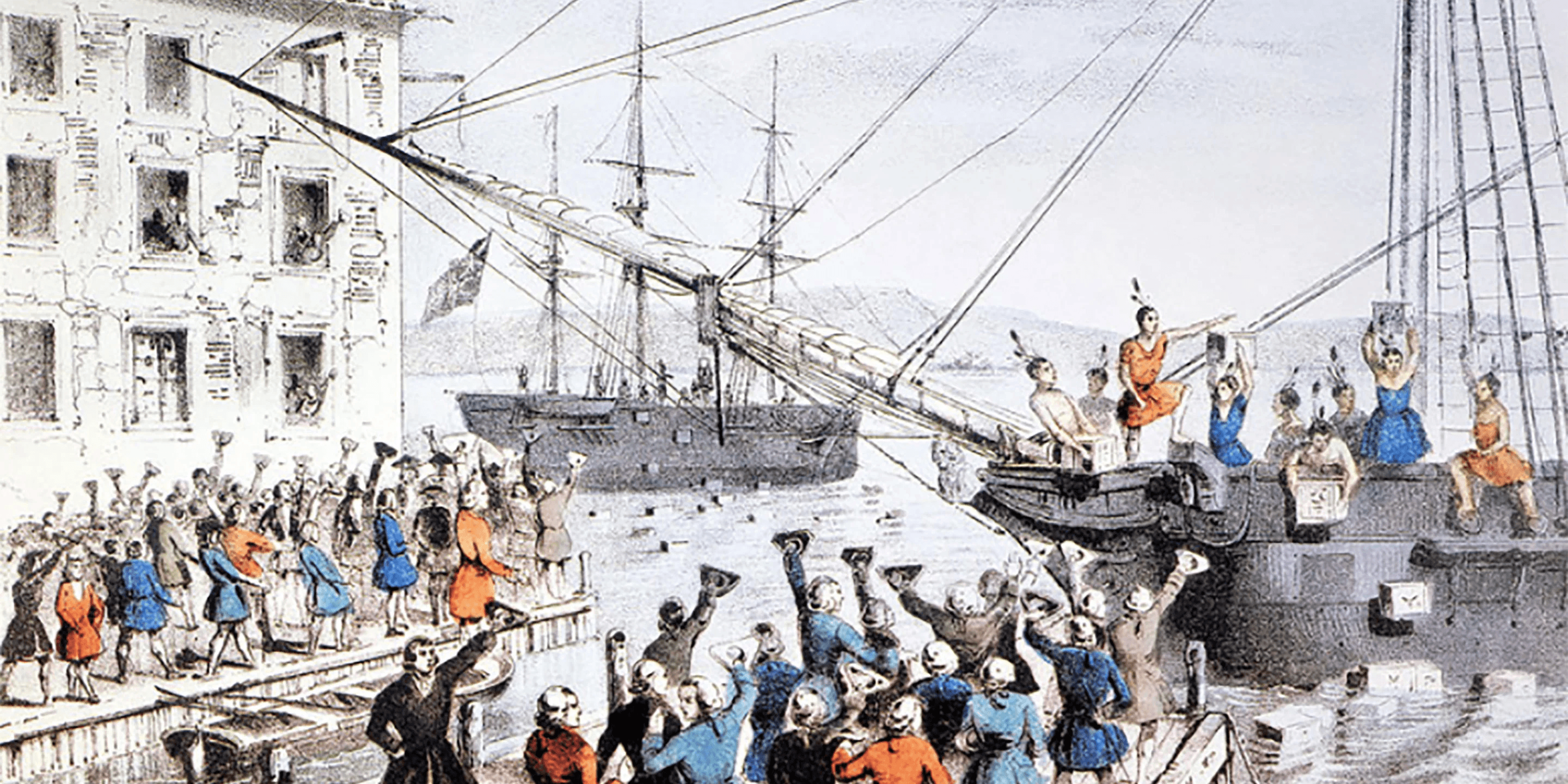
伦敦这时再次后退,撤掉大部分税,只留下一个象征性的茶税。税本身几乎无关紧要,茶甚至更便宜。但它被精心设计成一个选择题:你喝不喝这杯茶,就等于承不承认那条权力线。波士顿的人没有写新请愿书,也没有等议会辩论。他们直接跳过了中间步骤。夜里,有人换了装,把整船茶一箱箱扔进海里。
这次,伦敦没有再退。港口被关闭,城市被惩罚,自治被暂停,更多士兵进城。惩罚的力度不再针对行为,而是针对整个社会。消息传到其他殖民地时,产生的不是恐惧,而是一种清晰的预感:今天是波士顿,明天可能是任何一个人。于是,原本松散的网络被迅速拉紧。各地开始把粮食、资金送往波士顿;代表被派去开会;讨论不再围绕“下一步怎么抗议”,而是“如果继续这样下去,会发生什么”。
在马萨诸塞,波士顿的城镇会议与殖民地议会成为中心节点,向外发出说明事件经过、强调“常备军威胁”的公开文本。这些文件被迅速转印、摘要、再传播,成为其他殖民地讨论的共同起点。弗吉尼亚议会中的关键人物开始把波士顿事件放入更大的宪政语境中,强调常备军进城与未经同意征税之间的结构性联系。宾夕法尼亚、纽约、康涅狄格、新罕布什尔等地的议会,也陆续出现类似表述,语言开始趋同。
与此同时,一个此前存在但作用有限的机制被重新赋予重量——殖民地之间的通信代表。这些人通常由地方议会或城镇会议选出,职责并不是“做决定”,而是持续沟通、同步信息、保持立场一致。他们往往是律师、商人、编辑或议会议员,能够写信、印刷、翻译政治语言,并在不同殖民地之间来回穿梭。这一机制后来被制度化为通信委员会,但在 1770 年前后,它已经以半正式方式运作。
殖民地政治开始默认一种新前提:有些判断,已经不能只由单个殖民地独立作出。虽然还没有一个正式的“全国性”机构,但代表们已经在实践中扮演着跨殖民地的角色。这种实践,直接为后来更明确的代表会议——如印花税会议、再到大陆会议——提供了现实经验和心理准备。
Preface: This piece was produced in collaboration with ChatGPT.
When news of the Stamp Act finally reached the streets of the colonies, people did not begin by “debating principles.” They began by acting to resolve the immediate gridlock. Once society stalled, practical responses emerged almost automatically.
The first to act were those who could not afford to wait. Printers were the earliest to encounter the problem. Newspapers either had to suspend publication or instantly become illegal. Many chose to keep printing, but deliberately left blank spaces on the page, framing the headline with thick black borders and adding a single line beneath it: it’s not that there’s no content—it’s that there’s no legal paper. This was not a manifesto but a practical maneuver, forcing readers to see, every day, what a “jammed world” looked like. Some went further and printed entire papers in the format of obituaries, informing readers that liberty itself was being buried.
Lawyers and judges responded even more directly. Some publicly announced they were suspending their practice, arguing that to keep working under such conditions would amount to recognizing the system itself. Others quietly took cases but refused to use stamped paper, gambling that local society would tolerate this “illegal but understood” condition. Courts began to display strange scenes: cases piled up, but no one dared to formally open sessions. The law was not overturned; it was shelved.
The names of stamp officers spread rapidly—where they lived, when they would arrive at port, what time they would disembark. None of this remained secret for long. People did not rush government buildings at first; they began with symbolic acts. Effigies were made and hung from trees, placards reading “Stamp Officer” pinned to their chests. The crowd’s gaze, the murmurs, the jeers—these constituted a public trial in themselves. Many stamp officers resigned before the law even took effect, not because of legal pressure, but because daily life had become unlivable.
Taverns and coffeehouses became operational hubs. By day they were businesses; by night, intelligence stations. Some people explained the content of the law; others relayed what had happened elsewhere. These were not long speeches but short, endlessly repeated phrases: who resigned today, which paper shut down, which port was boycotting. Information was compressed into easily transmissible forms and spread across cities overnight.
Merchants acted calmly—and ruthlessly. They held no mass meetings and issued no proclamations. Privately, they reached consensus: no British imports. Existing stock in warehouses would be sold slowly; new orders simply would not be placed. Blank spaces appeared in account books. Dockworkers noticed fewer ships. British suppliers began writing back to London, complaining that “the market has suddenly vanished.” What happened in Boston was replicated in New York within weeks; New York’s approach was soon copied in Philadelphia. There was no central command—people had simply learned a template: first make the system fail, then isolate the enforcers, finally amplify the effect through economic pressure. Each place watched others’ results and adjusted.
Ordinary people participated in concrete ways. Some refused to buy goods requiring stamps; others refused to sign stamped documents. Ministers used biblical stories in sermons to allude to current events—never naming names, but everyone understood. Children sang altered songs in the streets, weaving officials’ names into familiar tunes. Politics no longer required a formal entry point; it seeped directly into daily life. Nearly all stamp officers were forced to resign or fled outright. The result was absurd but lethal to the system: the law still existed, but no one enforced it. No stamped paper, no officers. The law survived on paper but failed in reality. This was not a riot; it was a collective act of denying the conditions necessary for the system to function.
When London later repealed the Stamp Act, colonists already understood one thing clearly: it was not because they shouted the loudest, but because they made the law impossible to run. What people actually did was not draft grand declarations, but carry out a series of very concrete, very ordinary, yet highly coordinated actions—stop, delay, bypass, refuse, replicate, spread. They looked scattered, but together they taught ordinary people something new: politics does not occur only in meeting halls. If you can control whether things continue to function, you are already participating in politics.
After the repeal of the Stamp Act, there was a brief and dangerous lull.
The streets grew quiet. Merchants placed orders again; newspapers resumed printing; courts reopened. Many sincerely hoped the past year had been an excessive episode. London, too, exhaled, convinced the old methods still worked: let them protest, retreat a step, and order would return. But something had changed—it just had not fully surfaced yet. Over the next few years, London tried to pursue the same objective by different means. Taxes were repackaged as more “moderate,” more technical, no longer freezing society all at once. The new tax laws of 1767 shifted duties back onto imported goods, making it appear as though the system had reverted to the old model. The response, however, was faster and more experienced. Merchants barely needed discussion to restart boycotts; newspapers reused familiar language to explain what was different—and what was the same—this time; long-term communication networks began to appear, not for a single act, but to synchronize information continuously.
At the same time, London began doing something else: forcing the rules down with men and guns. To ensure taxes could be enforced, troops were sent into cities. Redcoats began appearing on the streets of Boston, near the docks and taverns. Their numbers were not large enough to control the city outright, but their visibility was constant. Red uniforms, armed patrols, weapons on display—these continually reminded residents that a form of power not belonging to the community was now operating among them. For a city long accustomed to local policing, militia systems, and oversight within a society of acquaintances, the arrival of a standing army marked a fundamental shift in the logic of order.
Soldiers competed with dockworkers for jobs, clashed with apprentices in taverns, and argued with residents in the streets over passage, curfews, and verbal provocation. Soldiers received steady pay; local laborers already faced tight employment. Soldiers were not fully subject to local courts, while residents bore the constraints imposed by the army’s presence. This asymmetry quickly bred resentment. Workers and soldiers shouted at one another on street corners; children threw stones at barracks; soldiers shoved people with rifle butts. Everything seemed minor, but it happened every day—until one day it did not remain minor.
In the winter of 1770, a few gunshots in a Boston night ended this “low-intensity standoff.” The incident occurred on the night of March 5, 1770, on King Street in the city center. Cold, darkness, narrow streets, dense crowds. A sentry argued with a townsman; people gathered; voices rose; tempers escalated. Snowballs, ice chunks, and bits of wood were thrown. Soldiers called for reinforcements. A small detachment arrived and formed a semicircle facing the crowd. Visibility was poor, command unclear, noise overwhelming. Someone shouted “Fire”—who did so was never conclusively determined. Shots rang out, one after another. Five colonists fell, including sailors, dockworkers, and people of mixed or marginalized backgrounds. The most widely known victim was Crispus Attucks, a dockworker of African and Indigenous descent.
To prevent further escalation, the soldiers were arrested and put on trial. Colonial authorities deliberately upheld legal procedure, even having figures who would later become revolutionary leaders defend the soldiers, to demonstrate that colonial society still respected the rule of law rather than mob justice. Some soldiers were acquitted or convicted of minor offenses. Meanwhile, engravings, pamphlets, and newspapers spread rapidly, the most famous depicting soldiers as carrying out an organized slaughter of civilians.
London retreated once more, repealing most taxes and leaving only a symbolic tea duty. The tax itself was trivial—tea was even cheaper—but it was carefully designed as a choice: to drink the tea was to accept that line of authority. Boston did not draft new petitions or wait for parliamentary debate. It skipped the intermediate steps. One night, people disguised themselves and dumped entire shiploads of tea into the harbor.
This time, London did not retreat. The port was closed, the city punished, self-government suspended, more troops sent in. The punishment no longer targeted specific actions but an entire society. When news reached the other colonies, it produced not fear but a clear premonition: today it is Boston; tomorrow it could be anyone. The previously loose network tightened rapidly. Food and funds were sent to Boston; representatives were dispatched to meet; discussions shifted from “how do we protest next” to “what happens if this continues.”
In Massachusetts, Boston’s town meetings and the colonial assembly became central nodes, issuing public texts explaining events and emphasizing the “threat of standing armies.” These documents were quickly reprinted, summarized, and circulated, forming the basis of discussion elsewhere. In Virginia, key figures placed Boston’s experience within a broader constitutional framework, linking the presence of standing armies to taxation without consent. Assemblies in Pennsylvania, New York, Connecticut, and New Hampshire adopted similar language; expressions began to converge.
At the same time, a mechanism that had existed but carried little weight was reactivated—the appointment of intercolonial correspondents. Chosen by local assemblies or town meetings, these representatives were not empowered to decide policy, but to maintain communication, synchronize information, and align positions. Typically lawyers, merchants, editors, or assemblymen, they could write letters, print texts, translate political language, and travel between colonies. This mechanism would later be formalized as committees of correspondence, but around 1770 it already functioned in a semi-official form.
Colonial politics began to assume a new premise: some judgments could no longer be made by individual colonies alone. There was still no formal “national” institution, but in practice these representatives were already acting across colonial boundaries. That practice provided the experience—and the psychological readiness—for later, more explicit representative bodies, from the Stamp Act Congress to the Continental Congress.